Rossa di Milano
Allium cepa
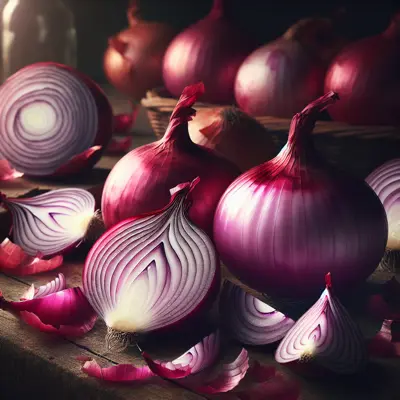
An onion so lovely, it's almost a shame to eat it. Selected by the late Dr. John Navazio under tough organic growing conditions, our 'Rossa di Milano' strain is up to 10 days earlier than others boasting the same name. One of the most thrips-resistant long-day onions in our trials. Bulbs are large to colossal in size and exhibit the true grano shape with distinctly flattened tops. Suited for long storage (6+ months) with thin necks that easily dry down. Strong, bronze-pink skins and great uniformity. An excellent cooking onion, Rossa di Milano contributes an abundance of sweetness and pungency to any cuisine. Your new favorite onion. Can be successfully grown in the northern reaches of the intermediate-day region. Adaptation: 38-50° latitude.
Harvest
100d
Days to harvest
Sun
Full sun
Zones
5–10
USDA hardiness
Height
12-18 inches
Planting Timeline
Showing dates for Rossa di Milano in USDA Zone 7
All Zone 7 allium →Zone Map
Click a state to update dates
Rossa di Milano · Zones 5–10
Growing Details
Succession Planting
Onions aren't a true succession crop — Rossa di Milano is an intermediate-day variety that sizes up based on photoperiod, not planting date. In our zone 7 Georgia garden, get all your sets or transplants in the ground between early March and mid-April. After that, bulbing triggers before the plants build enough leaf mass, and you'll harvest marbles.
Complete Growing Guide
An onion so lovely, it's almost a shame to eat it. Selected by the late Dr. John Navazio under tough organic growing conditions, our 'Rossa di Milano' strain is up to 10 days earlier than others boasting the same name. One of the most thrips-resistant long-day onions in our trials. Bulbs are large to colossal in size and exhibit the true grano shape with distinctly flattened tops. Suited for long storage (6+ months) with thin necks that easily dry down. Strong, bronze-pink skins and great uniformity. An excellent cooking onion, Rossa di Milano contributes an abundance of sweetness and pungency to any cuisine. Your new favorite onion. Can be successfully grown in the northern reaches of the intermediate-day region. Adaptation: 38-50° latitude. According to Johnny's Selected Seeds, Rossa di Milano is 100 days to maturity, open pollinated. Notable features: Organic Seeds, Plants, and Supplies, Easy Choice.
Light: Full sun (6 or more hours of direct sunlight a day). Soil: High Organic Matter, Loam (Silt), Sand. Soil pH: Alkaline (>8.0), Neutral (6.0-8.0). Drainage: Good Drainage, Moist. Height: 1 ft. 0 in. - 1 ft. 6 in. Spread: 0 ft. 6 in. - 1 ft. 0 in. Spacing: Less than 12 inches, 12 inches-3 feet. Maintenance: Medium. Regions: Coastal, Mountains, Piedmont.
Harvesting
Rossa di Milano reaches harvest at 100 days from sowing per Johnny's Selected Seeds.
Flowers wither and convert to bulblets
Type: Capsule.
Harvest time: Summer
Edibility: The bulb and tops are edible raw or cooked. However, the plant also has poisonous characteristics as noted in the "Poisonous to Humans" section of this record. Toxicity can depend on the age of the person or animal, the age of the plant, the part of the plant ingested, how much is ingested, whether the person or animal has sensitivities or allergies, whether it's eaten raw or cooked, and so forth. Consult with a medical professional for further details.
Storage & Preservation
Cure harvested Rossa di Milano onions in a warm (80-85°F), well-ventilated area for 2-3 weeks until necks are completely dry and papery. Store cured onions in mesh bags or braided strings in a cool (32-40°F), dry location with good air circulation. Properly cured bulbs keep 2-4 months – shorter than storage varieties but longer than most sweet onions.
For immediate use, store uncured onions in the refrigerator crisper drawer for up to 2 weeks. Their mild, sweet flavor makes them excellent for freezing – dice and freeze in portions for soups and sautéing, though texture becomes soft. Dehydrate thin slices at 125°F until crispy for seasoning blends that preserve their beautiful color. Their high moisture content makes them perfect for quick pickles and relishes that showcase both flavor and stunning appearance.
History & Origin
Rossa di Milano is open-pollinated, meaning seed saved from healthy plants will produce true-to-type offspring. Listed in the Johnny's Selected Seeds catalog.
Origin: Central Asia and central Persia
Advantages
- +Matures 10 days earlier than other Rossa di Milano strains available
- +Exceptional thrips resistance compared to most long-day onion varieties
- +Stores exceptionally well for 6+ months with thin, quick-drying necks
- +Produces large, uniform bulbs with distinctive flattened grano shape
- +Mild, sweet flavor adds excellent depth to cooking applications
Considerations
- -Requires 38-50° latitude range; unsuitable for southern U.S. gardeners
- -Vulnerable to fusarium basal rot and bacterial soft rot in wet conditions
- -Susceptible to downy mildew in humid climates during growing season
- -Requires 100 days to maturity; demands consistent long-season growing window
Companion Plants
Rossa di Milano sits well next to carrots and lettuce because the root zones don't overlap much — onions are shallow feeders, carrots go deeper, and the onion smell seems to confuse carrot rust fly. Brassicas and strawberries get similar pest-masking benefit. Beans and peas are the real problem: alliums release sulfur compounds that suppress the Rhizobium bacteria legumes need for nitrogen fixation, and you'll see stunted bean rows if you plant them within a foot or so.
Plant Together
Tomatoes
Alliums repel aphids and spider mites that commonly attack tomatoes
Carrots
Onions deter carrot flies while carrots help break up soil for bulb development
Lettuce
Alliums repel aphids and rabbits that damage lettuce crops
Brassicas
Onions deter cabbage worms, flea beetles, and aphids from cabbage family plants
Roses
Alliums repel aphids, thrips, and may reduce black spot fungal issues
Peppers
Onions deter aphids and may improve pepper flavor and growth
Strawberries
Alliums repel slugs and aphids while potentially improving berry flavor
Marigolds
Both repel nematodes and create a pest-deterrent barrier when planted together
Keep Apart
Beans
Alliums can inhibit nitrogen fixation by rhizobia bacteria in legume roots
Peas
Onions release compounds that stunt pea growth and reduce pod production
Asparagus
Allelopathic compounds from onions can reduce asparagus spear production
Nutrition Facts
Per 100g serving. % Daily Value based on 2,000 calorie diet. Source: USDA FoodData Central (FDC #170000)
Pests & Disease Resistance
Resistance
Moderate disease resistance
Common Pests
Onion thrips, aphids, wireworms
Diseases
Fusarium basal rot, bacterial soft rot, downy mildew
Troubleshooting Rossa di Milano
What you'll see, why it happens, and what to do about it.
Silvery streaks and stippling on leaves, tips browning around day 60
Likely Causes
- Onion thrips (Thrips tabaci) feeding in the leaf axils
- Hot dry stretch concentrating populations — thrips love it above 80°F
What to Do
- 1.Spray spinosad (Monterey Garden Insect Spray) in the evening, hitting down into the leaf crotches where they hide
- 2.Keep irrigation consistent at 1 inch per week — drought-stressed onions take thrips damage harder
- 3.Hose the plants down hard in the morning a few times a week; it knocks populations back without chemicals
Bulbs rotting from the bottom up in storage or late in the bed, roots brown and mushy
Likely Causes
- Fusarium basal rot (Fusarium oxysporum f. sp. cepae) — soil-borne, builds up with continuous allium plantings
- Harvesting before the necks fully cure, then storing in humid conditions
What to Do
- 1.Pull affected bulbs immediately and trash them — don't compost
- 2.Cure harvested onions for 2-3 weeks in a shaded, airy spot until the necks are bone dry before storing
- 3.Rotate alliums out of that bed for at least 3 years; Fusarium spores persist in soil a long time
Frequently Asked Questions
How long does Rossa di Milano take to grow from seed?▼
Can you grow Rossa di Milano onions in containers?▼
What does Rossa di Milano onion taste like?▼
Is Rossa di Milano good for beginners?▼
When should I plant Rossa di Milano onion seeds?▼
How do you store Rossa di Milano onions after harvest?▼
Zone-by-Zone Planting Calendar
| Zone | Indoor Start | Transplant | Direct Sow | Harvest |
|---|---|---|---|---|
| Zone 3 | — | — | May – June | August – October |
| Zone 4 | — | — | April – June | August – October |
| Zone 5 | — | — | April – May | July – November |
| Zone 6 | — | — | April – May | July – November |
| Zone 7 | — | — | March – May | June – November |
| Zone 8 | — | — | March – April | June – December |
| Zone 9 | — | — | February – March | May – December |
| Zone 10 | — | — | January – March | April – December |
| Zone 1 | — | — | June – July | September – September |
| Zone 2 | — | — | May – July | August – September |
| Zone 11 | — | — | January – February | March – December |
| Zone 12 | — | — | January – February | March – December |
| Zone 13 | — | — | January – February | March – December |
Growing Guides from Wind River Greens
Sources & References
External authority sources used in compiling this guide.
- BreederJohnny's Selected Seeds
- USDAUSDA FoodData Central
See the Methodology page for how this data is sourced, what's AI-assisted, and known limitations.