Conservor
Allium cepa var. aggregatum
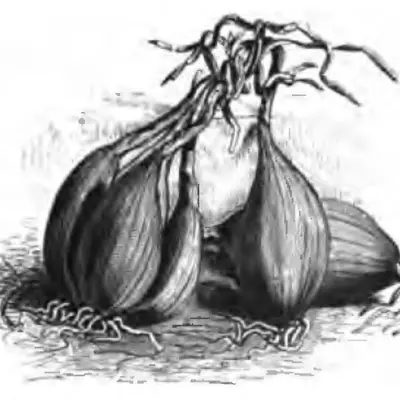
These reddish-copper shallots have an elongated shape with fewer splits and are suitable for long storage. Conservor does not typically divide into multiple bulbs like traditional shallots. Adaptation: 37-60° latitude. Also available in organic seed and in organic seed with NOP-compliant pelleting.
Harvest
110d
Days to harvest
Sun
Full sun
Zones
5–10
USDA hardiness
Height
12-18 inches
Planting Timeline
Showing dates for Conservor in USDA Zone 7
All Zone 7 allium →Zone Map
Click a state to update dates
Conservor · Zones 5–10
Growing Details
Succession Planting
Conservor is a shallot — you put the sets in once, the bulbs multiply underground over 110 days, and you pull the whole clump. That's not a crop you stagger. Direct sow sets from March through May, but anything going in past mid-April risks running out of cool weather before the bulbs fully size up. The one move that approximates succession: save your largest offsets from the summer harvest and replant them in October for an overwintered crop that comes in the following spring.
Complete Growing Guide
These reddish-copper shallots have an elongated shape with fewer splits and are suitable for long storage. Conservor does not typically divide into multiple bulbs like traditional shallots. Adaptation: 37-60° latitude. Also available in organic seed and in organic seed with NOP-compliant pelleting. According to Johnny's Selected Seeds, Conservor is 110 days to maturity, annual, hybrid (f1).
Light: Full sun (6 or more hours of direct sunlight a day). Soil: High Organic Matter, Loam (Silt), Sand. Soil pH: Alkaline (>8.0), Neutral (6.0-8.0). Drainage: Good Drainage, Moist. Height: 1 ft. 0 in. - 1 ft. 6 in.. Spread: 0 ft. 6 in. - 1 ft. 0 in.. Spacing: Less than 12 inches, 12 inches-3 feet. Maintenance: Medium. Regions: Coastal, Mountains, Piedmont.
Harvesting
Conservor reaches harvest at 110 days from sowing per Johnny's Selected Seeds. As an annual, harvest continues until frost ends the season.
Flowers wither and convert to bulblets
Type: Capsule.
Harvest time: Summer
Edibility: The bulb and tops are edible raw or cooked. However, the plant also has poisonous characteristics as noted in the "Poisonous to Humans" section of this record. Toxicity can depend on the age of the person or animal, the age of the plant, the part of the plant ingested, how much is ingested, whether the person or animal has sensitivities or allergies, whether it's eaten raw or cooked, and so forth. Consult with a medical professional for further details.
Storage & Preservation
After harvesting at 110 days, cure Conservor shallots in a warm, dry, well-ventilated space for two to three weeks until the outer skin papery and roots fully desiccated. Store in mesh bags or open crates at 50–60°F with 60–70% humidity; properly cured bulbs keep 6–8 months. For longer preservation, freeze diced shallots raw in ice cube trays, then transfer to freezer bags for up to one year. Dried shallots work exceptionally well for this variety—slice thin, air-dry completely, and store in airtight containers away from light. Conservor's mild, slightly sweet character also suits pickling and fermentation; lacto-fermented shallots develop complex flavor over weeks. Because this variety tends toward longer dormancy than common onions, stored bulbs resist sprouting better than most, so resist the urge to refrigerate—cool room storage yields superior results.
History & Origin
Conservor is an F1 hybrid developed through controlled cross-pollination. Listed in the Johnny's Selected Seeds catalog.
Origin: Central Asia and central Persia
Advantages
- +Distinctive reddish-copper color adds visual appeal to dishes and markets
- +Excellent long-term storage capability reduces need for frequent replanting
- +Fewer bulb divisions mean easier harvest and cleaner individual shallots
- +Elongated shape facilitates peeling and preparation compared to round varieties
- +Grows successfully across wide latitude range from 37-60 degrees
Considerations
- -Limited bulb multiplication compared to traditional shallot varieties reduces yields
- -Longer 110-day season requires careful timing in shorter growing regions
- -Non-dividing growth pattern may disappoint growers expecting multiple bulblets per set
Companion Plants
Conservor does well near tomatoes, carrots, and brassicas — the sulfur compounds alliums off-gas at the root zone disorient aphids and cabbage loopers without doing anything harmful to those neighbors. At 12–18 inches tall, Conservor won't shade out shorter plants either. Marigolds nearby add another layer of pest deterrence without competing for water. Keep beans, peas, and asparagus on the opposite end of the garden; the same sulfur chemistry that bothers insects also suppresses the root activity of legumes, and asparagus planted too close to any allium tends to come back weaker the following year.
Plant Together
Tomatoes
Alliums repel aphids, spider mites, and hornworms that commonly attack tomatoes
Carrots
Alliums deter carrot fly while carrots help break up soil for allium bulbs
Brassicas
Alliums repel cabbage worms, aphids, and flea beetles that damage cabbage family plants
Lettuce
Alliums provide natural pest protection without competing for nutrients
Roses
Alliums repel aphids, thrips, and may help prevent black spot disease
Peppers
Alliums deter aphids and other soft-bodied insects that attack pepper plants
Strawberries
Alliums repel slugs, aphids, and nematodes that commonly damage strawberry plants
Marigolds
Both plants repel similar pests and complement each other's pest control properties
Keep Apart
Beans
Alliums can inhibit growth of legumes and interfere with their nitrogen-fixing capabilities
Peas
Allium compounds can stunt pea growth and reduce pod production
Asparagus
Alliums may inhibit asparagus spear development and overall plant vigor
Nutrition Facts
Per 100g serving. % Daily Value based on 2,000 calorie diet. Source: USDA FoodData Central (FDC #170000)
Troubleshooting Conservor
What you'll see, why it happens, and what to do about it.
Foliage tips turning yellow or brown, then dying back from the tip down, starting 3–4 weeks after planting
Likely Causes
- Onion thrips (Thrips tabaci) — they rasp the leaf surface and cause silvery streaking that yellows and dies
- Inconsistent watering — shallots stress fast if the top 2 inches of soil dry out repeatedly
What to Do
- 1.Inspect the leaf axils with a hand lens; if you see tiny pale insects, spray with insecticidal soap every 5–7 days for two to three rounds
- 2.Mulch with 2 inches of straw and water to maintain even moisture — Conservor's shallow roots don't forgive boom-and-bust irrigation
- 3.Remove and bin badly damaged leaves; don't compost them if thrips are confirmed
White or pale lesions with a purple tinge on the upper leaf surface, spreading fast in wet weather
Likely Causes
- Purple blotch (Alternaria porri) — a fungal disease that moves quickly once humidity stays above 90% for more than 12 hours
- Overhead irrigation that keeps foliage wet well into the morning
What to Do
- 1.Switch to drip irrigation or water early enough that leaves dry before nightfall
- 2.Strip infected leaves and dispose of them in the trash — not the compost pile
- 3.Apply a copper-based fungicide on a 7-day schedule if conditions stay wet; NC State Extension lists copper as an effective management tool for Alternaria in alliums
Bulbs are small and few at harvest — clumps split into only 2–3 offsets instead of the expected 8–12
Likely Causes
- Planted too late into warming soil — Conservor needs cool soil (below 75°F) to set multiple offsets
- Overcrowding beyond the 6–8 inch spacing; bulbs compete and divide less
- Excess nitrogen pushing top growth at the expense of bulb division
What to Do
- 1.Get sets in the ground in March rather than waiting until May; the bulbs need 60–90 days of moderate temperatures to multiply
- 2.Side-dress once with a low-nitrogen, higher-phosphorus fertilizer (5-10-10 works) at the 30-day mark — skip any additional nitrogen top-dressings after that
- 3.Thin to a full 8 inches between sets if offset count matters to you
Soft, water-soaked patches at the neck of the bulb at harvest or shortly after curing
Likely Causes
- Botrytis neck rot (Botrytis allii) — common when tops are still green or wet at harvest
- Pulling bulbs before the tops have fallen over and begun to dry naturally
What to Do
- 1.Wait until at least 75–80% of the tops have collapsed before pulling — at 110 days, that puts you in late July to early August for a March planting
- 2.Cure in a single layer in a shaded spot with good airflow for 2–3 weeks before moving to storage; don't pile them
- 3.Pull any soft bulbs immediately — Botrytis spreads through a stored batch fast
Frequently Asked Questions
How long does it take Conservor shallots to mature from planting to harvest?▼
Is Conservor a good shallot variety for beginners?▼
Why don't Conservor shallots divide into multiple bulbs like traditional shallots?▼
What does Conservor shallot taste like and how do I use it?▼
Can I grow Conservor shallots in my climate zone?▼
What spacing should I use when planting Conservor shallot sets or seeds?▼
Zone-by-Zone Planting Calendar
| Zone | Indoor Start | Transplant | Direct Sow | Harvest |
|---|---|---|---|---|
| Zone 3 | — | — | May – June | August – October |
| Zone 4 | — | — | April – June | August – October |
| Zone 5 | — | — | April – May | August – November |
| Zone 6 | — | — | April – May | July – November |
| Zone 7 | — | — | March – May | July – November |
| Zone 8 | — | — | March – April | June – December |
| Zone 9 | — | — | February – March | May – December |
| Zone 10 | — | — | January – March | May – December |
| Zone 1 | — | — | June – July | September – September |
| Zone 2 | — | — | May – July | September – September |
| Zone 11 | — | — | January – February | April – December |
| Zone 12 | — | — | January – February | April – December |
| Zone 13 | — | — | January – February | April – December |
Growing Guides from Wind River Greens
Sources & References
External authority sources used in compiling this guide.
- BreederJohnny's Selected Seeds
- USDAUSDA FoodData Central
See the Methodology page for how this data is sourced, what's AI-assisted, and known limitations.