Inchelium Red Softneck Garlic
Allium sativum var. sativum 'Inchelium Red'
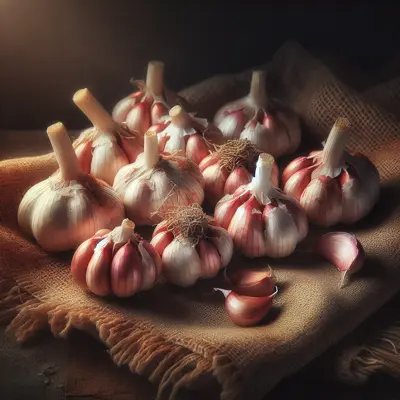
An award-winning heirloom softneck garlic from Washington state that's perfect for beginners and delivers exceptional flavor. These large, plump bulbs store for up to 10 months and offer a rich, full-bodied garlic taste that's not overpowering. The most reliable garlic variety for gardeners in warmer climates where hardnecks struggle.
Harvest
240-270d
Days to harvest
Sun
Full sun
Zones
4–9
USDA hardiness
Height
12-18 inches
Planting Timeline
Showing dates for Inchelium Red Softneck Garlic in USDA Zone 7
All Zone 7 allium →Zone Map
Click a state to update dates
Inchelium Red Softneck Garlic · Zones 4–9
Growing Details
Complete Growing Guide
This Washington heirloom demands a late planting window—aim for October through November in most regions to ensure adequate chilling hours (8-16 weeks) that trigger bulb development, as softnecks require less vernalization than hardnecks but still need consistent cool temperatures. Plant in well-draining soil with full sun exposure and moderate fertility to prevent excessive foliage at the expense of bulb size. Inchelium Red excels in warm climates where hardnecks bolt prematurely, but watch for white rot in poorly drained soils and spider mites during dry springs. This variety rarely produces scapes, eliminating confusion about when to harvest those secondary shoots. A critical practical tip: resist the urge to overwater in spring when foliage emerges rapidly—consistent but measured moisture prevents soft rot while supporting steady bulb expansion through early summer.
Light: Full sun (6 or more hours of direct sunlight a day). Soil: Clay, High Organic Matter, Loam (Silt), Sand. Soil pH: Neutral (6.0-8.0). Drainage: Good Drainage, Moist. Height: 1 ft. 0 in. - 1 ft. 6 in.. Spread: 0 ft. 8 in. - 1 ft. 0 in.. Spacing: Less than 12 inches, 12 inches-3 feet. Growth rate: Medium. Maintenance: Medium. Regions: Coastal, Mountains, Piedmont.
Harvesting
Harvest Inchelium Red softneck garlic when the lower leaves turn brown and papery while upper leaves remain green, typically around late June through early July depending on your planting date. The bulbs should feel firm and full when gently squeezed, and the outer wrapper leaves will display the variety's characteristic reddish-purple striping at peak maturity. Unlike hardnecks, softnecks mature more gradually, allowing for a continuous harvest window of two to three weeks rather than a single critical day. To maximize storage longevity up to ten months, wait until at least half the foliage has dried before pulling bulbs, as premature harvest reduces the protective outer layers that prevent sprouting and decay during dormancy.
Capsule on top of the flowering stalk. Splits open when ripe.
Color: Cream/Tan. Type: Capsule.
Storage & Preservation
Cure freshly harvested bulbs in a warm, dry, well-ventilated area for 2-3 weeks until the outer skins are papery and the necks are completely dry. Once cured, trim roots and cut stems to 1 inch above the bulb. Store in mesh bags or braids in a cool, dry location with good air circulation — ideal conditions are 60-65°F with 50-60% humidity. Properly cured Inchelium Red stores exceptionally well for 8-10 months. For preservation, roast whole cloves and freeze in ice cube trays with oil, dehydrate slices for homemade garlic powder, or ferment in honey for a gourmet condiment. Avoid refrigerating whole bulbs as this triggers sprouting.
History & Origin
Inchelium Red Softneck garlic originated from the Inchelium Indian Reservation in Washington state, where it developed within the Colville Confederated Tribes' agricultural tradition. The variety emerged through generations of cultivation and selection by tribal farmers who refined this softneck type for reliable performance in the Pacific Northwest's climate. While comprehensive historical documentation of its formal development remains limited, Inchelium Red represents an important indigenous agricultural heritage variety that gained broader recognition and commercial availability in the late twentieth century. The garlic's adaptation to warmer climates and exceptional storage capacity made it increasingly popular among gardeners and seed companies seeking reliable softneck alternatives to hardneck varieties.
Origin: Asia and Iran
Advantages
- +Award-winning heirloom variety with exceptional rich, full-bodied flavor profile
- +Stores up to 10 months, making it ideal for long-term pantry use
- +Perfect for beginners and warm-climate gardeners where hardnecks fail
- +Large, plump bulbs provide excellent yield per plant
- +Softneck variety allows easy braiding for attractive storage displays
Considerations
- -Susceptible to white rot and fusarium basal rot in wet soils
- -Vulnerable to onion thrips and bulb mites requiring pest management
- -Requires 240-270 days to mature, demanding longer growing seasons
- -Purple blotch disease can develop in humid or wet conditions
Companion Plants
Inchelium Red pulls its weight as a pest deterrent. Roses and tomatoes are the most practical pairings — aphids and spider mites tend to avoid both when garlic grows nearby, likely because of the sulfur compounds garlic releases through its roots and foliage. Carrots fit well too: their root depth doesn't overlap much with garlic's bulbing zone, so they're not fighting for the same resources. Cabbage family crops get some benefit as well — garlic appears to disrupt the egg-laying patterns of cabbage white butterflies (Pieris rapae) without crowding the brassicas.
Beans, peas, and asparagus are the ones to plant elsewhere. Garlic's root exudates inhibit legume root development, and you'll see it in stunted bean and pea plants if they end up too close — within 6-8 inches is close enough to cause trouble. Asparagus takes 3 or more years to establish a productive crown, and it can't afford that kind of competition in the top layer of soil during those early seasons.
Plant Together
Tomatoes
Garlic repels aphids, spider mites, and hornworms that commonly attack tomatoes
Roses
Garlic deters aphids, Japanese beetles, and may reduce black spot disease
Carrots
Garlic repels carrot flies while carrots help break up soil for garlic bulb development
Cabbage
Garlic deters cabbage worms, aphids, and flea beetles from brassicas
Lettuce
Garlic repels aphids and slugs while lettuce provides ground cover to retain soil moisture
Peppers
Garlic helps repel aphids and spider mites that commonly damage pepper plants
Spinach
Garlic deters aphids and leaf miners while spinach matures before garlic needs full space
Strawberries
Garlic repels aphids, spider mites, and may deter slugs from strawberry plants
Keep Apart
Beans
Garlic can inhibit nitrogen fixation by bean root bacteria and stunt bean growth
Peas
Garlic compounds can interfere with pea germination and root development
Asparagus
Garlic's sulfur compounds may inhibit asparagus spear development and overall growth
Nutrition Facts
Per 100g serving. % Daily Value based on 2,000 calorie diet. Source: USDA FoodData Central (FDC #1104647)
Pests & Disease Resistance
Resistance
Good resistance to white rot and fusarium basal rot
Common Pests
Onion thrips, bulb mites, nematodes
Diseases
White rot, fusarium basal rot, rust, purple blotch
Troubleshooting Inchelium Red Softneck Garlic
What you'll see, why it happens, and what to do about it.
Yellowing, twisted leaves with silvery streaking on younger growth, starting in spring
Likely Causes
- Onion thrips (Thrips tabaci) — tiny insects feeding on leaf tissue, especially during dry spells
- Dense planting blocking airflow, which lets thrips populations build fast
What to Do
- 1.Inspect closely — thrips are about 1mm long and hide in the leaf folds; a hand lens helps
- 2.Spray with insecticidal soap or spinosad every 5-7 days until populations drop
- 3.Space cloves at least 4-6 inches apart next planting season to improve airflow
Bulbs rotting at the base with white, cottony mold visible on the roots and basal plate at harvest
Likely Causes
- White rot (Sclerotium cepivorum) — a soil-borne fungus that persists as sclerotia for 20+ years
- Planting in a bed that previously grew onions, leeks, or other alliums without rotation
What to Do
- 1.Pull and bag infected plants immediately — do not compost them
- 2.Do not plant any allium in that bed for at least 4 years; white rot sclerotia are extremely persistent
- 3.Amend future beds with compost to improve drainage, since the fungus thrives in wet, compacted soil
Frequently Asked Questions
How long does Inchelium Red softneck garlic take to grow?▼
Can you grow Inchelium Red garlic in containers?▼
Is Inchelium Red garlic good for beginners?▼
What does Inchelium Red garlic taste like?▼
When should I plant Inchelium Red garlic?▼
Inchelium Red vs California Early — what's the difference?▼
Zone-by-Zone Planting Calendar
| Zone | Indoor Start | Transplant | Direct Sow | Harvest |
|---|---|---|---|---|
| Zone 3 | — | — | May – June | December – October |
| Zone 4 | — | — | April – June | December – October |
| Zone 5 | — | — | April – May | December – November |
| Zone 6 | — | — | April – May | December – November |
| Zone 7 | — | — | March – May | December – November |
| Zone 8 | — | — | March – April | November – December |
| Zone 9 | — | — | February – March | October – December |
| Zone 10 | — | — | January – March | October – December |
| Zone 1 | — | — | June – July | December – September |
| Zone 2 | — | — | May – July | December – September |
| Zone 11 | — | — | January – February | September – December |
| Zone 12 | — | — | January – February | September – December |
| Zone 13 | — | — | January – February | September – December |
Growing Guides from Wind River Greens
Sources & References
External authority sources used in compiling this guide.
See the Methodology page for how this data is sourced, what's AI-assisted, and known limitations.