Red Burgundy Shallot
Allium cepa var. aggregatum 'Red Burgundy'
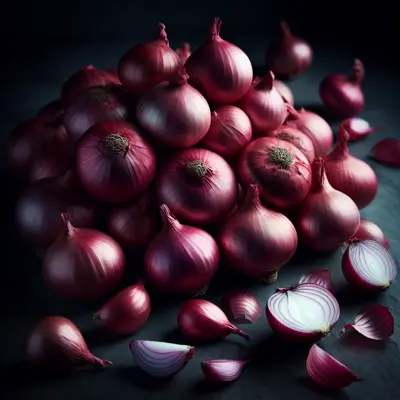
A striking shallot variety with deep burgundy-red skin that adds both flavor and visual appeal to the garden and kitchen. These prolific multipliers produce clusters of medium-sized bulbs with excellent storage qualities and a perfect balance of onion sweetness and garlic complexity. A favorite among home gardeners for its reliability and gourmet appeal.
Harvest
90-110d
Days to harvest
Sun
Full sun
Zones
5–10
USDA hardiness
Height
12-18 inches
Planting Timeline
Showing dates for Red Burgundy Shallot in USDA Zone 7
All Zone 7 allium →Zone Map
Click a state to update dates
Red Burgundy Shallot · Zones 5–10
Growing Details
Succession Planting
Direct sow shallot sets every 3–4 weeks from late February through May in zone 7, stopping once daytime highs are consistently above 80°F — shallots bulb up in response to day length and heat, and sets planted too late tend to give undersized bulbs with poor shelf life. A typical spring cadence produces two or three staggered harvests between June and early August, which spreads out the curing workload instead of hitting you with everything at once.
For a fall crop, plant sets in September or October when soil temps have dropped below 70°F and plan to harvest the following June — treat it as a separate planting, not an extension of spring succession. Shallots need their full 90–110 days and don't respond well to being rushed; compressing that window consistently produces smaller clusters.
Complete Growing Guide
Red Burgundy Shallots thrive best when planted in fall (October-November in most regions) for spring harvest, unlike spring-planted varieties, as this cold period triggers proper bulb division and larger cluster development. These multipliers demand well-draining soil rich in organic matter and full sun exposure to develop their characteristic deep color and sweet flavor profile. While generally disease-resistant, Red Burgundy tends toward bolting in prolonged heat above 75°F, so prioritize spring harvesting before summer temperatures spike. Watch for thrips, which are attracted to the burgundy pigmentation more than other shallot colors. A practical tip: separate individual cloves from mature clusters before storage rather than keeping them intact, as this improves air circulation and extends shelf life to 6-8 months while making kitchen prep faster. Space plants 6 inches apart to prevent cramping and ensure adequate bulb sizing.
Light: Full sun (6 or more hours of direct sunlight a day). Soil: High Organic Matter, Loam (Silt), Sand. Soil pH: Alkaline (>8.0), Neutral (6.0-8.0). Drainage: Good Drainage, Moist. Height: 1 ft. 0 in. - 1 ft. 6 in.. Spread: 0 ft. 6 in. - 1 ft. 0 in.. Spacing: Less than 12 inches, 12 inches-3 feet. Maintenance: Medium. Regions: Coastal, Mountains, Piedmont.
Harvesting
Harvest Red Burgundy Shallots when their deep burgundy skin deepens further and the outer papery layers dry completely, typically 90–110 days after planting once foliage yellows and falls over naturally. Gently lift bulbs to confirm they've reached medium size and feel firm to the touch, indicating maturity. As prolific multipliers, these shallots can be harvested in a single crop once fully mature, though patient gardeners may selectively harvest larger outer bulbs first while leaving smaller inner bulbs to continue growing. Time your harvest for a dry, sunny period to ensure proper curing—avoid pulling after rain, as damp conditions compromise storage quality and increase disease risk.
Flowers wither and convert to bulblets
Type: Capsule.
Harvest time: Summer
Edibility: The bulb and tops are edible raw or cooked. However, the plant also has poisonous characteristics as noted in the "Poisonous to Humans" section of this record. Toxicity can depend on the age of the person or animal, the age of the plant, the part of the plant ingested, how much is ingested, whether the person or animal has sensitivities or allergies, whether it's eaten raw or cooked, and so forth. Consult with a medical professional for further details.
Storage & Preservation
Properly cured Red Burgundy shallots store exceptionally well for 6-8 months in cool (32-40°F), dry conditions with good air circulation. Braid the dried tops together or store in mesh bags, keeping them in a basement, garage, or pantry away from heat sources. Check stored bulbs monthly and remove any showing soft spots or sprouting.
For shorter-term storage, keep whole bulbs in a cool, dark pantry for up to 3 months — avoid refrigeration which can trigger sprouting. Once peeled, refrigerate unused shallots in a sealed container for up to 2 weeks.
Preserve surplus shallots by pickling whole small bulbs in white wine vinegar with herbs, or slice and dehydrate for long-term storage as seasoning flakes. Freeze peeled, chopped shallots in ice cube trays with olive oil for convenient cooking portions, though texture will soften. The intense flavor of Red Burgundy shallots concentrates beautifully when roasted and frozen in portions.
History & Origin
The Red Burgundy Shallot belongs to the aggregatum type, a distinct subspecies of *Allium cepa* that likely originated in Southeast Asia before becoming established in French and European gardens. While specific breeder information and introduction dates for this particular cultivar remain poorly documented in accessible sources, Red Burgundy exemplifies the traditional shallot varieties that European gardeners have selectively cultivated for centuries, particularly in regions like Burgundy and Loire Valley. The variety reflects centuries of farmer selection for prolific bulb clusters, storage longevity, and balanced flavor profiles. Its emergence as a named cultivar likely occurred through seed company cultivation in the late twentieth century, drawing from established French heirloom shallot germplasm rather than formal academic breeding programs.
Origin: Central Asia and central Persia
Advantages
- +Deep burgundy skin adds striking visual appeal to garden beds
- +Excellent storage qualities keep bulbs fresh for months after harvest
- +Mild flavor with garlic complexity works well in diverse cuisines
- +Prolific multiplier produces abundant medium-sized bulbs per planting set
- +Easy cultivation makes Red Burgundy ideal for beginning gardeners
Considerations
- -Susceptible to white rot in poorly drained or wet soil
- -Onion thrips and maggots require vigilant pest management throughout season
- -Purple blotch fungus can reduce bulb quality in humid climates
Companion Plants
Carrots and shallots work well together because they're drawing from different depths — shallots stay shallow while carrots pull from 8–12 inches down, so there's no real competition for moisture or nutrients. Alliums produce sulfur compounds thought to mask the scent cues that carrot fly (Psila rosae) uses to locate its host, which is a more plausible mechanism than most companion planting claims. Lettuce and cabbage make practical neighbors: they're cool-season crops that don't shade shallots out, and their pest pressure doesn't overlap much. Parsley fits naturally between rows, takes up little space, and draws in parasitic wasps that prey on the aphids shallots tend to attract in spring.
Beans and peas are the ones to keep on the other side of the garden. Those same sulfur compounds that may deter carrot fly appear to inhibit the Rhizobium bacteria living in legume root nodules — which defeats the purpose of growing legumes at all. Asparagus is a perennial that stays put for 15–20 years; planting shallots nearby means disturbing that bed every season at harvest, which asparagus doesn't tolerate well.
Plant Together
Carrots
Shallots repel carrot flies while carrots help break up soil for shallot bulb development
Tomatoes
Shallots deter aphids, spider mites, and other tomato pests while improving flavor
Lettuce
Shallots repel aphids and root maggots that commonly attack lettuce
Cabbage
Strong sulfur compounds in shallots deter cabbage worms and flea beetles
Peppers
Shallots repel aphids and may help deter nematodes that damage pepper roots
Strawberries
Shallots deter slugs, aphids, and spider mites while potentially improving berry flavor
Roses
Alliums repel aphids, thrips, and may help prevent black spot fungal disease
Parsley
Both plants have similar growing requirements and shallots help repel pests from herbs
Keep Apart
Beans
Shallots can inhibit nitrogen fixation in legume root nodules, reducing bean yields
Peas
Allium compounds interfere with beneficial rhizobia bacteria needed for pea nitrogen fixation
Asparagus
Shallots can stunt asparagus growth and may inhibit spear production
Nutrition Facts
Per 100g serving. % Daily Value based on 2,000 calorie diet. Source: USDA FoodData Central (FDC #170499)
Pests & Disease Resistance
Resistance
Good general disease resistance
Common Pests
Onion thrips, onion maggots, aphids
Diseases
White rot, downy mildew, purple blotch
Troubleshooting Red Burgundy Shallot
What you'll see, why it happens, and what to do about it.
Leaf tips silvering or streaking, with tiny black specks (frass) visible on foliage around weeks 3–6
Likely Causes
- Onion thrips (Thrips tabaci) — they rasp the leaf surface and shelter in the tight leaf folds
- Hot, dry spells that stress the plant and concentrate thrips populations
What to Do
- 1.Blast foliage with a strong stream of water in the morning to knock thrips off
- 2.Apply spinosad or insecticidal soap, getting it into the leaf bases where thrips hide
- 3.Keep beds consistently watered at 1 inch per week — stressed plants take harder hits
Seedlings wilting and collapsing at soil level, with soft, tunneled bases on young plants
Likely Causes
- Onion maggots (Delia antiqua) — larvae of a small fly that lays eggs at allium stem bases during cool weather
- Planting into soil that grew alliums the previous season without rotation
What to Do
- 1.Pull and discard affected plants immediately — don't compost them
- 2.Cover new plantings with floating row cover (Agribon AG-19 or similar) right after direct sowing to block the egg-laying fly
- 3.Rotate alliums to a bed that hasn't grown them in at least 3 years
Bulbs turn soft and brown at the base, with white cottony mycelium visible in the soil around the roots at harvest
Likely Causes
- White rot (Stromatinia cepivorum) — a soil-borne fungus whose sclerotia persist in soil for 20+ years
- Wet, cool soils below 65°F that favor the fungus's active phase
What to Do
- 1.Remove all plant material and as much surrounding soil as you can without spreading it further — bag it and trash it
- 2.Don't grow any allium family crops in that bed again; white rot sclerotia are nearly impossible to eradicate once established
- 3.Improve drainage before next season — raised beds or hilled rows keep the root zone drier
Oval, pale spots with purple-brown borders on the leaf surface, sometimes with a dark fuzzy coating in humid weather
Likely Causes
- Purple blotch (Alternaria porri) — a fungal pathogen that enters through thrips wounds or damaged tissue
- Downy mildew (Peronospora destructor) — more likely if the coating is gray-violet and appears after cool, wet nights
What to Do
- 1.Strip and bag affected leaves; don't let them sit on the soil surface
- 2.Space plants at least 6 inches apart so air moves through — crowded rows stay wet longer after rain or irrigation
- 3.Apply a copper-based fungicide on a 7-day schedule during prolonged wet stretches, following label rates
Frequently Asked Questions
How long do Red Burgundy shallots take to grow from planting to harvest?▼
Can you grow Red Burgundy shallots in containers?▼
What's the difference between Red Burgundy shallots and regular onions?▼
Are Red Burgundy shallots good for beginner gardeners?▼
When should I plant Red Burgundy shallot bulbs?▼
How many shallots will I get from one Red Burgundy bulb?▼
Zone-by-Zone Planting Calendar
| Zone | Indoor Start | Transplant | Direct Sow | Harvest |
|---|---|---|---|---|
| Zone 1 | — | — | June – July | September – September |
| Zone 2 | — | — | May – July | August – September |
| Zone 11 | — | — | January – February | March – December |
| Zone 12 | — | — | January – February | March – December |
| Zone 13 | — | — | January – February | March – December |
| Zone 3 | — | — | May – June | August – October |
| Zone 4 | — | — | April – June | August – October |
| Zone 5 | — | — | April – May | July – November |
| Zone 6 | — | — | April – May | July – November |
| Zone 7 | — | — | March – May | June – November |
| Zone 8 | — | — | March – April | June – December |
| Zone 9 | — | — | February – March | May – December |
| Zone 10 | — | — | January – March | April – December |
Growing Guides from Wind River Greens
Sources & References
External authority sources used in compiling this guide.
See the Methodology page for how this data is sourced, what's AI-assisted, and known limitations.