Walla Walla Sweet Onion
Allium cepa
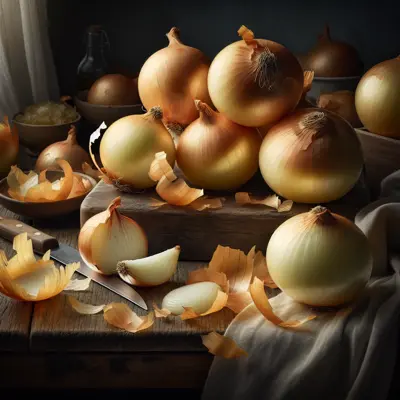
Juicy, sweet, regional favorite. In the Northwest, which has normal low winter temperatures above -10°F (-23°C), seed is sown in late August, and a crop of very large, flattened, ultra-mild onions is harvested early the next summer. SPRING PLANTING: Walla Walla may be spring planted using seeds or plants in colder regions where winter survival is hit or miss. It is not as big or sweet as the wintered-over crop, but still milder and juicier than others from spring planting. Nice as a "green top" onion. Not for storage. Adaptation: 35-55° latitude. Also offered organic, and as plants.
Harvest
125-140d
Days to harvest
Sun
Full sun
Zones
5–10
USDA hardiness
Height
12-18 inches
Planting Timeline
Showing dates for Walla Walla Sweet Onion in USDA Zone 7
All Zone 7 allium →Zone Map
Click a state to update dates
Walla Walla Sweet Onion · Zones 5–10
Growing Details
Succession Planting
Walla Walla is a long-season onion at 125–140 days, and it doesn't suit succession planting — you direct sow once in late winter to early spring, then wait. In zone 7, direct sow from March through May; any later and the bulbs won't size up before summer heat shuts down development. One planting per season is all you get with this one.
Complete Growing Guide
The Walla Walla's exceptional sweetness and mild flavor depend entirely on timing: in mild-winter regions (above -10°F), sow seed in late August for a winter crop that produces larger, sweeter bulbs than spring plantings, while in colder areas, spring planting with seeds or transplants is necessary, though the resulting onions will be smaller and less sweet. This cultivar requires 125–140 days to mature and thrives between 35–55° latitude where cool-season growth is possible. Walla Walla onions are not storage varieties and should be used fresh within weeks of harvest; they also tend toward bolting if exposed to temperature fluctuations or day-length stress, so maintain consistent moisture and avoid transplant shock. A practical tip: if growing from sets rather than seed, choose smaller sets to reduce bolting risk, and space plants 4–6 inches apart to allow the flattened bulbs adequate room to develop their characteristic shape and size.
Light: Full sun (6 or more hours of direct sunlight a day). Soil: High Organic Matter, Loam (Silt), Sand. Soil pH: Alkaline (>8.0), Neutral (6.0-8.0). Drainage: Good Drainage, Moist. Height: 1 ft. 0 in. - 1 ft. 6 in.. Spread: 0 ft. 6 in. - 1 ft. 0 in.. Spacing: Less than 12 inches, 12 inches-3 feet. Maintenance: Medium. Regions: Coastal, Mountains, Piedmont.
Harvesting
Walla Walla Sweet Onions reach peak harvest readiness when the bulbs flatten noticeably and the outer skin turns golden-brown, typically after 125–140 days of growth. The tops will naturally begin to fall over and dry down, signaling maturity; gently squeeze the bulb to confirm firmness without soft spots. Unlike storage onions requiring full curing, Walla Wallas are best harvested continuously as individual bulbs mature rather than in a single pull, preserving the tender, juicy quality that defines the variety. For maximum sweetness, time your harvest for early summer in fall-planted crops, as the mild days and cool nights of late spring intensify the characteristic flavor development before heat stress occurs.
Flowers wither and convert to bulblets
Type: Capsule.
Harvest time: Summer
Edibility: The bulb and tops are edible raw or cooked. However, the plant also has poisonous characteristics as noted in the "Poisonous to Humans" section of this record. Toxicity can depend on the age of the person or animal, the age of the plant, the part of the plant ingested, how much is ingested, whether the person or animal has sensitivities or allergies, whether it's eaten raw or cooked, and so forth. Consult with a medical professional for further details.
Storage & Preservation
Walla Walla sweet onions are not long-term storage varieties due to their high water content and low sulfur levels. Store fresh onions in a cool, dry place with good air circulation — never in plastic bags. At room temperature, they'll keep 2-3 weeks; refrigerated, up to 2 months.
For preservation, freezing works exceptionally well for Walla Wallas. Chop and freeze in portions for cooking — they'll last 6-8 months. Their natural sweetness makes them perfect for caramelizing and freezing in recipe-sized portions.
Dehydrating is another excellent option due to their low sulfur content. Slice thin and dehydrate at 125°F until crisp. Pickled Walla Walla onions showcase their mildness beautifully — use a basic vinegar brine with minimal spices to let their sweetness shine through. Store pickled onions in the refrigerator for up to 3 months.
History & Origin
The Walla Walla Sweet Onion likely descended from Italian onion varieties brought to the region by early settlers, though detailed documentation of its specific origin remains sparse. The variety became firmly established in the Walla Walla Valley of Washington and Oregon during the late nineteenth century, where the region's climate and soil proved ideal for cultivating exceptionally mild, sweet onions. Local farmers developed and refined the variety through generations of selection, though no single breeder or founding date is well documented. By the early twentieth century, Walla Walla Sweet Onions had achieved regional prominence and remain a distinctive agricultural product linked to their place of origin.
Origin: Central Asia and central Persia
Advantages
- +Exceptionally sweet and mild flavor with very low sulfur content
- +Produces very large, flattened onions in fall-planted Northwest crops
- +Juicy texture superior to spring-planted onions or other varieties
- +Can be spring planted in colder regions as viable alternative
- +Suitable for fresh eating and nice as immature green-top onion
Considerations
- -Vulnerable to multiple diseases including fusarium basal rot and downy mildew
- -Susceptible to onion thrips, onion maggots, and cutworm pest damage
- -Cannot be stored long-term, requiring prompt use after harvest
- -Spring-planted crops yield smaller, less sweet onions than fall-planted crops
Companion Plants
Carrots are the most practical neighbor here — their roots push down 12 or more inches while Walla Walla bulbs sit near the surface, so there's no real competition for water or nutrients, and the onion's sulfur compounds help mask the scent that draws carrot fly. Cabbage and broccoli get a similar benefit, since a dense planting of alliums muddies the chemical signals cabbage loopers use to find brassica leaves. Beans and peas are a different story: in our zone 7 Georgia garden, both crops overlap with onions in the spring window, and onions produce allelopathic compounds that measurably stunt legume root development — so keep them 10 or more feet apart, or on opposite beds entirely.
Plant Together
Carrots
Onions repel carrot flies while carrots help break up soil for onion bulb development
Tomatoes
Onions deter tomato hornworms and aphids, while tomatoes don't compete for nutrients
Cabbage
Onions repel cabbage worms, cabbage loopers, and other brassica pests
Lettuce
Shallow-rooted lettuce doesn't compete with onion bulbs and benefits from onion's pest-repelling properties
Peppers
Onions deter aphids and other soft-bodied insects that commonly attack pepper plants
Strawberries
Onions repel slugs, aphids, and other strawberry pests while not competing for space
Roses
Onions repel aphids, black spot fungus, and other rose pests when planted nearby
Broccoli
Onions deter cabbage moths and flea beetles that commonly damage brassicas
Keep Apart
Beans
Onions can inhibit bean growth and nitrogen fixation, reducing bean yields
Peas
Onions stunt pea growth and interfere with their nitrogen-fixing capabilities
Asparagus
Onions can inhibit asparagus spear development and overall plant vigor
Nutrition Facts
Per 100g serving. % Daily Value based on 2,000 calorie diet. Source: USDA FoodData Central (FDC #170000)
Pests & Disease Resistance
Resistance
Moderate resistance to pink root and fusarium basal rot
Common Pests
Onion thrips, onion maggots, cutworms
Diseases
Pink root, fusarium basal rot, downy mildew, purple blotch
Troubleshooting Walla Walla Sweet Onion
What you'll see, why it happens, and what to do about it.
Leaf tips silvering or streaking, tiny black specks visible on foliage, plants stunted in late spring
Likely Causes
- Onion thrips (Thrips tabaci) — populations explode in hot, dry stretches and hide deep in the leaf sheaths
- Overcrowded planting at less than 4-inch spacing trapping heat and reducing airflow
What to Do
- 1.Spray plants with a strong jet of water early in the morning to knock thrips off — do this 3 days in a row
- 2.Apply spinosad (an OMRI-listed insecticide) if populations persist after 5–7 days of physical control
- 3.Thin plants to at least 4-inch spacing so foliage dries faster and thrips have fewer sheltered gaps
Bulbs soft and rotten at the base with pinkish-red discoloration on roots, visible at harvest
Likely Causes
- Pink root (Phoma terrestris) — a soil-borne fungus that persists for years in beds where alliums are grown repeatedly
- Fusarium basal rot (Fusarium oxysporum f. sp. cepae) — often co-occurs, especially in wet, warm soils above 75°F
What to Do
- 1.Pull and discard affected plants immediately — don't compost them
- 2.Rotate onion beds on a minimum 3-year cycle away from all alliums (onions, garlic, leeks)
- 3.Improve drainage with 2–3 inches of compost worked in before planting; both pathogens thrive in waterlogged soil
Frequently Asked Questions
How long do Walla Walla sweet onions take to grow from seed?▼
Can you grow Walla Walla onions in containers?▼
What's the difference between Walla Walla and Vidalia onions?▼
When should I plant Walla Walla onion seeds?▼
Are Walla Walla sweet onions good for beginners?▼
Why are my Walla Walla onions not sweet?▼
Zone-by-Zone Planting Calendar
| Zone | Indoor Start | Transplant | Direct Sow | Harvest |
|---|---|---|---|---|
| Zone 1 | — | — | June – July | October – September |
| Zone 2 | — | — | May – July | September – September |
| Zone 11 | — | — | January – February | April – December |
| Zone 12 | — | — | January – February | April – December |
| Zone 13 | — | — | January – February | April – December |
| Zone 3 | — | — | May – June | September – October |
| Zone 4 | — | — | April – June | September – October |
| Zone 5 | — | — | April – May | August – November |
| Zone 6 | — | — | April – May | August – November |
| Zone 7 | — | — | March – May | July – November |
| Zone 8 | — | — | March – April | July – December |
| Zone 9 | — | — | February – March | June – December |
| Zone 10 | — | — | January – March | May – December |
Growing Guides from Wind River Greens
Sources & References
External authority sources used in compiling this guide.
See the Methodology page for how this data is sourced, what's AI-assisted, and known limitations.