Candy Onion
Allium cepa
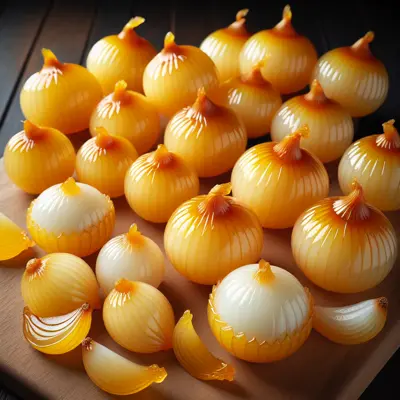
Slightly flattened yellow onion has potential for large size, especially when sown for overwintering in its optimum 33-40° latitude range. A Walla Walla-type for growing farther south. Also offered as plants.
Harvest
100-110d
Days to harvest
Sun
Full sun
Zones
5–10
USDA hardiness
Height
12-18 inches
Planting Timeline
Showing dates for Candy Onion in USDA Zone 7
All Zone 7 allium →Zone Map
Click a state to update dates
Candy Onion · Zones 5–10
Growing Details
Succession Planting
Candy Onion doesn't suit true succession planting the way lettuce or radishes do — each bulb takes 100-110 days and produces once. That said, staggering direct sowings by 2-3 weeks starting in March spreads out harvest pressure rather than forcing you to pull everything in a single week. Stop sowing by early May in zone 7; seeds started after that won't have enough cool-season growing time to size up before summer heat pushes them into early dormancy.
If you want onions across a longer window, pair Candy Onion (a sweet intermediate-day type) with a short-day variety like 'Texas 1015' started in fall for a spring harvest. Two distinct harvests, no forcing a single variety to do work it's not bred for.
Complete Growing Guide
For maximum sweetness and potential size, plant Candy Onion in fall within its optimal 33-40° latitude range, or treat as a spring onion elsewhere; this long-day variety needs adequate cool hours to develop properly. Space bulbs 4-6 inches apart in well-draining, fertile soil with consistent moisture—inconsistent watering reduces flavor quality and increases splitting. The low sulfur content that makes these onions exceptionally mild also means they're more susceptible to fungal diseases in humid conditions, so ensure good air circulation and avoid overhead watering. Watch for bolting in spring if winter temperatures fluctuate dramatically; premature flowering wastes energy meant for bulb development. A practical tip: harvest when tops naturally fall over rather than forcing them down, as this timing ensures full maturity and better storage potential, which is crucial for this large-bulbing type.
Light: Full sun (6 or more hours of direct sunlight a day). Soil: High Organic Matter, Loam (Silt), Sand. Soil pH: Alkaline (>8.0), Neutral (6.0-8.0). Drainage: Good Drainage, Moist. Height: 1 ft. 0 in. - 1 ft. 6 in.. Spread: 0 ft. 6 in. - 1 ft. 0 in.. Spacing: Less than 12 inches, 12 inches-3 feet. Maintenance: Medium. Regions: Coastal, Mountains, Piedmont.
Harvesting
Candy Onions reach peak harvest readiness when their papery outer skin turns golden yellow and the bulbs feel firm and substantial in your hand, typically weighing 4-6 ounces or larger in optimal growing conditions. Watch for the characteristic slight flattening of the bulb shape and monitor for the telltale sign of neck softening, which indicates the plant has completed its growth cycle. You can harvest continuously by pulling individual mature bulbs as needed, or wait for the entire crop to mature simultaneously for a single harvest when approximately 20-30 percent of the tops have fallen over. For overwintered plantings in the 33-40° latitude range, time your final harvest before hot summer temperatures arrive, as extended heat can compromise the onions' renowned sweetness and storage quality.
Flowers wither and convert to bulblets
Type: Capsule.
Harvest time: Summer
Edibility: The bulb and tops are edible raw or cooked. However, the plant also has poisonous characteristics as noted in the "Poisonous to Humans" section of this record. Toxicity can depend on the age of the person or animal, the age of the plant, the part of the plant ingested, how much is ingested, whether the person or animal has sensitivities or allergies, whether it's eaten raw or cooked, and so forth. Consult with a medical professional for further details.
Storage & Preservation
Fresh Candy Onions store for 2-4 months in cool (32-40°F), dry conditions with good air circulation. Unlike storage onions, these sweet varieties have higher water content and softer necks, limiting long-term storage. Store cured bulbs in mesh bags or ventilated crates—never in plastic bags which trap moisture.
For shorter-term storage, keep uncured bulbs refrigerated for up to 3 weeks, perfect for showcasing their sweet, crisp texture. Slice and freeze on baking sheets, then transfer to freezer bags for 8-10 months—ideal for cooked dishes though texture becomes soft. Candy Onions make excellent pickled onions due to their mild flavor and firm texture. Their low sulfur content also makes them perfect for dehydrating into sweet onion powder, though they're honestly too delicious fresh to preserve extensively.
History & Origin
The Candy Onion represents a modern development within the Walla Walla breeding line, a group of sweet, mild onions originally associated with the Walla Walla Valley of Washington State. While comprehensive documentation of its specific breeder and introduction year remains limited in publicly available sources, the variety reflects mid-to-late twentieth-century seed company work aimed at adapting the mild Walla Walla type for broader geographic cultivation, particularly in southern regions where the original variety struggled. Its designation as a "Walla Walla-type" confirms its direct genetic inheritance from that heritage variety, with selective breeding focused on extending its growing range and maintaining its signature low-sulfur sweetness across different climatic zones.
Origin: Central Asia and central Persia
Advantages
- +Exceptionally sweet and mild flavor makes Candy Onion ideal for fresh eating.
- +Low sulfur content reduces tear-inducing compounds when cutting or cooking.
- +Can reach large size when overwintered in optimal 33-40 degree latitude.
- +Easy to moderate difficulty suitable for both beginner and experienced gardeners.
- +Available as both seeds and plants for flexible growing options.
Considerations
- -Susceptible to onion maggot damage, requiring preventative pest management strategies.
- -Prone to neck rot during storage, limiting long-term keeping quality.
- -Requires optimal latitude range for maximum size potential; southern growers get smaller bulbs.
- -Vulnerable to downy mildew and purple blotch fungal diseases in humid conditions.
Companion Plants
Carrots share a bed with Candy Onion without much friction because their root systems barely overlap — carrots push down 8-12 inches while onion roots stay in the top 4-6 inches of the soil column. NC State Extension notes a secondary benefit: onion odor disrupts carrot fly, and carrot foliage in turn can throw off the egg-laying behavior of onion fly (Delia antiqua). Brassicas like cabbage and broccoli get a real boost from proximity, since the sulfur compounds in allium foliage have documented deterrent effects on aphids and some caterpillar pests. Tomatoes and peppers slot in as reasonable row neighbors — compatible water requirements and no allelopathic conflict either direction.
Beans and peas need to stay on the far side of the garden. Allium root exudates suppress legume germination and early growth noticeably, and a few feet of separation doesn't neutralize it. Asparagus beds are perennial investments you don't want disrupted by annual tillage anyway, and there's documented mutual growth suppression between the two genera — keep at least 10 feet between them.
Plant Together
Carrots
Onions repel carrot flies while carrots help break up soil for onion bulb development
Tomatoes
Onions deter aphids, spider mites, and hornworms from tomato plants
Brassicas (Cabbage, Broccoli)
Onions repel cabbage worms, flea beetles, and other brassica pests
Lettuce
Onions provide natural pest protection while lettuce acts as a living mulch
Peppers
Onions deter aphids and other soft-bodied insects that attack pepper plants
Strawberries
Onions repel slugs and aphids that commonly damage strawberry plants
Roses
Onions help prevent black spot and aphid infestations on roses
Cucumber
Onions repel cucumber beetles and other pests while not competing for nutrients
Keep Apart
Beans
Onions can inhibit nitrogen fixation and stunt the growth of bean plants
Peas
Onions release compounds that can reduce pea plant growth and pod development
Asparagus
Both compete for similar soil nutrients and onions can inhibit asparagus spear production
Nutrition Facts
Per 100g serving. % Daily Value based on 2,000 calorie diet. Source: USDA FoodData Central (FDC #170000)
Pests & Disease Resistance
Resistance
Good hybrid vigor with resistance to pink root and basal rot
Common Pests
Onion maggot, thrips, cutworms
Diseases
Downy mildew, purple blotch, neck rot
Troubleshooting Candy Onion
What you'll see, why it happens, and what to do about it.
Seedlings cut off at soil level overnight, usually in the first 2 weeks after direct sowing
Likely Causes
- Cutworms (Agrotis spp.) — fat, soil-dwelling caterpillars that feed at night
- Seedbed was previously in sod or weedy ground, which harbors overwintering cutworm pupae
What to Do
- 1.Press a cardboard or plastic collar 2 inches into the soil around each seedling cluster to block cutworm access
- 2.Apply Bacillus thuringiensis var. kurstaki (Bt) as a soil drench around the base of plants at dusk
- 3.Cultivate the bed shallowly before planting to expose and kill pupae
Thin silver streaking or papery scarring on leaves, sometimes with tiny black specks of frass, appearing from late spring onward
Likely Causes
- Onion thrips (Thrips tabaci) — nearly invisible, 1/25-inch insects that rasp leaf tissue and feed in the leaf folds
- Hot, dry conditions above 85°F that accelerate thrips reproduction cycles
What to Do
- 1.Spray leaves — especially the inner folds — with insecticidal soap every 5-7 days until populations drop
- 2.Keep beds consistently irrigated at 1-1.5 inches per week; drought-stressed onions take the worst of it
- 3.Remove and bag heavily infested outer leaves; thrips overwinter in plant debris, so clear the bed thoroughly at season end
Maggot-tunneled, rotting bulbs at harvest, with wilted or yellowing tops that pull up too easily in June or July
Likely Causes
- Onion maggot (Delia antiqua) — the larva of a small gray fly that lays eggs at the base of onion stems in spring
- Planting alliums in the same bed two years running, which lets fly populations build in the soil
What to Do
- 1.Cover the bed with floating row cover immediately after direct sowing and leave it on until bulbing begins — the fly can't lay eggs through it
- 2.Rotate onions to a fresh bed at least 2 seasons away from any previous allium planting
- 3.Destroy (don't compost) any infested bulbs to break the life cycle
Soft, water-soaked necks at harvest or in storage, with gray fuzzy mold developing within a few weeks of pulling
Likely Causes
- Neck rot (Botrytis allii) — a fungal pathogen that enters through neck tissue, especially when tops are still wet at harvest
- Pulling bulbs before the tops have fully fallen and dried down on their own
What to Do
- 1.Wait until at least 80% of the tops have fallen over naturally before pulling — Candy Onion runs 100-110 days, so don't rush the last two weeks
- 2.Cure bulbs in a single layer in a dry, shaded spot with good airflow for 2-3 weeks before storing; necks must be completely papery
- 3.Don't harvest right after rain; give the tops at least 2 dry days first
Frequently Asked Questions
How long does Candy Onion take to grow from seed?▼
Can you grow Candy Onions in containers?▼
What does Candy Onion taste like compared to regular onions?▼
When should I plant Candy Onion seeds?▼
Are Candy Onions good for beginners?▼
Can I save seeds from Candy Onions?▼
Zone-by-Zone Planting Calendar
| Zone | Indoor Start | Transplant | Direct Sow | Harvest |
|---|---|---|---|---|
| Zone 1 | — | — | June – July | September – September |
| Zone 2 | — | — | May – July | September – September |
| Zone 11 | — | — | January – February | April – December |
| Zone 12 | — | — | January – February | April – December |
| Zone 13 | — | — | January – February | April – December |
| Zone 3 | — | — | May – June | August – October |
| Zone 4 | — | — | April – June | August – October |
| Zone 5 | — | — | April – May | July – November |
| Zone 6 | — | — | April – May | July – November |
| Zone 7 | — | — | March – May | July – November |
| Zone 8 | — | — | March – April | June – December |
| Zone 9 | — | — | February – March | May – December |
| Zone 10 | — | — | January – March | May – December |
Growing Guides from Wind River Greens
Sources & References
External authority sources used in compiling this guide.
See the Methodology page for how this data is sourced, what's AI-assisted, and known limitations.