Zone 8 Coverage
Planting Timeline — All Varieties
Growing Berries & Fruits in Zone 8
Zone 8 offers berry growers an enviable 240-day growing season that runs from mid-March through mid-November – long enough to support both early and late-season varieties, plus everbearing types that produce multiple harvests. The moderate climate creates excellent conditions for most berry crops, though the extended warm periods can stress some northern varieties and increase pest pressure during summer months. Your biggest advantages are the ability to grow heat-tolerant southern varieties alongside carefully selected northern cultivars, plus enough season length for thorough plant establishment before winter.
When selecting varieties for Zone 8, prioritize heat tolerance and disease resistance over cold hardiness – most berry plants will handle your winter temperatures just fine, but summer stress and fungal issues are your real challenges. Look for varieties specifically bred for southern conditions or those with proven track records in similar climates. The extended season also means you can mix early, mid, and late-season varieties to spread your harvest from late spring through early fall, maximizing both fresh eating and preservation opportunities.
Variety Comparison
| Variety ↑ | Days | Difficulty |
|---|---|---|
| Alexandria | 100-120 | Moderate |
| Anne Golden Raspberry | — | Easy to moderate |
| Apache Thornless Blackberry | — | Moderate |
| Aronia Berry (Chokeberry) | 80-90 | Very Easy |
| Black Pearl Ornamental Pepper | 70-80 | Easy |
| Bluecrop Blueberry | — | Easy to moderate |
| Blueray Blueberry | 60-70 | Moderate |
| Boyne Red Raspberry | — | Easy |
| Brightwell Rabbiteye Blueberry | 60-70 | Moderate |
| Caroline Red Raspberry | — | Moderate |
| Chester Thornless Blackberry | 730 | Moderate |
| Duke Blueberry | 1095-1460 | Moderate |
| Elan | 100-120 | Moderate |
| Elliott Blueberry | — | Moderate |
| Emerald Blueberry | 60-90 | Easy to Moderate |
| Everbearing Red Raspberry | — | Easy |
| Fall Gold Everbearing Raspberry | 75-85 | Easy |
| Goji Berry (Wolfberry) | 120-150 | Easy |
| Goldie | 75 | Moderate |
| Heritage Red Raspberry | 365-730 | Easy |
| Honeyberry (Haskap) | 730-1095 | Easy |
| Jewel Black Raspberry | 60-70 | Moderate |
| Kiowa Thornless Blackberry | 60-70 | Moderate |
| Legacy Blueberry | — | Moderate |
| Natchez Thornless Blackberry | — | Moderate |
Variety Details
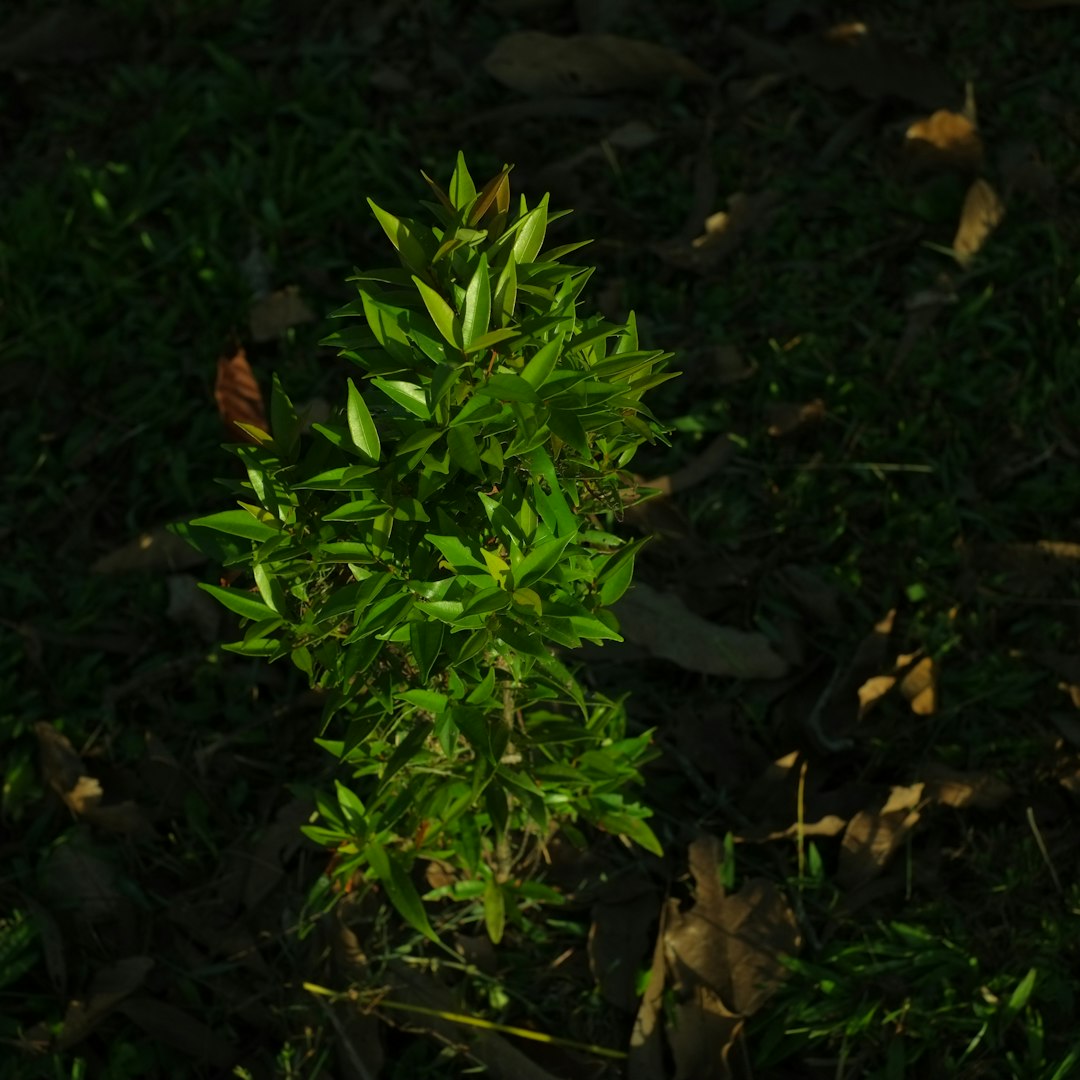
Alexandria
Day-neutral. A gourmet treat and easy landscape plant. These decorative little plants produce delicious, aromatic red strawberries, about twice the size of wild berries but much smaller than the standard type. Perennials, Alpine strawberries stay compact and produce few runners, making them suitable for rock gardens, path edgings, pots, and window boxes. Initial harvest begins the first year, with full harvest beginning the second year. Grows best in Zones 5-8.Edible Flowers: Flowers add a mild, strawberry-like flavor if sprinkled on salads or when used as a garnish for drinks and desserts.
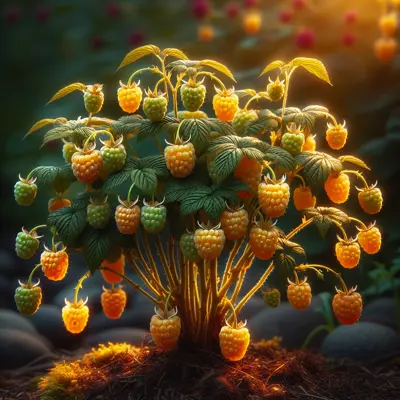
Anne Golden Raspberry
A stunning everbearing yellow raspberry that produces sweet, honey-flavored berries from summer through fall. This primocane variety offers the unique appeal of golden-yellow fruit that's less attractive to birds while delivering exceptional sweetness and a delicate, almost tropical flavor. Anne's thornless canes and compact growth habit make it ideal for small gardens and containers.
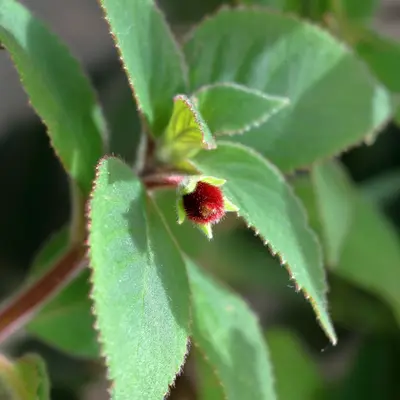
Apache Thornless Blackberry
A premium thornless blackberry variety developed by the University of Arkansas, producing some of the largest and sweetest blackberries available to home gardeners. This erect-growing variety requires no trellising and produces heavy crops of glossy black berries with exceptional flavor and firmness. Apache's self-supporting canes and extended harvest period make it ideal for gardeners wanting maximum fruit production with minimal maintenance.
Aronia Berry (Chokeberry)
Often called the ultimate superfruit, aronia berries pack more antioxidants than blueberries, goji berries, or acai. These native North American shrubs are incredibly hardy and adaptable, thriving where other berries struggle. While tart when fresh, they transform into delicious jams, juices, and baked goods while providing exceptional nutritional benefits.
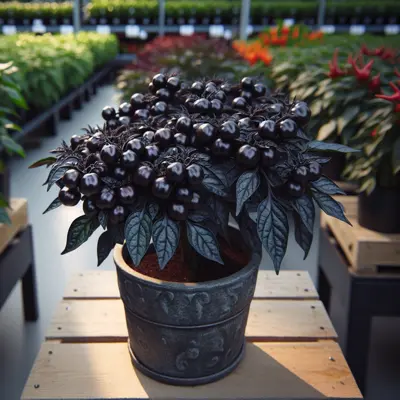
Black Pearl Ornamental Pepper
A stunning ornamental pepper with jet-black foliage and small, round berries that mature from black to red. Winner of the All-America Selections award, this compact plant serves double duty as both landscape accent and edible crop. The berries pack serious heat while adding dramatic color to gardens and containers.
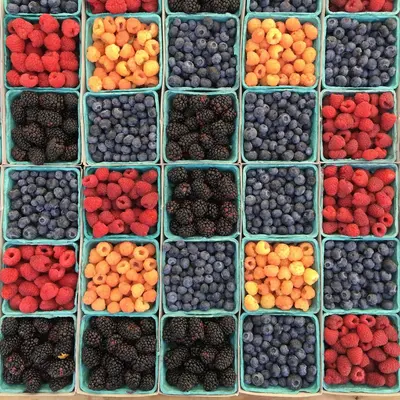
Bluecrop Blueberry
The gold standard of highbush blueberries and America's most widely planted variety for good reason. This mid-season producer yields large, flavorful berries with excellent storage quality and consistent annual crops. Bluecrop's exceptional cold hardiness, disease resistance, and reliable performance make it the perfect choice for beginner blueberry growers.
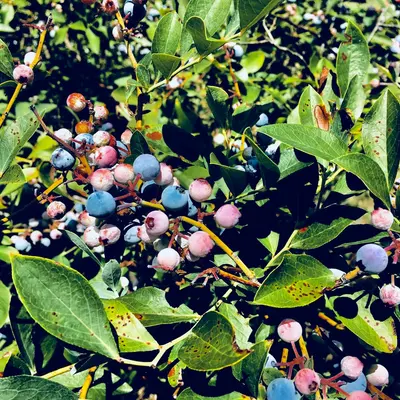
Blueray Blueberry
A premier northern highbush blueberry developed by the USDA, prized for its exceptionally large, firm berries and outstanding flavor. This vigorous grower produces heavy crops of light blue berries with excellent storage quality, making it a favorite for both fresh eating and preserving. The attractive spring flowers and brilliant fall foliage add ornamental value to any landscape.
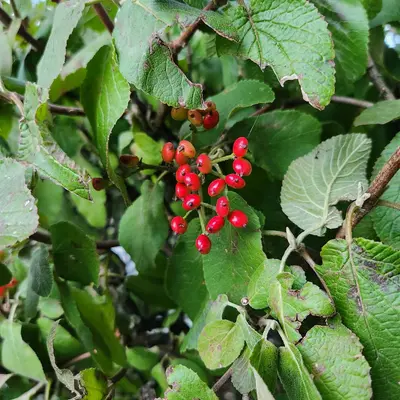
Boyne Red Raspberry
An exceptionally hardy red raspberry developed in Manitoba, Canada, capable of surviving temperatures down to -40°F without winter protection. This early-ripening variety produces medium-sized, bright red berries with excellent flavor and remarkable productivity despite its compact size. Boyne is perfect for northern gardeners who thought raspberries were impossible to grow in their climate.
Brightwell Rabbiteye Blueberry
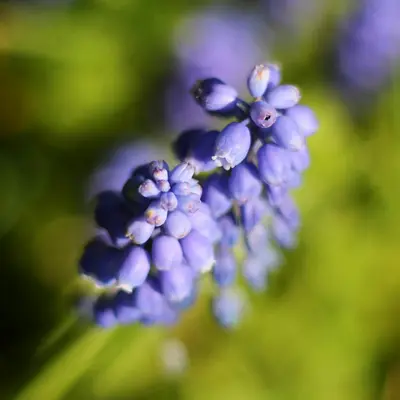
A premium rabbiteye blueberry variety developed by the University of Georgia, prized for its exceptionally large, firm berries with outstanding sweet flavor. This vigorous, upright bush produces heavy yields of light blue fruit that stores and ships better than most varieties. Perfect for hot, humid climates where Northern highbush varieties struggle.
Caroline Red Raspberry
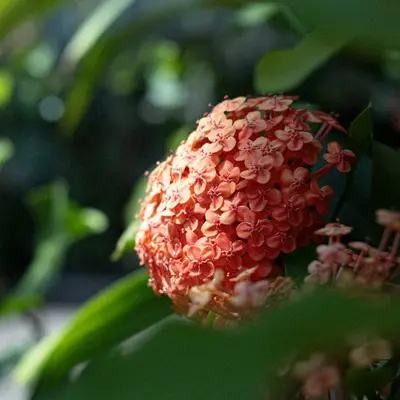
A premium everbearing red raspberry that produces two crops per year - a summer harvest on second-year canes and a heavy fall crop on first-year canes. Known for exceptional fruit quality with large, firm berries that have outstanding flavor and excellent shelf life. This disease-resistant variety thrives in hot climates better than most raspberries, making it perfect for challenging growing conditions.
Chester Thornless Blackberry
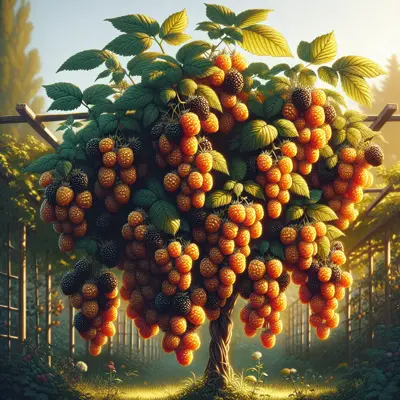
The premier thornless blackberry variety, offering large, sweet berries without the painful thorns that make harvesting difficult. Chester produces heavy crops of firm, flavorful berries in late summer that are perfect for fresh eating and hold their shape beautifully in pies and jams. This semi-erect variety combines exceptional productivity with excellent disease resistance and cold hardiness.
Duke Blueberry
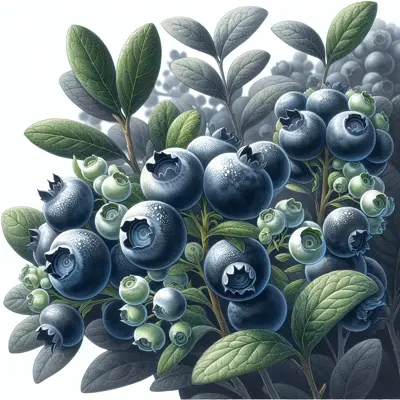
One of the finest early-season blueberry varieties, producing large, firm berries with exceptional sweet flavor in mid-June. Duke offers reliable annual production and excellent cold hardiness, making it a favorite among northern gardeners. The upright, vigorous bushes also provide beautiful white spring flowers and stunning orange-red fall foliage.
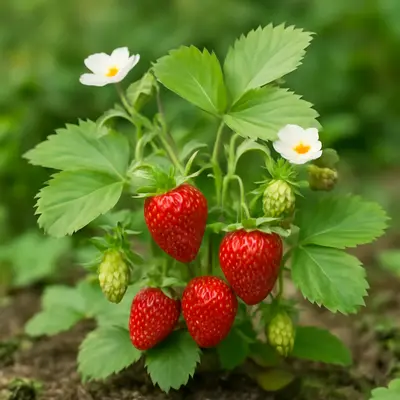
Elan
Elan has a vigorous habit (many runners) and white flowers that produce medium-size, conical berries with intensely sweet flavor. Suitable for field, greenhouse, and container production. Produces fruit the first year and bears from June through frost. Grows best in Zones 5-8.Edible Flowers: Flowers add a mild, strawberry-like flavor if sprinkled on salads or when used as a garnish for drinks and desserts.
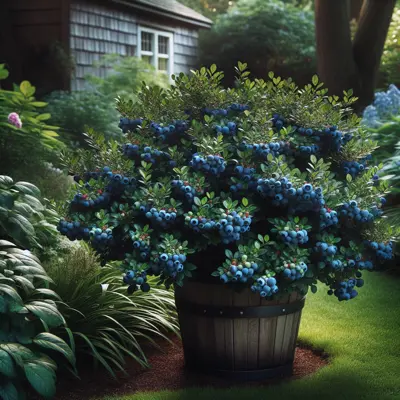
Elliott Blueberry
The season extender that blueberry enthusiasts dream about, Elliott produces sweet, firm berries well into late summer when other varieties have finished. This vigorous highbush variety offers excellent cold hardiness and consistent heavy yields of medium-large berries with exceptional storage quality. Its extended harvest period makes it invaluable for home gardeners wanting fresh blueberries from July through September.
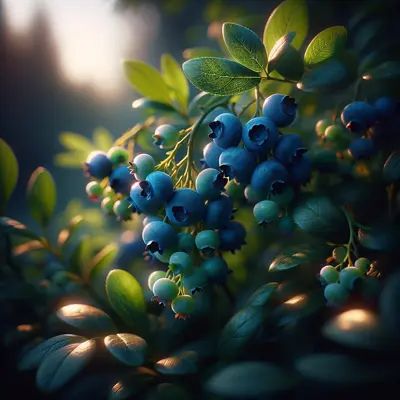
Emerald Blueberry
A revolutionary southern highbush blueberry that produces massive, sweet berries without requiring winter chill hours. Perfect for warm climates where traditional blueberries struggle, Emerald offers exceptional fruit quality with a long harvest season that extends from late spring through early summer.
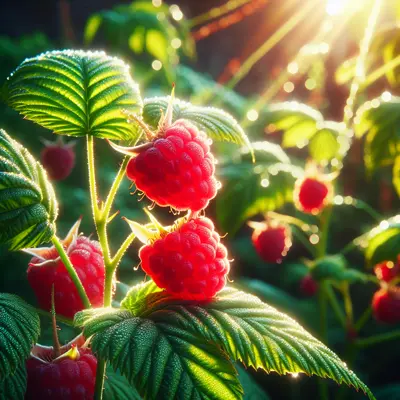
Everbearing Red Raspberry
A prolific everbearing raspberry that delivers two harvests per year - a summer crop on second-year canes and a fall crop on first-year canes. Known for producing large, firm berries with excellent flavor and superior keeping quality, making it a favorite among home gardeners seeking extended harvests.
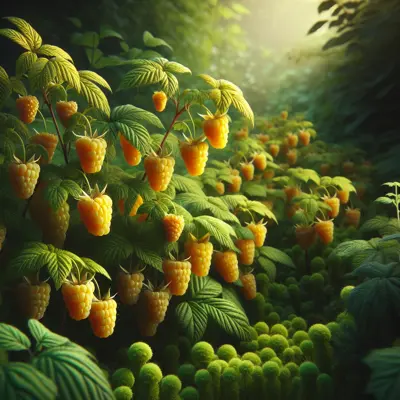
Fall Gold Everbearing Raspberry
A unique yellow-fruited everbearing raspberry that produces sweet, mild berries on current-year canes. This thornless variety offers two harvests per year and exceptional cold hardiness. The golden berries are less acidic than red varieties, making them perfect for fresh eating and creating stunning dessert presentations.
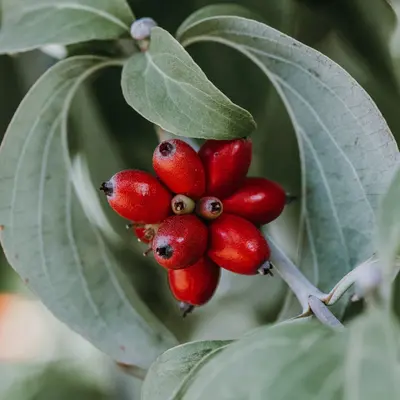
Goji Berry (Wolfberry)
An ancient superfruit gaining popularity among health-conscious gardeners for its exceptional nutritional value and antioxidant content. This hardy shrub produces bright red berries with a sweet-tart flavor reminiscent of cranberries. Once established, goji berries are extremely drought-tolerant and can produce for decades.
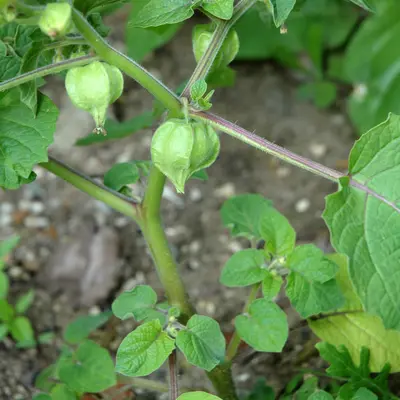
Goldie
A conversation piece at markets, well-liked by children. This old-fashioned tomato family member bears 1/2- 3/4" sweet golden berries inside papery husks, resembling small, straw-colored Japanese lanterns. The flavor is quite sweet and a bit wild. Plants are profusely branching, prolific, and drop ripe fruits. Fruits can be eaten raw, dried like raisins, frozen, canned, or made into preserves, cooked pies, and desserts.
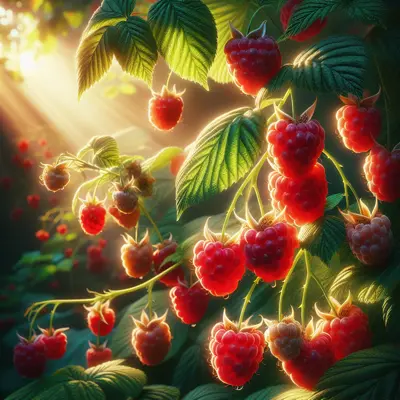
Heritage Red Raspberry
America's most popular everbearing raspberry variety, delivering two harvests per year with exceptional reliability. These medium-sized berries offer outstanding flavor and freeze beautifully, making them perfect for both fresh eating and preserving. Heritage is renowned for its disease resistance and ability to produce consistent crops even for novice gardeners.
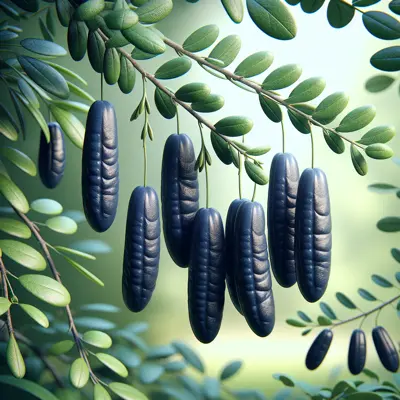
Honeyberry (Haskap)
An exciting superfruit that's gaining popularity among adventurous gardeners, producing unique elongated blue berries with a complex flavor reminiscent of blueberry-raspberry-cherry. These extremely cold-hardy bushes are among the first fruits to ripen in early summer, often ready weeks before strawberries. Honeyberries thrive in northern climates where other berries struggle and offer exceptional antioxidant content.
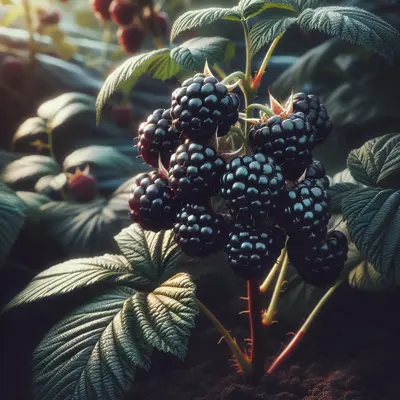
Jewel Black Raspberry
A premium black raspberry variety developed by Cornell University, prized for its exceptional sweet-tart flavor and firm, glossy berries. Jewel produces abundant crops of large, jet-black fruits that hold their shape beautifully for fresh eating or baking. This hardy variety offers excellent disease resistance and reliable harvests that make it a favorite among home gardeners.
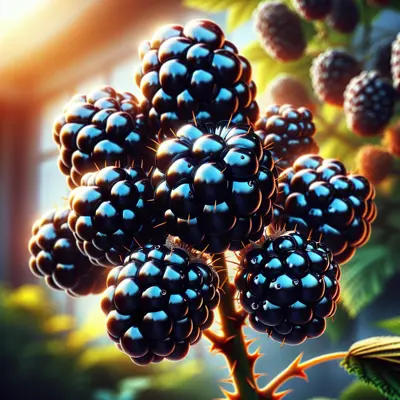
Kiowa Thornless Blackberry
The largest-fruited blackberry variety available, with berries often exceeding 1 inch in length and delivering exceptional sweet flavor with low acidity. Developed by the University of Arkansas, this erect, thornless variety produces massive yields on strong, self-supporting canes. Despite its size, Kiowa maintains excellent fruit quality and is considered one of the best-tasting blackberries for fresh eating.
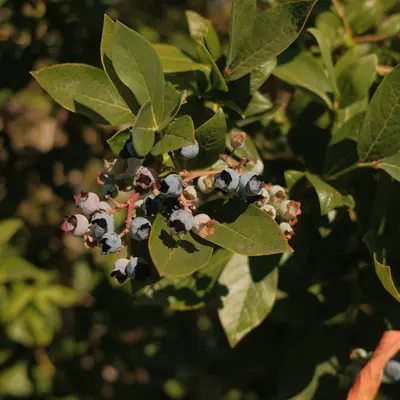
Legacy Blueberry
A late-season highbush blueberry prized for its enormous, firm berries that can reach the size of quarters. This vigorous variety produces consistently heavy crops of sweet, flavorful berries with excellent storage quality, making it perfect for fresh eating and preserving. Legacy's compact growth habit and beautiful fall foliage make it an attractive addition to any edible landscape.
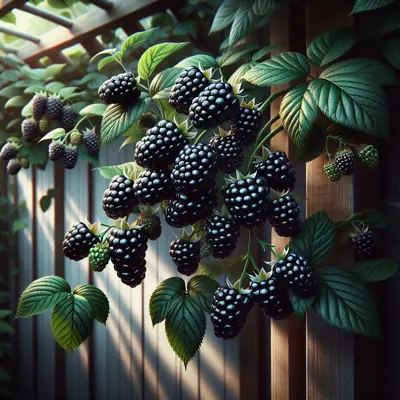
Natchez Thornless Blackberry
The earliest ripening thornless blackberry variety, producing huge, sweet berries up to two weeks before other cultivars. Developed by the University of Arkansas, Natchez offers exceptional flavor, impressive berry size, and vigorous disease-resistant canes that make harvesting a pleasure without thorns.
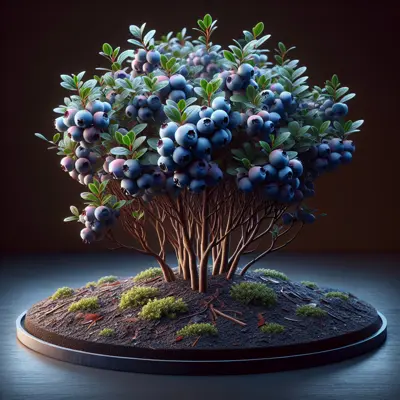
Northland Blueberry
A cold-hardy, half-high blueberry bush that's perfect for northern gardeners and smaller spaces. This reliable variety produces abundant crops of medium-sized, sweet berries and offers beautiful fall color, making it both productive and ornamental in the landscape.
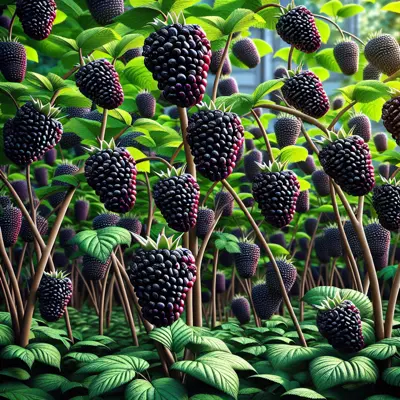
Ouachita Thornless Blackberry
A premium thornless blackberry that produces exceptionally large, sweet berries with outstanding flavor and firm texture. Developed by the University of Arkansas, this erect variety offers excellent disease resistance and consistent heavy yields without the hassle of thorns. Ouachita's berries maintain their quality longer than most varieties, making them perfect for fresh market sales or extended harvest enjoyment.
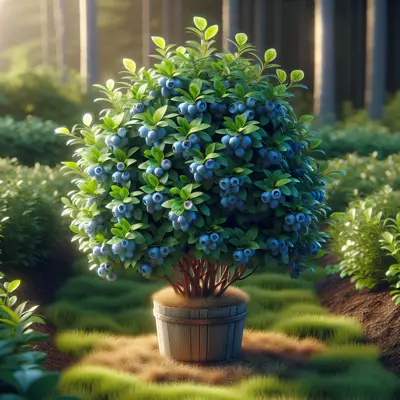
Patriot Blueberry
An exceptionally hardy northern highbush blueberry known for its consistent heavy yields and superior cold tolerance. This vigorous variety produces large, flavorful berries early in the season and demonstrates excellent resistance to root rot, making it ideal for challenging growing conditions and northern climates.
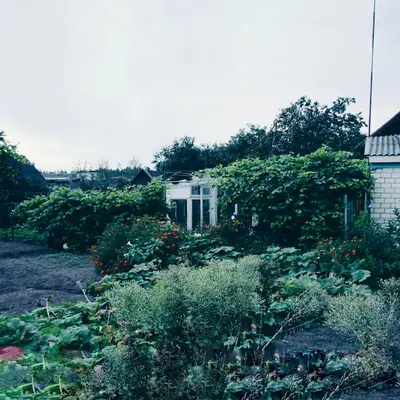
Prime-Ark 45 Blackberry
The first truly successful primocane-fruiting blackberry that produces large, firm berries on both first and second-year canes for extended harvests. This thornless variety delivers exceptional fruit quality with sweet, flavorful berries that rival the best traditional blackberries. The compact, manageable growth habit makes it perfect for home gardens where space is at a premium.
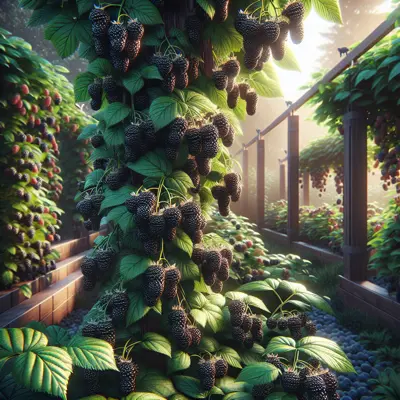
Prime-Ark Freedom Blackberry
A game-changing primocane blackberry that produces two crops annually on thornless canes, combining the best of both worlds - convenience and productivity. This University of Arkansas release offers large, firm berries with excellent flavor and the unique advantage of fruiting on first-year canes, extending your harvest season significantly.
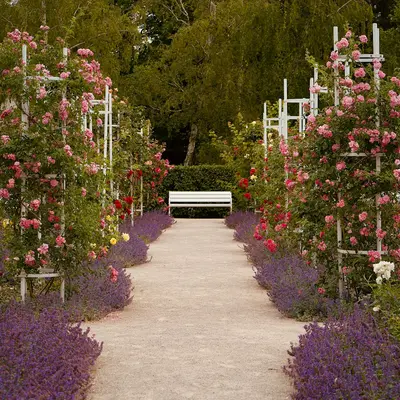
Royalty Purple Raspberry
A stunning purple raspberry variety that combines the best traits of red and black raspberries, producing large, sweet-tart berries with a unique wine-like flavor. Developed at Cornell University, this vigorous grower produces heavy yields on strong, self-supporting canes. The deep purple fruit is perfect for fresh eating and makes spectacular jams with incredible color.
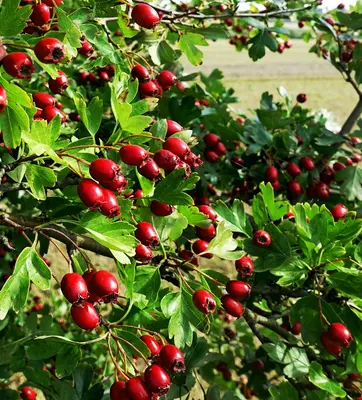
Saskatoon Berry (Serviceberry)
A native North American superfruit that's gaining popularity for its incredible health benefits and sweet, almond-like flavor. These hardy shrubs produce abundant crops of purple-blue berries and offer beautiful spring flowers and stunning fall foliage as bonus features. Perfect for edible landscaping and wildlife-friendly gardens.
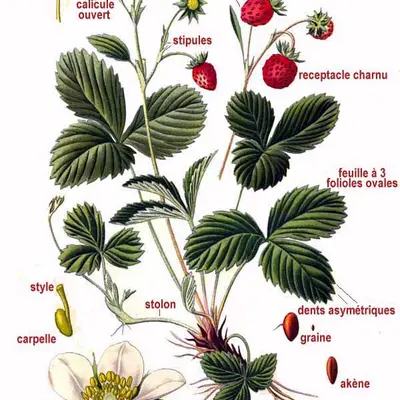
Summer Breeze Cherry Blossom
These gorgeous, everbearing, deep pink flowers are semidouble and put on a good show from midsummer to frost. No need for deadheading - this variety will continue to bloom even while it sets fruit. Let the flowers go by and enjoy bright red berries a few weeks later. Few runners. May overwinter with some pampering. Suitable for both container and in-ground growing. 10-12" plant with 1 1/2" flowers. Grows best in Zones 3-10.Edible Flowers: Mildly strawberry flavored blooms make for a tasty garnish.
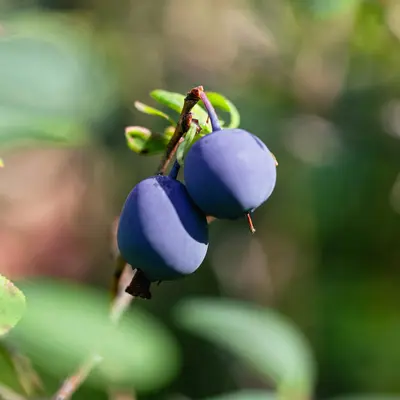
Tifblue Rabbiteye Blueberry
A heat-tolerant rabbiteye blueberry that thrives in Southern climates where northern varieties fail. This vigorous producer yields large, firm berries with excellent flavor and superior storage quality. Perfect for gardeners in hot, humid regions who want reliable blueberry harvests.
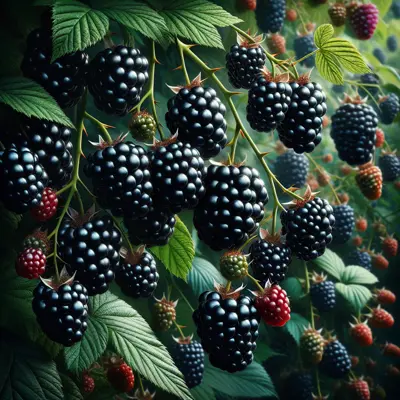
Triple Crown Blackberry
Living up to its royal name, Triple Crown delivers the perfect trifecta of thornless canes, exceptional fruit quality, and outstanding disease resistance. This semi-erect variety produces large, sweet blackberries with seeds so small they're barely noticeable, making every bite pure pleasure. Developed at the University of Arkansas, it's become the go-to choice for gardeners who want premium blackberries without the painful thorns.
Zone 8 Growing Tips
Plant bare-root berry bushes in late February through early March, about 2-3 weeks before your average last frost of March 15th. This timing allows roots to establish in cool soil before the heat arrives, but avoid planting if soil is still frozen or waterlogged. Container plants can go in slightly later, through early April, but earlier is better for establishment. For strawberries, plant in early March for June-bearers and everbearers – they need that cool establishment period to develop strong root systems before summer stress hits.
Your main challenge will be managing summer heat and humidity, which can stress plants and encourage fungal diseases like anthracnose and powdery mildew. Plan for supplemental watering during dry spells, but ensure excellent drainage year-round – Zone 8's variable precipitation can swing from drought to soggy conditions quickly. Mulch heavily to moderate soil temperature and retain moisture, and consider afternoon shade for more sensitive varieties during peak summer. Many berry crops benefit from drip irrigation in your zone, as overhead watering in humid conditions invites disease problems.
Season Overview
Your March 15th average last frost date allows for early spring planting, while the November 15th first frost gives you one of the longest berry seasons in the country. This 240-day growing window means everbearing varieties like Albion strawberries and Heritage raspberries can produce substantial fall crops, often continuing right up to frost. Take advantage of your long season by planting a succession of varieties – start with early blueberries like Duke in June, continue through mid-season types like Chandler strawberries in July, and finish with late varieties like Elliott blueberries in September and October.