Zone 10 Coverage
Planting Timeline — All Varieties
Growing Berries & Fruits in Zone 10
Zone 10 presents both incredible opportunities and unique challenges for berry growing. With nearly 320 frost-free days from February through mid-December, you have an exceptionally long growing season that most gardeners can only dream of. However, the intense heat and humidity that define this zone can stress many traditional berry varieties, making variety selection absolutely critical for success.
The key to thriving berries in Zone 10 is choosing heat-tolerant cultivars and understanding that your main growing challenges will be managing summer heat stress, providing adequate water during dry periods, and dealing with the rapid pace of growth that warm temperatures encourage. Look for varieties specifically bred for southern climates or those with proven track records in hot, humid conditions.
Our carefully selected varieties for Zone 10 include heat-adapted blueberries like Emerald and Elliott, day-neutral strawberries that can handle warm weather, and robust brambles like Natchez and Prime-Ark Freedom that actually thrive in southern heat. These aren't just varieties that will survive in Zone 10 – they're selections that will genuinely flourish and produce abundant, flavorful fruit in your climate.
Variety Comparison
| Variety ↑ | Days | Difficulty |
|---|---|---|
| Alexandria | 100-120 | Moderate |
| Apache Thornless Blackberry | — | Moderate |
| Black Pearl Ornamental Pepper | 70-80 | Easy |
| Brightwell Rabbiteye Blueberry | 60-70 | Moderate |
| Elan | 100-120 | Moderate |
| Goji Berry (Wolfberry) | 120-150 | Easy |
| Goldie | 75 | Moderate |
| Summer Breeze Cherry Blossom | 70-100 | Moderate |
| Tifblue Rabbiteye Blueberry | 60-80 | Easy |
Variety Details
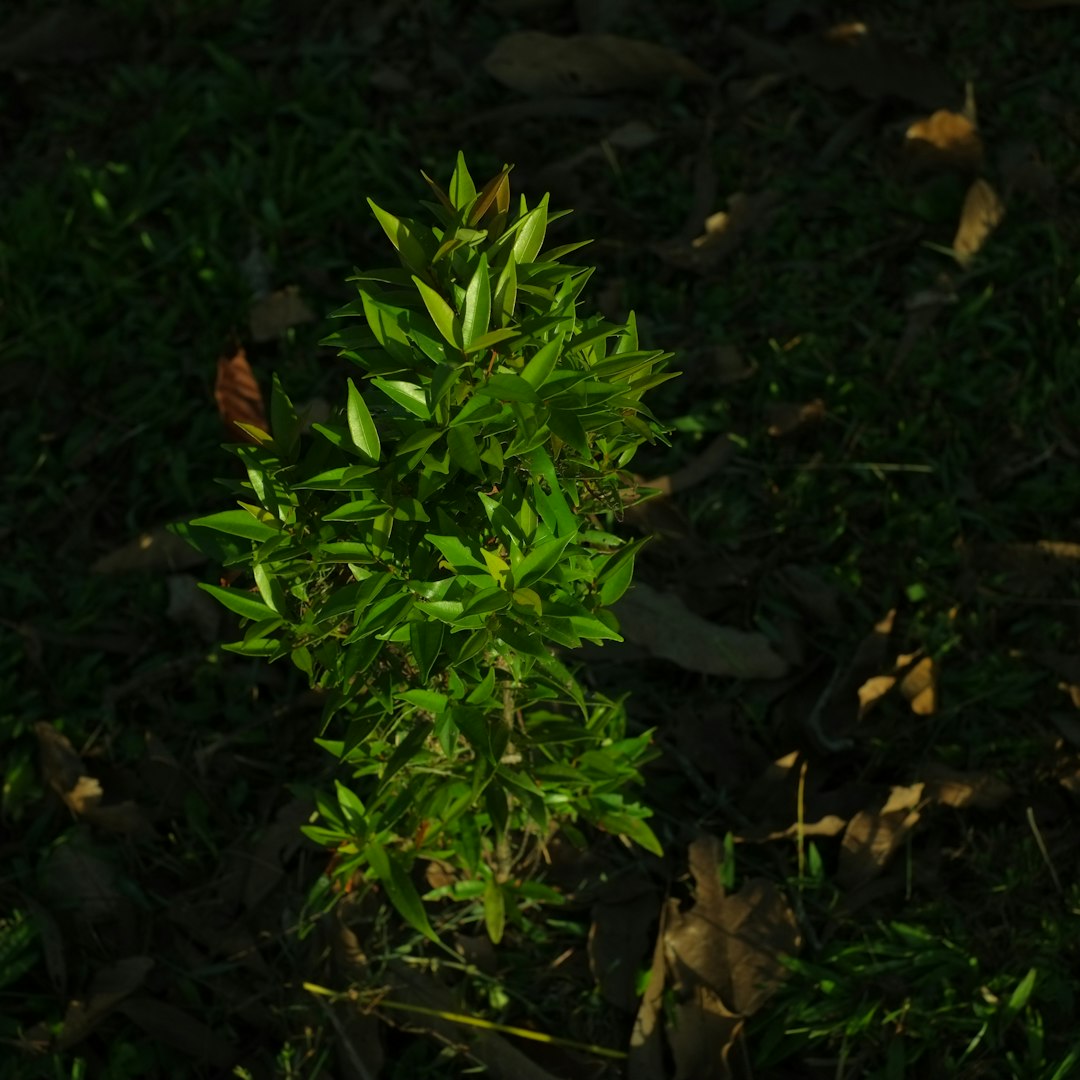
Alexandria
Day-neutral. A gourmet treat and easy landscape plant. These decorative little plants produce delicious, aromatic red strawberries, about twice the size of wild berries but much smaller than the standard type. Perennials, Alpine strawberries stay compact and produce few runners, making them suitable for rock gardens, path edgings, pots, and window boxes. Initial harvest begins the first year, with full harvest beginning the second year. Grows best in Zones 5-8.Edible Flowers: Flowers add a mild, strawberry-like flavor if sprinkled on salads or when used as a garnish for drinks and desserts.
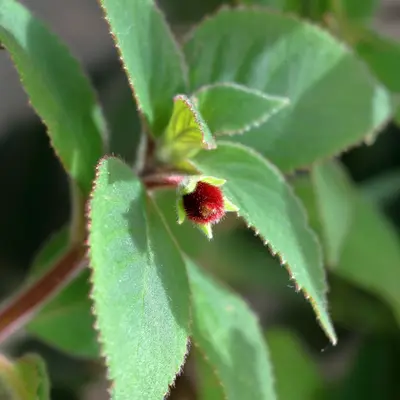
Apache Thornless Blackberry
A premium thornless blackberry variety developed by the University of Arkansas, producing some of the largest and sweetest blackberries available to home gardeners. This erect-growing variety requires no trellising and produces heavy crops of glossy black berries with exceptional flavor and firmness. Apache's self-supporting canes and extended harvest period make it ideal for gardeners wanting maximum fruit production with minimal maintenance.
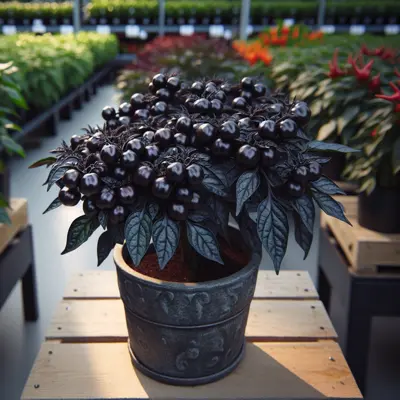
Black Pearl Ornamental Pepper
A stunning ornamental pepper with jet-black foliage and small, round berries that mature from black to red. Winner of the All-America Selections award, this compact plant serves double duty as both landscape accent and edible crop. The berries pack serious heat while adding dramatic color to gardens and containers.
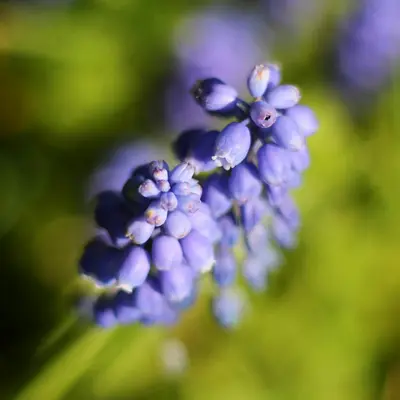
Brightwell Rabbiteye Blueberry
A premium rabbiteye blueberry variety developed by the University of Georgia, prized for its exceptionally large, firm berries with outstanding sweet flavor. This vigorous, upright bush produces heavy yields of light blue fruit that stores and ships better than most varieties. Perfect for hot, humid climates where Northern highbush varieties struggle.
Elan
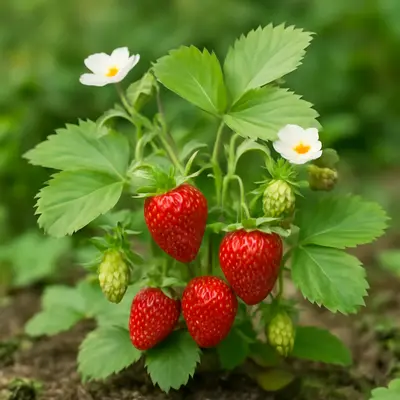
Elan has a vigorous habit (many runners) and white flowers that produce medium-size, conical berries with intensely sweet flavor. Suitable for field, greenhouse, and container production. Produces fruit the first year and bears from June through frost. Grows best in Zones 5-8.Edible Flowers: Flowers add a mild, strawberry-like flavor if sprinkled on salads or when used as a garnish for drinks and desserts.
Goji Berry (Wolfberry)
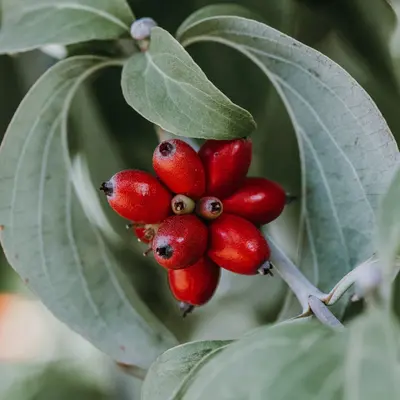
An ancient superfruit gaining popularity among health-conscious gardeners for its exceptional nutritional value and antioxidant content. This hardy shrub produces bright red berries with a sweet-tart flavor reminiscent of cranberries. Once established, goji berries are extremely drought-tolerant and can produce for decades.
Goldie
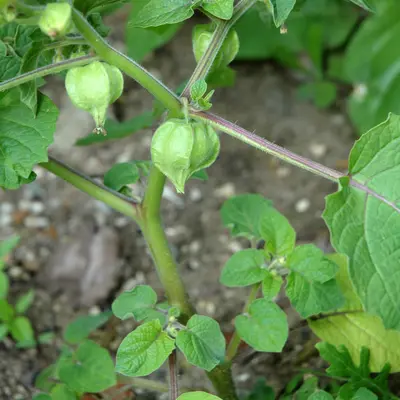
A conversation piece at markets, well-liked by children. This old-fashioned tomato family member bears 1/2- 3/4" sweet golden berries inside papery husks, resembling small, straw-colored Japanese lanterns. The flavor is quite sweet and a bit wild. Plants are profusely branching, prolific, and drop ripe fruits. Fruits can be eaten raw, dried like raisins, frozen, canned, or made into preserves, cooked pies, and desserts.
Summer Breeze Cherry Blossom
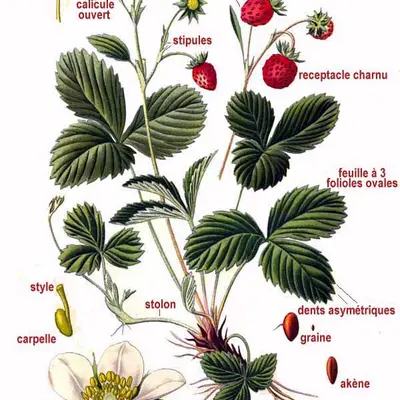
These gorgeous, everbearing, deep pink flowers are semidouble and put on a good show from midsummer to frost. No need for deadheading - this variety will continue to bloom even while it sets fruit. Let the flowers go by and enjoy bright red berries a few weeks later. Few runners. May overwinter with some pampering. Suitable for both container and in-ground growing. 10-12" plant with 1 1/2" flowers. Grows best in Zones 3-10.Edible Flowers: Mildly strawberry flavored blooms make for a tasty garnish.
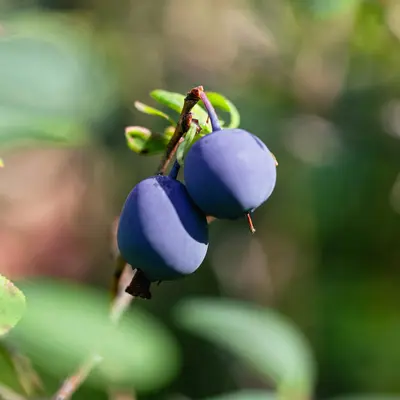
Tifblue Rabbiteye Blueberry
A heat-tolerant rabbiteye blueberry that thrives in Southern climates where northern varieties fail. This vigorous producer yields large, firm berries with excellent flavor and superior storage quality. Perfect for gardeners in hot, humid regions who want reliable blueberry harvests.
Zone 10 Growing Tips
In Zone 10, timing is everything when establishing berry plants. Plant bareroot stock in late January through early March, taking advantage of the cooler temperatures and increased rainfall typical of late winter and early spring. This gives plants time to establish strong root systems before the intense summer heat arrives. Container plants can be planted year-round, but avoid the hottest months (June through August) unless you're prepared to provide daily watering and afternoon shade.
Summer heat management is your biggest challenge – most berries benefit from afternoon shade during the hottest months, either from strategically planted trees or shade cloth providing 30-40% coverage. Mulching is absolutely essential; maintain a 3-4 inch layer of organic mulch around all plants to keep roots cool and conserve moisture. Drip irrigation or soaker hoses work far better than overhead watering, which can promote fungal diseases in the humid conditions.
Unlike northern gardeners who worry about late frosts, your concern is the opposite – many berry varieties need winter chill hours to fruit properly. This is why varieties like Emerald blueberry and day-neutral strawberries are so valuable in Zone 10; they're specifically bred to produce well with minimal winter chilling.
Season Overview
Your growing season runs from February 1st through December 15th, giving you nearly 11 months of active growth – use it wisely. The relatively mild period from February through April is prime planting and establishment time, while May through September is peak growing season requiring intensive water and heat management. Your brief 'winter' from mid-December through January provides the limited chill hours that some varieties need, though it's rarely enough for traditional northern cultivars. This extended season means everbearing varieties like Heritage raspberries and Albion strawberries can often produce three crops per year instead of the typical two, making them exceptional choices for maximizing your harvest window.