Triple Crown Blackberry
Rubus 'Triple Crown'
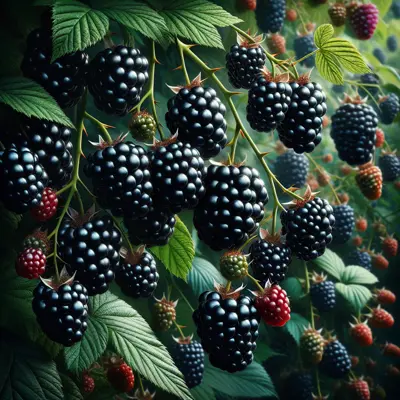
Living up to its royal name, Triple Crown delivers the perfect trifecta of thornless canes, exceptional fruit quality, and outstanding disease resistance. This semi-erect variety produces large, sweet blackberries with seeds so small they're barely noticeable, making every bite pure pleasure. Developed at the University of Arkansas, it's become the go-to choice for gardeners who want premium blackberries without the painful thorns.
Sun
Full sun
Zones
5–9
USDA hardiness
Difficulty
Easy to Moderate
Planting Timeline
Showing dates for Triple Crown Blackberry in USDA Zone 7
All Zone 7 berry →Zone Map
Click a state to update dates
Triple Crown Blackberry · Zones 5–9
Growing Details
Complete Growing Guide
Triple Crown blackberries thrive in full sun (at least six hours daily) and well-draining soil with a pH between 6.0 and 6.8, though they're more forgiving of suboptimal conditions than many thorned varieties. Plant in early spring or fall, spacing canes 3-4 feet apart, as this semi-erect cultivar grows vigorously and needs good air circulation to prevent anthracnose and rust—diseases it's bred to resist but shouldn't be tempted by crowding. Unlike aggressive brambles, Triple Crown produces fruit on second-year canes, so prune spent canes immediately after harvest to channel energy into next season's growth. Watch for spider mites in hot, dry climates, though the variety's disease resistance is genuinely exceptional. A practical key to maximizing sweetness: thin fruiting canes to five or six per plant in early summer, allowing sunlight to reach developing berries and concentrate sugars.
Light: Full sun (6 or more hours of direct sunlight a day). Soil: Clay, High Organic Matter, Loam (Silt), Sand. Soil pH: Acid (<6.0). Drainage: Good Drainage, Moist, Occasionally Dry. Growth rate: Rapid. Maintenance: Medium. Regions: Coastal, Mountains, Piedmont.
Harvesting
Triple Crown blackberries reach peak ripeness when they achieve a deep, glossy black color with a slight give when gently squeezed—typically three to four days after turning fully black. Unlike single-harvest varieties, Triple Crown produces berries continuously throughout the season, rewarding frequent picking every two to three days during peak production. Harvest in the early morning when berries are cool and firmest, as this maximizes shelf life and flavor intensity. Ripe berries should detach easily from the cane with minimal pressure; if they resist, wait another day. This thornless variety makes repeated harvests genuinely pleasant, encouraging the frequent picking that keeps plants producing prolifically through summer.
Fruits vary in size and color with many maturing to black or red. Usually edible but vary in taste and sugar content. They also vary as to when they are available.
Type: Aggregate, Drupe.
Garden value: Edible
Storage & Preservation
Fresh Triple Crown blackberries store exceptionally well compared to thorny varieties. Keep unwashed berries in the refrigerator for up to one week in shallow containers lined with paper towels, which absorb excess moisture. Don't wash until ready to eat, as moisture accelerates spoilage.
For freezing, spread berries on baking sheets and freeze individually before transferring to freezer bags—this prevents clumping and maintains their shape for smoothies and baking. Triple Crown's low seed content makes them ideal for seedless jams and jellies. Their balanced sweetness also creates excellent wine with minimal added sugar. Dehydrated Triple Crown berries retain more flavor than most varieties due to their naturally concentrated sugars and reduced acidity.
History & Origin
Triple Crown was developed by Dr. John Clark at the University of Arkansas Agricultural Experiment Station and released in 1996 as part of their acclaimed breeding program. This variety emerged from a cross between Arkansas 1506 (a thornless selection) and Arkansas 1565, specifically bred to combine the thornless trait with superior fruit quality and disease resistance.
The Arkansas program has been the leading force in thornless blackberry development since the 1960s, and Triple Crown represents a significant milestone—the first variety to truly deliver commercial-quality fruit without thorns. Its name reflects the three key breeding objectives: thornless canes, excellent fruit quality, and strong disease resistance.
The variety quickly gained popularity among home gardeners and small-scale commercial growers who had long struggled with the painful thorns of traditional varieties. Triple Crown's success helped establish consumer acceptance of thornless blackberries and paved the way for newer Arkansas releases like Ouachita and Prime-Ark varieties.
Advantages
- +Thornless canes eliminate painful picking injuries and pruning hazards
- +Exceptionally large berries with barely noticeable seeds offer superior eating experience
- +Strong disease resistance reduces need for fungicide treatments and interventions
- +Semi-erect growth habit requires less aggressive trellising than sprawling varieties
- +University of Arkansas breeding ensures proven genetics and reliable performance
Considerations
- -Susceptible to cane blight in humid climates with poor air circulation
- -Spotted wing drosophila infestations can devastate entire crops without vigilant monitoring
- -Requires well-draining soil; verticillium wilt risk increases in poorly drained areas
- -Heavy fruit production demands consistent watering and regular fertilization for quality
Companion Plants
Chives and garlic along the row edges deter aphids through scent — aphids hit new cane growth hard in spring and are worth discouraging early. Marigolds (Tagetes patula specifically) attract predatory wasps that put pressure on spotted wing drosophila populations right when the berries are sizing up. Comfrey earns its spot near the crown: its roots go down 6 feet or more, pulling up calcium and potassium, and the cut leaves decompose into a mulch that feeds the shallow feeder roots sitting just under the surface. Mint is fine nearby but plant it in a buried container or you'll spend years trying to get it out. Black walnut (Juglans nigra) is the one genuine threat to plan around — juglone leaches from roots and fallen leaves and can collapse canes entirely; keep Triple Crown at least 60 feet from any walnut. Raspberries should stay separated by a full garden section: the two share verticillium wilt and Phytophthora root rot, and running them close is a fast way to lose both plantings.
Plant Together
Chives
Repels aphids and improves soil health around berry plants
Garlic
Deters various pests including spider mites and aphids that commonly affect blackberries
Marigolds
Repel nematodes and other soil-borne pests while attracting beneficial insects
Comfrey
Deep roots bring nutrients to surface and leaves make excellent mulch for blackberries
Tansy
Repels ants, mice, and various insects that can damage blackberry plants
Nasturtiums
Trap crop for aphids and cucumber beetles while attracting beneficial predatory insects
Strawberries
Share similar growing conditions and soil preferences without competing heavily
Mint
Deters rodents and ants, but should be contained to prevent spreading
Keep Apart
Black Walnut
Produces juglone which is toxic to blackberries and inhibits their growth
Raspberries
Share similar diseases and pests, increasing risk of anthracnose and cane blight
Tomatoes
Both susceptible to similar fungal diseases and may compete for nutrients
Nutrition Facts
Per 100g serving. % Daily Value based on 2,000 calorie diet. Source: USDA FoodData Central (FDC #173946)
Pests & Disease Resistance
Resistance
Excellent resistance to anthracnose, good resistance to orange rust
Common Pests
Spotted wing drosophila, aphids, raspberry crown borer, Japanese beetles
Diseases
Cane blight, verticillium wilt, rosette disease in some regions
Troubleshooting Triple Crown Blackberry
What you'll see, why it happens, and what to do about it.
Small, mushy berries with tiny maggots inside at harvest — fruit looks fine on the outside until you bite in
Likely Causes
- Spotted wing drosophila (Drosophila suzukii) — lays eggs in ripening fruit before it's picked
- Delayed or infrequent harvest letting ripe fruit sit on the cane
What to Do
- 1.Pick every 2–3 days once fruit starts ripening; don't leave ripe berries on the cane
- 2.Set out SWD monitoring traps (apple cider vinegar + a drop of dish soap works) starting in early summer to gauge pressure
- 3.If pressure is heavy, apply an OMRI-listed spinosad spray at dusk — it's less harmful to pollinators than daytime application
Canes wilting and dying mid-season, with dark brown to purplish lesions on the lower cane, often at a wound site
Likely Causes
- Cane blight (Leptosphaeria coniothyrium) — fungal pathogen that enters through pruning cuts or winter injury
- Pruning with dirty tools that spread spores between canes
What to Do
- 1.Cut out all affected canes 6 inches below the visible lesion and bag them — don't compost
- 2.Wipe pruning shears with 70% isopropyl alcohol between cuts, every time
- 3.Prune in dry weather and avoid leaving stubs; clean cuts close to the crown heal faster
New canes stunted and bushy with small, distorted, yellowing leaves — looks like a witch's broom
Likely Causes
- Rosette disease (double blossom), caused by the fungal pathogen Cercosporella rubi and vectored by eriophyid mites
- Infected planting stock brought onto the property
What to Do
- 1.Remove and destroy the entire affected plant immediately — there's no cure and it spreads fast
- 2.Apply dormant oil in late winter before bud break to knock back eriophyid mite populations before they move
- 3.Buy certified disease-free transplants and inspect new stock carefully before it goes in the ground
Frequently Asked Questions
How long does Triple Crown blackberry take to produce fruit?▼
Can you grow Triple Crown blackberries in containers?▼
What does Triple Crown blackberry taste like?▼
When should I plant Triple Crown blackberry?▼
Is Triple Crown blackberry good for beginners?▼
Triple Crown vs Apache blackberry - what's the difference?▼
Zone-by-Zone Planting Calendar
Growing Guides from Wind River Greens
Sources & References
External authority sources used in compiling this guide.
See the Methodology page for how this data is sourced, what's AI-assisted, and known limitations.