Apache Thornless Blackberry
Rubus 'Apache'
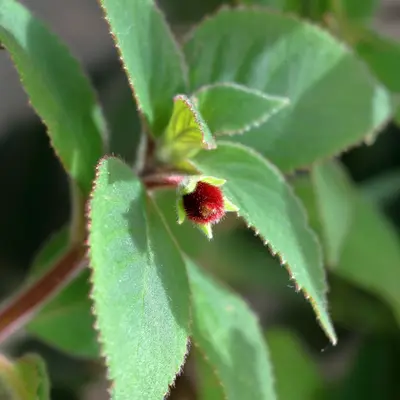
A premium thornless blackberry variety developed by the University of Arkansas, producing some of the largest and sweetest blackberries available to home gardeners. This erect-growing variety requires no trellising and produces heavy crops of glossy black berries with exceptional flavor and firmness. Apache's self-supporting canes and extended harvest period make it ideal for gardeners wanting maximum fruit production with minimal maintenance.
Sun
Full sun
Zones
6–10
USDA hardiness
Difficulty
Moderate
Planting Timeline
Showing dates for Apache Thornless Blackberry in USDA Zone 7
All Zone 7 berry →Zone Map
Click a state to update dates
Apache Thornless Blackberry · Zones 6–10
Growing Details
Complete Growing Guide
Apache's erect growth habit eliminates the staking demands of other blackberries, but this vigor means canes can stretch excessively in low light—position plants in full sun (eight hours minimum) to maintain compact structure and maximize berry quality. Unlike sprawling varieties, Apache produces its heaviest fruit on first-year canes, so prune selectively in late winter rather than aggressively cutting back, which reduces yield. This cultivar shows good disease resistance but remains susceptible to orange rust in humid climates; space plants widely for air circulation and remove any infected canes immediately. The extended harvest season—typically lasting 6–8 weeks from mid-summer onward—requires consistent moisture during peak fruiting; uneven watering triggers split berries despite the variety's excellent firmness. A practical approach is to implement drip irrigation and mulch heavily to regulate soil moisture while suppressing weeds around the self-supporting canes.
Light: Full sun (6 or more hours of direct sunlight a day). Soil: Clay, High Organic Matter, Loam (Silt), Sand. Soil pH: Acid (<6.0). Drainage: Good Drainage, Moist, Occasionally Dry. Growth rate: Rapid. Maintenance: Medium. Regions: Coastal, Mountains, Piedmont.
Harvesting
Apache blackberries reach peak harvest readiness when they display a deep, glossy black color with a slight give when gently squeezed—avoid picking berries that feel hard or retain any red coloring. This variety produces berries progressively throughout an extended season rather than in one concentrated flush, so plan for multiple harvesting sessions spanning several weeks. Pick every two to three days during warm weather when berry production peaks, as Apache's heavy-yielding nature demands frequent collection to prevent overripe fruit from dropping and to encourage continued flowering. Morning harvests after dew dries yield the firmest berries with optimal sweetness, making this the ideal window for maximum quality and shelf life.
Fruits vary in size and color with many maturing to black or red. Usually edible but vary in taste and sugar content. They also vary as to when they are available.
Type: Aggregate, Drupe.
Garden value: Edible
Storage & Preservation
Fresh Apache blackberries store exceptionally well due to their firm texture and low moisture content. Keep unwashed berries in the refrigerator in their original container or a shallow bowl lined with paper towels, where they'll maintain quality for 5-7 days - longer than most blackberry varieties.
For freezing, spread clean, dry berries on cookie sheets and freeze individually before transferring to freezer bags. This prevents clumping and maintains Apache's excellent texture when thawed. Frozen berries keep 8-12 months and work perfectly in baked goods.
Apache's sweet, low-acid profile makes it ideal for jams and jellies with reduced sugar recipes. The berries also dehydrate beautifully into chewy, raisin-like treats. Their exceptional firmness means they hold their shape well in pies and cobblers, unlike softer varieties that can become mushy when cooked.
History & Origin
Apache thornless blackberry was developed by Dr. John Clark and the fruit breeding program at the University of Arkansas in the 1990s, released to the public in 1998. This variety emerged from Arkansas's ambitious blackberry breeding program, which has produced many of today's premium thornless varieties including Arapaho, Navajo, and Ouachita.
The variety was specifically bred to combine three crucial traits: exceptional fruit size and quality, complete thornlessness for easy harvesting, and erect growth habit requiring no trellising. Arkansas researchers achieved this by crossing elite thornless selections with varieties known for superior fruit characteristics, then selecting for the best combinations over multiple generations.
Apache represents a significant advancement in blackberry breeding, producing berries nearly twice the size of wild blackberries while maintaining complex flavor profiles. The University of Arkansas program chose Native American tribal names for their blackberry releases, with Apache joining a distinguished lineage of varieties that transformed home blackberry growing from a thorny, labor-intensive endeavor into an accessible backyard crop for gardeners nationwide.
Advantages
- +Thornless canes eliminate painful picking injuries and simplify harvesting.
- +Erect growth habit requires no trellising, reducing installation and maintenance labor.
- +Produces exceptionally large, sweet berries with complex flavor and outstanding firmness.
- +Extended harvest period maximizes fruit production over several weeks of picking.
- +Self-supporting structure makes Apache ideal for small spaces and container growing.
Considerations
- -Vulnerable to cane blight and orange rust in humid or poorly drained conditions.
- -Requires vigilant monitoring for spider mites, aphids, and cane borers.
- -Crown gall susceptibility demands careful sanitation and disease prevention practices.
- -Moderate difficulty rating means it demands more attention than beginner-friendly varieties.
Companion Plants
Chives and garlic planted along the row pull real weight — their sulfur compounds disrupt aphids scouting for new cane growth, and neither plant competes seriously for root space since Apache's roots run considerably deeper than 12 inches. Marigolds (specifically Tagetes patula, not the big African types) add a second layer of deterrence against aphids and Japanese beetles, and they're shallow-rooted enough to tuck right at the drip line without crowding. Comfrey is the one I'd add if you have a spare corner; its taproot goes down 6 feet or more, pulling up calcium and potassium from layers your surface mulch never touches, and you can chop the leaves for a free side-dressing two or three times a season.
Black walnut (Juglans nigra) is a hard stop — juglone accumulates in the soil within the root zone and causes a slow, root-level decline that can look like crown gall or drought stress for a whole season before you figure out what's actually happening. Raspberries are the other plant to keep physically separated from Apache, not out of competition but disease logistics: orange rust and cane blight move freely between Rubus species, and a mixed planting means one infected cane can seed problems across your entire patch inside a single season.
Plant Together
Chives
Repels aphids and spider mites while improving soil health
Marigolds
Deters nematodes and various insect pests through natural compounds
Comfrey
Deep roots bring nutrients to surface, provides mulch and attracts beneficial insects
Tansy
Repels ants, mice, and various flying insects that can damage berries
Garlic
Natural fungicide properties help prevent disease and repel aphids
Nasturtiums
Trap crop for aphids and cucumber beetles, adds nutrients when composted
Clover
Fixes nitrogen in soil and provides living mulch to retain moisture
Rue
Repels Japanese beetles and other harmful insects
Keep Apart
Black Walnut
Produces juglone toxin that inhibits growth and can kill blackberry plants
Raspberries
Share similar diseases and pests, cross-contamination increases disease pressure
Tomatoes
Both susceptible to verticillium wilt and other soil-borne diseases
Nutrition Facts
Per 100g serving. % Daily Value based on 2,000 calorie diet. Source: USDA FoodData Central (FDC #173946)
Pests & Disease Resistance
Resistance
Good resistance to anthracnose and stem blight
Common Pests
Spider mites, aphids, cane borers, birds, Japanese beetles
Diseases
Cane blight, orange rust, crown gall
Troubleshooting Apache Thornless Blackberry
What you'll see, why it happens, and what to do about it.
Canes develop dark, sunken lesions with cracked bark, often after the first fruiting season
Likely Causes
- Cane blight (Leptosphaeria coniothyrium) — enters through pruning wounds or winter injury
- Leaving old floricanes standing too long after harvest, which harbor spores
What to Do
- 1.Cut out and bag affected canes immediately — cut 6 inches below the visible lesion into healthy wood
- 2.Sanitize your pruners with 70% isopropyl alcohol between cuts so you're not spreading it down the row
- 3.Remove all spent floricanes to ground level right after harvest, don't let them overwinter
New cane leaves covered in bright orange powdery pustules, often by mid-spring
Likely Causes
- Orange rust (Arthuriomyces peckianus or Gymnoconia nitens) — a systemic fungal disease that moves through the whole plant, not just the leaves
What to Do
- 1.Dig out and destroy the entire infected plant — orange rust is systemic, so there's no pruning your way out of it
- 2.Don't compost it; bag and trash it or burn it if local rules allow
- 3.Check nearby wild Rubus plants along fence lines; they're a common reservoir and need to be cleared too
Stippled, bronzed leaves with fine webbing on the undersides during hot, dry stretches in summer
Likely Causes
- Two-spotted spider mites (Tetranychus urticae) — populations explode when temps stay above 85°F and humidity drops
- Drought stress, which weakens the plant's ability to outpace mite feeding
What to Do
- 1.Hit the undersides of leaves with a strong jet of water from the hose — it knocks mites off and they rarely climb back
- 2.Keep irrigation consistent at 1–2 inches per week; stressed canes are far more vulnerable
- 3.If populations are heavy, apply insecticidal soap or neem oil in the evening, coating leaf undersides thoroughly
Frequently Asked Questions
How long does Apache thornless blackberry take to produce fruit?▼
Can you grow Apache blackberries in containers?▼
What does Apache blackberry taste like?▼
When should I plant Apache blackberry canes?▼
Apache vs Arapaho blackberry - what's the difference?▼
Is Apache blackberry good for beginners?▼
Zone-by-Zone Planting Calendar
Growing Guides from Wind River Greens
Sources & References
External authority sources used in compiling this guide.
See the Methodology page for how this data is sourced, what's AI-assisted, and known limitations.