Chester Thornless Blackberry
Rubus fruticosus 'Chester'
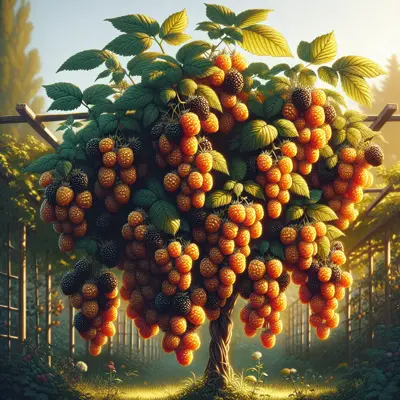
The premier thornless blackberry variety, offering large, sweet berries without the painful thorns that make harvesting difficult. Chester produces heavy crops of firm, flavorful berries in late summer that are perfect for fresh eating and hold their shape beautifully in pies and jams. This semi-erect variety combines exceptional productivity with excellent disease resistance and cold hardiness.
Harvest
730d
Days to harvest
Sun
Full sun
Zones
5–8
USDA hardiness
Difficulty
Moderate
Planting Timeline
Showing dates for Chester Thornless Blackberry in USDA Zone 7
All Zone 7 berry →Zone Map
Click a state to update dates
Chester Thornless Blackberry · Zones 5–8
Growing Details
Complete Growing Guide
Light: Full sun (6 or more hours of direct sunlight a day). Soil: Clay, High Organic Matter, Loam (Silt), Sand. Soil pH: Acid (<6.0). Drainage: Good Drainage, Moist, Occasionally Dry. Growth rate: Rapid. Maintenance: Medium. Regions: Coastal, Mountains, Piedmont.
Harvesting
Fruits vary in size and color with many maturing to black or red. Usually edible but vary in taste and sugar content. They also vary as to when they are available.
Type: Aggregate, Drupe.
Garden value: Edible
Storage & Preservation
Fresh Chester berries keep 3-5 days refrigerated at 32-35°F and 90-95% humidity. Don't wash until ready to eat, as moisture accelerates spoilage. Store in shallow, breathable containers—never plastic bags—and remove any soft or damaged berries immediately.
For freezing, rinse and dry berries completely, then freeze on parchment-lined trays before transferring to freezer bags. Frozen Chester berries maintain quality for 8-10 months and work excellently in baking since they hold their shape well.
Chester's firm texture makes it ideal for preserves and jams—the berries won't break down completely during cooking, creating a chunky, satisfying texture. For wine-making, harvest slightly underripe fruit for higher acid content, or wait for full ripeness if you prefer sweeter wines.
History & Origin
Chester was developed in 1985 by Dr. Joseph Goffreda at Rutgers University as part of their comprehensive thornless blackberry breeding program. Named after Chester County, New Jersey, this variety resulted from crosses between 'Darrow' and 'Thornfree,' combining the cold hardiness of northern varieties with the thornless convenience that home gardeners demanded.
The cultivar was released commercially in 1995 after extensive testing proved its superior disease resistance and consistent productivity across diverse climates. Chester represented a breakthrough in thornless blackberry breeding—previous varieties often sacrificed flavor and firmness for thornlessness, but Chester maintained the intense, complex flavor profile that rivaled thorny commercial varieties.
Today, Chester is considered the gold standard for home garden blackberry production in zones 5-8, with commercial growers increasingly adopting it for pick-your-own operations where thornless varieties significantly improve the customer experience and reduce labor costs.
Advantages
- +Attracts: Pollinators, Small Mammals, Songbirds
- +Fast-growing
Companion Plants
Chives and garlic along the row edges earn their place — sulfur compounds in both help push back aphids that colonize new primocane growth fast. Marigolds (Tagetes patula specifically) attract parasitic wasps and add some confusion for Japanese beetles. Clover in the row middles fixes nitrogen and keeps ground beetles around, which handle soil-dwelling pest larvae. Black walnut is the hard no: juglone, the allelopathic compound walnut roots and decomposing hulls release, is documented to stunt or kill Rubus species — don't site Chester within the root spread of any Juglans tree.
Plant Together
Chives
Repels aphids and other pests, improves soil health
Garlic
Deters aphids, spider mites, and other insect pests
Marigold
Repels nematodes and attracts beneficial insects like ladybugs
Tansy
Repels ants, mice, and flying insects that damage berries
Mint
Deters rodents and ants, but contain in pots to prevent spreading
Nasturtium
Acts as trap crop for aphids and cucumber beetles
Clover
Fixes nitrogen in soil and provides ground cover to retain moisture
Yarrow
Attracts beneficial insects and may improve berry flavor
Keep Apart
Black Walnut
Produces juglone which is toxic to blackberry plants
Wild Cherry
Attracts eastern tent caterpillars that can defoliate blackberry canes
Potato
Shares similar diseases like verticillium wilt and attracts harmful insects
Nutrition Facts
Per 100g serving. % Daily Value based on 2,000 calorie diet. Source: USDA FoodData Central (FDC #173946)
Pests & Disease Resistance
Resistance
Excellent resistance to orange rust and crown gall
Common Pests
Japanese beetle, aphids, spider mites, spotted wing drosophila
Diseases
Anthracnose, gray mold, powdery mildew, cane blight
Troubleshooting Chester Thornless Blackberry
What you'll see, why it happens, and what to do about it.
Canes developing dark, sunken lesions or dying back from the tip down, especially on second-year floricanes
Likely Causes
- Cane blight (Leptosphaeria coniothyrium) — enters through pruning cuts or winter injury
- Anthracnose (Elsinoe veneta) — produces purple-bordered lesions that expand and girdle the cane
What to Do
- 1.Cut affected canes back to healthy wood at least 6 inches below the lesion; disinfect pruners with 70% isopropyl between cuts
- 2.Trash the cuttings — don't compost them
- 3.Improve airflow by thinning to no more than 6 canes per plant and keeping rows clear of weeds
Small, soft, overripe-looking fruit full of tiny maggots at harvest in late summer
Likely Causes
- Spotted wing drosophila (Drosophila suzukii) — females slice into ripening fruit to lay eggs, unlike most fruit flies that need broken skin
What to Do
- 1.Harvest every 2-3 days — ripe fruit sitting on the cane is the main target
- 2.Set out apple cider vinegar traps near the row to monitor pressure; if you're catching adults, move to fine mesh row cover (less than 1mm) during ripening
- 3.Remove and bag any soft or dropped fruit immediately — don't leave it on the ground
White powdery coating on the upper surface of leaves, mostly on young growth in mid-season
Likely Causes
- Powdery mildew (Podosphaera aphanis) — thrives when nights drop below 60°F and days stay warm and humid, especially in dense plantings
What to Do
- 1.Thin canes and mow the row middles to open up air movement — this is the cheapest fix and it works
- 2.Apply a potassium bicarbonate spray (follow label rates) at first sign; repeat every 7-10 days if conditions stay humid
- 3.Switch to drip or soaker hose at the base — overhead irrigation keeps foliage wet and makes things worse
Frequently Asked Questions
How long does Chester thornless blackberry take to produce fruit?▼
Can you grow Chester blackberries in containers?▼
What does Chester blackberry taste like compared to wild blackberries?▼
When should I plant Chester thornless blackberry?▼
Chester vs Triple Crown blackberry—what's the difference?▼
How do you prune Chester thornless blackberries?▼
Zone-by-Zone Planting Calendar
Growing Guides from Wind River Greens
Sources & References
External authority sources used in compiling this guide.
See the Methodology page for how this data is sourced, what's AI-assisted, and known limitations.