Alexandria
Fragaria vesca
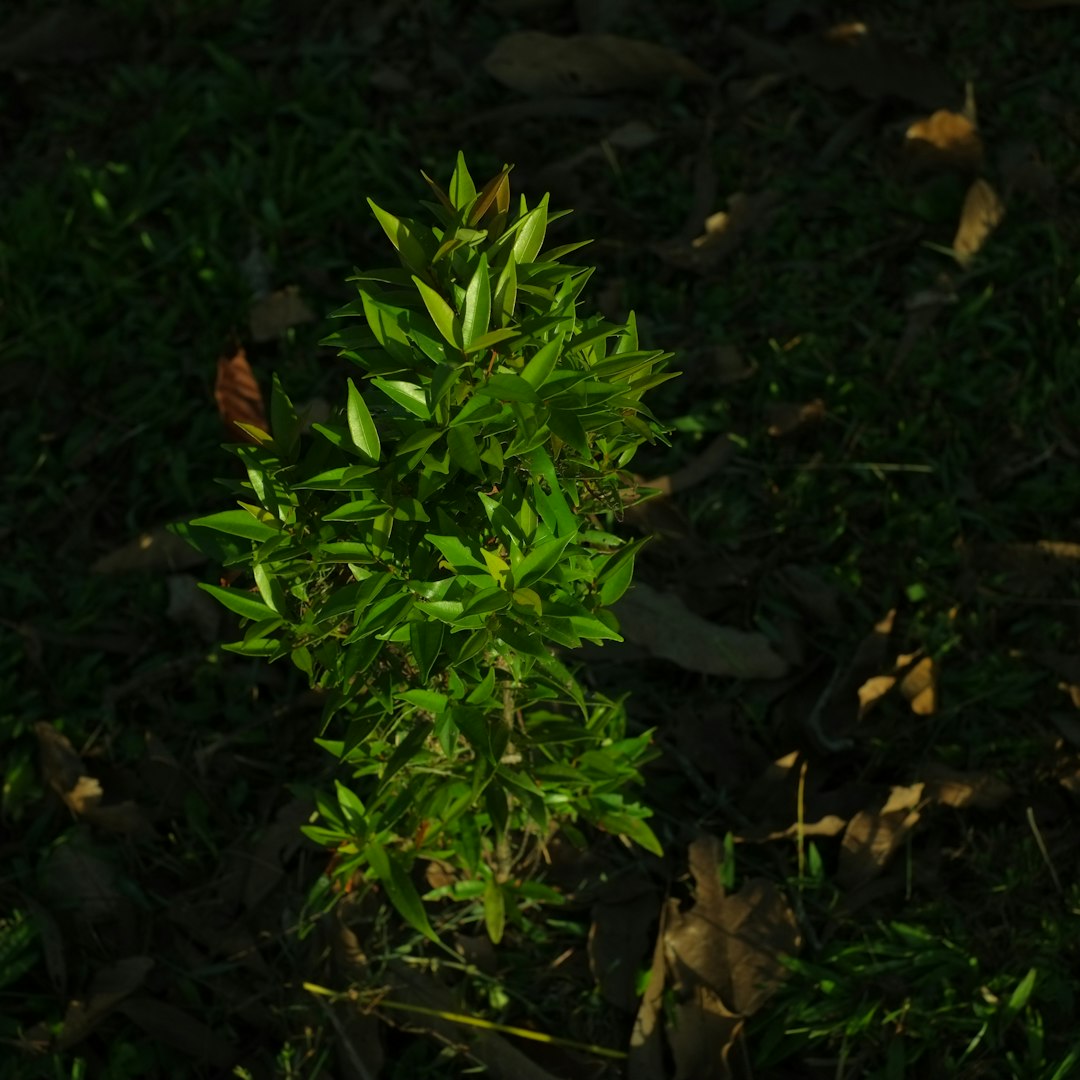
Day-neutral. A gourmet treat and easy landscape plant. These decorative little plants produce delicious, aromatic red strawberries, about twice the size of wild berries but much smaller than the standard type. Perennials, Alpine strawberries stay compact and produce few runners, making them suitable for rock gardens, path edgings, pots, and window boxes. Initial harvest begins the first year, with full harvest beginning the second year. Grows best in Zones 5-8.Edible Flowers: Flowers add a mild, strawberry-like flavor if sprinkled on salads or when used as a garnish for drinks and desserts.
Harvest
100-120d
Days to harvest
Sun
Full sun
Zones
5–9
USDA hardiness
Height
0 ft. 4 in. - 0 ft. 9 in.
Planting Timeline
Showing dates for Alexandria in USDA Zone 7
All Zone 7 berry →Zone Map
Click a state to update dates
Alexandria · Zones 5–9
Growing Details
Complete Growing Guide
Light: frah-GAR-ee-ah vir-jin-ee-AN-uh. Soil: Clay, High Organic Matter, Loam (Silt). Drainage: Good Drainage, Moist, Occasionally Dry. Height: 0 ft. 4 in. - 0 ft. 9 in.. Spread: 1 ft. 0 in. - 2 ft. 0 in.. Growth rate: Medium. Maintenance: Medium. Propagation: Division. Regions: Coastal, Mountains, Piedmont.
Harvesting
Flowers give way to achene-dotted ovoid fruits (strawberries) which mature to red fruit, 1/2 inch across. Seeds are embedded in the pits of the strawberries.
Color: Red/Burgundy. Type: Berry. Length: < 1 inch. Width: < 1 inch.
Garden value: Edible
Harvest time: Summer
Bloom time: Spring
Edibility: Wild strawberries have a sweet tart flavor.
Storage & Preservation
Alexandria berries store best at 32–36°F with 90–95% humidity in shallow containers lined with paper towels to prevent bruising. Fresh berries typically last 5–7 days under these conditions, though they're best consumed within 2–3 days of harvest for peak flavor and texture.
For preservation, freezing works exceptionally well—spread berries on a tray, flash-freeze for 2–3 hours, then transfer to freezer bags for up to a year. Alternatively, make jam using the high pectin content of these smaller berries, or dry them whole in a low oven (170°F, 4–6 hours) for snacking or tea. Alexandria's intensely aromatic seeds retain their flavor remarkably well when frozen whole, making them ideal for winter compotes and sauces.
History & Origin
Alexandria is open-pollinated, meaning seed saved from healthy plants will produce true-to-type offspring. Listed in the Johnny's Selected Seeds catalog.
Origin: East Canada to Northern and Eastern United States and Mexico
Advantages
- +Disease resistance: Drought, Erosion
- +Attracts: Pollinators, Predatory Insects, Songbirds, Specialized Bees
- +Wildlife value: Members of the genus Fragaria support the following specialized bee: Andrena (Micrandrena) melanochroa.
- +Edible: Wild strawberries have a sweet tart flavor.
Companion Plants
Thyme and chives are the most practical companions here — both stay low enough not to shade the crowns, and their volatile oils genuinely disorient aphids and spider mites on approach. Borage at the bed edges pulls in predatory insects and its flowers are edible, which goes over well in a CSA box. French marigolds (Tagetes patula specifically) suppress root-knot nematodes in the soil beneath the planting. Black walnut is the one to plant nowhere near Alexandria — juglone, the allelopathic compound walnuts release through their roots and leaf litter, will stunt or outright kill strawberry crowns, and around here in zone 7 Georgia that damage tends to show up slowly enough that people don't connect the cause until the second season.
Plant Together
Thyme
Repels aphids and spider mites, attracts beneficial insects
Borage
Attracts pollinators and beneficial predatory insects, may improve berry flavor
Chives
Deters aphids and other soft-bodied insects with strong scent
Marigolds
Repel nematodes and aphids, attract beneficial insects
Garlic
Natural fungicide properties, deters various pests including aphids
Nasturtiums
Acts as trap crop for aphids and cucumber beetles, attracts beneficial insects
Clover
Fixes nitrogen in soil, provides ground cover to retain moisture
Rye Grass
Living mulch that suppresses weeds and retains soil moisture
Keep Apart
Black Walnut
Produces juglone which is toxic to many berry plants and inhibits growth
Pine Trees
Create acidic soil conditions and dense shade that most berries cannot tolerate
Brassicas
Heavy feeders that compete for nutrients and may inhibit berry root development
Nutrition Facts
Per 100g serving. % Daily Value based on 2,000 calorie diet. Source: USDA FoodData Central (FDC #167762)
Pests & Disease Resistance
Common Pests
Minimal pest pressure; occasional spider mites, slugs, and birds in areas with high populations
Diseases
Generally disease-resistant; fungal issues (powdery mildew, leaf spot) possible in humid conditions with poor air circulation
Troubleshooting Alexandria
What you'll see, why it happens, and what to do about it.
White powdery coating on leaves, usually showing up mid-summer when nights stay warm and humid
Likely Causes
- Powdery mildew (Podosphaera aphanis) — the strawberry-specific strain; thrives when humidity is high but leaves stay dry, which is most of a Georgia August
- Poor air circulation from tight planting or weed pressure closing in around crowns
What to Do
- 1.Thin any crowded runners so plants sit at least 12 inches apart — air movement does more than any spray
- 2.Apply a dilute potassium bicarbonate solution (1 tablespoon per gallon of water) to affected foliage in the early morning so leaves dry before nightfall
- 3.If it keeps coming back season after season, cut the entire planting back to 2 inches after harvest and let the bed reset
Small, irregular holes in ripe or nearly-ripe fruit, sometimes with a slime trail nearby
Likely Causes
- Slugs (Deroceras reticulatum is the most common culprit in the Southeast) — they feed at night and hide under mulch or low foliage during the day
- Excess moisture from overhead irrigation or a rainy stretch keeping the bed surface wet overnight
What to Do
- 1.Switch to drip irrigation or water in the morning so the soil surface dries out by evening
- 2.Set out iron phosphate bait (Sluggo or equivalent) around the perimeter of the bed — it's safe around pets and breaks down into fertilizer
- 3.Pull back any thick straw mulch directly under the crowns; slugs use it as daytime cover
Small reddish-purple spots on leaves that enlarge and develop tan or gray centers, scattered across the planting
Likely Causes
- Leaf spot (Mycosphaerella fragariae) — a fungal disease that overwinters in old leaf debris and spreads via rain splash
- Older planting stock that hasn't been renovated in 3 or more years, allowing disease load to build
What to Do
- 1.Remove and trash (don't compost) any heavily spotted leaves as soon as you see them
- 2.After the final harvest of the season, mow or cut the entire bed back to about 3 inches and rake out the debris — this breaks the overwintering cycle
- 3.If the planting is more than 4 years old and disease pressure keeps returning, start a fresh bed in a different spot with new crowns rather than fighting a losing battle in place
Frequently Asked Questions
Can you grow Alexandria strawberries in pots and containers?▼
How long does it take to grow Alexandria strawberries from seed?▼
What's the difference between Alexandria and other Alpine strawberry varieties?▼
What do Alexandria strawberries taste like?▼
Is Alexandria a good strawberry variety for beginners?▼
When should I plant Alexandria strawberries?▼
Zone-by-Zone Planting Calendar
| Zone | Indoor Start | Transplant | Direct Sow | Harvest |
|---|---|---|---|---|
| Zone 3 | — | June – August | — | September – September |
| Zone 4 | — | June – July | — | August – September |
| Zone 5 | — | May – July | — | August – October |
| Zone 6 | — | May – July | — | August – October |
| Zone 7 | — | May – June | — | July – October |
| Zone 8 | — | April – June | — | July – November |
| Zone 9 | — | March – May | — | June – December |
| Zone 10 | — | March – April | — | May – December |
Growing Guides from Wind River Greens
Sources & References
External authority sources used in compiling this guide.
- BreederJohnny's Selected Seeds
- USDAUSDA FoodData Central
See the Methodology page for how this data is sourced, what's AI-assisted, and known limitations.