Goji Berry (Wolfberry)
Lycium barbarum
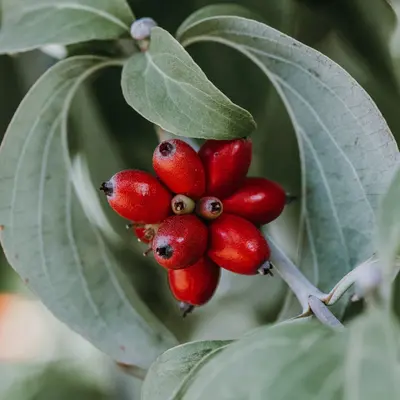
An ancient superfruit gaining popularity among health-conscious gardeners for its exceptional nutritional value and antioxidant content. This hardy shrub produces bright red berries with a sweet-tart flavor reminiscent of cranberries. Once established, goji berries are extremely drought-tolerant and can produce for decades.
Harvest
120-150d
Days to harvest
Sun
Full sun
Zones
3–10
USDA hardiness
Difficulty
Easy
Planting Timeline
Showing dates for Goji Berry (Wolfberry) in USDA Zone 7
All Zone 7 berry →Zone Map
Click a state to update dates
Goji Berry (Wolfberry) · Zones 3–10
Growing Details
Complete Growing Guide
Light: Full sun (6 or more hours of direct sunlight a day). Drainage: Good Drainage. Propagation: Layering, Seed, Stem Cutting. Regions: Coastal, Piedmont.
Harvesting
A berry, red to purple or yellow
Color: Gold/Yellow, Purple/Lavender, Red/Burgundy. Type: Berry. Length: < 1 inch. Width: < 1 inch.
Garden value: Edible
Harvest time: Summer
Edibility: EDIBLE PARTS: Berries edible raw, cooked, or dried
Storage & Preservation
Fresh goji berries are highly perishable and should be used within 2-3 days when stored in the refrigerator at 32-35°F. For longer storage, spread berries in a single layer on dehydrator trays and dry at 135°F for 10-16 hours until they're leathery but still pliable – this is how most commercial goji berries are preserved. Properly dried berries will keep for up to a year in airtight containers.
Freezing is another excellent option: wash and dry berries thoroughly, then freeze on baking sheets before transferring to freezer bags. Frozen berries work perfectly in smoothies and maintain their nutritional value for up to 18 months. You can also make goji berry juice by blending fresh berries with a small amount of water, then straining and freezing the juice in ice cube trays for convenient portions.
History & Origin
Origin: Temporate and subtropical regions of the world
Advantages
- +Edible: EDIBLE PARTS: Berries edible raw, cooked, or dried
Considerations
- -Toxic (Leaves): Low severity
Companion Plants
Lavender, rosemary, and yarrow are the companions worth planting close to goji. All three are low-water, full-sun plants that share goji's preference for lean, well-drained soil — no resource competition, and their flowers bring in parasitic wasps and predatory beetles that put a ceiling on aphid and spider mite pressure without any intervention from you. Marigolds (Tagetes spp.) add another layer: their root secretions suppress soil nematodes in the top 6–12 inches, right where goji's feeder roots are most active.
Black walnut is a hard no. Juglone — the allelopathic compound that leaches from walnut roots, hulls, and leaf litter — is toxic to a wide range of woody plants, and Lycium barbarum is not an exception. Fennel is a subtler problem: its root exudates suppress nearby plants, and it tends to concentrate beneficial insects around itself rather than sharing them with neighbors. Give both a wide berth, 50 feet minimum if your site allows.
Plant Together
Lavender
Attracts beneficial insects and repels pests like moths and aphids
Marigold
Deters nematodes and aphids while attracting pollinators
Chives
Repels aphids and improves soil health with sulfur compounds
Comfrey
Deep roots bring nutrients to surface, excellent mulch and compost material
Rosemary
Repels various pests and attracts beneficial insects
Nasturtium
Acts as trap crop for aphids and cucumber beetles
Yarrow
Attracts beneficial insects and improves soil health
Borage
Attracts pollinators and beneficial insects, improves soil minerals
Keep Apart
Black Walnut
Produces juglone which is toxic to many plants including goji berries
Fennel
Inhibits growth of most garden plants through allelopathy
Pine Trees
Create acidic soil conditions that goji berries cannot tolerate
Nutrition Facts
Per 100g serving. % Daily Value based on 2,000 calorie diet. Source: USDA FoodData Central (FDC #167762)
Pests & Disease Resistance
Resistance
Excellent disease resistance, very hardy
Common Pests
Aphids, spider mites (rarely problematic)
Diseases
Root rot in poorly drained soil
Troubleshooting Goji Berry (Wolfberry)
What you'll see, why it happens, and what to do about it.
Leaves curling inward, sticky residue on stems, tiny clustered insects visible on new growth
Likely Causes
- Aphid infestation (commonly Myzus persicae or similar generalist species) — they target soft new growth, especially in spring flush
- Over-fertilizing with nitrogen, which produces the lush, tender growth aphids prefer
What to Do
- 1.Knock aphids off with a strong spray of water — do this in the morning so foliage dries before evening
- 2.If the population persists after a few days, apply insecticidal soap directly to affected stems and leaf undersides
- 3.Back off any nitrogen-heavy fertilizer; goji doesn't need much feeding once established
Stems wilting at the base, roots appearing brown and mushy when you pull the plant
Likely Causes
- Phytophthora or Pythium root rot — both thrive when soil stays waterlogged for more than a day or two
- Planting in heavy clay without amendment, or in a low spot that collects runoff
What to Do
- 1.If caught early, cut back watering immediately and top-dress around the root zone with coarse sand or grit to improve drainage
- 2.Dig the plant, trim any visibly rotted roots back to healthy tissue, dust cuts with powdered sulfur, and replant in a raised bed or mounded row
- 3.Goji tolerates a soil pH up to 8.0 and does best in well-drained, even lean soil — don't coddle it with rich, moisture-retentive mixes
Frequently Asked Questions
How long do goji berries take to grow from seed?▼
Can you grow goji berries in containers?▼
What do fresh goji berries taste like?▼
When should I plant goji berry bushes?▼
Are goji berries good for beginner gardeners?▼
Do goji berry plants spread and become invasive?▼
Zone-by-Zone Planting Calendar
| Zone | Indoor Start | Transplant | Direct Sow | Harvest |
|---|---|---|---|---|
| Zone 3 | — | June – August | — | September – September |
| Zone 4 | — | June – July | — | September – September |
| Zone 5 | — | May – July | — | August – October |
| Zone 6 | — | May – July | — | August – October |
| Zone 7 | — | May – June | — | July – October |
| Zone 8 | — | April – June | — | July – November |
| Zone 9 | — | March – May | — | June – December |
| Zone 10 | — | March – April | — | May – December |
Growing Guides from Wind River Greens
Sources & References
External authority sources used in compiling this guide.
- ExtensionNC State Extension
- USDAUSDA FoodData Central
See the Methodology page for how this data is sourced, what's AI-assisted, and known limitations.