Zone 3 Coverage
Planting Timeline — All Varieties
Growing Berries & Fruits in Zone 3
Zone 3 presents unique challenges for berry growers, with brutal winter temperatures dropping as low as -40°F and a relatively short growing season. However, this harsh climate actually creates ideal conditions for many cold-hardy berry varieties that require significant winter chill hours to produce their best fruit. The key to success lies in selecting varieties specifically bred for northern climates and understanding that while your growing window is compressed, the intense summer daylight hours and cool nights often produce exceptionally flavorful, concentrated fruit.
When choosing berry varieties for Zone 3, prioritize cold hardiness above all else, followed by early ripening characteristics that can mature within your 120-day growing season. Look for cultivars developed in northern breeding programs – varieties like Northland Blueberry and Honeyberry (Haskap) were specifically created to thrive in your climate. These selections not only survive your winters but actually benefit from the extended cold period, emerging stronger and more productive than they would in milder zones.
The varieties recommended here have proven track records in Zone 3 conditions, offering reliable harvests despite temperature extremes. Many, like Heritage Red Raspberry and Ozark Beauty Strawberry, provide extended harvest periods to maximize your short season, while others like Honeyberry fruit extremely early, giving you fresh berries when most other fruits are still flowering. With proper variety selection and timing, Zone 3 gardeners can enjoy abundant berry harvests that rival any warmer climate.
Variety Comparison
| Variety ↑ | Days | Difficulty |
|---|---|---|
| Alexandria | 100-120 | Moderate |
| Aronia Berry (Chokeberry) | 80-90 | Very Easy |
| Bluecrop Blueberry | — | Easy to moderate |
| Blueray Blueberry | 60-70 | Moderate |
| Duke Blueberry | 1095-1460 | Moderate |
| Elan | 100-120 | Moderate |
| Elliott Blueberry | — | Moderate |
| Emerald Blueberry | 60-90 | Easy to Moderate |
| Goji Berry (Wolfberry) | 120-150 | Easy |
| Goldie | 75 | Moderate |
| Legacy Blueberry | — | Moderate |
| Lingonberry | 90-120 | Moderate |
| Northland Blueberry | — | Easy to moderate |
| Patriot Blueberry | — | Easy |
| Sea Buckthorn | 120-150 | Moderate |
| Summer Breeze Cherry Blossom | 70-100 | Moderate |
Variety Details
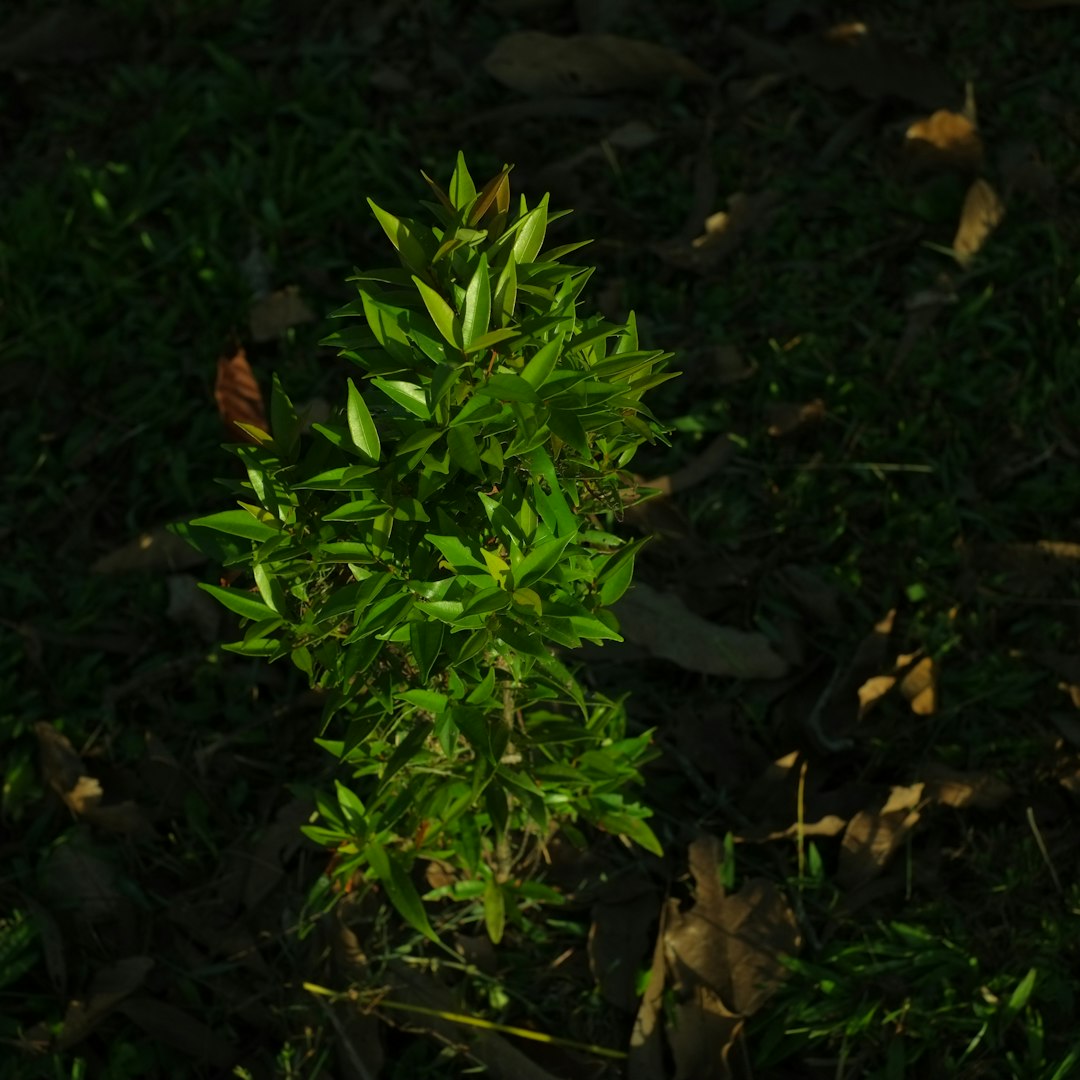
Alexandria
Day-neutral. A gourmet treat and easy landscape plant. These decorative little plants produce delicious, aromatic red strawberries, about twice the size of wild berries but much smaller than the standard type. Perennials, Alpine strawberries stay compact and produce few runners, making them suitable for rock gardens, path edgings, pots, and window boxes. Initial harvest begins the first year, with full harvest beginning the second year. Grows best in Zones 5-8.Edible Flowers: Flowers add a mild, strawberry-like flavor if sprinkled on salads or when used as a garnish for drinks and desserts.
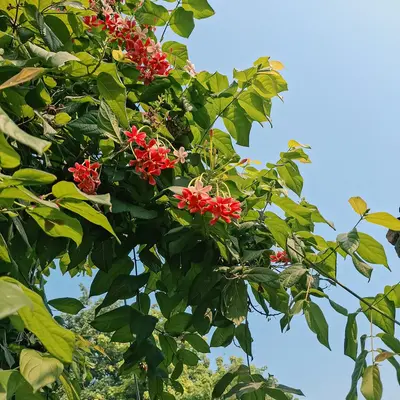
Aronia Berry (Chokeberry)
Often called the ultimate superfruit, aronia berries pack more antioxidants than blueberries, goji berries, or acai. These native North American shrubs are incredibly hardy and adaptable, thriving where other berries struggle. While tart when fresh, they transform into delicious jams, juices, and baked goods while providing exceptional nutritional benefits.
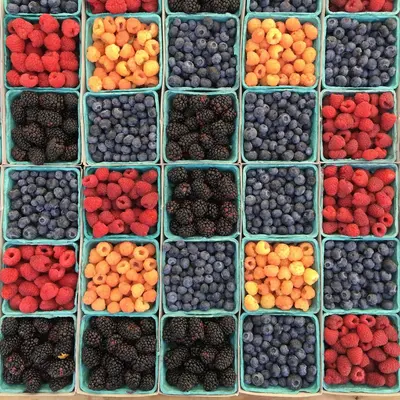
Bluecrop Blueberry
The gold standard of highbush blueberries and America's most widely planted variety for good reason. This mid-season producer yields large, flavorful berries with excellent storage quality and consistent annual crops. Bluecrop's exceptional cold hardiness, disease resistance, and reliable performance make it the perfect choice for beginner blueberry growers.
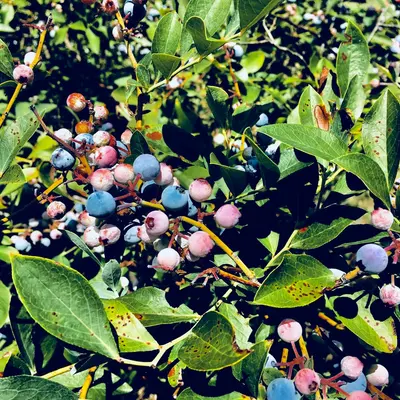
Blueray Blueberry
A premier northern highbush blueberry developed by the USDA, prized for its exceptionally large, firm berries and outstanding flavor. This vigorous grower produces heavy crops of light blue berries with excellent storage quality, making it a favorite for both fresh eating and preserving. The attractive spring flowers and brilliant fall foliage add ornamental value to any landscape.
Duke Blueberry
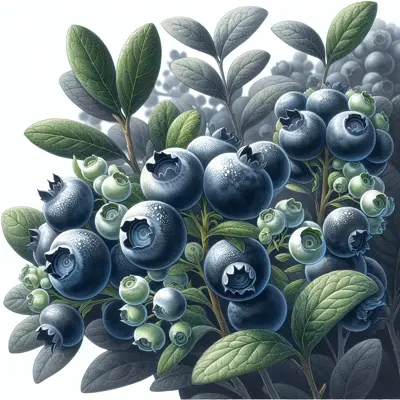
One of the finest early-season blueberry varieties, producing large, firm berries with exceptional sweet flavor in mid-June. Duke offers reliable annual production and excellent cold hardiness, making it a favorite among northern gardeners. The upright, vigorous bushes also provide beautiful white spring flowers and stunning orange-red fall foliage.
Elan
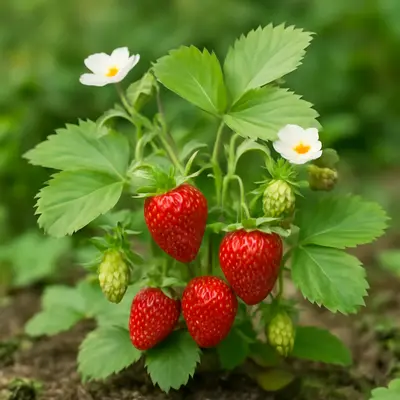
Elan has a vigorous habit (many runners) and white flowers that produce medium-size, conical berries with intensely sweet flavor. Suitable for field, greenhouse, and container production. Produces fruit the first year and bears from June through frost. Grows best in Zones 5-8.Edible Flowers: Flowers add a mild, strawberry-like flavor if sprinkled on salads or when used as a garnish for drinks and desserts.
Elliott Blueberry
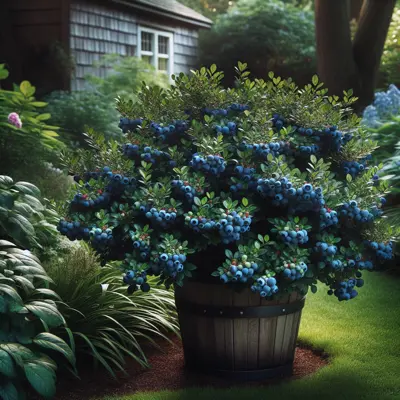
The season extender that blueberry enthusiasts dream about, Elliott produces sweet, firm berries well into late summer when other varieties have finished. This vigorous highbush variety offers excellent cold hardiness and consistent heavy yields of medium-large berries with exceptional storage quality. Its extended harvest period makes it invaluable for home gardeners wanting fresh blueberries from July through September.
Emerald Blueberry
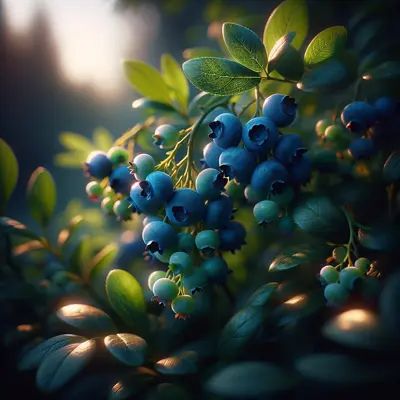
A revolutionary southern highbush blueberry that produces massive, sweet berries without requiring winter chill hours. Perfect for warm climates where traditional blueberries struggle, Emerald offers exceptional fruit quality with a long harvest season that extends from late spring through early summer.
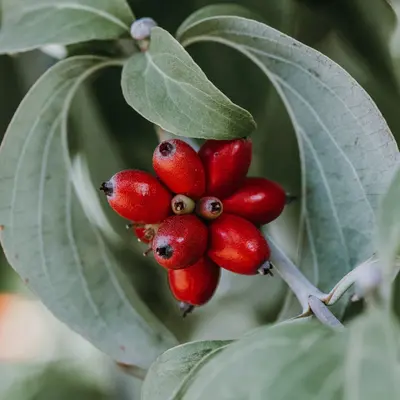
Goji Berry (Wolfberry)
An ancient superfruit gaining popularity among health-conscious gardeners for its exceptional nutritional value and antioxidant content. This hardy shrub produces bright red berries with a sweet-tart flavor reminiscent of cranberries. Once established, goji berries are extremely drought-tolerant and can produce for decades.
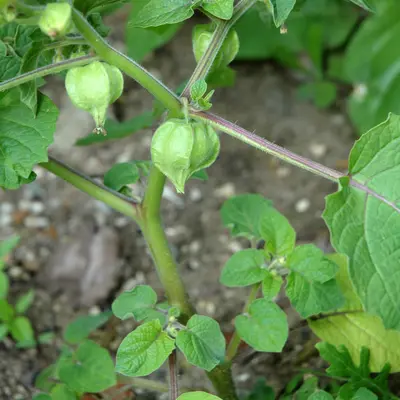
Goldie
A conversation piece at markets, well-liked by children. This old-fashioned tomato family member bears 1/2- 3/4" sweet golden berries inside papery husks, resembling small, straw-colored Japanese lanterns. The flavor is quite sweet and a bit wild. Plants are profusely branching, prolific, and drop ripe fruits. Fruits can be eaten raw, dried like raisins, frozen, canned, or made into preserves, cooked pies, and desserts.
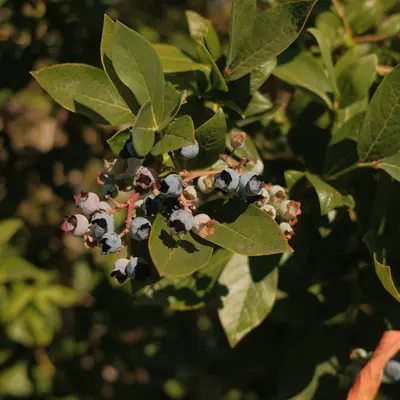
Legacy Blueberry
A late-season highbush blueberry prized for its enormous, firm berries that can reach the size of quarters. This vigorous variety produces consistently heavy crops of sweet, flavorful berries with excellent storage quality, making it perfect for fresh eating and preserving. Legacy's compact growth habit and beautiful fall foliage make it an attractive addition to any edible landscape.
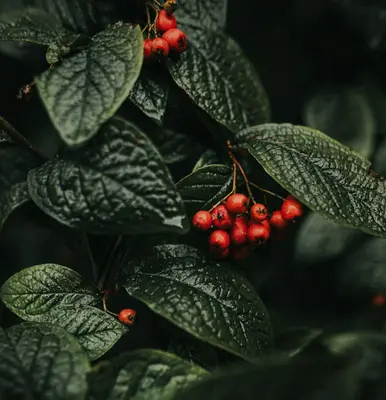
Lingonberry
A Scandinavian favorite that's perfect for northern gardens, producing two crops per year of tart, cranberry-like berries. These low-growing evergreen shrubs create beautiful ground cover while yielding berries prized for their keeping quality and distinctive flavor. Ideal for gardeners wanting to grow something unique that thrives in cooler climates.
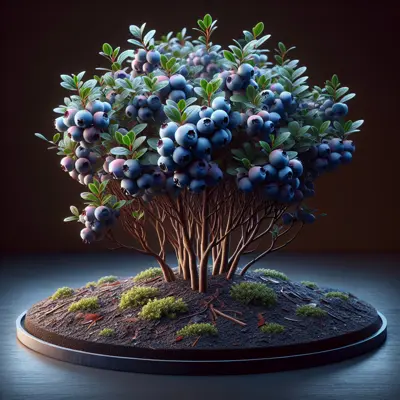
Northland Blueberry
A cold-hardy, half-high blueberry bush that's perfect for northern gardeners and smaller spaces. This reliable variety produces abundant crops of medium-sized, sweet berries and offers beautiful fall color, making it both productive and ornamental in the landscape.
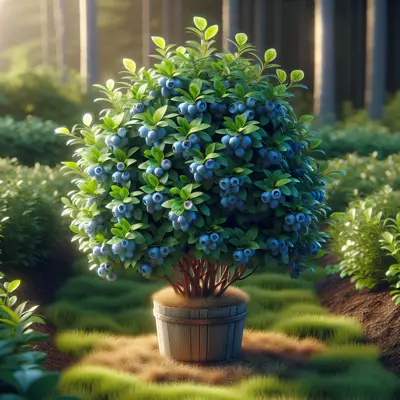
Patriot Blueberry
An exceptionally hardy northern highbush blueberry known for its consistent heavy yields and superior cold tolerance. This vigorous variety produces large, flavorful berries early in the season and demonstrates excellent resistance to root rot, making it ideal for challenging growing conditions and northern climates.

Sea Buckthorn
An extraordinary superfruit packed with vitamin C, healthy fats, and antioxidants, often called the 'holy fruit of the Himalayas.' These extremely hardy shrubs produce brilliant orange berries on silver-leafed plants that add stunning ornamental value to the landscape. Perfect for harsh climates and coastal conditions where other berries won't survive.
Summer Breeze Cherry Blossom
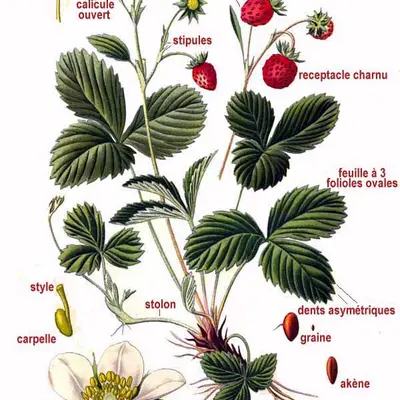
These gorgeous, everbearing, deep pink flowers are semidouble and put on a good show from midsummer to frost. No need for deadheading - this variety will continue to bloom even while it sets fruit. Let the flowers go by and enjoy bright red berries a few weeks later. Few runners. May overwinter with some pampering. Suitable for both container and in-ground growing. 10-12" plant with 1 1/2" flowers. Grows best in Zones 3-10.Edible Flowers: Mildly strawberry flavored blooms make for a tasty garnish.
Zone 3 Growing Tips
Plant your berry bushes and canes in late spring after soil temperatures consistently reach 50°F, typically late May to early June in Zone 3. While you might be tempted to plant immediately after your May 15th average last frost, berry plants benefit from truly settled soil conditions. For strawberries, you can plant slightly earlier in mid to late May since they're more cold-tolerant at establishment. Choose the warmest, most protected spots in your garden – south-facing slopes or areas near buildings that provide wind protection and heat reflection.
Season extension becomes critical with your short growing window. Use row covers, cold frames, or hoop tunnels to protect plants during unexpected late spring frosts and to extend your harvest into early October. Mulch heavily around all berry plants before winter – 4-6 inches of straw or leaves will protect shallow strawberry crowns and insulate the root zones of bush fruits. For cane berries like raspberries and blackberries, consider laying canes down and covering them in areas where winter temperatures regularly hit -30°F or below.
The biggest challenge you'll face is getting everbearing varieties to produce their fall crop before your September 15th frost date. Focus on day-neutral strawberries like Albion and Seascape, which fruit continuously rather than in distinct flushes, and choose early-ripening cultivars whenever possible. Start with certified disease-free plants from reputable northern nurseries – your short season leaves no room for recovery from setbacks caused by diseased or weak stock.
Season Overview
Your 120-day growing season from mid-May to mid-September requires strategic variety selection focused on early and mid-season ripening types. June-bearing strawberries like Earliglow will fruit in late June to early July, while day-neutral varieties provide continuous harvest through August. Honeyberries are your earliest crop, often ripening in late June – weeks before other berries. Summer raspberries peak in July, and if you choose everbearing types like Heritage, you'll get a second flush in late August. Plan your berry garden knowing that late-season varieties like some blackberries may struggle to ripen their full crop before September frosts, making early cultivars like Prime-Ark Freedom essential for reliable harvests.