Zone 7 Coverage
Planting Timeline — All Varieties
Growing Fruit Trees in Zone 7
Zone 7 offers fruit tree growers a sweet spot climate with a generous 210-day growing season and relatively predictable frost patterns. Your April 1st last frost and October 30th first frost create an ideal window for most temperate fruit trees to establish, bloom, and ripen their harvest. This zone's moderate winters provide enough chill hours for apple, pear, and stone fruits while still being mild enough to experiment with marginally hardy citrus and figs with proper protection.
The key to success in Zone 7 lies in selecting varieties that match your specific microclimate and understanding the late spring frost risk that can devastate early-blooming trees. Look for disease-resistant cultivars and those bred for consistent production in your temperature range. Apple varieties like Liberty and disease-resistant peaches such as Red Haven will save you countless hours of pest management, while later-blooming options help you avoid those sneaky April cold snaps that can wipe out a season's fruit in one night.
Variety Comparison
| Variety ↑ | Days | Difficulty |
|---|---|---|
| Anna Apple | 90-100 | Easy to Moderate |
| Bartlett Pear | 130-160 | Moderate |
| Bing Cherry | 100-120 | Moderate to Difficult |
| Black Mission Fig | — | Easy |
| Brown Turkey Fig | 120-150 | Easy |
| Burgundy Plum | 110-130 | Moderate |
| Chicago Hardy Fig | 90-120 | Easy |
| Dorsett Golden Apple | — | Easy to moderate |
| Dwarf Alberta Peach | 120-140 | Moderate |
| Dwarf Red Delicious Apple | — | Moderate |
| Early Harvest Apple | 100-110 | Easy to Moderate |
| Elberta Peach | 110-120 | Moderate |
| Emerald Beaut Plum | — | Easy |
| Freestone Peach | 120-150 | Moderate |
| Fuji Apple | 150-180 | Moderate |
| Gala Apple | 110-130 | Easy to moderate |
| Golden Delicious Apple | 120-140 | Easy to moderate |
| Granny Smith Apple | 160-180 | Moderate |
| Honeycrisp Apple | 120-150 | Moderate |
| Italian Prune Plum | 100-120 | Easy |
| Kieffer Pear | 140-160 | Easy |
| Liberty Apple | 130-140 | Easy to moderate |
| Montmorency Sour Cherry | 75-80 | Easy to moderate |
| Pink Lady Apple | 200-210 | Moderate to challenging |
| Red Delicious Apple | 120-150 | Easy |
Variety Details
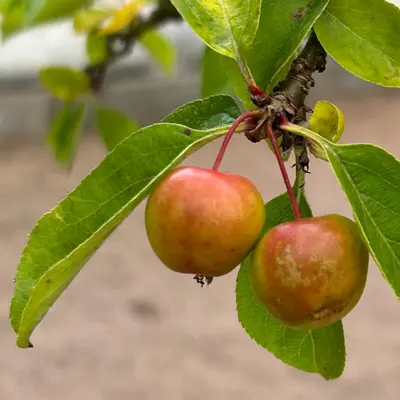
Anna Apple
A remarkable low-chill apple variety that thrives in warm climates where traditional apples fail. Developed in Israel, Anna produces crisp, sweet-tart fruits with beautiful red striping over yellow skin. This early-ripening variety is perfect for southern gardeners who thought they couldn't grow apples in their climate.
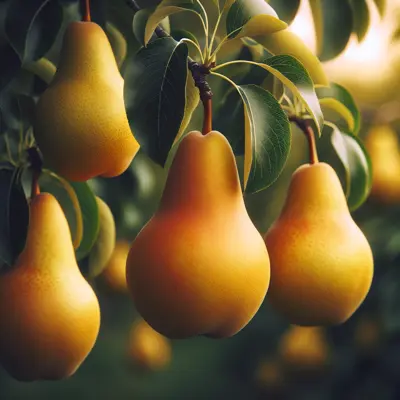
Bartlett Pear
America's most popular pear variety, known for its classic bell shape and incredibly juicy, buttery flesh that melts in your mouth. Also called Williams pear in Europe, Bartlett transforms from green to golden yellow when ripe and fills the air with an intoxicating sweet fragrance. This reliable producer has been the standard for fresh eating and canning for over 200 years.
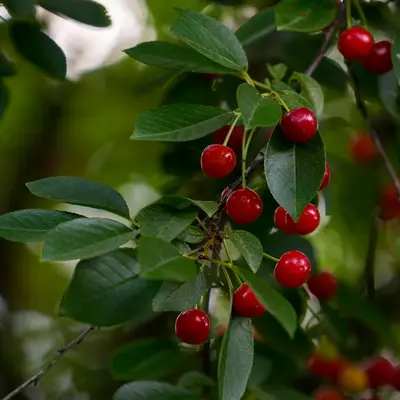
Bing Cherry
The king of sweet cherries with large, heart-shaped fruits that showcase a deep mahogany color and firm, juicy flesh bursting with rich sweetness. Developed in Oregon in the 1870s, Bing cherries are the gold standard for fresh eating and represent everything people love about summer stone fruit. These premium cherries command top prices at farmers markets and grocery stores alike.
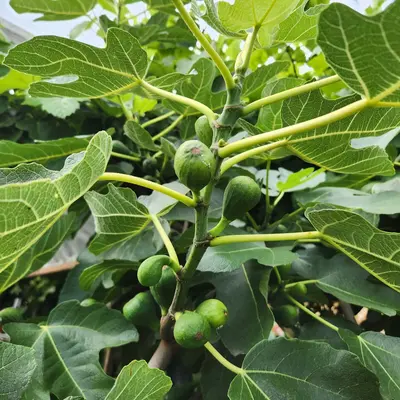
Black Mission Fig
The quintessential California fig that's been beloved for over 200 years, brought by Spanish missionaries. Black Mission produces two crops per year of deep purple, intensely sweet figs with strawberry-red flesh. This vigorous, easy-to-grow variety is incredibly productive and more cold-hardy than most fig varieties.
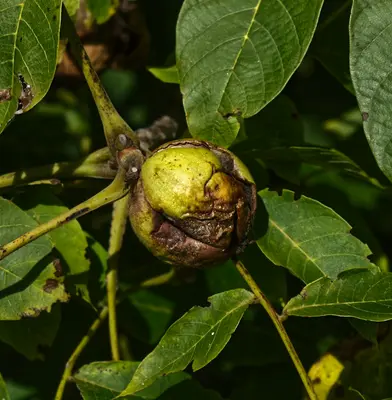
Brown Turkey Fig
A cold-hardy fig variety that brings Mediterranean flavors to temperate gardens with remarkable reliability. This vigorous grower produces two crops per year of medium-sized, brownish-purple figs with sweet pink flesh that tastes like honey and jam combined. Brown Turkey is incredibly productive and one of the most adaptable figs for home gardeners, even surviving winters in zone 7 with protection.
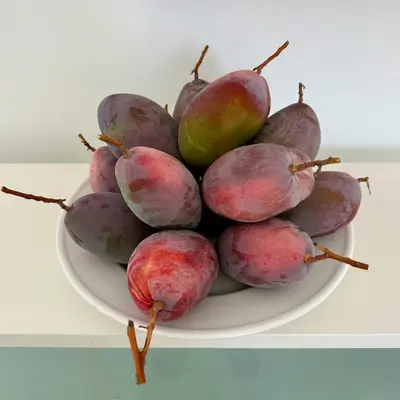
Burgundy Plum
A stunning Japanese plum variety prized for its gorgeous deep red skin and sweet, juicy yellow flesh. Burgundy is self-fertile and incredibly productive, making it ideal for home gardeners who want reliable harvests without needing multiple trees. The fruits are perfect for fresh eating and have excellent storage quality.
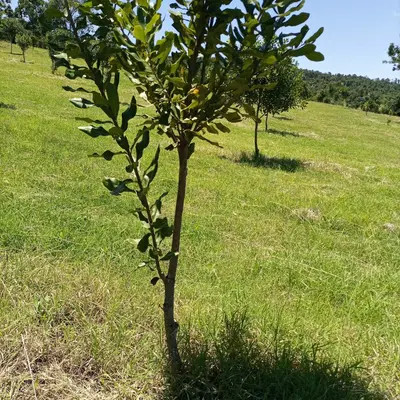
Chicago Hardy Fig
A remarkable cold-hardy fig variety that survives harsh winters by dying back to the ground and regenerating each spring, making fresh figs possible even in northern climates. This adaptable variety produces medium-sized, sweet purple-brown figs with rich, jammy flesh that's perfect for fresh eating or preserving. A game-changer for gardeners in colder zones who thought they could never grow their own figs.
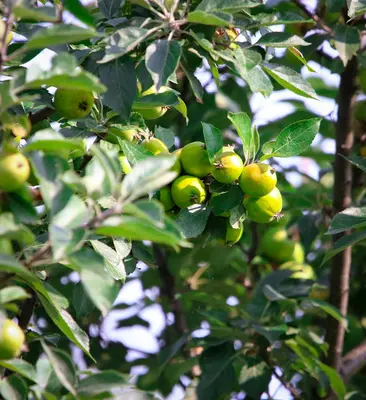
Dorsett Golden Apple
A unique apple variety specifically bred for warm climates, thriving where other apples fail in zones 8-10. This low-chill variety produces crisp, sweet apples with beautiful golden-yellow skin and can fruit in areas with mild winters. Originally developed in the Bahamas, it's perfect for southern gardeners who thought they couldn't grow apples.
Dwarf Alberta Peach
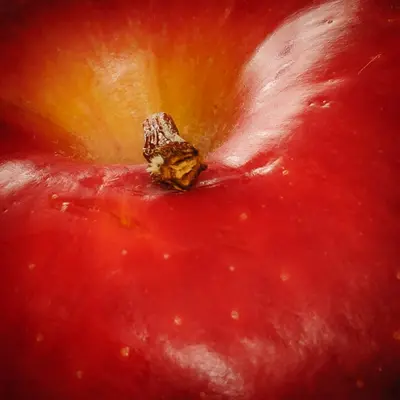
A compact version of the classic Elberta peach that delivers full-sized, juicy freestone peaches on a tree perfect for small gardens and containers. This self-pollinating dwarf variety reaches only 6-8 feet tall while producing abundant crops of sweet, yellow-fleshed peaches with that traditional peachy flavor. Perfect for home gardeners who want fresh peaches without dedicating a huge amount of space.
Dwarf Red Delicious Apple
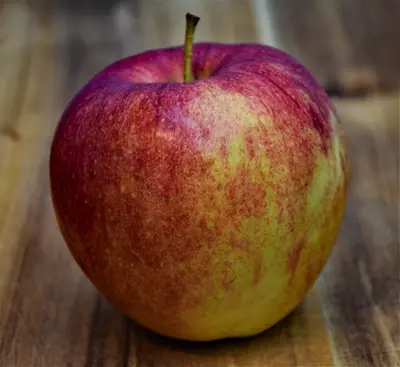
The classic American apple in a space-saving dwarf form that makes it perfect for small yards and containers. Despite mixed reviews of commercial fruit, home-grown Red Delicious apples offer much better flavor and the iconic deep red color that made this variety famous. This dwarf version produces full-sized apples on a tree that stays manageable for easy harvesting.
Early Harvest Apple
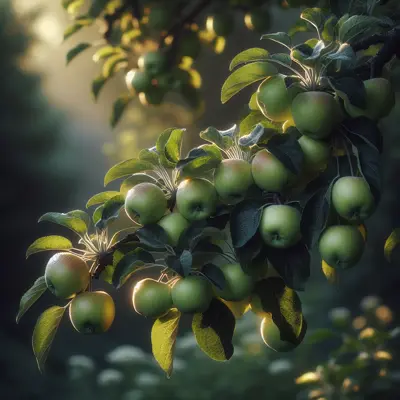
One of the earliest ripening apples, this historic American heirloom delivers crisp, tart apples perfect for cooking and fresh eating when you're craving that first taste of apple season. Dating back to the 1600s, this reliable variety thrives in hot, humid climates where many other apples struggle and doesn't require a pollination partner. Its pale yellow fruits have a distinctly refreshing tartness that makes exceptional pies, sauce, and cider.
Elberta Peach
The classic American peach that defined what a perfect peach should taste like for over a century. This freestone variety produces large, fuzzy peaches with golden skin blushed with red and incredibly juicy, sweet flesh that epitomizes summer. Elberta remains the gold standard for home peach growing due to its exceptional flavor and reliable production.
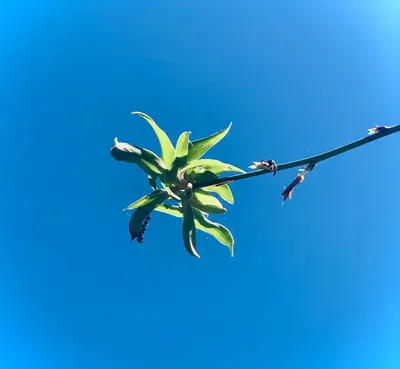
Emerald Beaut Plum
A stunning green-skinned plum that stays green even when fully ripe, making it unique among stone fruits. This Japanese variety produces large, incredibly sweet fruit with amber flesh that rivals the best dessert plums. The vigorous tree is self-fertile and produces heavy crops, making it an excellent choice for home orchards seeking something different.
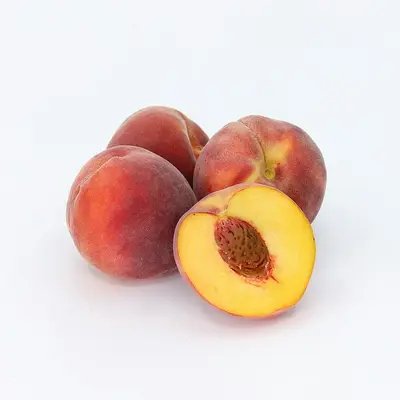
Freestone Peach
The quintessential summer peach that defines what a perfect peach should be - incredibly juicy, sweet, and aromatic with flesh that separates easily from the pit. These classic peaches are a home gardener's dream, producing abundant crops of large, blushed fruits that are perfect for fresh eating, preserving, or sharing with neighbors. Nothing beats the satisfaction of biting into a sun-warmed peach picked fresh from your own tree.
Fuji Apple
A Japanese apple variety beloved for its incredibly sweet, crisp flesh and exceptional storage life that can last months in proper conditions. These large, attractive apples with their red-striped yellow skin are perfect for fresh eating and maintain their crunch better than most varieties. Fuji trees are reliable producers that adapt well to various climates, making them ideal for home orchards.
Gala Apple
New Zealand's gift to the apple world, Gala has become one of the most popular varieties globally thanks to its perfect balance of sweet flavor and crisp texture. These beautiful red and yellow striped apples ripen earlier than most varieties, making them perfect for gardeners wanting fresh apples by late summer. Gala trees are reliable producers and the sweet, mild fruit appeals to both children and adults.
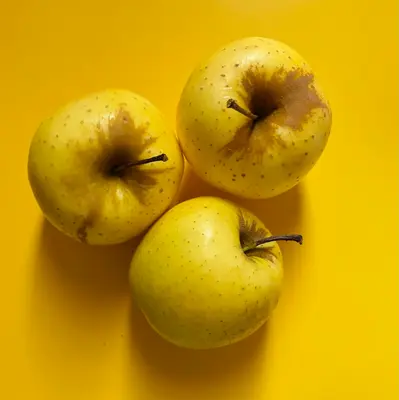
Golden Delicious Apple
One of America's most beloved apple varieties, originating from West Virginia in the early 1900s. This self-pollinating tree produces sweet, crisp apples with distinctive golden-yellow skin that's perfect for fresh eating, baking, and sauce making. Known for its reliable production and excellent storage qualities, making it a top choice for home orchards.
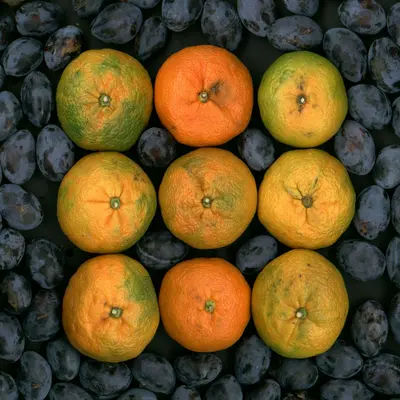
Granny Smith Apple
The iconic tart green apple that's a staple in kitchens worldwide, prized for its crisp texture and bright acidic flavor that holds up beautifully in baking. This Australian heirloom produces heavy crops of large, bright green apples that store exceptionally well for months. A reliable performer that's perfect for gardeners who want a classic apple variety that excels in both fresh eating and culinary applications.
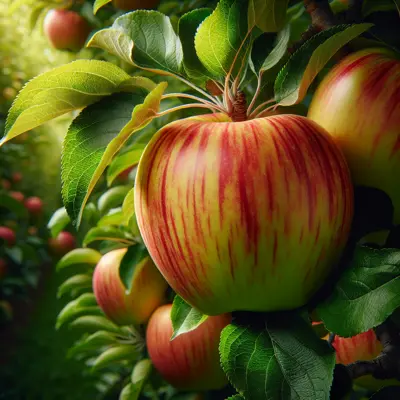
Honeycrisp Apple
The apple that revolutionized the industry with its explosive crunch and perfect sweet-tart balance. Developed at the University of Minnesota, Honeycrisp produces large, juicy apples with cells that burst with flavor when bitten. This cold-hardy variety stores exceptionally well and consistently ranks as America's favorite apple for fresh eating.
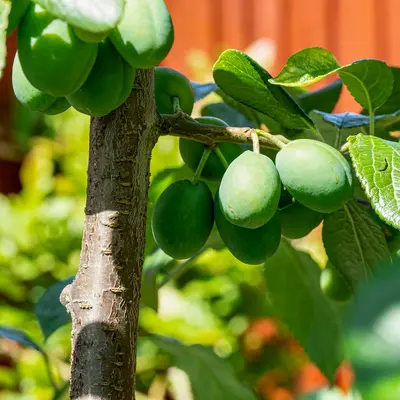
Italian Prune Plum
Also known as Fellenberg, this European plum variety is the gold standard for drying into prunes, but fresh fruits are equally delicious with their sweet, rich flavor and firm texture. The oval, purple-blue fruits have golden flesh that's perfect for fresh eating, baking, or preserving. This productive tree is self-fertile and cold-hardy, making it an excellent choice for home orchards seeking a reliable, multipurpose plum variety.
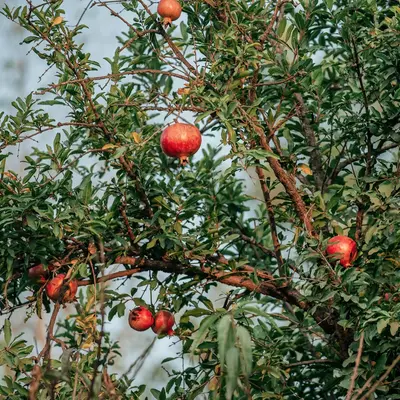
Kieffer Pear
A remarkably hardy and productive hybrid pear that thrives where other pears fail, combining European and Asian pear genetics for superior disease resistance. This vigorous tree produces large, golden-yellow pears with a crisp texture that are excellent for canning, baking, and preserves. Kieffer pears are beloved by home orchardists for their reliability, long storage life, and ability to produce heavy crops even in challenging climates.
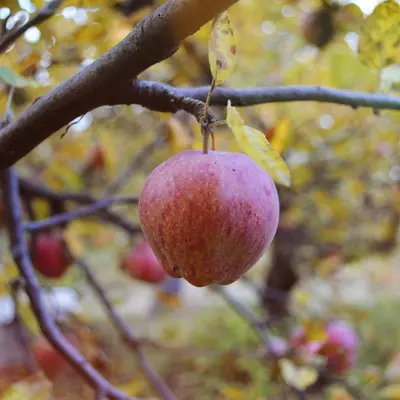
Liberty Apple
A disease-resistant apple variety bred specifically for organic and low-spray growing, making it perfect for home gardeners who want beautiful apples without intensive pest management. This medium-sized red apple offers excellent eating quality with crisp, juicy flesh and a well-balanced sweet-tart flavor reminiscent of McIntosh. Liberty trees are vigorous, productive, and their outstanding resistance to major apple diseases makes them one of the best choices for sustainable home orcharding.
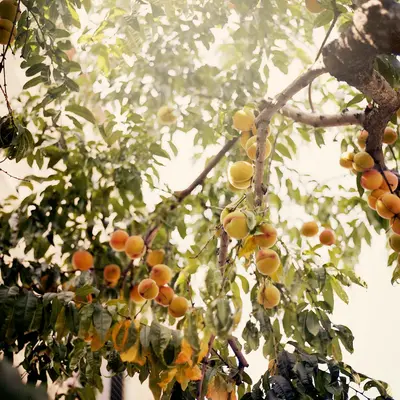
Montmorency Sour Cherry
The quintessential pie cherry that produces abundant crops of bright red, tart cherries perfect for baking, preserves, and classic American desserts. This self-fertile variety is incredibly hardy and reliable, thriving in northern climates where sweet cherries struggle. Montmorency cherries are prized by bakers for their ability to hold their shape when cooked and their perfect balance of tartness and subtle sweetness.
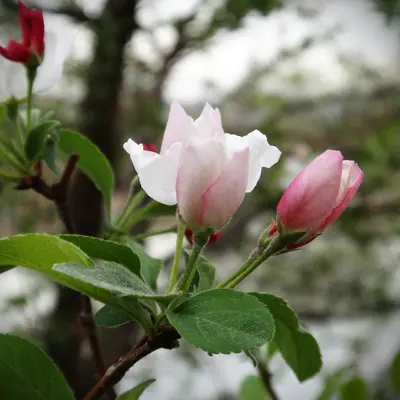
Pink Lady Apple
A premium late-season apple with stunning pink blush over yellow-green skin and an exceptional sweet-tart flavor that improves with storage. This Australian-bred variety requires a long, warm growing season to develop its signature taste and beautiful coloring, making it perfect for gardeners in warmer apple-growing regions. Pink Lady apples are prized for their crisp texture, excellent keeping quality, and complex flavor that balances sweetness with refreshing acidity.
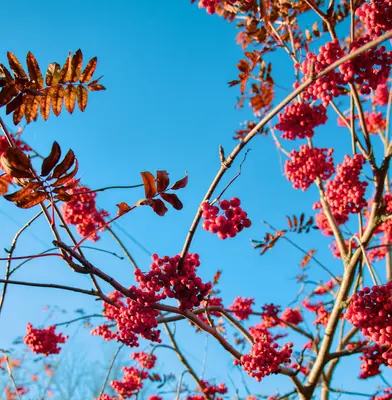
Red Delicious Apple
America's classic apple variety, instantly recognizable by its deep red skin and distinctive elongated shape with five prominent bumps at the base. While modern tastes have shifted toward newer varieties, Red Delicious remains popular for its beautiful appearance and mild, sweet flavor. This reliable producer has been a staple in American orchards for over a century.
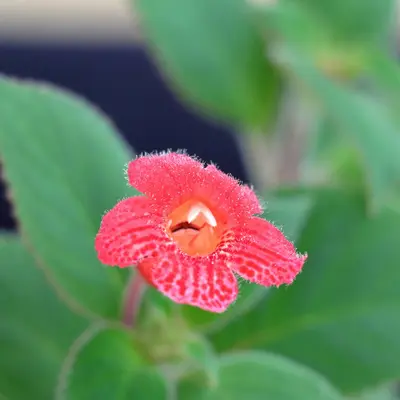
Red Haven Peach
America's most popular peach variety, prized for its reliable production of medium-sized freestone peaches with gorgeous red-blushed skin and sweet, juicy yellow flesh. This cold-hardy variety was developed at Michigan State University and remains the gold standard for home orchards across the northern states. Red Haven peaches ripen mid-season and are perfect for fresh eating, canning, and baking.
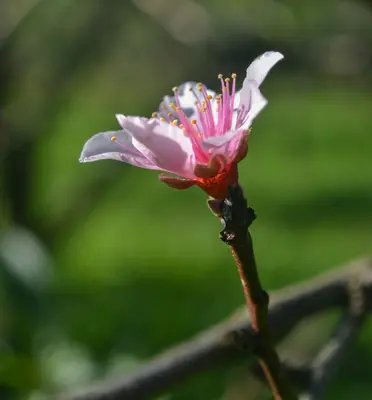
Santa Rosa Plum
Luther Burbank's masterpiece, this Japanese plum variety produces gorgeous deep purple-red fruits with sweet, juicy yellow flesh that epitomizes summer stone fruit perfection. Santa Rosa is one of the most widely planted plum varieties due to its reliable production, excellent flavor, and beautiful appearance that makes it irresistible both in the garden and on the table. This vigorous tree blooms early with showy white flowers and typically produces heavy crops that benefit from thinning.
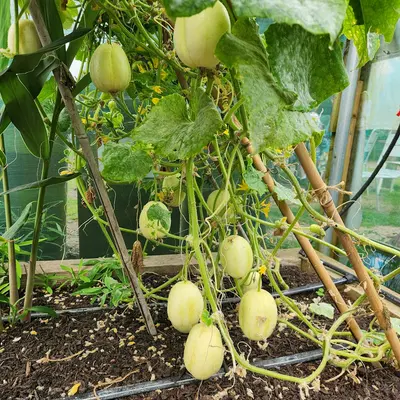
Seckel Pear
Known as the 'Sugar Pear' and 'Wine Pear,' this small American heirloom pear packs incredible sweetness and spicy flavor into a tiny package. Discovered in Pennsylvania in the 1760s, Seckel pears are considered by many to have the finest flavor of all pear varieties, with firm, fine-textured flesh and a distinctive wine-like aroma. Perfect for fresh eating, these petite pears are also exceptional for canning whole and making preserves.
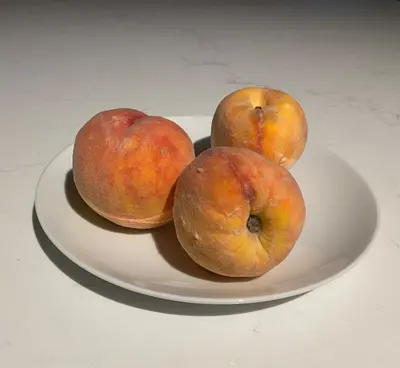
Stark Saturn Peach
The original donut peach that revolutionized backyard fruit growing with its unique flat, disc shape and incredibly sweet, low-acid flavor that appeals to everyone, especially children. This freestone variety offers all the juiciness of traditional peaches in a fun, easy-to-eat package that's perfect for fresh snacking. The tree is vigorous and productive, making it an excellent choice for home orchards seeking something special.
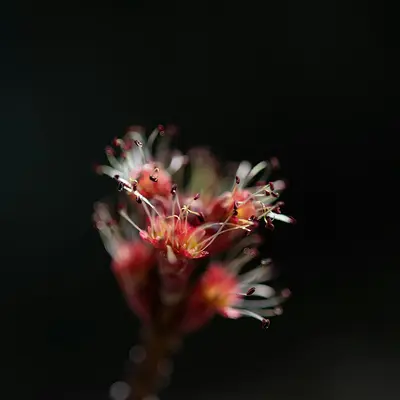
Stella Cherry
The first self-fertile sweet cherry variety, revolutionizing home cherry growing by eliminating the need for a second pollinator tree. These large, heart-shaped cherries have deep red skin and firm, sweet flesh that's perfect for fresh eating right off the tree. Stella trees are compact and manageable, making them ideal for smaller home orchards where space is at a premium but cherry cravings are not.
Zone 7 Growing Tips
Plant bare-root fruit trees in Zone 7 during late February through early March, while they're still dormant but soil is workable. This timing allows roots to establish before the tree breaks dormancy and puts energy into leaf production. Container-grown trees can go in through early May, but avoid planting during hot summer months when transplant shock is most severe.
Your biggest challenge will be managing late spring frosts that can hit blooming trees even after the average last frost date of April 1st. Plant trees in slightly elevated areas where cold air drains away, and keep frost protection cloth handy for vulnerable young trees or early bloomers like apricots and some cherry varieties. Summer heat stress is manageable with consistent watering, but plan for supplemental irrigation during July and August dry spells, especially for newly planted trees establishing their root systems.
Season Overview
Your 210-day growing season from April through October provides ample time for fruit development, making you ideal for long-season varieties like Pink Lady apples and late peaches. The April 1st average last frost means most fruit trees will bloom safely, though early varieties like some cherries may need protection during unusually cold springs. Plan your variety selection around harvest timing – early apples like Early Harvest will ripen in July, while storage varieties like Granny Smith and Pink Lady will mature just before your first frost in late October, maximizing your fresh fruit season.