Zone 10 Coverage
Planting Timeline — All Varieties
Growing Fruit Trees in Zone 10
Zone 10's nearly year-round growing season makes it a fruit tree paradise, but the lack of winter chill hours creates unique challenges. While gardeners in colder zones worry about frost damage, Zone 10 growers must focus on selecting low-chill varieties that don't require extended cold periods to fruit properly. The key is choosing heat-tolerant varieties that can handle intense summer sun and occasional tropical storms while still producing quality fruit.
The best Zone 10 fruit trees fall into two categories: tropical and subtropical natives like citrus, figs, and avocados that thrive in warm climates, and specially bred low-chill varieties of temperate fruits like Anna and Dorsett Golden apples. Citrus trees are particularly well-suited here, with varieties like Meyer Lemon, Valencia Orange, and Key Lime producing fruit almost continuously. Heat tolerance becomes crucial during summer months when temperatures soar, making varieties like Brown Turkey Fig and Wonderful Pomegranate excellent choices for their resilience.
Variety Comparison
| Variety ↑ | Days | Difficulty |
|---|---|---|
| Black Mission Fig | — | Easy |
| Brown Turkey Fig | 120-150 | Easy |
| Chicago Hardy Fig | 90-120 | Easy |
| Wonderful Pomegranate | 150-160 | Easy |
Variety Details
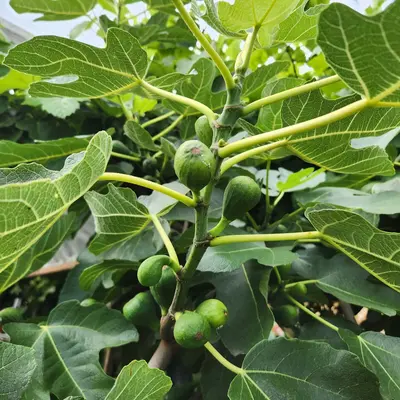
Black Mission Fig
The quintessential California fig that's been beloved for over 200 years, brought by Spanish missionaries. Black Mission produces two crops per year of deep purple, intensely sweet figs with strawberry-red flesh. This vigorous, easy-to-grow variety is incredibly productive and more cold-hardy than most fig varieties.
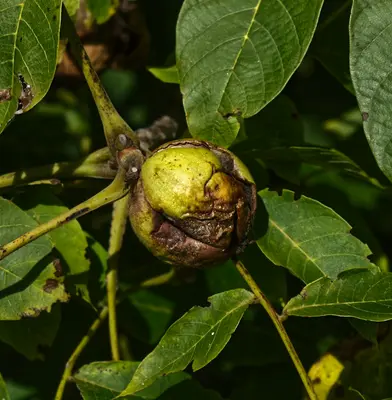
Brown Turkey Fig
A cold-hardy fig variety that brings Mediterranean flavors to temperate gardens with remarkable reliability. This vigorous grower produces two crops per year of medium-sized, brownish-purple figs with sweet pink flesh that tastes like honey and jam combined. Brown Turkey is incredibly productive and one of the most adaptable figs for home gardeners, even surviving winters in zone 7 with protection.
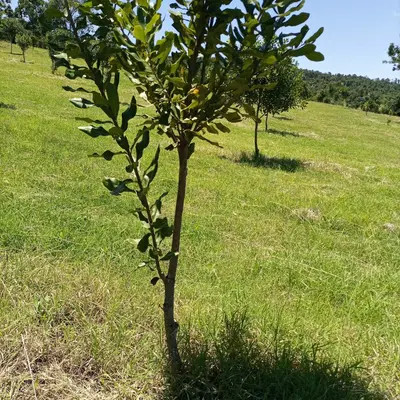
Chicago Hardy Fig
A remarkable cold-hardy fig variety that survives harsh winters by dying back to the ground and regenerating each spring, making fresh figs possible even in northern climates. This adaptable variety produces medium-sized, sweet purple-brown figs with rich, jammy flesh that's perfect for fresh eating or preserving. A game-changer for gardeners in colder zones who thought they could never grow their own figs.
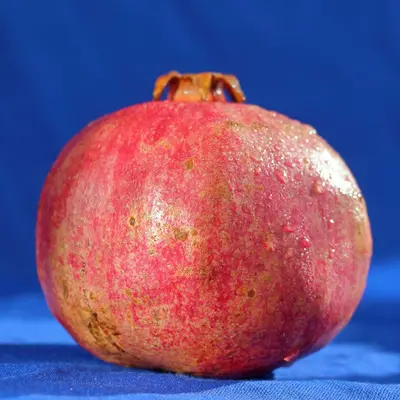
Wonderful Pomegranate
The most popular pomegranate variety in North America, producing large, deep red fruits bursting with ruby-colored arils that offer the perfect balance of sweet and tart flavors. This hardy, drought-tolerant tree rewards gardeners with stunning orange-red fall foliage and beautiful orange-red flowers in spring. It's exceptionally well-suited to hot, dry climates and requires minimal care once established.
Zone 10 Growing Tips
Plant fruit trees in Zone 10 during the cooler months from November through February to give roots time to establish before the intense summer heat arrives. The minimal frost risk means you can plant earlier than most zones, but avoid the hottest summer months when newly planted trees struggle with heat stress. Focus on soil preparation and drainage, as many Zone 10 areas deal with heavy clay or sandy soils that need organic matter amendments.
Provide afternoon shade for heat-sensitive varieties during summer months, and establish a consistent watering schedule since the extended growing season means trees are actively growing and fruiting for most of the year. Mulching becomes essential to retain soil moisture and keep roots cool during the long, hot summers. Watch for tropical pests and diseases that thrive in the humid conditions, and consider dwarf varieties if you're dealing with hurricane-prone areas where smaller trees fare better in high winds.
Season Overview
With an average last frost around January 31st and first frost not until mid-December, Zone 10 offers an impressive 320-day growing season that allows for multiple harvests from many fruit trees. This extended season means citrus trees can produce fruit year-round, while deciduous fruits like peaches and plums often have longer harvest windows. The challenge lies in finding varieties that can handle the intense heat from June through September, making summer variety selection crucial for sustained production throughout the year.