Kieffer Pear
Pyrus communis x P. pyrifolia 'Kieffer'
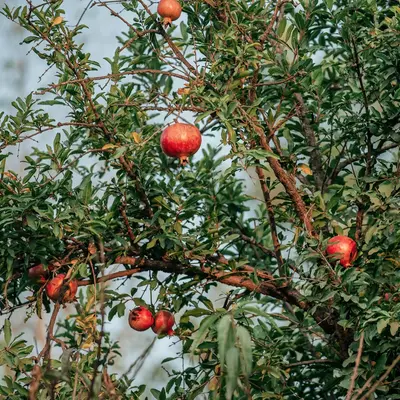
A remarkably hardy and productive hybrid pear that thrives where other pears fail, combining European and Asian pear genetics for superior disease resistance. This vigorous tree produces large, golden-yellow pears with a crisp texture that are excellent for canning, baking, and preserves. Kieffer pears are beloved by home orchardists for their reliability, long storage life, and ability to produce heavy crops even in challenging climates.
Harvest
140-160d
Days to harvest
Sun
Full sun
Zones
4–8
USDA hardiness
Height
40-50 feet
Planting Timeline
Showing dates for Kieffer Pear in USDA Zone 7
All Zone 7 fruit-tree →Zone Map
Click a state to update dates
Kieffer Pear · Zones 4–8
Growing Details
Complete Growing Guide
Plant Kieffer pears in full sun with well-draining soil to maximize their hybrid vigor and disease resistance, particularly their notable tolerance for fire blight compared to European varieties. These trees fruit reliably without requiring a pollinator, though cross-pollination increases yields—plant another pear variety nearby if space allows. Monitor for codling moth and pear psylla, which can affect productivity, and prune during dormancy to maintain an open canopy that improves air circulation and reduces fungal issues. The 140–160 day maturation period means fruit ripens in early fall in most zones, so harvest when pears reach full size but remain slightly firm, then store at room temperature for several days to develop optimal sweetness. A practical tip: thin fruit aggressively in early summer to 6–8 inches apart, which produces larger, higher-quality pears and reduces biennial bearing tendencies that can plague this otherwise prolific variety.
Light: Full sun (6 or more hours of direct sunlight a day). Soil: Clay, Loam (Silt), Sand. Soil pH: Neutral (6.0-8.0). Drainage: Good Drainage, Occasionally Dry. Height: 40 ft. 0 in. - 50 ft. 0 in.. Spread: 25 ft. 0 in. - 35 ft. 0 in.. Spacing: 12-24 feet. Maintenance: High. Propagation: Grafting, Stem Cutting. Regions: Coastal, Mountains, Piedmont.
Harvesting
Kieffer pears reach peak harvest readiness when they develop their characteristic golden-yellow color and reach full size, typically 140-160 days after bloom, with slight softening at the stem end indicating maturity. Unlike some varieties, Kieffers are best harvested all at once when the majority of fruit displays this color shift, as the tree produces synchronously. The crucial timing tip is to pick Kieffers while still firm rather than waiting for full softness on the tree, as they continue ripening during storage and will achieve optimal sweetness and texture within a few days indoors. This approach prevents overripening on the branch and maximizes their exceptional storage life, allowing you to enjoy the harvest over several weeks.
Variable fruit sizes, shapes, and colors. Teardrop shapes are most commonly known.
Color: Brown/Copper, Gold/Yellow, Green, Red/Burgundy. Type: Pome. Length: > 3 inches. Width: > 3 inches.
Garden value: Edible, Fragrant
Harvest time: Fall, Summer
Edibility: Fruits edible raw, cooked, or dried. Sweet and fragrant.
Storage & Preservation
Kieffer pears store best in a cool, humid environment between 32–40°F with 85–90% relative humidity, ideally in perforated plastic bags within a standard refrigerator or root cellar. Under these conditions, they maintain quality for 2–4 weeks, though flavor improves noticeably after 1–2 weeks of cold storage as the flesh softens and sweetness develops. For longer preservation, canning is the classic choice—these pears excel in syrups and spiced preparations due to their firm texture and ability to hold shape through processing. They also freeze well when halved and packed in light syrup, making them reliable for winter baking and butter-making projects. Drying is another viable option, concentrating their sugars further. A particular advantage with Kieffer: the slight grittiness that makes fresh eating mediocre actually becomes a pleasant texture element in preserves and butters, so don't hesitate to process slightly underripe fruit destined for the canning pot.
History & Origin
The Kieffer pear originated in the mid-nineteenth century as a chance hybrid seedling discovered by Peter Kieffer, a Philadelphia nurseryman, around 1850. The variety resulted from a cross between the European pear (Pyrus communis) and the Asian pear (Pyrus pyrifolia), combining the hardiness and disease resistance of Asian genetics with the flavor profile of European cultivars. Though documentation of the exact breeding circumstances remains sparse, Kieffer's emergence during the era of extensive pomological experimentation reflects the period's efforts to develop pears suited to North American growing conditions. The variety was widely propagated throughout the late 1800s and became especially valuable in regions where European pears struggled with blight and unfavorable climates.
Origin: Europe to N. Iraq
Advantages
- +Exceptionally hardy hybrid thrives where other pear varieties consistently fail
- +Produces abundant crops reliably even in challenging or marginal climates
- +Excellent for preserving, canning, and baking with ideal fruit characteristics
- +Very resistant to fire blight, a devastating pear disease
- +Stores exceptionally long after harvest with improved sweetness over time
Considerations
- -Flesh has inherent grittiness that some fresh-eating consumers find undesirable
- -Requires cross-pollination with compatible pear variety for optimal fruit production
- -Susceptible to multiple pests including pear psylla and codling moth
- -Mildly sweet flavor lacks the refined taste of premium pear varieties
Companion Plants
Chives and garlic planted around the drip line do double duty — their sulfur compounds confuse aphids and may deter some codling moth adults from laying eggs nearby. Comfrey earns its spot at the base of the tree for a practical reason: its roots go down 6 feet or more, pulling up calcium and potassium that shallower roots can't reach, and when you cut it back 2 or 3 times a season the leaves break down fast into usable mulch. Clover in the understory fixes nitrogen and keeps ground-foraging beneficial insects around — that matters for psylla pressure. Daffodil bulbs in a ring around the trunk are mostly there to discourage voles, which will girdle a young pear tree at the bark line. In zone 7 Georgia, that's a real threat from November through February.
Keep Kieffer well away from black walnut (Juglans nigra). Juglone — the allelopathic compound walnut roots release into the soil — is toxic to many fruit trees and will stunt or kill a pear planted within 50-60 feet of the trunk. Juniper is a problem for a different reason: it's an alternate host for cedar-apple rust (Gymnosporangium juniperi-virginianae), completing half its life cycle on juniper before sending spores back onto pear foliage. Kieffer handles rust better than most pears, but there's no reason to plant the reservoir species next door.
Plant Together
Chives
Repels aphids and Japanese beetles, improves overall tree health
Comfrey
Deep roots bring nutrients to surface, leaves make excellent mulch
Nasturtiums
Trap crop for aphids and cucumber beetles, attracts beneficial insects
Marigolds
Repel nematodes and various pests, attract pollinators
Clover
Fixes nitrogen in soil, provides ground cover and attracts beneficial insects
Daffodils
Repel rodents that may damage tree bark and roots
Lavender
Attracts pollinators and beneficial insects while repelling pests
Garlic
Repels aphids, borers, and other pests through strong sulfur compounds
Keep Apart
Black Walnut
Produces juglone toxin that inhibits growth and can kill pear trees
Juniper
Alternate host for cedar-apple rust which severely affects pear trees
Eucalyptus
Allelopathic compounds inhibit growth of nearby fruit trees
Nutrition Facts
Per 100g serving. % Daily Value based on 2,000 calorie diet. Source: USDA FoodData Central (FDC #169118)
Pests & Disease Resistance
Resistance
Excellent fire blight resistance, good overall disease tolerance
Common Pests
Pear psylla, codling moth, aphids, scale insects
Diseases
Pear scab (minor), cedar-apple rust (minor), very resistant to fire blight
Troubleshooting Kieffer Pear
What you'll see, why it happens, and what to do about it.
New shoot tips wilting, blackening, and curling downward in a shepherd's-crook shape, appearing in spring
Likely Causes
- Fire blight (Erwinia amylovora) — bacterial infection that enters through blossoms or wounds during warm, wet weather above 65°F
- Overhead irrigation or heavy rain during bloom that spreads the bacteria
What to Do
- 1.Prune infected wood at least 12 inches below the visible blackening, cutting into healthy tissue — sterilize your pruners with 70% isopropyl alcohol between every single cut
- 2.Trash the prunings immediately; do not compost them
- 3.Kieffer is one of the more fire-blight-resistant pears you can grow, so heavy infection usually means a nearby susceptible variety — Bartlett or Bosc — is acting as the source. Look around before you spray.
Small, sticky, yellow or bronze insects clustered on new growth; leaves curling and showing a sooty black coating by midsummer
Likely Causes
- Pear psylla (Cacopsylla pyricola) — the most damaging pest on pears in the eastern U.S.; nymphs excrete honeydew, which grows sooty mold
- Aphid colonies (Dysaphis pyri or related species) can produce similar symptoms on younger trees
What to Do
- 1.Spray dormant oil in late winter before bud break — this is your most effective window and kills overwintering adults
- 2.During the season, a hard blast of water knocks nymphs off new growth; repeat every few days on young trees
- 3.Keep clover or nasturtiums in the understory; lacewings and parasitic wasps do real work on psylla populations once they establish
Small, circular, dark brown or olive-green scabby spots on fruit skin and leaves, appearing from late spring through summer
Likely Causes
- Pear scab (Venturia pirina) — fungal disease that spreads during cool, wet periods between 55°F and 75°F
- Poor air circulation from an unpruned canopy or trees planted closer than 20 feet
What to Do
- 1.Kieffer has decent natural resistance to scab, so start by reviewing your pruning — open up the center so the canopy dries out within a few hours of rain
- 2.Rake and dispose of fallen leaves in autumn; the fungus overwinters in leaf litter on the ground
- 3.If infections keep coming back, apply a copper-based fungicide at bud swell the following spring per label rate — NC State Extension publishes a full spray calendar for backyard pears
Frequently Asked Questions
How long does it take for Kieffer pear trees to produce fruit?▼
Do Kieffer pears need a pollinator tree?▼
Can you eat Kieffer pears fresh off the tree?▼
What zones can grow Kieffer pears successfully?▼
Why are my Kieffer pears hard and tasteless?▼
How big do Kieffer pear trees get?▼
Zone-by-Zone Planting Calendar
Growing Guides from Wind River Greens
Sources & References
External authority sources used in compiling this guide.
See the Methodology page for how this data is sourced, what's AI-assisted, and known limitations.