Freestone Peach
Prunus persica 'Freestone'
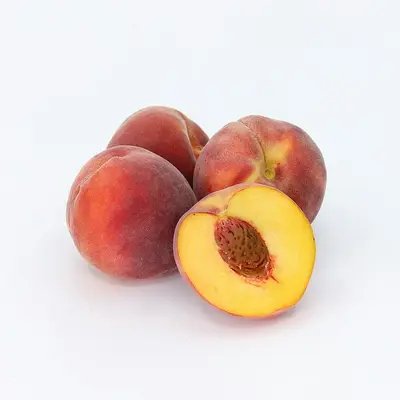
The quintessential summer peach that defines what a perfect peach should be - incredibly juicy, sweet, and aromatic with flesh that separates easily from the pit. These classic peaches are a home gardener's dream, producing abundant crops of large, blushed fruits that are perfect for fresh eating, preserving, or sharing with neighbors. Nothing beats the satisfaction of biting into a sun-warmed peach picked fresh from your own tree.
Harvest
120-150d
Days to harvest
Sun
Full sun
Zones
5–9
USDA hardiness
Height
15-25 feet
Planting Timeline
Showing dates for Freestone Peach in USDA Zone 7
All Zone 7 fruit-tree →Zone Map
Click a state to update dates
Freestone Peach · Zones 5–9
Growing Details
Complete Growing Guide
Freestone peaches require full sun exposure and well-draining soil to develop their signature sweetness and achieve reliable fruit separation from the pit. Unlike generic peach varieties, Freestones need consistent watering during fruit development—irregular moisture causes flesh-to-pit adhesion, defeating their primary advantage. These trees fruit on one-year-old wood, making dormant season pruning critical; prune in late winter before bud break to maintain an open canopy and encourage productive growth. Watch for brown rot and peach leaf curl, common fungal issues in humid climates; thin fruits aggressively in spring to 6-8 inches apart for large, high-quality harvests. The variety also demands adequate chilling hours (typically 600-900 depending on selection) and may produce inconsistently in warm zones. A practical tip: hand-thin developing fruits earlier rather than later to redirect energy into fewer, exceptional peaches rather than numerous mediocre ones.
Light: Full sun (6 or more hours of direct sunlight a day). Soil: Clay, High Organic Matter, Loam (Silt), Sand. Soil pH: Acid (<6.0), Neutral (6.0-8.0). Drainage: Good Drainage, Moist. Height: 15 ft. 0 in. - 25 ft. 0 in.. Spread: 15 ft. 0 in. - 25 ft. 0 in.. Growth rate: Rapid. Maintenance: High. Regions: Coastal, Mountains, Piedmont.
Harvesting
Freestone peaches reach peak harvest readiness when they display a deep golden-red blush across their surface and yield slightly to gentle palm pressure, signaling that the flesh has fully separated from the pit. These fruits typically reach full size—about 2.5 to 3 inches in diameter—well before optimal eating quality develops, so size alone shouldn't dictate harvest timing. Rather than picking all peaches at once, employ continuous harvesting by visiting your tree every 2-3 days throughout the season, selecting only those fruits that release with a gentle twist; this selective approach encourages the tree to continue ripening remaining peaches rather than diverting energy into over-mature fruit. A crucial timing tip: harvest in early morning when fruits are cool, as they're less likely to bruise and will maintain better texture during storage or processing.
Juicy fleshy fruit in summer is yellow to orange, tinged with red with a large, rough pit (stone). They are fuzzy with hairs and called peaches. A recessive gene can cause the fruit to be smooth and hairless and they are called nectarines. Generally round or slightly oval and 3 x 3 inches.
Color: Gold/Yellow, Orange, Red/Burgundy. Type: Drupe. Length: 1-3 inches. Width: 1-3 inches.
Garden value: Edible
Harvest time: Summer
Edibility: Fruit edible raw or cooked. The seed contains hydrogen cyanide and should be discarded
Storage & Preservation
Fresh freestone peaches continue ripening after harvest, so store slightly underripe fruits at room temperature for 2-3 days to develop full flavor and aroma. Once perfectly ripe, refrigerate for 3-5 days maximum, as cold storage diminishes their taste and creates mealy texture if stored too long.
For longer preservation, freestone peaches excel at freezing due to their easy pit removal. Blanch in boiling water for 1 minute, slip off skins, slice, and freeze on trays before bagging. Add ascorbic acid to prevent browning. They maintain quality for 8-10 months frozen.
Canning works beautifully for freestone varieties - their firm flesh holds shape well in syrup or juice. The easy pit removal makes processing efficient for jams, preserves, and pie fillings. Dehydrating creates excellent leather or dried slices, concentrating the sweet, floral flavors that make freestone peaches so prized.
History & Origin
The freestone peach type emerged as a natural mutation within peach cultivation, where the flesh separates cleanly from the pit rather than clinging to it like clingstone varieties. While specific breeding records for the 'Freestone Peach' cultivar are not well-documented, freestone peaches represent a significant development in peach breeding that likely occurred across multiple growing regions during the 19th and 20th centuries. The trait became increasingly selected for and stabilized by nurseries and home gardeners who valued the convenience and eating experience. Many commercial freestone varieties trace their lineage to broader peach breeding programs, though the exact origins of this particular cultivar remain obscured by time and regional horticultural tradition.
Origin: China
Advantages
- +Flesh separates easily from pit, making eating and processing incredibly convenient
- +Produces abundant crops of large, sweet, juicy fruits perfect for fresh eating
- +Intensely aromatic and flavorful with complex peachy and floral notes
- +Matures in 120-150 days, providing reliable summer harvests for home gardeners
Considerations
- -Highly susceptible to peach leaf curl and brown rot in humid climates
- -Requires careful pest management due to peach tree borers and oriental fruit moths
- -Demands well-drained soil and full sun exposure for optimal fruit quality
Companion Plants
Lavender and marigolds planted around the drip line do real work — lavender draws parasitic wasps that prey on aphid colonies, while marigolds disrupt oriental fruit moth adults searching for a landing spot. Garlic and chives interplanted nearby are thought to deter scale insects and borers, and they're productive enough in the kitchen to justify the space on that basis alone. Comfrey is worth growing at the base: its roots pull calcium and potassium from 6 feet down, and cut leaves laid as mulch break down into something close to a slow fertilizer. Black walnut is the one to keep off the property entirely — juglone leaches from its roots far enough to reach a Prunus persica planted 50 feet away, causing slow, unexplained decline that looks like drought stress until the tree is already failing.
Plant Together
Lavender
Repels peach tree borers and other pests while attracting beneficial pollinators
Marigolds
Deters nematodes and aphids, provides natural pest control
Comfrey
Deep roots bring up nutrients, leaves make excellent mulch and compost
Tansy
Repels ants, flying insects, and helps deter peach fruit fly
Nasturtiums
Acts as trap crop for aphids and cucumber beetles, attracts beneficial insects
Chives
Repels aphids and may help prevent peach leaf curl disease
Strawberries
Ground cover that doesn't compete with shallow roots, attracts beneficial insects
Garlic
Natural fungicide properties help prevent peach diseases and repel borers
Keep Apart
Black Walnut
Produces juglone which is toxic to peach trees and causes stunting or death
Tomatoes
Both susceptible to similar diseases and pests, increasing infection risk
Cherry Trees
Share common pests like oriental fruit moth and diseases like brown rot
Nutrition Facts
Per 100g serving. % Daily Value based on 2,000 calorie diet. Source: USDA FoodData Central (FDC #325430)
Pests & Disease Resistance
Resistance
Susceptible to peach leaf curl, brown rot, and bacterial spot
Common Pests
Peach tree borer, oriental fruit moth, scale insects, aphids
Diseases
Peach leaf curl, brown rot, bacterial spot, powdery mildew
Troubleshooting Freestone Peach
What you'll see, why it happens, and what to do about it.
Leaves puckered, reddish, and blistered in spring, often before the tree fully leafs out
Likely Causes
- Peach leaf curl (Taphrina deformans) — a fungal disease that infects during cool, wet spring weather when buds are swelling
- Missed dormant spray window — the fungus gets in before most gardeners think to treat
What to Do
- 1.Spray with a copper fungicide or lime-sulfur during full dormancy, before buds show any green — typically late February to early March in zone 7
- 2.If the tree is already symptomatic, pull and bag the affected leaves; the tree will push new growth and usually recover, but expect reduced fruit set that year
- 3.Mark your calendar now for next dormant season — one well-timed spray prevents nearly all leaf curl infections
Fruit develops soft brown spots that spread quickly, often with tan powdery spore masses on the surface, starting at ripening
Likely Causes
- Brown rot (Monilinia fructicola) — extremely common on stone fruit, spreads fast in warm humid conditions above 70°F
- Damaged or cracked fruit skin from insects or mechanical injury, giving the fungus an entry point
What to Do
- 1.Pick fruit promptly at ripeness — don't let ripe peaches hang; Monilinia fructicola can take a fruit from perfect to mummified in 48 hours
- 2.Remove and dispose of all mummified fruit from the tree and the ground; those dried-up peaches are the primary inoculum source for next season
- 3.Apply a labeled fungicide (myclobutanil or captan) on a 7-10 day schedule starting at petal fall if brown rot has been recurring
Sawdust-like frass at the base of the trunk, sometimes with amber gummosis, on trees 1-4 years old
Likely Causes
- Peach tree borer (Synanthedon exitiosa) — the larva bores into the crown and upper roots just below the soil line
- Eggs laid by clearwing moths in mid-to-late summer, with larvae overwintering inside the tree
What to Do
- 1.Pull mulch and soil away from the trunk base each fall to reduce egg-laying habitat and expose larvae to cold and predators
- 2.Apply a trunk spray of permethrin or spinosad from mid-July through August to kill newly hatched larvae before they bore in — timing matters more than product choice here
- 3.For established infestations, probe entry holes with a flexible wire to kill larvae mechanically; a heavy infestation on a young tree can kill it outright, so don't sit on this
Frequently Asked Questions
How long does it take for freestone peach trees to produce fruit?▼
What's the difference between freestone and clingstone peaches?▼
Can you grow freestone peaches in containers?▼
When should I plant freestone peach trees?▼
Are freestone peaches good for beginner gardeners?▼
How do I prevent peach leaf curl on freestone peach trees?▼
Zone-by-Zone Planting Calendar
Growing Guides from Wind River Greens
Sources & References
External authority sources used in compiling this guide.
See the Methodology page for how this data is sourced, what's AI-assisted, and known limitations.