Stella Cherry
Prunus avium 'Stella'
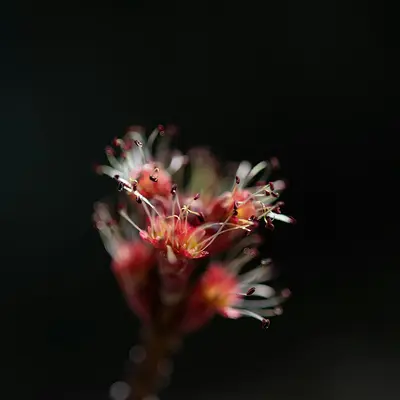
The first self-fertile sweet cherry variety, revolutionizing home cherry growing by eliminating the need for a second pollinator tree. These large, heart-shaped cherries have deep red skin and firm, sweet flesh that's perfect for fresh eating right off the tree. Stella trees are compact and manageable, making them ideal for smaller home orchards where space is at a premium but cherry cravings are not.
Harvest
65-70d
Days to harvest
Sun
Full sun
Zones
3–8
USDA hardiness
Difficulty
Moderate
Planting Timeline
Showing dates for Stella Cherry in USDA Zone 7
All Zone 7 fruit-tree →Zone Map
Click a state to update dates
Stella Cherry · Zones 3–8
Growing Details
Complete Growing Guide
As a self-fertile sweet cherry, Stella eliminates the pollinator requirement that constrains most cherry varieties, though cross-pollination still improves yields moderately. Plant in full sun with well-draining soil and ensure consistent moisture during fruit development, particularly in the 65-70 day ripening window when trees are vulnerable to crack-prone splits during heavy rains. Stella's compact growth habit requires less dormant pruning than standard sweet cherries, but branch angles tend toward obtuse, reducing structural problems—focus instead on removing crossing canes early. The variety shows notable susceptibility to brown rot and cherry leaf spot in humid climates; thin fruit to one cherry per cluster when marble-sized to improve air circulation and reduce fungal pressure. A practical approach: net trees during ripening to outpace bird damage, the primary pest threat, rather than relying on chemical deterrents.
Light: Full sun (6 or more hours of direct sunlight a day). Maintenance: High.
Harvesting
Stella cherries reach peak harvest maturity when they develop a deep burgundy to nearly black color, achieve their full heart shape, and feel slightly soft when gently squeezed—a subtle give indicating optimal sugar content without mushiness. Unlike some cherry varieties that ripen all at once, Stella cherries mature gradually over a two-to-three-week window, allowing for multiple selective harvings rather than a single bulk harvest. Pick cherries in the early morning after dew dries, as cooler temperatures help preserve firmness and flavor. Always harvest with the stem attached to prevent splitting and extend shelf life, and aim to pick every two to three days during peak season for the sweetest, most tender fruit.
Fleshy, yellow to red to purple-red, with a large pit (stone) and long stem.
Color: Gold/Yellow, Purple/Lavender, Red/Burgundy. Type: Drupe. Length: < 1 inch. Width: < 1 inch.
Garden value: Edible
Edibility: Fruit edible raw or cooked.
Storage & Preservation
Fresh Stella cherries keep best when stored unwashed in the refrigerator at 32-35°F with high humidity. Place them in perforated plastic bags in the crisper drawer where they'll maintain quality for 7-10 days. For counter storage, keep them in a cool spot away from direct sunlight and use within 2-3 days.
For freezing, wash and pit the cherries, then spread on baking sheets to freeze individually before transferring to freezer bags. Frozen Stellas maintain excellent texture for baking and smoothies for up to 8 months. Their firm flesh also makes them excellent candidates for canning — follow tested recipes for cherry preserves or pie filling. The sweet-tart balance holds up beautifully in jams, requiring less added sugar than many sweet cherry varieties. Dehydrated Stella cherries develop an intense, concentrated sweetness that rivals expensive dried cherries from the store.
History & Origin
Stella Cherry emerged from the University of British Columbia's breeding program in the 1960s, where it was developed as a breakthrough self-fertile sweet cherry cultivar. This advancement represented a significant departure from traditional sweet cherry cultivation, which typically required cross-pollination from compatible varieties. The variety likely draws from crosses involving earlier self-compatible cherry lines, though detailed parentage documentation remains limited in public sources. Its introduction revolutionized home gardening by making cherry cultivation accessible to growers with space constraints, as a single tree could now produce a full crop without requiring a separate pollinator variety planted nearby.
Origin: Europe to Afghanistan, Northern Africa
Advantages
- +Self-fertile variety eliminates the need for a second pollinator tree
- +Large heart-shaped cherries with deep red skin and sweet flavor
- +Compact, manageable tree size perfect for small home orchards
- +Firm, meaty texture ideal for fresh eating straight off tree
- +Ready to harvest in just 65-70 days during peak season
Considerations
- -Vulnerable to brown rot, particularly in humid or wet conditions
- -Attracts cherry fruit flies and birds requiring active pest management
- -Susceptible to bacterial canker which can damage tree structure permanently
- -Moderate growing difficulty requires proper pruning and disease prevention efforts
Companion Plants
Chives and garlic planted around the drip line earn their spot by confusing aphids — the volatile sulfur compounds alliums emit genuinely disrupt soft-bodied insects, and neither plant competes seriously with a tree rooted 3-4 feet deep. Comfrey is worth growing nearby for a different reason: its roots pull calcium and potassium up from 5-6 feet down, and chopping the leaves onto the soil surface gives you a free, slow-release mulch. Keep turf grass clear of the drip line entirely — it's a quiet but relentless competitor for the 1-1.5 inches of weekly water Stella needs, and it wins more often than you'd think. Black walnut produces juglone, a root exudate that's acutely toxic to Prunus avium; if one's nearby, 50 feet of separation is the minimum, and even that's cutting it close on a standard-sized tree.
Plant Together
Chives
Repels aphids, Japanese beetles, and other pests that commonly attack cherry trees
Marigolds
Deter nematodes and aphids while attracting beneficial insects
Nasturtiums
Act as trap crops for aphids and cucumber beetles, protecting cherry trees
Comfrey
Deep roots bring nutrients to surface, leaves make excellent mulch and compost
Lavender
Repels moths and flies while attracting pollinators beneficial for fruit set
Tansy
Deters ants, mice, and flying insects that can damage cherry trees
Garlic
Natural fungicide properties help prevent bacterial canker and brown rot
Clover
Fixes nitrogen in soil and provides ground cover to retain moisture
Keep Apart
Black Walnut
Produces juglone toxin that inhibits cherry tree growth and can cause wilting
Fennel
Allelopathic properties inhibit growth of cherry trees and most other plants
Grass (turf)
Competes heavily for water and nutrients, especially problematic for young trees
Nutrition Facts
Per 100g serving. % Daily Value based on 2,000 calorie diet. Source: USDA FoodData Central (FDC #171719)
Pests & Disease Resistance
Resistance
Good resistance to cracking, moderate disease resistance
Common Pests
Cherry fruit fly, aphids, spider mites, birds
Diseases
Brown rot, leaf spot, powdery mildew, bacterial canker
Troubleshooting Stella Cherry
What you'll see, why it happens, and what to do about it.
Fruit shriveling, turning brown, and developing fuzzy gray-tan spore masses before or just after ripening
Likely Causes
- Brown rot (Monilinia fructicola) — a fungal disease that spreads fast in warm, humid conditions, especially after rain splits the skin
- Wounds from birds or cherry fruit fly (Rhagoletis cingulata) giving the fungus an entry point
What to Do
- 1.Pick and destroy every mummified or infected fruit — don't leave them on the tree or the ground
- 2.Apply a copper-based fungicide or a labeled myclobutanil product at petal fall and again 10-14 days later
- 3.Thin fruit clusters so air can move through; touching fruits spread the disease to each other fast
Small, circular purple or brown spots on leaves by midsummer, sometimes with yellow halos, followed by early leaf drop
Likely Causes
- Cherry leaf spot (Blumeriella jaapii) — a fungal disease that overwinters in fallen leaves and shoots spores up in wet spring weather
- Overhead irrigation keeping foliage wet longer than it needs to be
What to Do
- 1.Rake and remove all fallen leaves in autumn — this single step cuts inoculum more than any spray program will
- 2.Switch to drip irrigation or water at the base; prolonged leaf wetness is what Blumeriella needs to sporulate
- 3.Apply a labeled fungicide (chlorothalonil or myclobutanil) starting at petal fall if you had leaf spot the previous season
Sunken, oozing cankers on branches or the trunk, often with amber-colored gum weeping from the wound; affected branches die back
Likely Causes
- Bacterial canker (Pseudomonas syringae) — most active in cool, wet spring weather; enters through pruning cuts, frost cracks, or insect damage
- Pruning during wet weather, which leaves fresh wounds exposed when bacterial pressure is highest
What to Do
- 1.Cut out cankered wood 4-6 inches below any visible discoloration, back into clean, healthy tissue
- 2.Schedule major pruning for dry summer weather — late fall and early spring are the worst times on Prunus species
- 3.Sterilize pruning tools with 70% isopropyl alcohol between every cut so you don't carry the pathogen to healthy wood
Frequently Asked Questions
How long does Stella cherry take to produce fruit?▼
Can you grow Stella cherry in containers?▼
What does Stella cherry taste like compared to store-bought?▼
When should I plant Stella cherry trees?▼
Do Stella cherries need a pollinator tree?▼
How do you protect Stella cherries from birds?▼
Zone-by-Zone Planting Calendar
Growing Guides from Wind River Greens
Sources & References
External authority sources used in compiling this guide.
- ExtensionNC State Extension
- USDAUSDA FoodData Central
See the Methodology page for how this data is sourced, what's AI-assisted, and known limitations.