Montmorency Sour Cherry
Prunus cerasus 'Montmorency'
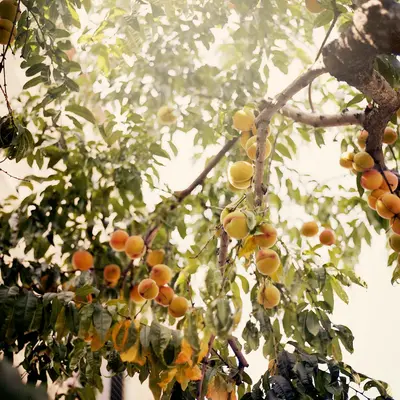
The quintessential pie cherry that produces abundant crops of bright red, tart cherries perfect for baking, preserves, and classic American desserts. This self-fertile variety is incredibly hardy and reliable, thriving in northern climates where sweet cherries struggle. Montmorency cherries are prized by bakers for their ability to hold their shape when cooked and their perfect balance of tartness and subtle sweetness.
Harvest
75-80d
Days to harvest
Sun
Full sun
Zones
3–8
USDA hardiness
Difficulty
Easy to moderate
Planting Timeline
Showing dates for Montmorency Sour Cherry in USDA Zone 7
All Zone 7 fruit-tree →Zone Map
Click a state to update dates
Montmorency Sour Cherry · Zones 3–8
Growing Details
Complete Growing Guide
Light: Full sun (6 or more hours of direct sunlight a day). Soil: High Organic Matter. Drainage: Good Drainage, Moist. Growth rate: Rapid. Maintenance: High.
Harvesting
Round red drupes with a center seed are sour to taste
Color: Red/Burgundy. Type: Drupe. Length: < 1 inch. Width: < 1 inch.
Garden value: Edible
Harvest time: Summer
Edibility: Fruit is used both fresh and dried
Storage & Preservation
Montmorency cherries keep best at 32–40°F with 90–95% humidity in shallow containers lined with paper towels, ideally used within 7–10 days of harvest. Their firm flesh resists bruising better than sweeter varieties, making them relatively forgiving during storage.
For longer preservation, freezing works exceptionally well—pit and freeze on trays before bagging to prevent clumping. Canning as pie filling or juice captures their signature tartness beautifully; their natural pectin content makes jam-setting straightforward with minimal added sugar. Drying concentrates their tangy flavor, producing chewy snacks suitable for winter baking. The variety's high acid content (around 1.5% malic acid) makes it naturally suited to both water-bath canning and fermentation if you're experimenting with preserved juices.
A useful tip: freeze unpitted cherries whole for later pit removal—the flesh separates more easily once thawed, saving time during processing.
History & Origin
Origin: Europe to SW Asia
Advantages
- +Attracts: Butterflies, Pollinators
- +Edible: Fruit is used both fresh and dried
- +Fast-growing
Considerations
- -Toxic (Leaves, Seeds, Stems): Medium severity
- -High maintenance
Companion Plants
Chives and garlic planted around the drip line do real work here — both are alliums, and their sulfur compounds are genuinely off-putting to aphids, which cluster on new Montmorency growth in spring. Comfrey is worth growing nearby for a different reason: its deep taproots pull calcium and potassium up from subsoil layers the cherry roots can't reach, and when you chop and drop the leaves as mulch, those nutrients become available right at the surface. White clover as a ground cover under the canopy fixes nitrogen and suppresses the grass competition that young trees in the 15–20 foot spacing zone really don't need.
Black walnut is the companion to treat as a hard boundary: Prunus cerasus is documented as sensitive to juglone, the allelopathic compound Juglans nigra releases through its roots and decomposing hulls — sour cherry decline near black walnuts is well-documented enough that most extension services call it out by name. Elderberry is a softer concern but still worth keeping away: it hosts Rhagoletis cingulata populations and shares several fungal diseases with cherry, so it functions less like a companion and more like a reservoir of problems sitting next door.
Plant Together
Chives
Repels aphids and other pests while attracting beneficial insects
Comfrey
Deep roots bring nutrients to surface, leaves make excellent mulch
Nasturtium
Acts as trap crop for aphids and cucumber beetles, deters ants
Marigold
Repels nematodes and various flying pests with strong scent
Tansy
Deters ants, mice, and flying insects that damage fruit
Dill
Attracts beneficial wasps and predatory insects that control cherry pests
White Clover
Fixes nitrogen in soil and provides living mulch
Garlic
Repels aphids, borers, and fungal diseases
Keep Apart
Black Walnut
Produces juglone which is toxic to cherry trees and inhibits growth
Grass Lawn
Competes heavily for water and nutrients, inhibits root development
Elderberry
Attracts spotted wing drosophila which damages cherry fruit
Nutrition Facts
Per 100g serving. % Daily Value based on 2,000 calorie diet. Source: USDA FoodData Central (FDC #171719)
Pests & Disease Resistance
Resistance
Good resistance to brown rot and leaf spot
Common Pests
Cherry fruit fly, aphids, scale, birds
Diseases
Brown rot, leaf spot, powdery mildew, bacterial canker
Troubleshooting Montmorency Sour Cherry
What you'll see, why it happens, and what to do about it.
Fruit shriveling, turning brown, and developing gray fuzzy spores before or just after ripening
Likely Causes
- Brown rot (Monilinia fructicola) — the single most common reason Montmorency crops fail; spreads fast in warm, humid weather above 70°F
- Wounds from cherry fruit fly (Rhagoletis cingulata) or bird pecks giving the fungus an entry point
What to Do
- 1.Pick and dispose of every mummified or rotting fruit on the tree and ground — don't compost them
- 2.Apply a copper-based or sulfur fungicide at petal fall and again 10–14 days later, before symptoms appear
- 3.Thin fruit clusters so cherries aren't touching; contact between fruit accelerates spread dramatically
Small circular purple or brown spots on leaves by midsummer, often followed by early defoliation
Likely Causes
- Cherry leaf spot (Blumeriella jaapii) — a fungal disease that overwinters in fallen leaves and splashes up during rain
- Overhead irrigation hitting foliage when temps are between 60–80°F, the sweet spot for spore germination
What to Do
- 1.Rake and bag every fallen leaf in autumn — this breaks the overwintering cycle better than any spray program
- 2.Switch to drip irrigation or soaker hoses; keep water off the canopy entirely
- 3.If defoliation happens two years running, apply a labeled fungicide (chlorothalonil or myclobutanil) on a 10-day schedule starting at petal fall
Sunken, oozing cankers on branches with amber gum weeping from the bark, sometimes killing whole limbs
Likely Causes
- Bacterial canker (Pseudomonas syringae) — enters through pruning wounds, frost cracks, or insect damage
- Pruning during wet weather, which gives the bacteria easy access to fresh cuts
What to Do
- 1.Prune only during dry weather in late summer (August in most zones) when bacterial pressure is lowest — not in spring
- 2.Cut 6–8 inches below any visible canker margin into clean wood, and sterilize your tools with 70% isopropyl alcohol between cuts
- 3.Remove and burn or bag affected wood; don't leave it lying under the tree
Frequently Asked Questions
How long does it take for Montmorency cherry trees to produce fruit?▼
Can you grow Montmorency cherry trees in containers?▼
Do Montmorency cherry trees need a pollinator?▼
When should I plant Montmorency cherry trees?▼
What does Montmorency cherry taste like compared to sweet cherries?▼
How do I protect Montmorency cherries from birds?▼
Zone-by-Zone Planting Calendar
Growing Guides from Wind River Greens
Sources & References
External authority sources used in compiling this guide.
- ExtensionNC State Extension
- USDAUSDA FoodData Central
See the Methodology page for how this data is sourced, what's AI-assisted, and known limitations.