Zone 4 Coverage
Planting Timeline — All Varieties
Growing Fruit Trees in Zone 4
Zone 4 presents unique opportunities and challenges for fruit tree cultivation, with its harsh winters dipping to -30°F but offering blessed relief from many pest pressures that plague warmer regions. The key to success lies in selecting varieties bred specifically for cold hardiness – those tender citrus and tropical fruits simply won't survive your winters outdoors, though some can thrive as container plants moved indoors. Your shorter growing season actually works in favor of certain varieties, particularly apples and sour cherries that require substantial winter chill hours to fruit properly.
When choosing fruit trees for Zone 4, prioritize cold-hardy varieties with shorter maturation periods that can ripen within your 135-day growing window. Look for disease-resistant cultivars, as the humidity and temperature swings common in northern climates can encourage fungal issues. The most reliable performers in your zone include hardy apples like Honeycrisp, Liberty, and Early Harvest, along with Montmorency sour cherries and select plum varieties. These trees have been specifically bred or selected to handle your climate extremes while still producing quality fruit.
Variety Comparison
| Variety ↑ | Days | Difficulty |
|---|---|---|
| Anna Apple | 90-100 | Easy to Moderate |
| Bartlett Pear | 130-160 | Moderate |
| Bing Cherry | 100-120 | Moderate to Difficult |
| Dorsett Golden Apple | — | Easy to moderate |
| Dwarf Red Delicious Apple | — | Moderate |
| Early Harvest Apple | 100-110 | Easy to Moderate |
| Fuji Apple | 150-180 | Moderate |
| Gala Apple | 110-130 | Easy to moderate |
| Golden Delicious Apple | 120-140 | Easy to moderate |
| Granny Smith Apple | 160-180 | Moderate |
| Honeycrisp Apple | 120-150 | Moderate |
| Italian Prune Plum | 100-120 | Easy |
| Kieffer Pear | 140-160 | Easy |
| Liberty Apple | 130-140 | Easy to moderate |
| Montmorency Sour Cherry | 75-80 | Easy to moderate |
| Pink Lady Apple | 200-210 | Moderate to challenging |
| Red Delicious Apple | 120-150 | Easy |
| Seckel Pear | 130-150 | Easy to moderate |
| Stella Cherry | 65-70 | Moderate |
Variety Details
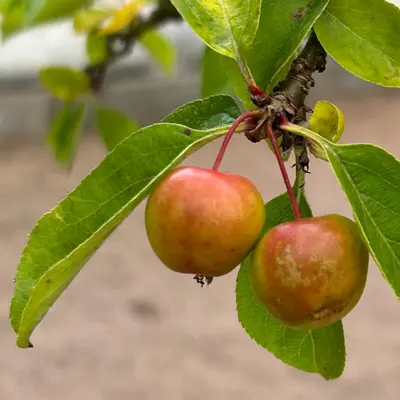
Anna Apple
A remarkable low-chill apple variety that thrives in warm climates where traditional apples fail. Developed in Israel, Anna produces crisp, sweet-tart fruits with beautiful red striping over yellow skin. This early-ripening variety is perfect for southern gardeners who thought they couldn't grow apples in their climate.
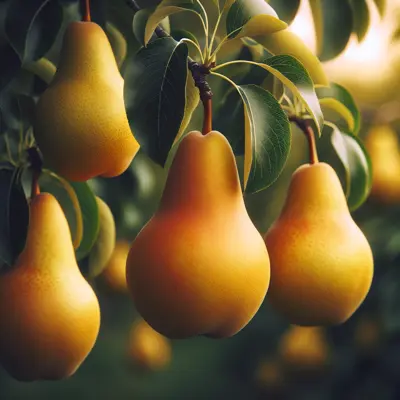
Bartlett Pear
America's most popular pear variety, known for its classic bell shape and incredibly juicy, buttery flesh that melts in your mouth. Also called Williams pear in Europe, Bartlett transforms from green to golden yellow when ripe and fills the air with an intoxicating sweet fragrance. This reliable producer has been the standard for fresh eating and canning for over 200 years.
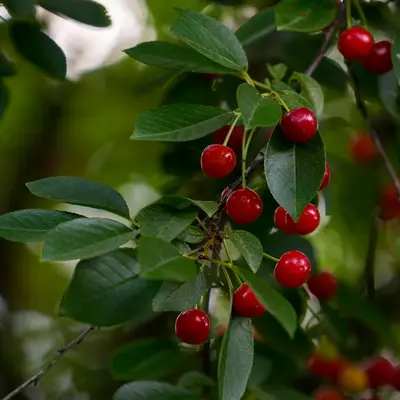
Bing Cherry
The king of sweet cherries with large, heart-shaped fruits that showcase a deep mahogany color and firm, juicy flesh bursting with rich sweetness. Developed in Oregon in the 1870s, Bing cherries are the gold standard for fresh eating and represent everything people love about summer stone fruit. These premium cherries command top prices at farmers markets and grocery stores alike.
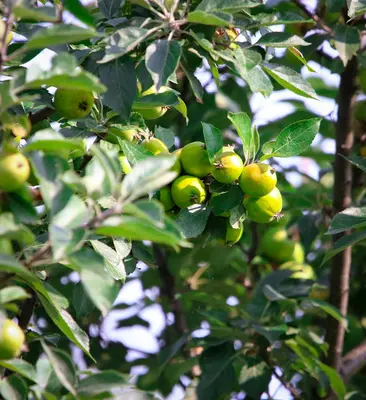
Dorsett Golden Apple
A unique apple variety specifically bred for warm climates, thriving where other apples fail in zones 8-10. This low-chill variety produces crisp, sweet apples with beautiful golden-yellow skin and can fruit in areas with mild winters. Originally developed in the Bahamas, it's perfect for southern gardeners who thought they couldn't grow apples.
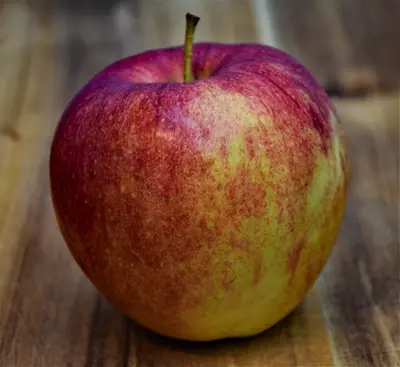
Dwarf Red Delicious Apple
The classic American apple in a space-saving dwarf form that makes it perfect for small yards and containers. Despite mixed reviews of commercial fruit, home-grown Red Delicious apples offer much better flavor and the iconic deep red color that made this variety famous. This dwarf version produces full-sized apples on a tree that stays manageable for easy harvesting.
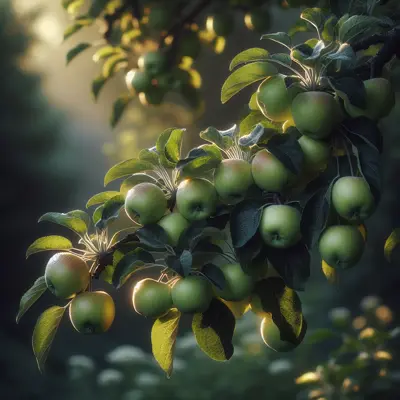
Early Harvest Apple
One of the earliest ripening apples, this historic American heirloom delivers crisp, tart apples perfect for cooking and fresh eating when you're craving that first taste of apple season. Dating back to the 1600s, this reliable variety thrives in hot, humid climates where many other apples struggle and doesn't require a pollination partner. Its pale yellow fruits have a distinctly refreshing tartness that makes exceptional pies, sauce, and cider.
Fuji Apple
A Japanese apple variety beloved for its incredibly sweet, crisp flesh and exceptional storage life that can last months in proper conditions. These large, attractive apples with their red-striped yellow skin are perfect for fresh eating and maintain their crunch better than most varieties. Fuji trees are reliable producers that adapt well to various climates, making them ideal for home orchards.
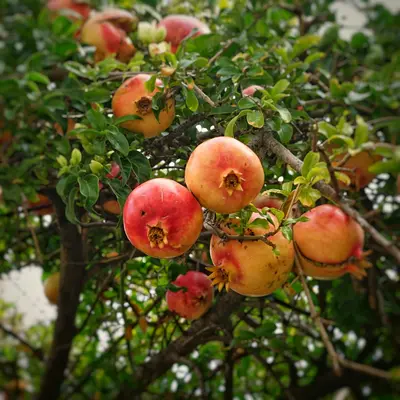
Gala Apple
New Zealand's gift to the apple world, Gala has become one of the most popular varieties globally thanks to its perfect balance of sweet flavor and crisp texture. These beautiful red and yellow striped apples ripen earlier than most varieties, making them perfect for gardeners wanting fresh apples by late summer. Gala trees are reliable producers and the sweet, mild fruit appeals to both children and adults.
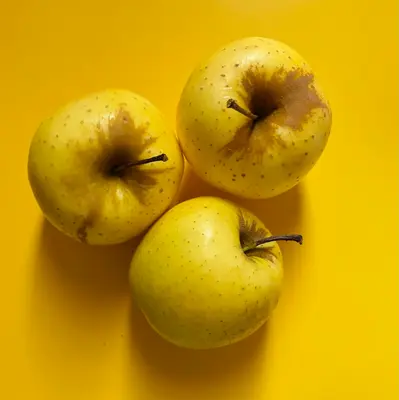
Golden Delicious Apple
One of America's most beloved apple varieties, originating from West Virginia in the early 1900s. This self-pollinating tree produces sweet, crisp apples with distinctive golden-yellow skin that's perfect for fresh eating, baking, and sauce making. Known for its reliable production and excellent storage qualities, making it a top choice for home orchards.
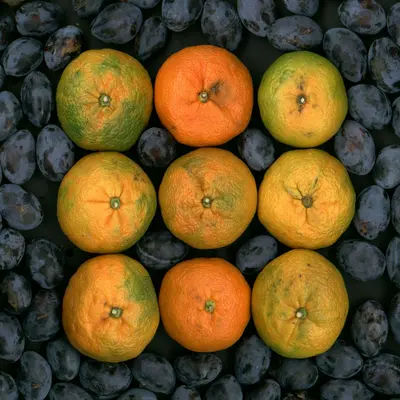
Granny Smith Apple
The iconic tart green apple that's a staple in kitchens worldwide, prized for its crisp texture and bright acidic flavor that holds up beautifully in baking. This Australian heirloom produces heavy crops of large, bright green apples that store exceptionally well for months. A reliable performer that's perfect for gardeners who want a classic apple variety that excels in both fresh eating and culinary applications.
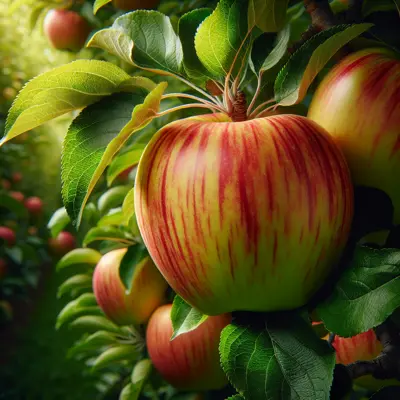
Honeycrisp Apple
The apple that revolutionized the industry with its explosive crunch and perfect sweet-tart balance. Developed at the University of Minnesota, Honeycrisp produces large, juicy apples with cells that burst with flavor when bitten. This cold-hardy variety stores exceptionally well and consistently ranks as America's favorite apple for fresh eating.
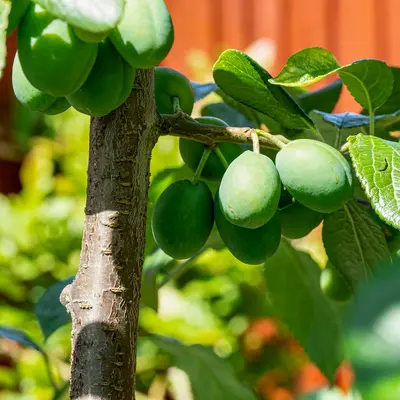
Italian Prune Plum
Also known as Fellenberg, this European plum variety is the gold standard for drying into prunes, but fresh fruits are equally delicious with their sweet, rich flavor and firm texture. The oval, purple-blue fruits have golden flesh that's perfect for fresh eating, baking, or preserving. This productive tree is self-fertile and cold-hardy, making it an excellent choice for home orchards seeking a reliable, multipurpose plum variety.
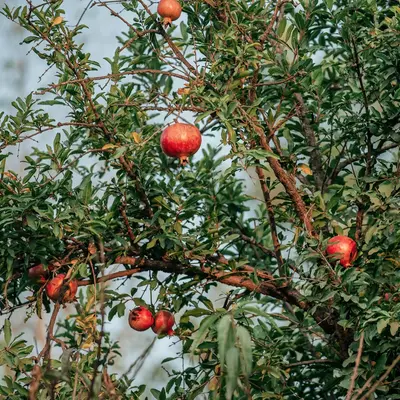
Kieffer Pear
A remarkably hardy and productive hybrid pear that thrives where other pears fail, combining European and Asian pear genetics for superior disease resistance. This vigorous tree produces large, golden-yellow pears with a crisp texture that are excellent for canning, baking, and preserves. Kieffer pears are beloved by home orchardists for their reliability, long storage life, and ability to produce heavy crops even in challenging climates.
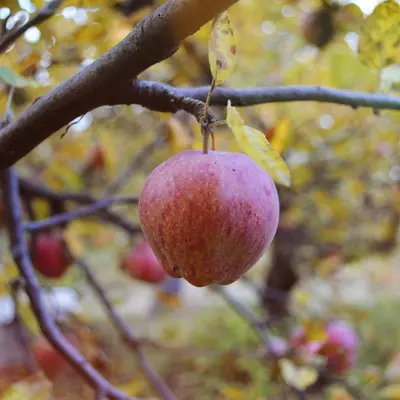
Liberty Apple
A disease-resistant apple variety bred specifically for organic and low-spray growing, making it perfect for home gardeners who want beautiful apples without intensive pest management. This medium-sized red apple offers excellent eating quality with crisp, juicy flesh and a well-balanced sweet-tart flavor reminiscent of McIntosh. Liberty trees are vigorous, productive, and their outstanding resistance to major apple diseases makes them one of the best choices for sustainable home orcharding.
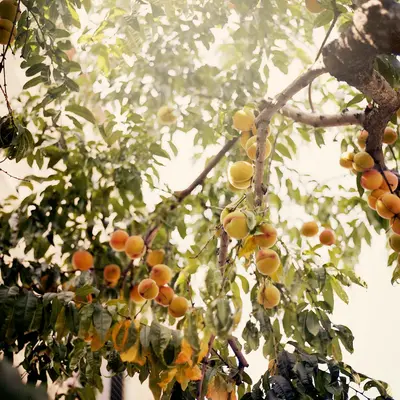
Montmorency Sour Cherry
The quintessential pie cherry that produces abundant crops of bright red, tart cherries perfect for baking, preserves, and classic American desserts. This self-fertile variety is incredibly hardy and reliable, thriving in northern climates where sweet cherries struggle. Montmorency cherries are prized by bakers for their ability to hold their shape when cooked and their perfect balance of tartness and subtle sweetness.
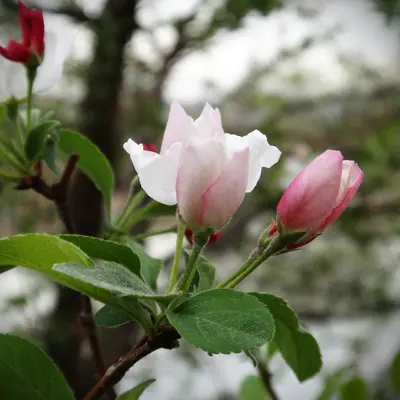
Pink Lady Apple
A premium late-season apple with stunning pink blush over yellow-green skin and an exceptional sweet-tart flavor that improves with storage. This Australian-bred variety requires a long, warm growing season to develop its signature taste and beautiful coloring, making it perfect for gardeners in warmer apple-growing regions. Pink Lady apples are prized for their crisp texture, excellent keeping quality, and complex flavor that balances sweetness with refreshing acidity.
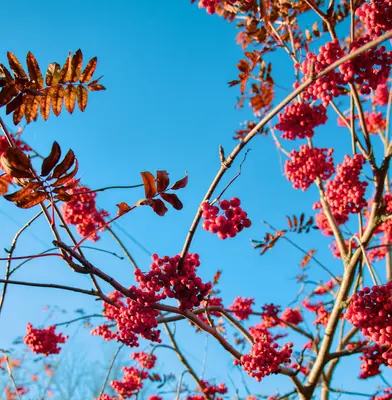
Red Delicious Apple
America's classic apple variety, instantly recognizable by its deep red skin and distinctive elongated shape with five prominent bumps at the base. While modern tastes have shifted toward newer varieties, Red Delicious remains popular for its beautiful appearance and mild, sweet flavor. This reliable producer has been a staple in American orchards for over a century.
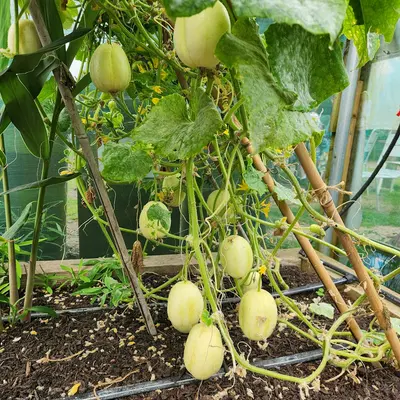
Seckel Pear
Known as the 'Sugar Pear' and 'Wine Pear,' this small American heirloom pear packs incredible sweetness and spicy flavor into a tiny package. Discovered in Pennsylvania in the 1760s, Seckel pears are considered by many to have the finest flavor of all pear varieties, with firm, fine-textured flesh and a distinctive wine-like aroma. Perfect for fresh eating, these petite pears are also exceptional for canning whole and making preserves.
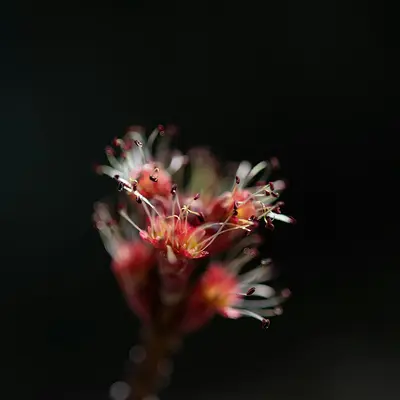
Stella Cherry
The first self-fertile sweet cherry variety, revolutionizing home cherry growing by eliminating the need for a second pollinator tree. These large, heart-shaped cherries have deep red skin and firm, sweet flesh that's perfect for fresh eating right off the tree. Stella trees are compact and manageable, making them ideal for smaller home orchards where space is at a premium but cherry cravings are not.
Zone 4 Growing Tips
Plant your fruit trees in early spring, ideally 2-4 weeks before your average last frost date of May 10th, when soil can be worked but temperatures remain cool. This gives trees time to establish roots before summer heat arrives, but avoid planting when soil is waterlogged from snowmelt. Choose the warmest, most protected spots in your yard – south-facing locations with wind protection from buildings or evergreen windbreaks will help trees survive winter and extend your growing season into fall.
Mulch heavily around trees before winter sets in, extending mulch 4-6 feet from the trunk to insulate roots during those brutal -30°F nights. Wrap young tree trunks with tree guards to prevent sunscald and rodent damage during winter months. For marginally hardy varieties, consider dwarf trees in large containers that can be moved into an unheated garage or basement during the coldest months – this works particularly well for hardy figs like Chicago Hardy Fig, which can be treated as container plants in your zone.
Season Overview
Your frost window from May 10th to September 25th gives you a solid 135-day growing season, which is sufficient for early and mid-season varieties but eliminates late-season fruits that need longer maturation periods. Focus on apple varieties that ripen by early to mid-September, and avoid late keepers like Pink Lady that won't have time to properly develop. The reliable frost dates actually work to your advantage with varieties requiring significant chill hours – your long, cold winters ensure proper dormancy and exceptional spring flowering for apples, pears, and stone fruits.