Dwarf Alberta Peach
Prunus persica 'Elberta' dwarf
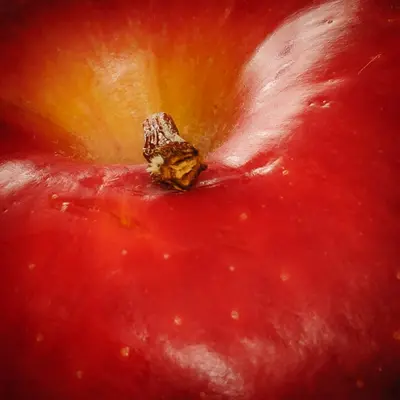
A compact version of the classic Elberta peach that delivers full-sized, juicy freestone peaches on a tree perfect for small gardens and containers. This self-pollinating dwarf variety reaches only 6-8 feet tall while producing abundant crops of sweet, yellow-fleshed peaches with that traditional peachy flavor. Perfect for home gardeners who want fresh peaches without dedicating a huge amount of space.
Harvest
120-140d
Days to harvest
Sun
Full sun
Zones
5–9
USDA hardiness
Height
15-25 feet
Planting Timeline
Showing dates for Dwarf Alberta Peach in USDA Zone 7
All Zone 7 fruit-tree →Zone Map
Click a state to update dates
Dwarf Alberta Peach · Zones 5–9
Growing Details
Complete Growing Guide
This dwarf cultivar requires winter chilling of 600–900 hours below 45°F to set fruit reliably, making it ideal for USDA zones 5–9, whereas standard peaches often demand more chill hours. Plant in full sun with well-draining soil to prevent root rot, a common issue in Elberta-type peaches when waterlogged. Unlike taller varieties, Dwarf Alberta benefits from annual dormant-season pruning to maintain its compact form and prevent the awkward leggy growth that often plagues dwarfs as they mature. Watch closely for brown rot and peach leaf curl in humid climates—thin fruit clusters to 6 inches apart in early summer to improve air circulation and reduce fungal pressure. A practical tip: stake young trees firmly since their shallow root systems can topple under heavy fruit load; container-grown specimens especially need support and consistent watering during the growing season.
Light: Full sun (6 or more hours of direct sunlight a day). Soil: Clay, High Organic Matter, Loam (Silt), Sand. Soil pH: Acid (<6.0), Neutral (6.0-8.0). Drainage: Good Drainage, Moist. Height: 15 ft. 0 in. - 25 ft. 0 in.. Spread: 15 ft. 0 in. - 25 ft. 0 in.. Growth rate: Rapid. Maintenance: High. Regions: Coastal, Mountains, Piedmont.
Harvesting
Dwarf Alberta peaches reach peak harvest readiness when they develop a deep golden-yellow blush with minimal green undertones and yield slightly to gentle palm pressure without feeling mushy. The fruits typically mature in mid to late summer, and rather than ripening all at once, this cultivar produces a continuous harvest over several weeks, allowing you to pick ripe peaches every few days rather than face a single glut. A key timing tip: harvest in early morning when the fruit is coolest, as peaches picked at this time retain maximum juiciness and flavor for several days of storage, whereas afternoon-picked fruit deteriorates more quickly.
Juicy fleshy fruit in summer is yellow to orange, tinged with red with a large, rough pit (stone). They are fuzzy with hairs and called peaches. A recessive gene can cause the fruit to be smooth and hairless and they are called nectarines. Generally round or slightly oval and 3 x 3 inches.
Color: Gold/Yellow, Orange, Red/Burgundy. Type: Drupe. Length: 1-3 inches. Width: 1-3 inches.
Garden value: Edible
Harvest time: Summer
Edibility: Fruit edible raw or cooked. The seed contains hydrogen cyanide and should be discarded
Storage & Preservation
Fresh Dwarf Alberta Peaches ripen quickly at room temperature – leave firm fruits on the counter for 2-3 days until they yield to gentle pressure. Once ripe, refrigerate immediately in the crisper drawer where they'll keep 3-5 days. Store unwashed to prevent premature spoilage.
For long-term storage, slice peaches and freeze them on parchment-lined trays before transferring to freezer bags. The freestone flesh separates easily from pits, making processing simple. Frozen peaches maintain quality for 8-10 months and work perfectly for smoothies and baking.
Preserve your harvest by making traditional peach jam or preserves, taking advantage of the variety's balanced sweet-tart flavor and firm flesh that holds up well during cooking. The high natural sugar content requires less added sweetener than many varieties. For canning, use the hot pack method to maintain texture, processing pint jars for 20 minutes in a boiling water bath.
History & Origin
The Dwarf Alberta Peach is a modern dwarf cultivar derived from the Elberta peach, one of the most commercially significant peach varieties released in 1875. While specific breeding documentation for this particular dwarf selection is limited, it represents the broader horticultural trend of the late 20th century toward compact fruit tree development. The cultivar likely emerged through either controlled dwarf breeding programs or natural genetic dwarfing selections, possibly from nursery stock in Alberta or introduced by seed companies catering to home gardeners. The exact origin remains somewhat obscure in published literature, though its development reflects the practical demand for productive peaches suited to smaller residential spaces and container cultivation.
Origin: China
Advantages
- +Compact 6-8 foot size perfect for small gardens and container growing.
- +Self-pollinating variety eliminates need for second tree for fruit production.
- +Produces full-sized, juicy freestone peaches despite dwarf growth habit.
- +Classic sweet Elberta flavor with moderate acidity in 120-140 days.
- +Abundant crop yields make this dwarf variety worthwhile for home gardeners.
Considerations
- -Highly susceptible to peach leaf curl and brown rot fungal diseases.
- -Requires vigilant pest management for peach borers and oriental fruit moths.
- -Needs consistent pruning and training to maintain compact shape and productivity.
- -Prefers well-draining soil and struggles in heavy clay or wet conditions.
Companion Plants
Chives planted around the drip line may deter aphids and scale insects — the allium odor disrupts how soft-bodied pests locate hosts — and they stay low enough not to compete for light. Comfrey earns a spot nearby for a different reason: its roots go down 6 feet or more, pulling up calcium and potassium that a shallow mulch never would, and the chopped leaves break down fast against the trunk. Nasturtiums and Tagetes patula draw aphid pressure away from the tree itself. Keep grass cleared from the root zone entirely — turf competes hard for water and nitrogen inside that 8-10 foot spacing, and a drought-stressed peach is far more susceptible to Monilinia fructicola. Black walnut produces juglone, a compound toxic to Prunus species; keep any walnut at least 50 feet away.
Plant Together
Chives
Repels aphids and improves soil health around fruit trees
Comfrey
Deep roots bring nutrients to surface, excellent mulch and fertilizer when chopped
Nasturtiums
Acts as trap crop for aphids and cucumber beetles, attracts beneficial insects
Marigolds
Repels nematodes and various harmful insects while attracting pollinators
Lavender
Repels moths, fleas, and mosquitoes while attracting beneficial pollinators
Tansy
Repels ants, mice, and various flying insects that can damage fruit trees
Clover
Fixes nitrogen in soil and provides living mulch to retain moisture
Yarrow
Attracts beneficial insects and improves soil fertility through deep root system
Keep Apart
Black Walnut
Produces juglone toxin that inhibits growth and can kill peach trees
Tomatoes
Both susceptible to similar fungal diseases, can increase disease pressure
Grass
Competes heavily for water and nutrients, especially problematic for young trees
Nutrition Facts
Per 100g serving. % Daily Value based on 2,000 calorie diet. Source: USDA FoodData Central (FDC #325430)
Pests & Disease Resistance
Resistance
Moderate resistance to brown rot, susceptible to peach leaf curl
Common Pests
Peach tree borer, oriental fruit moth, aphids, scale insects
Diseases
Peach leaf curl, brown rot, bacterial spot, powdery mildew
Troubleshooting Dwarf Alberta Peach
What you'll see, why it happens, and what to do about it.
Leaves curl inward and turn reddish-purple or yellow in early spring, often puckered and distorted on new growth
Likely Causes
- Peach leaf curl (Taphrina deformans) — a fungal disease that infects during cool, wet spring conditions before buds break
- Infection window is narrow but the damage is visible all season once it sets in
What to Do
- 1.Spray a copper-based fungicide (copper hydroxide or Bordeaux mixture) in late winter, before buds swell — a post-bud-break application does almost nothing
- 2.Remove and bag any severely distorted leaves to reduce spore load
- 3.If the tree was hit hard this year, side-dress lightly with a balanced 10-10-10 to help it recover, since it lost a lot of photosynthetic capacity
Fruit develops soft brown spots that spread rapidly and may show gray fuzzy spore masses, especially in humid weather close to harvest
Likely Causes
- Brown rot (Monilinia fructicola) — the most destructive peach disease in most regions, spreads fast in warm, humid conditions above 70°F
- Fruit touching each other or sitting in a dense canopy with poor airflow
What to Do
- 1.Thin fruit to at least 6 inches apart when they're marble-sized — crowded fruit is where brown rot wins
- 2.Apply myclobutanil or captan starting at petal fall and again every 10-14 days through harvest, especially ahead of rain
- 3.Pick up and dispose of any mummified fruit on the ground or hanging in the tree — those are brown rot reservoirs for next year
Gummy, sawdust-like frass at the base of the trunk or at branch crotches, sometimes with entry holes visible in the bark
Likely Causes
- Peach tree borer (Synanthedon exitiosa) — larvae tunnel into the cambium layer just below the soil line and can girdle a young tree within 1-2 seasons
- Oriental fruit moth (Grapholita molesta) — also causes frass but typically at shoot tips and inside developing fruit, not at the trunk base
What to Do
- 1.Inspect the trunk from the soil line up to about 12 inches every August and September — that's peak emergence season
- 2.Hang a pheromone trap for peach tree borer to monitor adult flight and time any permethrin trunk sprays accurately
- 3.On trees under 3 years old, wrap the base with hardware cloth buried 2 inches into the soil — it cuts borer access significantly without any chemistry
Frequently Asked Questions
How long does it take for a Dwarf Alberta Peach to produce fruit?▼
Can you grow Dwarf Alberta Peach in containers?▼
What does Dwarf Alberta Peach taste like?▼
When should I plant a Dwarf Alberta Peach tree?▼
How do I prevent peach leaf curl on Dwarf Alberta Peach?▼
How much space does a Dwarf Alberta Peach tree need?▼
Zone-by-Zone Planting Calendar
Growing Guides from Wind River Greens
Sources & References
External authority sources used in compiling this guide.
- ExtensionNC State Extension
- USDAUSDA FoodData Central
See the Methodology page for how this data is sourced, what's AI-assisted, and known limitations.