Zone 10 Coverage
Planting Timeline — All Varieties
Growing Peas in Zone 10
Zone 10 gardeners have a unique advantage when growing peas – your exceptionally long growing season and mild winters create perfect conditions for cool-season crops that struggle in hotter climates. While most gardeners battle short growing windows, you can enjoy fresh peas for months by taking advantage of your cool winter period from December through February. The key challenge you'll face is timing your plantings to avoid the intense heat that arrives earlier than in northern zones, which can cause peas to bolt prematurely or develop tough, starchy pods.
When selecting pea varieties for Zone 10, prioritize heat tolerance and quick maturity over cold hardiness. Look for varieties that can handle temperature swings and produce quality pods before the mercury climbs too high. Sugar snap varieties like Sugar Ann and Cascadia excel here because they're bred for consistent pod quality even under stress. Shell peas such as Green Arrow and Progress No. 9 are excellent choices since they mature quickly and don't require the extended cool period that some heirloom varieties demand. These selections will give you the best chance of harvesting sweet, tender peas before your growing window closes.
Variety Comparison
| Variety ↑ | Days | Difficulty |
|---|---|---|
| Alderman | 70-80 | Moderate |
| Blue Podded Blauwschokker | 70-80 | Moderate |
| Carouby de Maussane | 70-80 | Moderate to Advanced |
| Cascadia | 60 | Easy |
| Dwarf Grey Sugar | 60-65 | Easy |
| Golden Sweet | 60 | Moderate |
| Green Arrow | 68-75 | Easy to Moderate |
| Kelvedon Wonder | 60-65 | Easy |
| Knight | 90-100 | Easy |
| Laxton's Progress No. 1 | 60-65 | Easy |
| Lincoln | 65-70 | Easy |
| Little Marvel | 60-65 | Easy |
| Maestro | 61-65 | Easy to Moderate |
| Mammoth Melting Sugar | 70-80 | Moderate |
| Mr. Big | 60-65 | Easy |
| Oregon Giant | 60 | Moderate |
| Oregon Sugar Pod II | 60 | Easy |
| Progress No. 9 | 60-65 | Easy |
| Provider | 50 | Easy |
| Purple Podded | 65-70 | Easy to Moderate |
| Purple Top | 37 | Moderate |
| Snap Pea 'Cascadia' | 60-70 | Easy |
| Snowbird | 60-65 | Easy |
| Sugar Ann | 51 | Easy |
| Sugar Baron | 58-65 | Easy |
Variety Details
Alderman
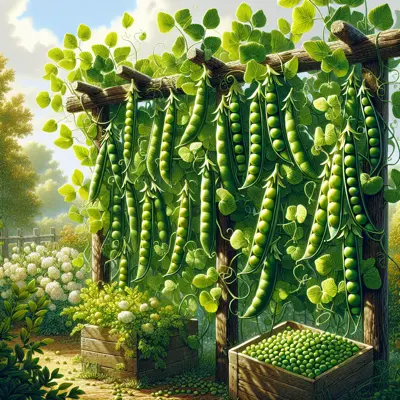
Also known as Tall Telephone, this vigorous heirloom climbing pea from 1891 produces some of the largest and most flavorful shelling peas available. The impressive 6-foot vines yield massive pods packed with 8-10 sweet, large peas perfect for fresh eating or preserving. This variety is ideal for gardeners who want maximum production from minimal space.

Blue Podded Blauwschokker
A stunning Dutch heirloom that produces vibrant purple pods and bright magenta flowers, making it as ornamental as it is edible. This unique variety has been treasured since the 1800s for its striking appearance and excellent flavor as both a snow pea and dried pea. The purple pods turn green when cooked, creating a delightful culinary surprise.
Carouby de Maussane
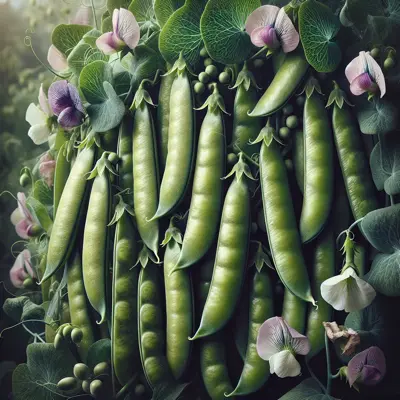
A spectacular French heirloom snow pea that produces enormous purple-flowered vines and the largest edible pods of any pea variety. These impressive 4-5 inch wide, flat pods are incredibly tender and sweet when harvested young, making them a gourmet delight. The vigorous climbing plants create an edible privacy screen while producing abundant harvests throughout the cool season.
Cascadia
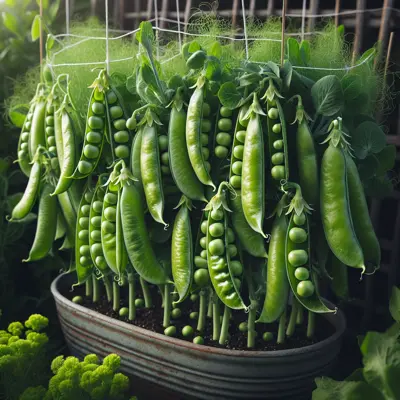
Cascadia boasts high yields of 2 1/2-3" pods on 18-20" vines. Similar in maturity to PLS 141, but with slightly smaller pod size. 2 pods per node on upright plants. Remove string from pods before cooking.
Dwarf Grey Sugar
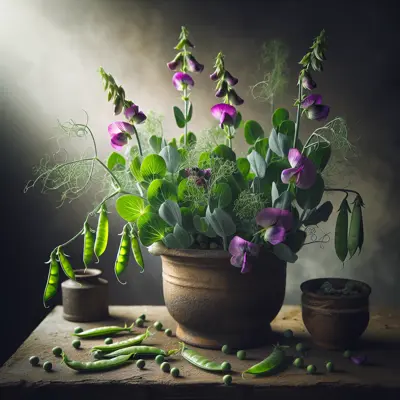
An attractive addition to salad mixes, Dwarf Grey Sugar is the preferred variety for both taste and tenderness. A great choice for restaurant sales. 28" vines. Edible Flowers: The flowers, with their mild and pea-like flavor, are a popular choice for brightening up salad mix. They can also be used in micro mix salads, as a garnish for desserts, or for candying to place on cakes.
Golden Sweet
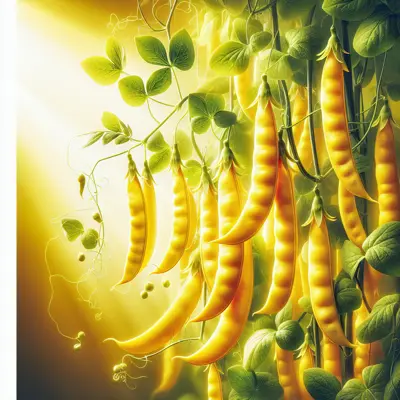
Golden Sweet is a hybrid pea variety renowned for its exceptional sweetness and crisp, tender texture. Reaching maturity in approximately 60 days, this variety produces vibrant green pods filled with plump, sugary peas ideal for fresh eating, steaming, or light cooking. The plants thrive in full sun conditions and well-drained, fertile soil enriched with organic matter. Golden Sweet stands out among pea varieties for its superior flavor profile, delivering a distinctly sweet taste that appeals to both home gardeners and culinary enthusiasts. This variety maintains moderate growing difficulty and is best harvested at peak ripeness for optimal sweetness and texture.
Green Arrow
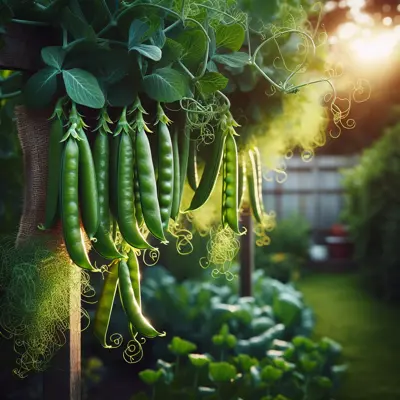
A high-yielding shelling pea that consistently produces heavy crops of long, dark green pods packed with sweet peas. Developed for its exceptional productivity and disease resistance, Green Arrow matures its crop uniformly, making it perfect for preserving or farmers market sales. This reliable variety performs well in various climates and soil conditions, earning its place as a garden staple.
Kelvedon Wonder
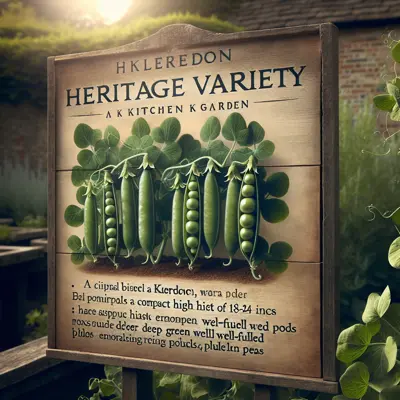
A British favorite since 1925 that combines early maturity with exceptional productivity in a compact plant. This reliable variety produces abundant crops of well-filled pods containing 7-9 sweet, tender peas that have made it a mainstay in European gardens for nearly a century. Kelvedon Wonder's dependable performance and superior flavor make it perfect for gardeners seeking a proven, space-efficient shelling pea.
Knight
Knight is a classic heirloom pea variety prized for its sweet, tender pods and excellent fresh flavor. Maturing in 90-100 days, it produces vigorous plants that thrive in full sun and well-drained soil. The variety is valued by home gardeners for its outstanding taste straight from the garden and reliability across various soil types. Knight peas are highly susceptible to common pests including aphids, thrips, and pea leaf weevils, requiring attentive monitoring during the growing season. This easy-to-grow heirloom remains a favorite for fresh eating and traditional pea production.
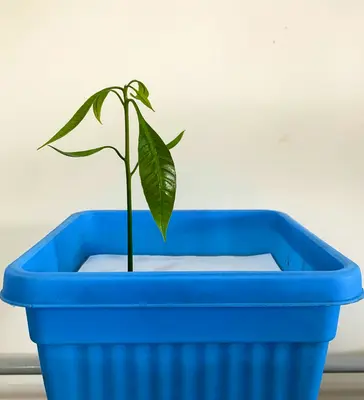
Laxton's Progress No. 1
A classic English heirloom shelling pea dating back to the 1920s, beloved for its exceptional productivity and sweet flavor. This dwarf variety produces plump pods filled with tender, bright green peas that are perfect for fresh eating or freezing. Despite its compact size, it delivers impressive yields and has been a home garden favorite for nearly a century.
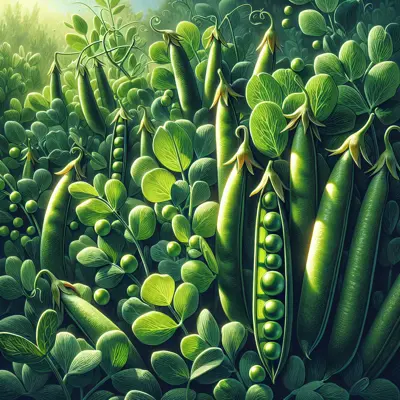
Lincoln
A dependable All-America Selections winner from 1908 that remains one of the most popular shelling peas for home gardeners. This variety produces heavy yields of dark green pods filled with exceptionally sweet peas that freeze beautifully. Lincoln's consistent performance and excellent flavor have made it a garden staple for over a century.
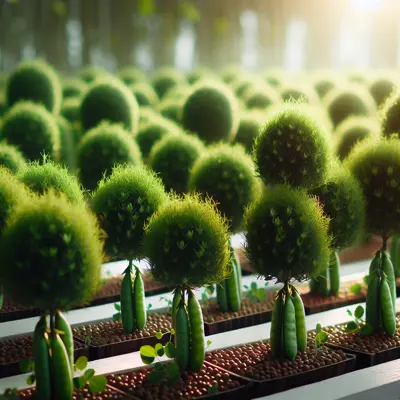
Little Marvel
A compact heirloom shelling pea perfect for small gardens and beginning gardeners since 1908. Despite its dwarf stature, Little Marvel produces an abundant harvest of plump, sweet peas that mature all at once for easy picking. This reliable variety consistently delivers exceptional flavor and has been a garden favorite for over a century.
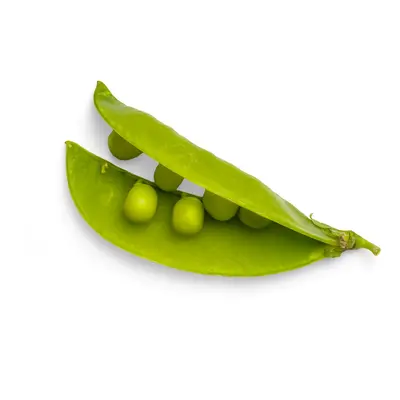
Maestro
A premium shelling pea that produces exceptionally large, sweet peas in abundant clusters. This vigorous variety is prized by gardeners for its outstanding flavor and impressive yields that make all the shelling effort worthwhile. Maestro consistently ranks among the best-tasting garden peas available.
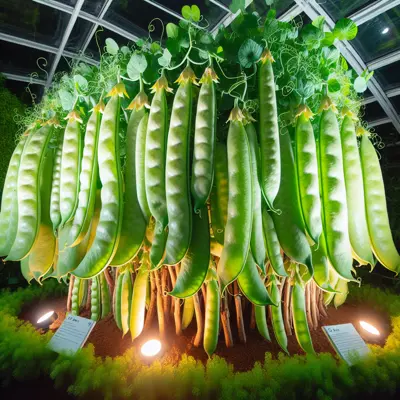
Mammoth Melting Sugar
An impressive heirloom snow pea variety dating back to the 1880s, producing enormous 4-5 inch edible pods on towering vines. The sweet, crisp pods literally melt in your mouth and are perfect for stir-fries and fresh eating. This vigorous climber is a conversation starter in any garden with its exceptional size and productivity.
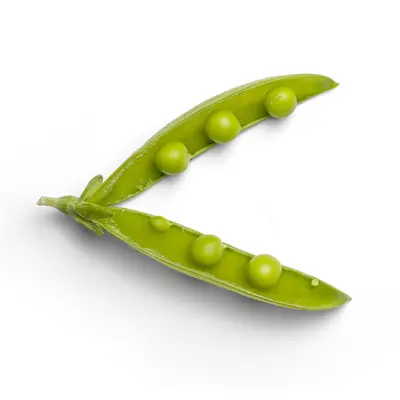
Mr. Big
A dwarf variety that lives up to its name with exceptionally large pods packed with plump, sweet peas despite its compact 18-inch height. This bush-type pea is perfect for small gardens and containers, producing impressive yields without the need for staking or trellising. Mr. Big proves that great things really do come in small packages, delivering full-sized flavor in a space-saving plant.
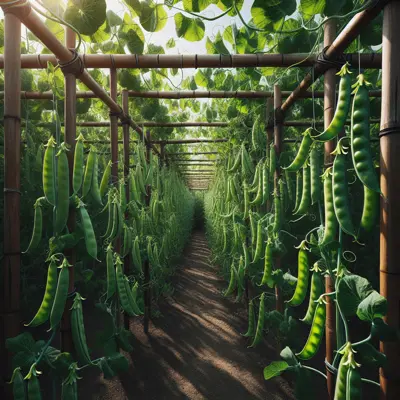
Oregon Giant
Abundant yields of medium-green pods up to 4 1/2" long x 1" wide. The 30" tall, white-flowered vines produce 1 to 2 pods per node. Bred by the late Dr. James Baggett of Oregon State University.
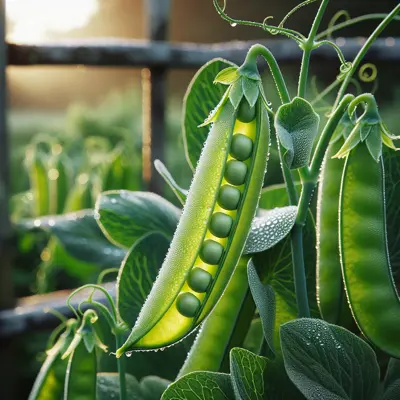
Oregon Sugar Pod II
A great substitute for Oregon Giant, as it is very similar. Excellent emergence. Normal, 38" tall vines produce very high yields of stringless pods. 2 pods per node.
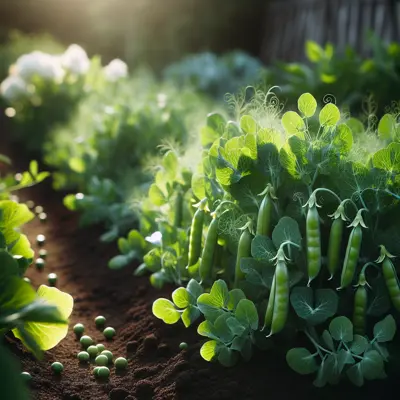
Progress No. 9
A dependable English shelling pea that has been a garden favorite since the 1930s, prized for its consistent production and excellent flavor. This compact, dwarf variety produces plump pods filled with 7-9 large, sweet peas that are perfect for fresh eating or preserving. Its reliable performance and disease resistance make it an ideal choice for beginning gardeners.
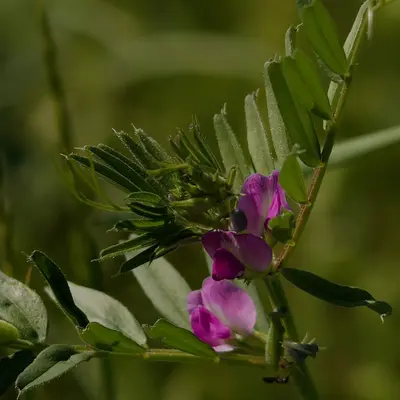
Provider
Provider is a classic heirloom snap pea variety that reaches maturity in approximately 50 days. This easy-to-grow cultivar produces tender, sweet peas with the authentic garden pea flavor that home gardeners prize. Provider peas are known for their reliable production and disease resistance, making them an excellent choice for beginners. The plants yield abundant crops of crisp, flavorful pods ideal for fresh eating, cooking, or freezing. This heirloom variety thrives in full sun with well-drained, fertile soil enriched with organic matter.
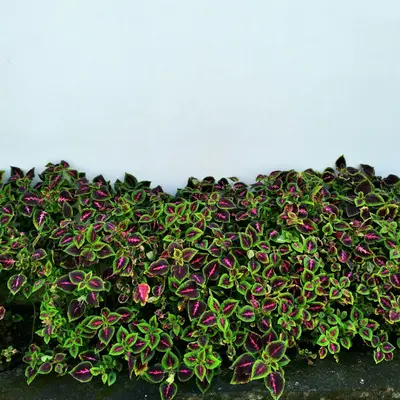
Purple Podded
A stunning ornamental edible that produces beautiful deep purple pods filled with bright green peas, creating a striking contrast in the garden. This heritage variety from the 1800s not only looks amazing but also delivers excellent flavor and productivity. The purple pods make harvesting easy since they stand out dramatically against the green foliage, though they turn green when cooked.
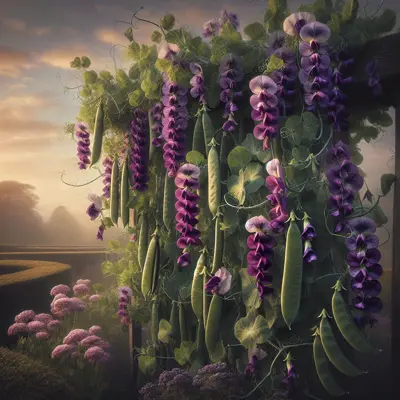
Purple Top
Purple Top is a heirloom pea variety known for its distinctive purple-tinged pod coloring that fades to green at maturity. This early maturing variety reaches harvest readiness in approximately 37 days, producing sweet, tender pods with a delicate, subtle pea flavor. The plants thrive in full sun and well-drained soil enriched with organic matter. Purple Top stands out among heirloom peas for its unique visual appeal and exceptional sweetness, making it a prized choice for both fresh eating and culinary use. The variety is moderately challenging to grow and requires attention to common pea pests including aphids, spider mites, and slugs.
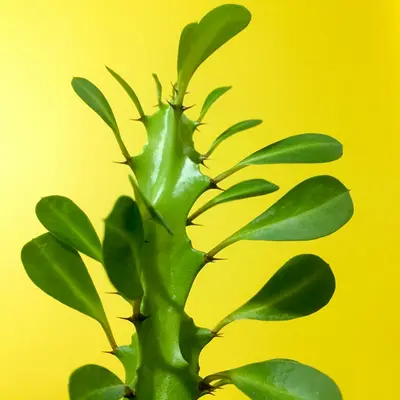
Snap Pea 'Cascadia'
An award-winning snap pea variety that combines exceptional disease resistance with outstanding flavor and productivity. Developed specifically for home gardeners, Cascadia produces crisp, sweet pods that are perfect for fresh eating and maintain their quality longer than most varieties. This reliable performer thrives in Pacific Northwest conditions but adapts well to gardens everywhere.
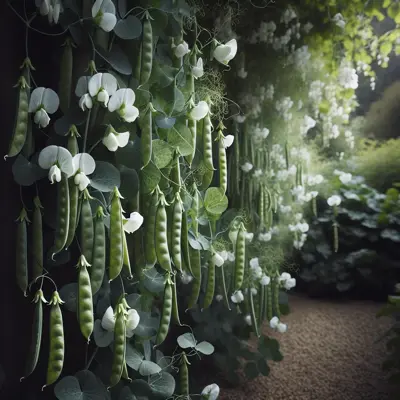
Snowbird
A beautiful snow pea variety with pure white flowers that develop into tender, flat pods perfect for stir-fries and fresh eating. This compact climbing variety is not only productive but also ornamental, making it perfect for edible landscapes or gardeners who want both beauty and bounty. Snowbird's crisp texture and sweet flavor make it a favorite for Asian cuisine and fresh snacking.
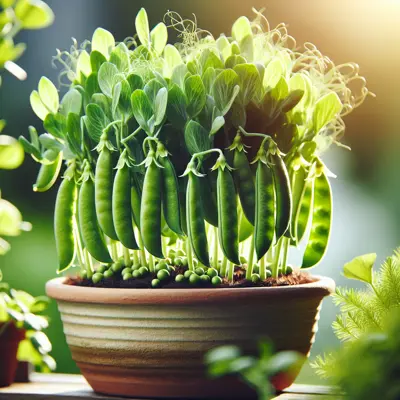
Sugar Ann
Consistently the sweetest bush type in our trials, Sugar Ann produces uniform crops of delicious 2-2 1/2" long peas that hold their flavor well. Matures exceptionally early, with a concentrated set on 20" dwarf vines with 1-2 pods per node. AAS Winner.
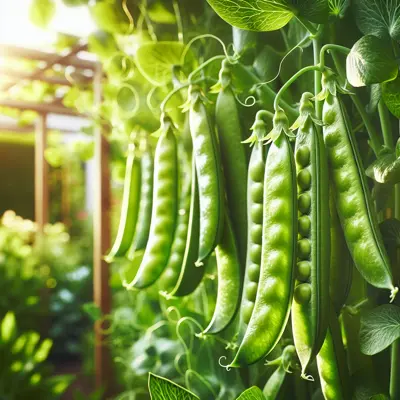
Sugar Baron
A premium snap pea variety that produces exceptionally sweet, tender pods with thick, succulent walls. This vigorous climbing variety delivers outstanding yields of perfectly crisp pods that are delicious raw or lightly cooked. Sugar Baron's consistent performance and exceptional flavor make it a top choice for gardeners who want the ultimate snap pea experience.
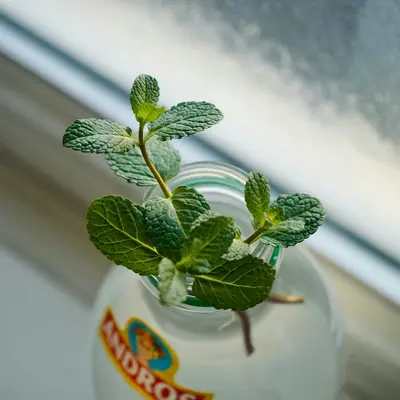
Sugar Daddy
A stringless snap pea that delivers exceptional sweetness and crunch without the hassle of removing tough strings. This compact variety produces plump, tender pods that are perfect for eating fresh or adding to stir-fries. Sugar Daddy is beloved by gardeners for its reliable production and kid-friendly appeal.
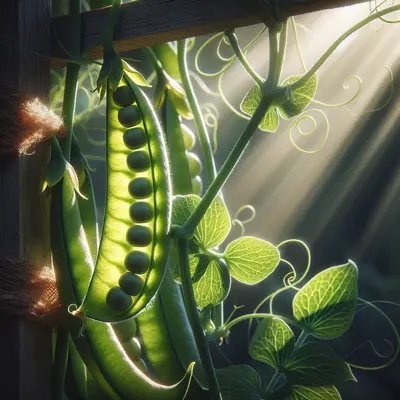
Sugar Snap
Johnny's superior strain. From an ongoing collaboration with the family of the late Dr. Calvin Lamborn, the breeder of Sugar Snap. A household name for its sweet, crisp pods, Sugar Snap germinates well in cold, wet soil, and the vigorous plants quickly produce a thick stand that requires support. Vines avg. 72" with 1 or 2 pods per node. Yields well over a long season in both hot and cold weather. Remove string from pods before cooking. Needs trellising. AAS Winner. Also available in organic seed.
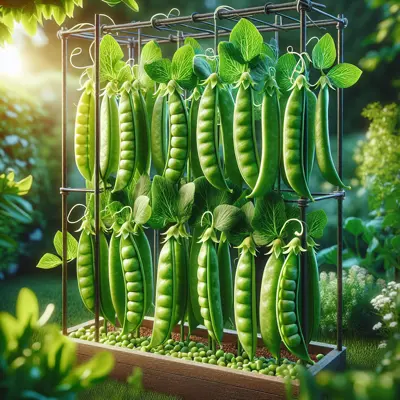
Sugar Sprint
An early-season snap pea that delivers sweet, crunchy pods in record time. This compact variety is perfect for impatient gardeners who want to harvest delicious snap peas within 60 days of planting. The vigorous plants produce abundant 3-inch pods that are excellent for fresh eating, stir-fries, or freezing.
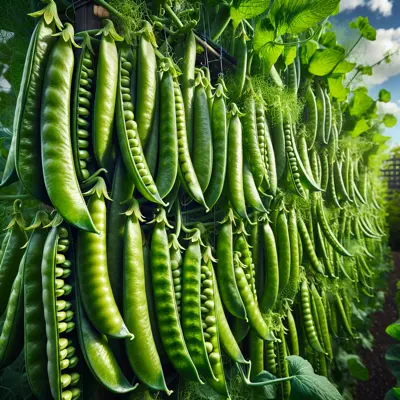
Super Sugar Snap
A disease-resistant version of the beloved Sugar Snap with more manageable 60" vines. Early yields are heavier over a shorter period. Not quite as sweet as the original. Pods avg. 3" long with 1 or 2 per node. Remove string from pods before cooking. Needs trellising.
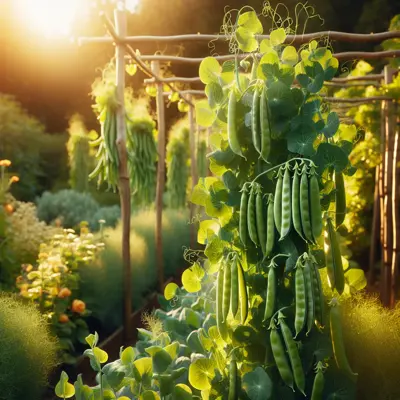
Survivor
A remarkable heat-tolerant pea variety that extends the growing season well into summer when other peas have long given up. Developed for its ability to withstand challenging conditions, Survivor produces sweet, tender snap peas even in warm weather. This vigorous climber is perfect for gardeners who want fresh peas throughout the summer months.
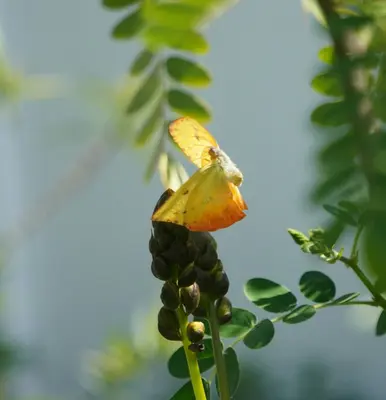
Tall Telephone
A classic heirloom shelling pea from the 1880s that remains beloved for its exceptional productivity and sweet flavor. This tall-growing variety produces an abundance of large pods filled with 8-10 tender, sweet peas that are perfect for fresh eating or freezing. Tall Telephone is the variety that made generations of gardeners fall in love with homegrown peas.

Telephone
A treasured heirloom from the 1870s that remains one of the finest shelling peas ever developed. This tall, vigorous climber produces enormous pods packed with 8-10 large, exceptionally sweet peas that have satisfied gardeners for over 150 years. The impressive height and prolific production make Telephone a garden showstopper that delivers old-fashioned pea flavor at its absolute best.
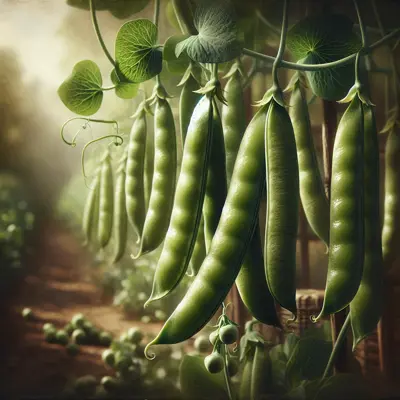
Thomas Laxton
A prized English heirloom from 1900 renowned for producing some of the sweetest, most tender peas available to home gardeners. This early-season variety beats many modern peas to harvest while delivering superior flavor that's particularly sweet when picked young. Thomas Laxton has remained popular for over 120 years because it consistently produces restaurant-quality peas that make every gardener feel like a gourmet.
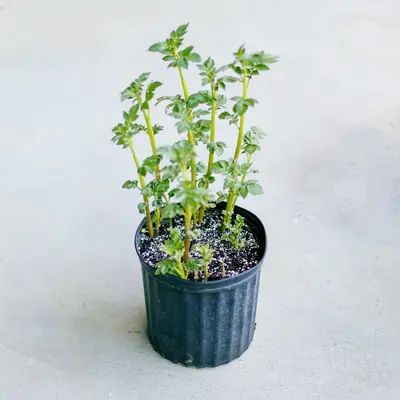
Tom Thumb
The ultimate space-saving pea variety, Tom Thumb grows just 8-10 inches tall yet produces a surprising abundance of sweet, tender peas. This Victorian-era heirloom is perfect for container gardens, small spaces, and children's gardens. Despite its tiny stature, it delivers full-sized flavor and requires no staking or trellising.
Wando
A heat-tolerant shelling pea variety developed for gardeners in warmer climates who thought they couldn't grow peas. This reliable variety produces sweet, tender peas even when temperatures rise, extending the growing season significantly. Perfect for Southern gardens and areas with unpredictable spring weather.
Zone 10 Growing Tips
Start your pea seeds directly in the garden from mid-November through early February for best results in Zone 10. Your average last frost of January 31st means you can plant cold-tolerant varieties like Thomas Laxton and Wando in December without worry, while heat-sensitive varieties should go in the ground by mid-January at the latest. Skip transplanting entirely – peas hate root disturbance and direct seeding eliminates transplant shock that can set plants back weeks in your climate.
The biggest challenge you'll face is the rapid temperature increase as spring progresses. Combat this by providing afternoon shade once daytime temperatures consistently hit the mid-70s, usually around March. Mulch heavily to keep soil cool and maintain consistent moisture – pea plants stressed by heat and drought produce tough, fibrous pods. Consider succession planting every two weeks from December through January to extend your harvest, but avoid planting after February 15th as the heat will likely ruin pod quality before harvest time.
Season Overview
Your 320-day growing season and December 15th to January 31st frost window create an ideal cool-season growing period that most gardeners envy. This extended mild period from December through March allows you to grow varieties that northern gardeners can't successfully cultivate, such as the longer-maturing Alderman and Telephone varieties. Focus your main plantings between December and January when soil temperatures are cool but not cold, then plan for harvest completion by early April before summer heat becomes overwhelming.