Provider
Pisum sativum 'Provider'
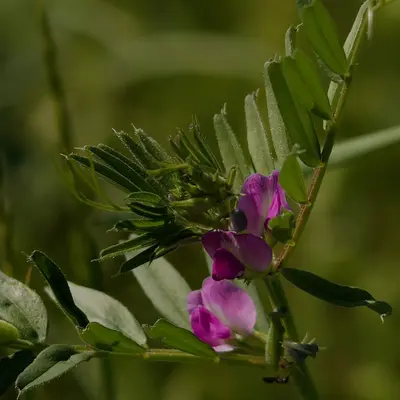
Provider is a classic heirloom snap pea variety that reaches maturity in approximately 50 days. This easy-to-grow cultivar produces tender, sweet peas with the authentic garden pea flavor that home gardeners prize. Provider peas are known for their reliable production and disease resistance, making them an excellent choice for beginners. The plants yield abundant crops of crisp, flavorful pods ideal for fresh eating, cooking, or freezing. This heirloom variety thrives in full sun with well-drained, fertile soil enriched with organic matter.
Harvest
50d
Days to harvest
Sun
Full sun
Zones
2–11
USDA hardiness
Height
18-24 inches
Planting Timeline
Showing dates for Provider in USDA Zone 7
All Zone 7 pea →Zone Map
Click a state to update dates
Provider · Zones 2–11
Growing Details
Succession Planting
Provider stalls and declines once daytime highs push past 80°F consistently, so succession timing matters. In zone 7, direct sow your first round as soon as soil hits 45°F — typically late February to early March. Sow a second pass 14 days later, then a third 14 days after that. Three successions is usually the limit before the heat window closes; by mid-May in most of Georgia, new sowings won't fill out before the plants give up.
For a fall run, count back 50 days from your first expected frost — usually mid-November in zone 7 — and add a 10-day buffer for slowing growth as soil cools. That puts your fall direct sow around late September. Don't try to push it earlier: soil above 85°F will rot seed in the ground, so wait until the late-August heat actually breaks before putting seed down. The fall crop often outperforms spring here because it matures into cooler, more stable weather instead of racing against rising temperatures.
Complete Growing Guide
Provider beans stand out among snap bean varieties for their remarkable cold tolerance, making them ideal for impatient gardeners eager to plant before typical bean season arrives. You can direct sow Provider seeds as soon as soil is workable in spring, even when temperatures hover around 60°F, which is several weeks before your last frost date. Unlike most bean varieties that languish or rot in cool soil, Provider thrives in these conditions. Simply push seeds about an inch deep into prepared ground once soil moisture is adequate. If you prefer starting indoors, sow seeds three to four weeks before your intended outdoor planting date, though direct sowing is generally preferred since Provider germinates reliably in cool conditions.
Prepare your garden bed by incorporating compost or aged manure to improve drainage and fertility, as beans prefer well-draining soil with a pH between 6.0 and 7.0. Space Provider seeds four inches apart in rows spaced eighteen inches apart, keeping in mind these compact plants won't require the extensive space that pole beans demand. The bush habit makes Provider exceptionally easy to manage, though you can still succession plant every two weeks until mid-summer to extend your harvest window.
Water Provider consistently throughout the growing season, aiming for one to one and a half inches weekly depending on rainfall and temperature. Allow soil to dry slightly between waterings to prevent root rot, which can plague beans in overly saturated conditions. While Provider beans are nitrogen-fixing plants that create their own fertility, a balanced fertilizer applied once plants reach flowering stage will support continued pod production. Avoid nitrogen-heavy feeds that promote excessive foliage at the expense of bean production.
Provider's cold tolerance and adaptability mean it rarely encounters the severe disease pressure that affects later-planted varieties, yet vigilance still matters. Powdery mildew can appear in humid conditions, particularly as nights cool in late season; ensure adequate air circulation between plants and avoid overhead watering. Watch for aphids clustering on young leaves and stems, as this variety can be particularly susceptible. A forceful water spray often controls light infestations. Slugs and cutworms may target seedlings, so consider barriers or diatomaceous earth around young plants. Pea weevils and the virus diseases mentioned are less likely given Provider's early maturity, but remove any discolored or mottled leaves immediately.
The single most overlooked aspect of growing Provider is harvesting at the correct stage. Many gardeners wait until pods mature fully, but Provider produces its signature fleshy, tender five-and-a-half-inch beans only when picked young, while pods still snap crisply. Regular harvesting also encourages continued flowering and production throughout the season, so check plants every two to three days once blooming begins.
Harvesting
Provider reaches harvest at 50 days from sowing per Johnny's Selected Seeds. Expect 5 1/2" at peak. As an annual, harvest continues until frost ends the season.
The boat-shaped seed pods are bilaterally symmetrical and can be green, yellow, white, or purple at maturity. There is a wide variety of color and shape choices among cultivars.
Color: Gold/Yellow, Green, Purple/Lavender, White. Type: Legume. Length: > 3 inches. Width: < 1 inch.
Garden value: Edible, Good Dried
Harvest time: Fall, Summer
Storage & Preservation
Fresh Provider peas maintain peak quality for 3-5 days when stored unwashed in perforated plastic bags in the refrigerator at 32-35°F. For best flavor, shell and use within 24 hours of harvest, as sugars rapidly convert to starch.
For freezing, blanch shelled peas in boiling water for 90 seconds, then immediately transfer to ice water. Drain thoroughly and freeze in single layers before transferring to freezer bags. Properly frozen Provider peas maintain quality for 8-12 months.
Provider's concentrated harvest makes it excellent for pressure canning. Use only tested recipes from the USDA or Ball canning guides, as peas are low-acid vegetables requiring pressure canning for safety. The sweet flavor also makes Provider suitable for dehydrating—blanch briefly, then dry at 125°F until wrinkled and hard.
History & Origin
Provider is open-pollinated, meaning seed saved from healthy plants will produce true-to-type offspring. Listed in the Johnny's Selected Seeds catalog.
Origin: Tropical America
Advantages
- +Early planting possible due to cool soil tolerance saves time.
- +Compact plant size makes Provider easy to manage and harvest.
- +Produces sweet, tender beans with classic garden pea flavor.
- +Adapts well to diverse soil and climate conditions.
- +Fast 50-day maturity provides quick harvests for gardeners.
Considerations
- -Susceptible to multiple diseases including powdery mildew and root rot.
- -Vulnerable to several pests like aphids, weevils, and cutworms.
- -Pea enation mosaic virus can significantly reduce yields if infected.
- -Purple seeds may be less visually appealing than green varieties.
Companion Plants
Carrots and radishes are the most practical companions for Provider peas. Radishes germinate fast — often within 5 days — and loosen the top few inches of soil right where young pea roots are getting established. Carrots share the bed without competing much for nitrogen, which matters because peas are actively fixing it via root nodules. Lettuce and spinach work well tucked in alongside peas for a similar reason: they want the same cool-season timing, stay low enough not to shade the 18-24 inch pea vines, and vacate the bed just as the peas hit full production.
Marigolds are worth planting at the row ends. The case for them isn't mainly about pest repellency — it's that French marigolds (Tagetes patula) suppress root-knot nematodes in the soil over time. NC State Extension recommends solid plantings of them in nematode-affected beds, and even as a border crop they pull some weight. Chives and mint both have a reputation for confusing aphids, which are a genuine Provider pest, so they're not a bad edge planting either.
Garlic and onions are the ones to pull off the list. Both release allelopathic compounds that interfere with the Rhizobium bacteria living on pea roots — the exact bacteria doing the nitrogen-fixing you're counting on. In our zone 7 Georgia garden, where spring runs short and you need Provider producing hard before the heat shuts things down in May, that's not a trade worth making. Gladiolus shares several disease vectors with peas and is best kept on the opposite end of the garden.
Plant Together
Carrots
Peas improve soil nitrogen for carrots, while carrots help break up soil for pea roots
Radishes
Help break up compacted soil and can be harvested before peas need the space
Lettuce
Benefits from nitrogen fixed by peas and provides ground cover to retain soil moisture
Spinach
Thrives in nitrogen-rich soil created by peas and has similar growing conditions
Cucumbers
Benefit from nitrogen fixed by peas and can use pea trellises after harvest
Marigolds
Repel aphids and other pests that commonly attack pea plants
Mint
Deters rodents and ants that may damage pea seeds and pods
Chives
Repel aphids and improve overall garden health through pest deterrence
Keep Apart
Garlic
Inhibits pea growth through allelopathic compounds released from roots
Onions
Can stunt pea growth and development due to sulfur compounds in soil
Gladiolus
Competes aggressively for nutrients and can inhibit pea pod development
Nutrition Facts
Per 100g serving. % Daily Value based on 2,000 calorie diet. Source: USDA FoodData Central (FDC #170419)
Pests & Disease Resistance
Resistance
One or more races of Bean Mosaic Virus (High); Powdery Mildew (High)
Common Pests
Aphids, pea weevils, cutworms, slugs
Diseases
Powdery mildew, root rot, pea enation mosaic virus, downy mildew
Troubleshooting Provider
What you'll see, why it happens, and what to do about it.
White powdery coating on leaves and stems, usually showing up as the weather warms past 70°F in late spring
Likely Causes
- Powdery mildew — a fungal disease that thrives in warm days and cool nights, common on peas as the season winds down
- Planting too late into warming weather, giving the disease a head start before pods fill
What to Do
- 1.Strip and trash the worst-affected leaves; don't compost them
- 2.Thin plants to the full 3-4 inch spacing if you crowded them — better airflow slows spread
- 3.Late-season mildew on peas is mostly cosmetic: if pods are sizing up, harvest what you can and pull the plants; rotating the bed out of legumes next year does more good than spraying now
Seedlings cut off at soil level or missing entirely within the first week after germination
Likely Causes
- Cutworms (Agrotis spp.) — fat gray or brown caterpillars that feed at night and hide just below the soil surface by day
- Slugs — especially in wet springs with heavy mulch pushed tight against the stems
What to Do
- 1.Push a 2-inch cardboard or plastic collar into the soil around each seedling stem to block cutworm access
- 2.For slugs, pull mulch back 2-3 inches from the base of the row and set out iron phosphate bait (Sluggo) in the evening
- 3.If losses are widespread, direct sow a second pass immediately — Provider germinates in 7-10 days and you'll still have time in early spring
Frequently Asked Questions
How long does Provider pea take to grow from seed to harvest?▼
Can you grow Provider peas in containers?▼
Do Provider peas need support or trellising?▼
When should I plant Provider peas in spring?▼
Is Provider pea good for beginners?▼
What does Provider pea taste like compared to store-bought peas?▼
Zone-by-Zone Planting Calendar
| Zone | Indoor Start | Transplant | Direct Sow | Harvest |
|---|---|---|---|---|
| Zone 3 | — | — | May – June | June – October |
| Zone 4 | — | — | April – June | June – October |
| Zone 5 | — | — | April – May | June – November |
| Zone 6 | — | — | April – May | May – November |
| Zone 7 | — | — | March – May | May – November |
| Zone 8 | — | — | March – April | April – December |
| Zone 9 | — | — | February – March | March – December |
| Zone 10 | — | — | January – March | March – December |
| Zone 1 | — | — | June – July | July – September |
| Zone 2 | — | — | May – July | July – September |
| Zone 11 | — | — | January – February | February – December |
| Zone 12 | — | — | January – February | February – December |
| Zone 13 | — | — | January – February | February – December |
Growing Guides from Wind River Greens
Sources & References
External authority sources used in compiling this guide.
- BreederJohnny's Selected Seeds
- USDAUSDA FoodData Central
See the Methodology page for how this data is sourced, what's AI-assisted, and known limitations.