Knight
Pisum sativum 'Knight'
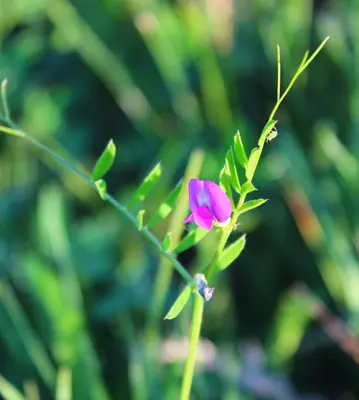
Knight is a classic heirloom pea variety prized for its sweet, tender pods and excellent fresh flavor. Maturing in 90-100 days, it produces vigorous plants that thrive in full sun and well-drained soil. The variety is valued by home gardeners for its outstanding taste straight from the garden and reliability across various soil types. Knight peas are highly susceptible to common pests including aphids, thrips, and pea leaf weevils, requiring attentive monitoring during the growing season. This easy-to-grow heirloom remains a favorite for fresh eating and traditional pea production.
Harvest
90-100d
Days to harvest
Sun
Full sun
Zones
4–11
USDA hardiness
Height
2-3 feet
Planting Timeline
Showing dates for Knight in USDA Zone 7
All Zone 7 pea →Zone Map
Click a state to update dates
Knight · Zones 4–11
Growing Details
Succession Planting
Direct sow Knight from March through May in zone 7, starting as soon as soil temps reach 45°F. A new sowing every 14-16 days stretches the harvest window without everything ripening at once. Knight runs 90-100 days to harvest, so your last sowing has to finish before summer heat arrives — daytime highs consistently above 80°F will stall pod set and accelerate downy mildew pressure.
For a fall run, count back 100 days from your first expected frost date and sow then, usually late July to early August in zone 7. Germination in warm summer soil can be erratic; pre-chilling seed in the refrigerator for 24 hours before sowing helps improve germination rates when soil temps are still above 70°F.
Complete Growing Guide
The Knight variety thrives when direct-seeded in cool soil as soon as it can be worked in spring, since this tall cultivar requires the full 90-100 days to reach its dramatic peak bloom time. Unlike shorter pea varieties, Knight's 2-3 foot stems demand sturdy support structures to prevent wind damage and stress-induced powdery mildew, which this cultivar shows moderate susceptibility to—ensure good air circulation between plants to mitigate this risk. Plant in full sun and well-draining soil with moderate fertility; excessive nitrogen encourages vegetative growth at the expense of those striking almost-black blooms. The main challenge specific to Knight is its tendency toward early bolting if temperatures spike before flowering, so mulch heavily to keep soil cool and consistent. Succession-plant every two weeks through early summer to maintain continuous harvests of those tender, sweet peas and prolong the cutting season for bouquets.
Light: Full sun (6 or more hours of direct sunlight a day). Soil: High Organic Matter, Loam (Silt), Sand. Soil pH: Alkaline (>8.0), Neutral (6.0-8.0). Drainage: Good Drainage. Height: 2 ft. 0 in. - 3 ft. 0 in.. Spread: 0 ft. 9 in. - 1 ft. 0 in.. Spacing: Less than 12 inches. Growth rate: Medium. Maintenance: Low. Propagation: Seed. Regions: Coastal, Mountains, Piedmont.
Harvesting
Bloom time: Fall, Spring, Summer
Storage & Preservation
Fresh Knight peas maintain peak quality for only 2-3 days after harvest, so process them quickly. Store unwashed pods in perforated plastic bags in your refrigerator's crisper drawer at 32-40°F. For longest freshness, shell peas just before eating, as pods protect the peas from moisture loss.
For freezing, blanch shelled peas in boiling water for 90 seconds, then plunge into ice water. Drain thoroughly and freeze in single layers before transferring to freezer bags. Properly frozen Knight peas maintain quality for 8-12 months.
Knight peas also preserve beautifully through dehydration. Shell fresh peas and blanch for 2 minutes, then dehydrate at 125°F until completely dry and hard. Dried peas rehydrate well for soups and stews. Avoid canning fresh Knight peas unless you have a pressure canner, as their low acidity requires pressure processing for safety.
History & Origin
The "Knight" scabiosa belongs to the Scabiosa atropurpurea species, which has been cultivated since the 16th century in Mediterranean regions. Documentation specific to the "Knight" cultivar's origin is limited, though it likely emerged from early 20th-century seed company breeding programs that selected for deeper coloration and stronger stems within the species. The nearly black flowers represent the darker end of the color spectrum achievable in pincushion flowers, a trait developed through successive generations of selection by commercial breeders. Like many heirloom flower varieties, "Knight" entered the seed trade through unnamed breeding lines before receiving its evocative cultivar name, reflecting the marketing preferences of mid-century seed catalogs.
Origin: Southern Europe, Western Asia and Northern Africa
Advantages
- +Almost black blooms create dramatic, striking visual interest in arrangements.
- +Strong, slender stems provide excellent support for cut flowers.
- +Sweet, tender flavor delivers excellent fresh pea taste when harvested.
- +Easy difficulty level makes Knight accessible for beginner gardeners.
- +Moderate 90-100 day maturity allows reasonable time to harvest.
Considerations
- -Susceptible to multiple pests including aphids, thrips, and pea leaf weevil.
- -Vulnerable to three serious diseases: root rot, bacterial blight, downy mildew.
- -Tall growth habit may require staking or trellising support structures.
Companion Plants
Carrots and radishes are the most practical neighbors for Knight peas. Their root zones don't overlap — peas are shallow, carrots pull water and nutrients from 8-12 inches down — so they're not competing for the same resources. Radishes also draw pea leaf weevil feeding pressure away from the peas themselves, which is a more concrete benefit than most companion claims. Lettuce and spinach fill ground-level gaps between rows, suppress weeds without shading the peas out, and finish before the peas need the full bed. Chives and marigolds are worth including; marigolds have solid evidence against soil-borne pest pressure, and the dense planting helps break up aphid flight paths.
Keep onions and garlic on the other side of the garden. Both release sulfur compounds that interfere with the Rhizobium bacteria living on pea roots — the same bacteria responsible for fixing atmospheric nitrogen into the soil. That's the main reason you grow a legume in the first place, so disrupting it isn't a minor inconvenience. Gladiolus is a problem for a different reason: it's susceptible to several of the same fungal pathogens as peas, including Fusarium species, so putting them adjacent creates a reservoir of disease pressure right next to your crop.
Plant Together
Carrots
Peas improve soil nitrogen for carrots, while carrots break up soil for pea roots
Radishes
Break up compacted soil and deter pea weevils and aphids
Lettuce
Benefits from nitrogen fixed by peas and provides ground cover
Spinach
Thrives in nitrogen-rich soil created by peas and shares similar growing conditions
Chives
Repels aphids and other pests that commonly attack pea plants
Mint
Deters ants and mice that may eat pea seeds, repels aphids
Marigolds
Repel aphids, whiteflies, and nematodes that can damage pea plants
Nasturtiums
Act as trap crop for aphids and cucumber beetles, climbing variety supports pea vines
Keep Apart
Onions
Can inhibit pea growth and nitrogen fixation through root secretions
Garlic
Releases compounds that can stunt pea growth and reduce yields
Gladiolus
Competes heavily for nutrients and can harbor thrips that damage pea pods
Nutrition Facts
Per 100g serving. % Daily Value based on 2,000 calorie diet. Source: USDA FoodData Central (FDC #170419)
Pests & Disease Resistance
Resistance
Good resistance to fusarium wilt and powdery mildew
Common Pests
Aphids, thrips, pea leaf weevil
Diseases
Root rot, bacterial blight, downy mildew
Troubleshooting Knight
What you'll see, why it happens, and what to do about it.
Leaf tips curling and puckering, sticky residue on stems, small clusters of soft-bodied insects visible on new growth
Likely Causes
- Aphid infestation — NC State Extension notes that leaf curling and distortion from aphids is often mistaken for herbicide injury
- Thrips feeding, which also causes puckering and silvery streaking on foliage
What to Do
- 1.Knock aphids off with a strong stream of water; repeat every 2-3 days until populations drop
- 2.Mow or clear any weedy areas within 10 feet of the bed — NC State Extension identifies weedy borders as a primary source of thrips and aphid movement onto crops
- 3.If populations persist, apply insecticidal soap directly to affected growth, coating the undersides of leaves
Plants wilting and yellowing from the base up, stems near soil line look water-soaked or brown, no recovery after watering
Likely Causes
- Root rot — most commonly Pythium or Aphanomyces spp., triggered by waterlogged or poorly drained soil
- Planting too early into cold, wet soil below 45°F, where germination stalls and fungal pressure builds before seedlings can establish
What to Do
- 1.Pull affected plants and trash them — the pathogen persists in debris and composting it spreads the problem
- 2.Improve drainage before the next sowing; raised beds or ridged rows shed standing water fast enough to matter
- 3.Wait until soil temps are reliably above 45°F — Knight's 7-12 day germination window is long enough for rot to take hold if conditions stay wet
Gray-purple fuzzy coating on leaf undersides, upper surfaces showing pale yellow patches, spreading quickly during cool wet weather
Likely Causes
- Downy mildew (Peronospora viciae) — a water mold that moves via airborne spores in humid, 50-65°F conditions
- Dense rows spaced under 2 inches apart that trap moisture between plants and prevent foliage from drying
What to Do
- 1.Strip and trash affected leaves the moment you spot them — fallen infected tissue left in the bed keeps the cycle going
- 2.Thin crowded sections back to 2-3 inch spacing to open up airflow through the canopy
- 3.Switch to drip irrigation or water in the early morning so foliage dries before evening temperatures drop
Frequently Asked Questions
How long does Knight pea take to grow from seed?▼
Can you grow Knight peas in containers?▼
Is Knight pea good for beginners?▼
When should I plant Knight peas?▼
What does Knight pea taste like?▼
Do Knight peas need support or trellises?▼
Zone-by-Zone Planting Calendar
| Zone | Indoor Start | Transplant | Direct Sow | Harvest |
|---|---|---|---|---|
| Zone 1 | — | — | June – July | September – September |
| Zone 2 | — | — | May – July | August – September |
| Zone 11 | — | — | January – February | March – December |
| Zone 12 | — | — | January – February | March – December |
| Zone 13 | — | — | January – February | March – December |
| Zone 3 | — | — | May – June | August – October |
| Zone 4 | — | — | April – June | July – October |
| Zone 5 | — | — | April – May | July – November |
| Zone 6 | — | — | April – May | July – November |
| Zone 7 | — | — | March – May | June – November |
| Zone 8 | — | — | March – April | June – December |
| Zone 9 | — | — | February – March | May – December |
| Zone 10 | — | — | January – March | April – December |
Growing Guides from Wind River Greens
Sources & References
External authority sources used in compiling this guide.
See the Methodology page for how this data is sourced, what's AI-assisted, and known limitations.