Zone 5 Coverage
Planting Timeline — All Varieties
Growing Shade Trees in Zone 5
Zone 5's climate presents the perfect sweet spot for shade tree growing, offering enough winter chill to satisfy most temperate species while providing a generous 155-day growing season. The key challenge here is selecting trees that can handle those occasional -20°F winter lows while still leafing out reliably after your April 30th average last frost. I've found that Zone 5 gardeners have access to an incredible diversity of shade trees – from fast-growing maples and oaks to unique specimens like Ginkgo and Kentucky Coffee Tree that really shine in this climate.
When choosing shade trees for Zone 5, prioritize varieties with proven cold hardiness and avoid marginally hardy species that might suffer winter damage. The trees I recommend below have all demonstrated excellent performance in Zone 5 conditions, offering reliable growth, strong branch structure to handle snow loads, and the ability to recover quickly from any occasional late spring frost damage. Focus on natives like Sugar Maple, White Oak, and River Birch for guaranteed success, but don't overlook adaptable introductions like Littleleaf Linden and Ginkgo that have naturalized beautifully in this zone.
Variety Comparison
| Variety ↑ | Days | Difficulty |
|---|---|---|
| American Elm | — | Easy to moderate |
| American Hornbeam | — | Easy |
| American Linden | — | Easy |
| American Sweetgum | — | Easy |
| American Sycamore | — | Easy |
| Bald Cypress | — | Easy |
| Black Gum | — | Easy |
| Brandywine Red Maple | — | Easy |
| Catalpa | — | Easy |
| Chinese Elm | — | Easy |
| Crimson King Maple | — | Easy |
| Eastern Redbud | — | Easy |
| Flowering Dogwood | — | Moderate |
| Ginkgo | — | Easy |
| Green Ash | — | Very easy |
| Hackberry | — | Very easy |
| Honey Locust | — | Easy |
| Japanese Maple | — | Moderate |
| Kentucky Coffee Tree | — | Easy |
| Littleleaf Linden | — | Easy to moderate |
| Northern Red Oak | — | Easy |
| Norway Maple | — | Very easy |
| Pin Oak | — | Easy to moderate |
| Red Oak | 47 | Easy |
| River Birch | — | Easy |
Variety Details
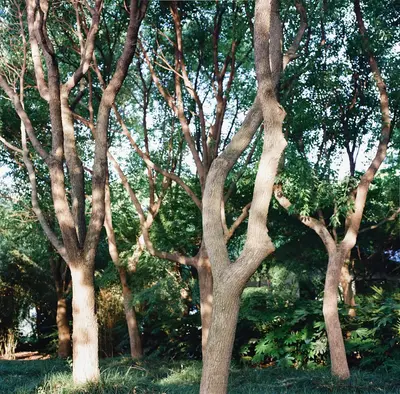
American Elm
The classic American street tree famous for its graceful vase-shaped canopy that once lined countless city streets. Modern disease-resistant cultivars have brought this beloved native back from near extinction caused by Dutch elm disease. Fast-growing and adaptable, American elms create cathedral-like canopies perfect for large properties and urban settings.
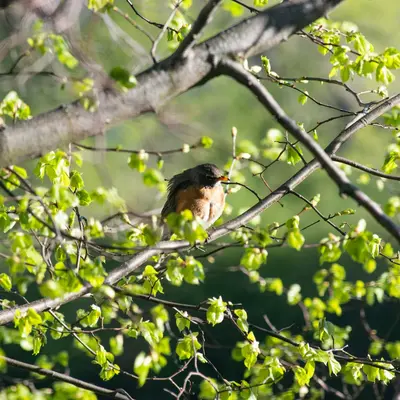
American Hornbeam
A native understory tree prized for its smooth, muscular gray bark and exceptional four-season interest. This shade-tolerant beauty produces brilliant orange-red fall foliage and adapts well to urban conditions while providing excellent wildlife habitat. Perfect for smaller yards where a graceful, low-maintenance shade tree is desired.
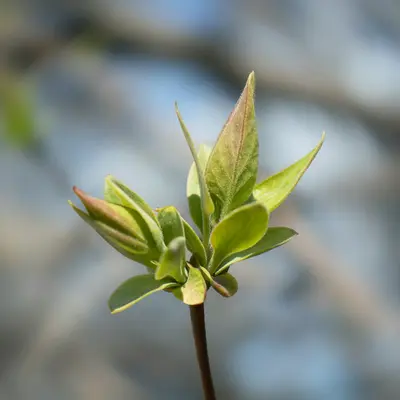
American Linden
A fast-growing native shade tree beloved for its heart-shaped leaves and incredibly fragrant summer flowers that attract bees from miles around. Also known as Basswood, this stately tree creates dense, cooling shade and produces clusters of small, sweet-scented yellow flowers in late June. The smooth bark and uniform growth habit make it an excellent choice for street plantings and large yards.
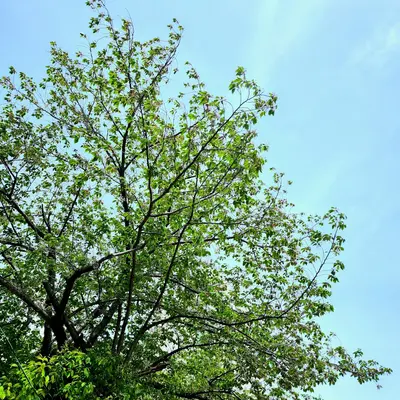
American Sweetgum
This magnificent native shade tree is famous for its spectacular fall display of yellow, orange, red, and purple leaves all on the same tree. The distinctive star-shaped leaves and interesting spiky seed balls make it a conversation starter, while its fast growth and dense shade make it highly practical for large landscapes.
American Sycamore
A fast-growing native giant known for its distinctive mottled bark that exfoliates to reveal cream, green, and brown patches. This majestic tree provides exceptional shade with its broad, spreading canopy and is surprisingly adaptable to various soil conditions. Its unique bark pattern and massive size make it a standout specimen tree that creates a natural focal point in any landscape.
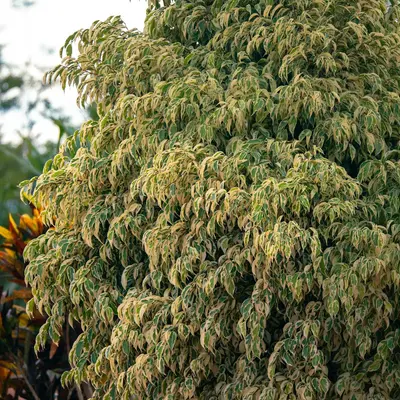
Bald Cypress
This ancient native conifer defies expectations by dropping its needles each fall after turning a beautiful russet-orange color. Extremely adaptable and long-lived, it thrives in both wet and dry conditions while developing distinctive fluted bark and impressive size, making it a unique choice for homeowners wanting something truly special.
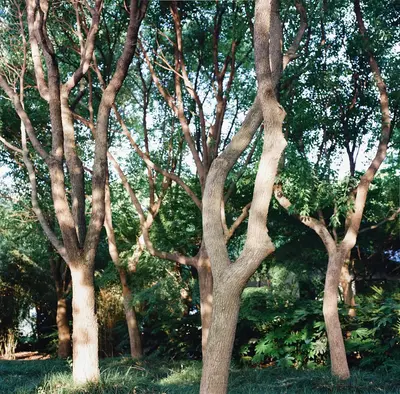
Black Gum
A spectacular native shade tree that delivers the earliest and most brilliant fall color display, with leaves turning intense scarlet, orange, and purple weeks before other trees. This slow-growing, long-lived beauty adapts to various conditions while providing valuable wildlife habitat. An excellent choice for gardeners seeking four-season interest and low maintenance.
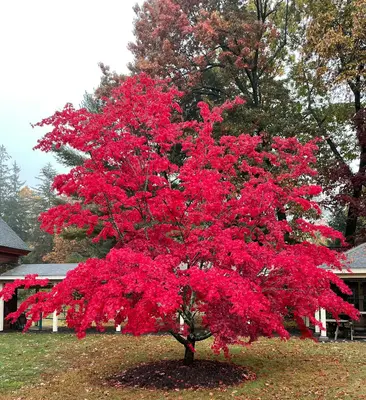
Brandywine Red Maple
A superior red maple cultivar selected for its outstanding fall color that develops earlier and lasts longer than typical red maples. This fast-growing native produces brilliant orange-red to deep red autumn foliage that's among the most reliable and intense of any maple variety. Its adaptability to various soil conditions and consistent performance make it an excellent choice for homeowners wanting guaranteed fall color.
Catalpa
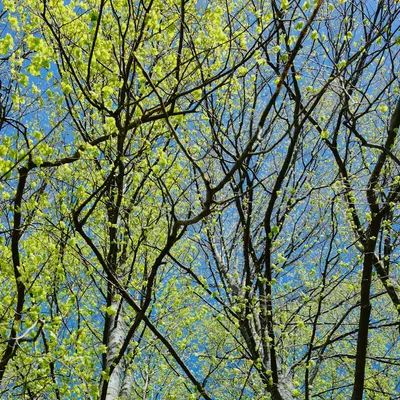
A distinctive shade tree with huge heart-shaped leaves and showy clusters of white orchid-like flowers in late spring. Fast-growing and hardy, it produces long bean-like seed pods that hang from branches all winter, creating unique architectural interest. Perfect for homeowners wanting quick shade with tropical flair.
Chinese Elm
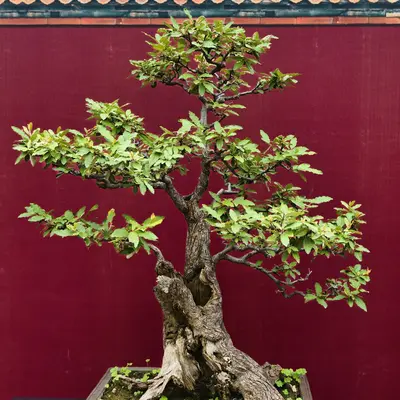
A fast-growing, disease-resistant alternative to American Elm that combines rapid growth with exceptional durability and grace. This adaptable tree features small, glossy leaves that create dense shade in summer and often persist late into fall with attractive yellow color. Its distinctive mottled bark adds year-round visual interest, while its proven resistance to Dutch elm disease makes it a reliable choice for elm lovers.
Crimson King Maple
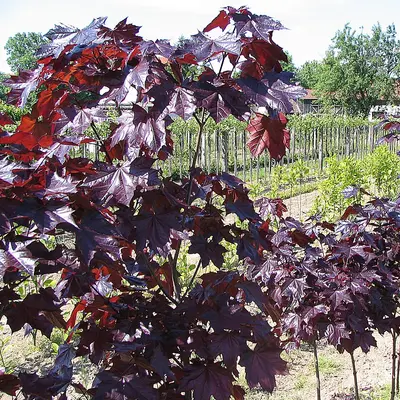
A stunning cultivar of Norway Maple that maintains deep burgundy-red foliage throughout the entire growing season. This fast-growing shade tree creates a dramatic focal point in any landscape with its rich purple-red leaves that seem to glow when backlit by sunlight. Perfect for homeowners wanting bold color without sacrificing the classic maple tree shape.
Eastern Redbud
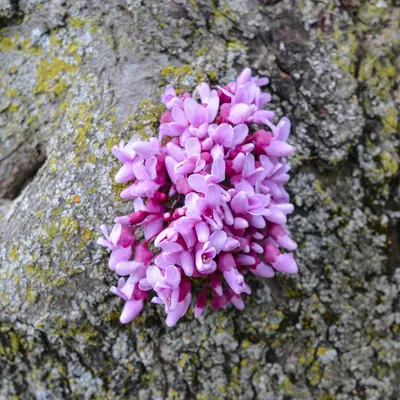
A stunning native shade tree that announces spring with masses of bright pink-purple flowers blooming directly from its branches and trunk. The distinctive heart-shaped leaves provide beautiful yellow fall color, and its moderate size makes it perfect for residential landscapes where you want maximum impact without overwhelming the space.
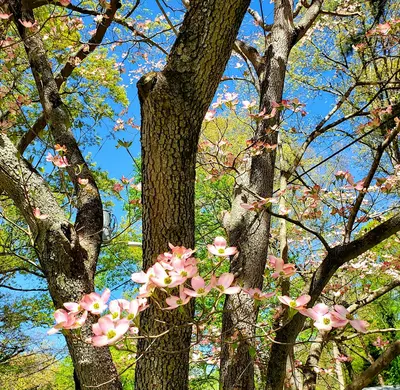
Flowering Dogwood
America's beloved native flowering tree that announces spring with spectacular white or pink bracts followed by brilliant red fall color. This iconic shade tree provides year-round beauty with attractive layered branching and bright red berries that wildlife adore. A must-have for creating that classic American garden aesthetic.
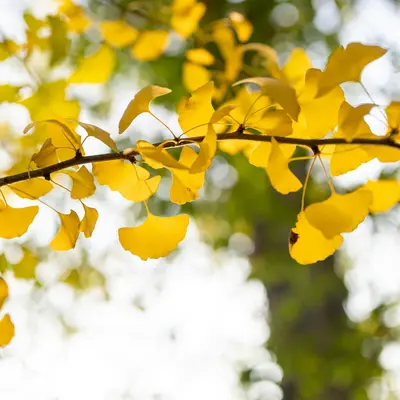
Ginkgo
An ancient living fossil tree prized for its unique fan-shaped leaves that turn brilliant golden yellow in fall. Extremely hardy and pollution-tolerant, making it perfect for urban environments where other trees struggle. This slow-growing beauty becomes a stunning specimen tree that can live for centuries.
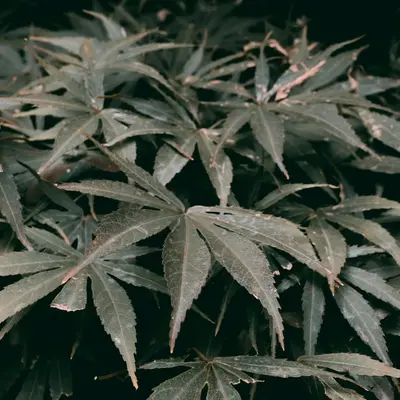
Green Ash
A tough, fast-growing native tree that adapts to almost any growing condition while providing excellent shade coverage. Its compound leaves create filtered shade perfect for lawns, and the brilliant golden-yellow fall color rivals any ornamental tree. Though emerald ash borer has created challenges, treated and resistant varieties continue to make Green Ash a valued choice for homeowners seeking a reliable, low-maintenance shade tree.
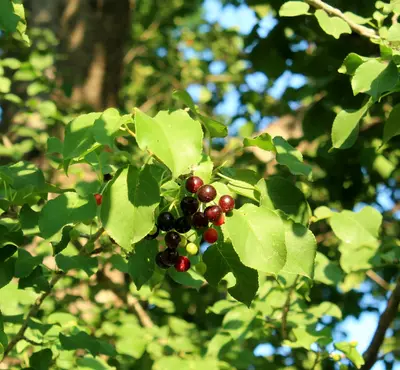
Hackberry
A tough, adaptable native tree that thrives where other shade trees struggle, making it perfect for challenging sites and urban environments. This undemanding tree grows quickly into a graceful, vase-shaped canopy that provides excellent filtered shade through its small, elm-like leaves. Wildlife enthusiasts love hackberry for its small berries that feed over 40 bird species throughout fall and winter.
Honey Locust
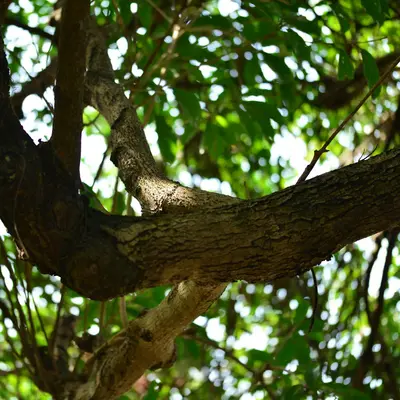
This fast-growing native shade tree is beloved by homeowners for its delicate, fern-like foliage that creates dappled shade perfect for growing grass underneath. The thornless variety produces minimal seed pods and offers brilliant golden-yellow fall color, making it one of the most practical and beautiful choices for suburban landscapes.
Japanese Maple
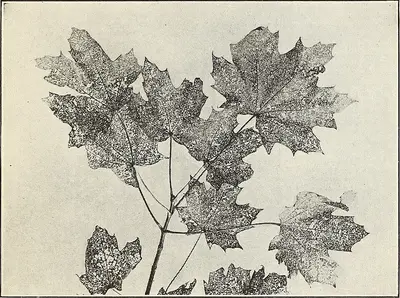
The jewel of ornamental shade trees, prized for their delicate palmate leaves and stunning seasonal color changes from spring through fall. Available in countless cultivars with varying leaf shapes, sizes, and colors, Japanese maples bring four-season interest to any landscape. Their refined branching structure and compact size make them perfect for smaller yards where every plant must earn its place.
Kentucky Coffee Tree
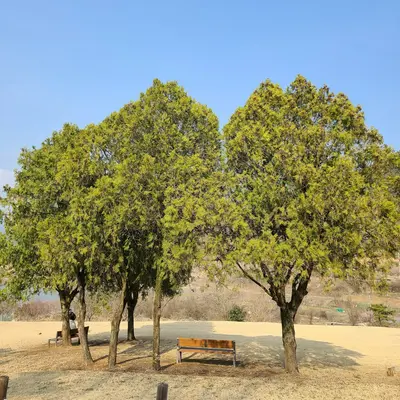
A unique native shade tree with bold architectural presence, featuring enormous compound leaves and distinctive winter silhouette with thick, blunt branches. This tough, adaptable tree tolerates urban pollution, drought, and poor soils while casting filtered shade perfect for underplanting. An excellent conversation piece for gardeners wanting something truly distinctive.
Littleleaf Linden
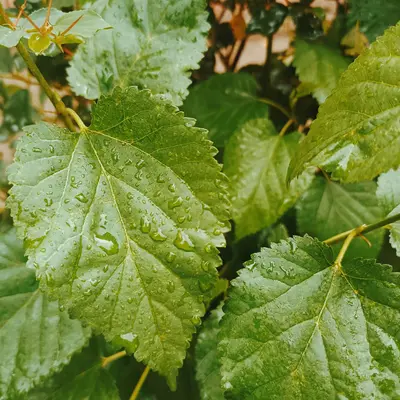
A refined European shade tree beloved for its perfectly heart-shaped leaves and sweetly fragrant summer flowers that attract beneficial pollinators. This well-mannered tree maintains a neat, pyramidal shape without aggressive pruning and tolerates urban conditions exceptionally well. Its dense foliage provides excellent shade while the fragrant blooms create a delightful sensory experience in the garden.
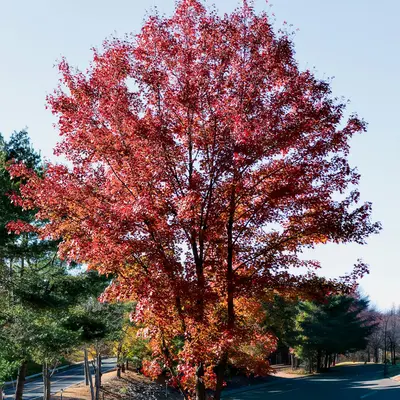
Northern Red Oak
A fast-growing native oak prized for its brilliant red fall color and adaptability to various growing conditions. This stately tree develops a broad, rounded crown with distinctive lobed leaves that turn fiery scarlet in autumn. Northern Red Oak is excellent for large properties where you want the majesty of an oak but don't want to wait decades for substantial size.

Norway Maple
A dense, hardy shade tree that creates excellent cooling canopy with its broad, dark green leaves and symmetrical growth habit. Known for thriving in urban environments where other trees struggle, it tolerates pollution, compacted soil, and challenging growing conditions. The Norway Maple's reliable performance and stunning yellow fall display have made it a go-to choice for street plantings and residential landscapes seeking dependable shade.

Pin Oak
A magnificent native oak prized for its distinctive pyramidal shape and reliable, brilliant red-orange fall color that lasts for weeks. The Pin Oak's unique branching pattern—upward angled upper branches, horizontal middle branches, and downward lower branches—creates an instantly recognizable silhouette. Fast-growing for an oak and extremely tolerant of urban conditions, it provides excellent shade while supporting wildlife with its abundant acorn production.
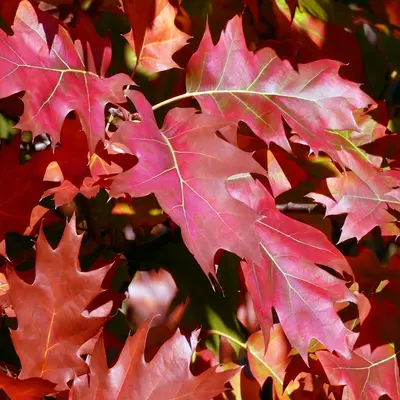
Red Oak
Red Oak is a large, deciduous shade tree valued for its rapid growth and stunning foliage. Mature trees reach 60-80 feet tall with a broad, rounded crown featuring deeply lobed leaves that turn vibrant red and crimson in fall. This hardy native species thrives in well-drained, acidic to neutral soil and adapts well to various growing conditions, making it an excellent choice for landscapes. Red Oak provides excellent shade within 4-6+ hours of sunlight. Its dense canopy and striking seasonal colors make it a preferred ornamental shade tree, though it requires monitoring for common pests like gypsy moths and oak borers.
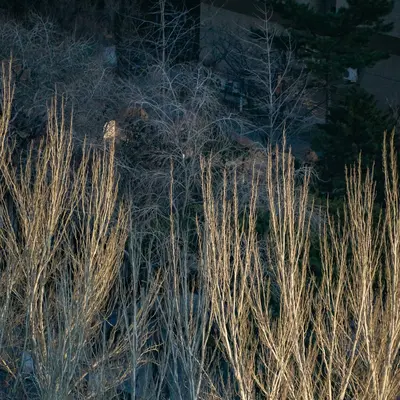
River Birch
A fast-growing native shade tree renowned for its stunning exfoliating bark that peels in papery sheets of cream, salmon, and cinnamon colors. Exceptionally adaptable to wet or dry conditions, this heat-tolerant birch thrives where other birches fail. Perfect for adding textural interest and quick shade to any landscape.
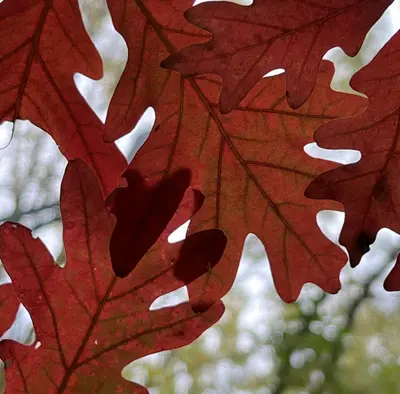
Scarlet Oak
A stunning native oak prized for its brilliant scarlet fall foliage that rivals any maple for autumn color. This medium-sized oak grows faster than most oak species while maintaining the classic oak strength and longevity. Its deeply lobed leaves create beautiful filtered shade in summer before transforming into a spectacular red display that lasts for weeks.
Serviceberry
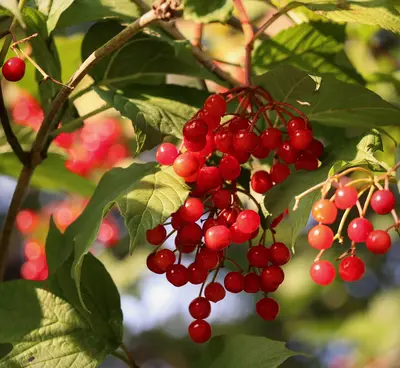
A multi-season native treasure that offers delicate white spring flowers, sweet edible berries in summer, and spectacular orange-red fall foliage. This smaller shade tree is perfect for compact yards and provides food for both wildlife and humans, making it an excellent choice for eco-conscious gardeners.
Silver Maple
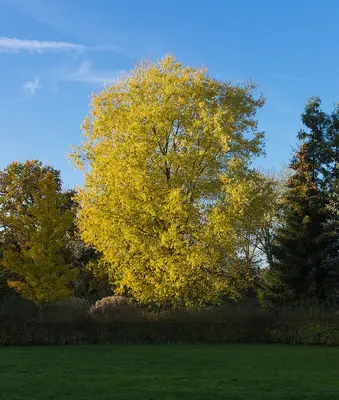
A fast-growing native shade tree prized for its rapid establishment and graceful, drooping branches. The silvery undersides of its deeply lobed leaves create a shimmering effect in the breeze, while its adaptability to various soil conditions makes it a reliable choice for quick shade. Though fast-growing trees often sacrifice longevity, the Silver Maple's impressive size and beautiful fall color make it a popular landscape staple.
Sugar Maple
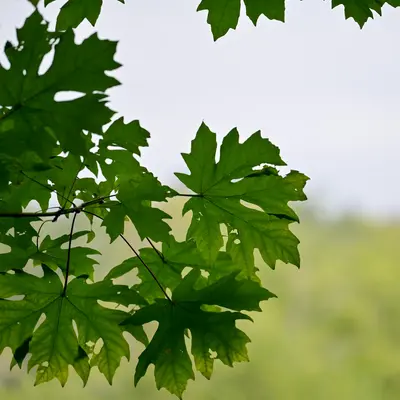
The iconic maple tree that defines autumn in North America with its spectacular yellow, orange, and red fall display. Known for producing the finest maple syrup, sugar maples are slow-growing but long-lived trees that create dense, cooling shade. Their symmetrical oval shape and reliable fall color make them one of the most sought-after landscape trees.
Thornless Honeylocust
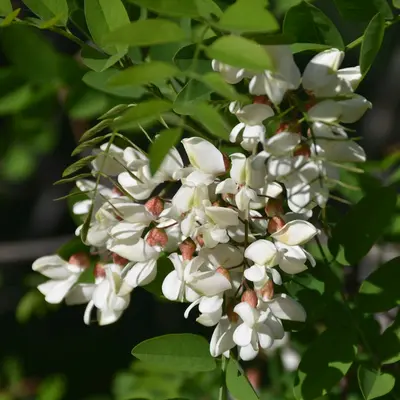
A refined version of the native honeylocust that eliminates the troublesome thorns while keeping all the best qualities of this adaptable shade tree. Its delicate, compound leaves create dappled shade perfect for growing grass underneath, while the small leaflets practically disappear into the lawn come fall. Extremely tough and drought-tolerant once established, making it ideal for challenging urban environments.
Tulip Tree
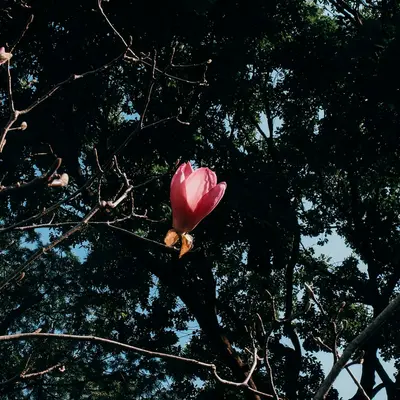
A magnificent native shade tree with unique tulip-shaped leaves and stunning orange-yellow tulip-like flowers in late spring. This fast-growing giant is one of the tallest native trees in North America, creating impressive vertical presence in the landscape. The distinctive four-lobed leaves turn brilliant golden-yellow in fall, making it a showstopper in autumn gardens.
White Oak
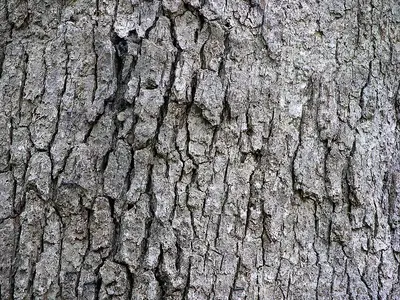
A majestic native American shade tree prized for its broad, rounded canopy and outstanding fall color. This long-lived oak produces sweet acorns that attract wildlife and develops distinctive light gray bark with shallow furrows. White Oak is considered one of the finest shade trees for large properties, combining exceptional beauty with incredible durability.
Zone 5 Growing Tips
Plant shade trees in Zone 5 during two optimal windows: early spring after soil thaws but before bud break (typically mid-April), or fall planting from late August through mid-September. Fall planting is actually preferable since it gives roots time to establish before winter dormancy, but avoid planting after October 1st as trees need at least 6 weeks to settle in before hard frost. Container trees can be planted throughout the growing season with adequate watering, but bare-root specimens must go in during early spring dormancy.
Zone 5's biggest challenge is the potential for late spring frosts that can damage new growth on early-leafing species like Silver Maple and Weeping Willow. Plant these in slightly protected locations or on north-facing slopes where they'll leaf out later. Winter protection isn't usually necessary for established trees, but newly planted specimens benefit from trunk wraps and deep fall watering before ground freeze. Mulch heavily around young trees to prevent frost heaving during the freeze-thaw cycles common in March and early April.
Season Overview
Your April 30th average last frost date means most shade trees will begin leafing out in early May, though maples and willows often start earlier and risk occasional frost nip. The October 5th first frost gives you a solid 155-day growing season – long enough for even slower-growing oaks and hickories to put on substantial annual growth. This timing is ideal for fall color trees like Sugar Maple and Scarlet Oak, which need those cool September nights followed by October frosts to develop their best autumn display. Plan your planting schedule around these dates, with spring planting happening in mid-April and fall installations completed by mid-September.