Kentucky Coffee Tree
Gymnocladus dioicus
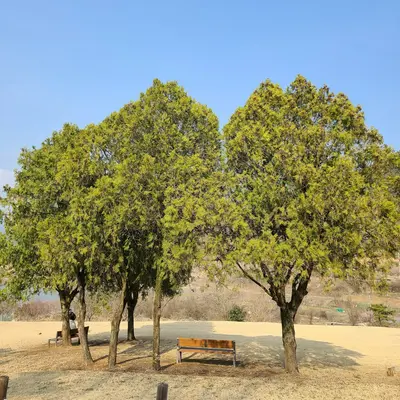
A unique native shade tree with bold architectural presence, featuring enormous compound leaves and distinctive winter silhouette with thick, blunt branches. This tough, adaptable tree tolerates urban pollution, drought, and poor soils while casting filtered shade perfect for underplanting. An excellent conversation piece for gardeners wanting something truly distinctive.
Sun
Full sun
Zones
3–8
USDA hardiness
Height
60-80 feet
Planting Timeline
Showing dates for Kentucky Coffee Tree in USDA Zone 7
All Zone 7 shade-tree →Zone Map
Click a state to update dates
Kentucky Coffee Tree · Zones 3–8
Growing Details
Complete Growing Guide
Light: Full sun (6 or more hours of direct sunlight a day). Soil: Clay, High Organic Matter, Loam (Silt), Sand. Soil pH: Acid (<6.0), Alkaline (>8.0), Neutral (6.0-8.0). Drainage: Good Drainage, Moist. Height: 60 ft. 0 in. - 80 ft. 0 in.. Spread: 40 ft. 0 in. - 55 ft. 0 in.. Spacing: 24-60 feet. Growth rate: Slow. Maintenance: Low. Propagation: Root Cutting, Seed. Regions: Coastal, Mountains, Piedmont.
Harvesting
The female trees develop the fruit. The fruits appear as flat reddish-brown or purplish-brown pods that measure up to 10 inches long and 1 to 3 inches wide. They mature in the fall and persist through the winter. The pods contain 4-7 dark brown seeds and are surrounded by a sticky pulp. The seeds are hard, smooth, oval, somewhat flat, and measure about 1/2 inch long and 5/8 inches wide. Male trees are considered desirable because of the lack of pods.
Color: Brown/Copper, Purple/Lavender, Red/Burgundy. Type: Legume. Length: > 3 inches. Width: 1-3 inches.
Garden value: Showy
Harvest time: Fall, Winter
Edibility: Seeds, roasted and ground, can be used as a substitute for coffee; does not have caffeine.
Storage & Preservation
Kentucky Coffee Trees are shade trees and do not produce edible fruit for storage. The tree itself requires no harvesting or preservation. If collecting seeds for propagation, store dried seed pods in a cool, dry location (50-60°F) with low humidity. Keep seeds in airtight containers away from moisture and pests. For seed stratification (preparation for planting), seeds can be stored in cool, moist conditions for 30-60 days before spring planting, or cold-stored dry for long-term viability.
History & Origin
Origin: South Eastern Canada to Central & Eastern U.S.A
Advantages
- +Attracts: Moths
- +Low maintenance
Considerations
- -Toxic (Fruits, Leaves, Seeds): Low severity
Companion Plants
The shade-tolerant understory plants in our database pair well here for a straightforward reason: Kentucky Coffee Tree's open, airy canopy casts dappled rather than dense shade, and it leafs out late — which means Wild Ginger, Hostas, Ferns, and Trillium get full sun through April and into May, right when they're doing most of their growing. Serviceberry fits the mid-canopy layer at 20-25 feet without crowding the root zone, and Coral Bells and Astilbe both handle the dry shade that develops under the drip line once the canopy fills. In our zone 7 Georgia garden, that extended spring window before the canopy closes is genuinely useful for getting ephemerals established.
Grass lawn is the companion to cut out most deliberately. Turfgrass planted within the drip line competes hard for water and nitrogen, and routine mowing keeps bark damage at the root flare a steady risk on a young tree. Norway Maple is a separate problem — it releases allelopathic compounds that suppress neighboring plant growth, and it's considered invasive across much of the Southeast. Black Walnut produces juglone; Gymnocladus dioicus has shown sensitivity to it, so site these two well apart — NC State Extension puts the safe buffer at 50-60 feet from the walnut's drip line.
Plant Together
Wild Ginger
Thrives in similar soil conditions and provides excellent groundcover in shade
Hostas
Compatible shade perennial that helps suppress weeds beneath the canopy
Ferns
Natural woodland companions that thrive in similar moisture and shade conditions
Coral Bells
Tolerates filtered shade and adds seasonal color without competing for resources
Astilbe
Shade-loving perennial that complements the tree's natural woodland habitat
Wild Columbine
Native woodland plant that attracts beneficial pollinators and thrives in partial shade
Serviceberry
Compatible understory tree that provides wildlife food and spring flowers
Trillium
Native spring ephemeral that completes its cycle before full canopy leaf-out
Keep Apart
Black Walnut
Produces juglone which can inhibit growth of many plants including Kentucky Coffee Tree
Grass Lawn
Competes heavily for water and nutrients, especially damaging to young trees
Norway Maple
Creates dense shade that can suppress Kentucky Coffee Tree regeneration and growth
Pests & Disease Resistance
Resistance
Excellent disease and pest resistance
Common Pests
Virtually pest-free
Diseases
No significant disease problems
Troubleshooting Kentucky Coffee Tree
What you'll see, why it happens, and what to do about it.
Seed fails to germinate after 30+ days in soil
Likely Causes
- Hard seed coat (physical dormancy) — Kentucky Coffee Tree seeds have an extremely impermeable testa that blocks water uptake without scarification
- Planted too early in cold soil below 60°F
What to Do
- 1.Nick the seed coat with a file or coarse sandpaper, then soak in warm water for 24 hours before sowing — this alone dramatically improves germination rates
- 2.Wait until soil temps are consistently above 60°F before direct sowing outdoors
- 3.If starting indoors, use a heat mat set to 70°F and expect 21-30 days even with proper scarification
Young transplant (under 2 years) wilting or showing scorched leaf margins in July and August
Likely Causes
- Transplant shock combined with summer heat stress — newly installed trees haven't established a root system wide enough to meet water demand
- Planting too late in spring, giving roots less than 6-8 weeks to settle before peak heat
What to Do
- 1.Water deeply once or twice a week — slow and deep, not a quick sprinkle — targeting the drip line, not the trunk base
- 2.Lay 3-4 inches of wood chip mulch in a wide ring (keep it 6 inches away from the trunk) to hold soil moisture and moderate root-zone temperature
- 3.For next year, aim to transplant in May so the tree has more runway before the 90°F+ stretch hits
Large compound leaf segments (leaflets) dropping in mid-summer with no obvious pest or disease visible
Likely Causes
- Normal stress response to drought — Kentucky Coffee Tree sheds leaflets as a moisture-conservation mechanism, which can alarm gardeners who don't expect it
- Compacted or heavily clay soil limiting drainage and root oxygenation
What to Do
- 1.Check soil moisture 4-6 inches down before assuming drought; if it's dry, resume a deep-watering schedule
- 2.If clay compaction is the issue, aerate a wide ring around the drip line and top-dress with compost — don't rototill near surface roots
- 3.Know that Gymnocladus dioicus leafs out later in spring and drops earlier in fall than most hardwoods; some leaflet shed mid-season is within normal range for the species
Frequently Asked Questions
How long does a Kentucky Coffee Tree take to grow to mature size?▼
Is the Kentucky Coffee Tree good for beginner gardeners?▼
Can you grow a Kentucky Coffee Tree in containers?▼
When should I plant a Kentucky Coffee Tree?▼
What makes Kentucky Coffee Tree unique compared to other shade trees?▼
Does the Kentucky Coffee Tree produce fruit?▼
Zone-by-Zone Planting Calendar
Growing Guides from Wind River Greens
Sources & References
External authority sources used in compiling this guide.
- ExtensionNC State Extension
See the Methodology page for how this data is sourced, what's AI-assisted, and known limitations.