Green Ash
Fraxinus pennsylvanica
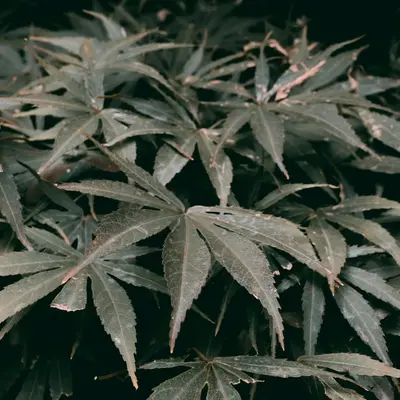
A tough, fast-growing native tree that adapts to almost any growing condition while providing excellent shade coverage. Its compound leaves create filtered shade perfect for lawns, and the brilliant golden-yellow fall color rivals any ornamental tree. Though emerald ash borer has created challenges, treated and resistant varieties continue to make Green Ash a valued choice for homeowners seeking a reliable, low-maintenance shade tree.
Sun
Full sun
Zones
3–9
USDA hardiness
Height
50-70 feet
Planting Timeline
Showing dates for Green Ash in USDA Zone 7
All Zone 7 shade-tree →Zone Map
Click a state to update dates
Green Ash · Zones 3–9
Growing Details
Complete Growing Guide
Light: Full sun (6 or more hours of direct sunlight a day). Soil: Clay, Loam (Silt), Sand. Soil pH: Acid (<6.0), Neutral (6.0-8.0). Drainage: Good Drainage, Moist, Occasionally Dry, Occasionally Wet. Height: 50 ft. 0 in. - 70 ft. 0 in.. Spread: 35 ft. 0 in. - 50 ft. 0 in.. Spacing: more than 60 feet. Growth rate: Rapid. Maintenance: Medium. Propagation: Seed. Regions: Coastal, Mountains, Piedmont.
Harvesting
Fertilized female flowers give way to the fruit that is a single-winged, dry, flat samara. The wing extends less than half the body of the fruit, and there is a thin seed cavity. There are usually a large number of samara, and they appear narrow, 1 to 2 inches long, and 1/4 inch wide. Their color changes from green to tan as they mature. They hang in dangling clusters and are displayed on the tree from August to October. They can persist on the tree through the winter.
Color: Brown/Copper, Green. Type: Samara. Length: 1-3 inches. Width: < 1 inch.
Harvest time: Fall
Edibility: Bark can be used in cooking as a thickener for soups or mixed with grain in making bread.
Storage & Preservation
Green Ash is a shade tree and does not require post-harvest storage or preservation methods typical of produce. However, if propagating from seeds or cuttings, store seeds in cool, dry conditions (32-41°F) with 30-40% humidity in sealed containers for up to one year. Fresh cuttings should be kept moist in a cool location. For preserved wood/lumber from pruned branches, store in a dry location away from moisture to prevent rot and fungal growth.
History & Origin
Origin: Central and Eastern Canada to West Central and Eastern US
Advantages
- +Attracts: Butterflies, Moths, Pollinators, Small Mammals, Songbirds
- +Edible: Bark can be used in cooking as a thickener for soups or mixed with grain in making bread.
- +Fast-growing
Companion Plants
The understory plants in our beneficial list — hostas, ferns, wild ginger, Solomon's seal — all succeed here for the same basic reason: they're built for the light conditions a large deciduous tree actually produces. A mature Green Ash at 50–70 feet casts variable dappled shade, and these plants fill that ground without competing meaningfully at the root zone. Ferns and wild columbine are especially tolerant of the shallow, fibrous root competition that surface-feeding trees create. Coral bells and astilbe handle the moisture swings well — wetter in early spring under bare branches, considerably drier by midsummer once the canopy closes. Violets near the drip line are useful because they tolerate both conditions and provide early-season ground cover that keeps weeds down while the tree is still leafing out.
The three harmful companions each cause trouble through a different mechanism. Black walnut (Juglans nigra) produces juglone, a biochemical compound that persists in soil and suppresses root development in nearby plants — Green Ash has more tolerance than, say, tomatoes, but sustained exposure within the walnut's root zone (which spreads well past the canopy edge) still weakens the tree over time. Norway maple is the more immediate practical problem: it's an aggressive, shallow-rooted competitor that crowds out understory plantings and will out-compete young ash trees for both water and light. Eucalyptus works differently again — it releases allelopathic compounds through decomposing leaf litter and root exudates that suppress germination and establishment of nearby plants. Give Green Ash genuine separation from all three.
Plant Together
Wild Ginger
Thrives in partial shade and helps suppress weeds while tolerating ash tree's root system
Hostas
Excellent shade tolerance and complementary root depth, won't compete with ash tree roots
Ferns
Natural woodland companions that thrive in filtered light and help retain soil moisture
Violets
Ground cover that fixes nitrogen and attracts beneficial insects while tolerating shade
Wild Columbine
Native understory plant that attracts pollinators and complements ash tree's natural habitat
Coral Bells
Shade-tolerant perennial that adds color without competing for nutrients at tree level
Astilbe
Thrives in moist, shaded conditions and provides ornamental value under canopy
Solomon's Seal
Native woodland plant with shallow roots that won't interfere with tree's root system
Keep Apart
Black Walnut
Produces juglone which is toxic to ash trees and can cause decline or death
Eucalyptus
Releases allelopathic compounds that inhibit growth of nearby trees including ash
Norway Maple
Dense canopy blocks light and shallow roots create intense competition for water and nutrients
Pests & Disease Resistance
Resistance
Susceptible to emerald ash borer, ash yellows, and various canker diseases
Common Pests
Emerald ash borer, ash flower gall, lilac borer
Diseases
Ash yellows, anthracnose, various canker diseases
Troubleshooting Green Ash
What you'll see, why it happens, and what to do about it.
Bark splitting or D-shaped exit holes in the trunk or main branches, often with S-shaped galleries visible under loose bark
Likely Causes
- Emerald ash borer (Agrilus planipennis) — larvae feed in the cambium layer, cutting off water and nutrient flow
- Tree stress from drought or poor drainage making it more susceptible to infestation
What to Do
- 1.Contact your county extension office before doing anything — emerald ash borer is a regulated pest in many states, and treatments or removal may have legal requirements
- 2.For high-value trees, a licensed arborist can apply systemic trunk injections (emamectin benzoate is the most effective option for established infestations)
- 3.If the canopy is more than 50% dead, removal is usually the only practical path; plan a replacement planting at least 30 feet from the stump
Leaves with irregular brown or tan dead patches, especially along the edges and between veins, appearing in spring after a wet stretch
Likely Causes
- Anthracnose (Gnomoniella fraxini) — a fungal disease that hits during cool, wet springs when leaves are just emerging
- Dense canopy or poor airflow slowing leaf dry-off after rain
What to Do
- 1.Rake and dispose of all fallen leaves in autumn — don't compost them, the fungal spores overwinter in leaf litter
- 2.Most established trees recover on their own; avoid heavy fertilization after an anthracnose year, which pushes soft new growth that's even more susceptible
- 3.If the same tree defoliates severely two or three years running, have an arborist assess overall health before considering fungicide applications
Dieback starting at the branch tips and working inward, leaves turning yellow or pale green well before fall, overall decline in canopy density over multiple seasons
Likely Causes
- Ash yellows (caused by Candidatus Fraxinus virescence, a phytoplasma) — spread by leafhoppers, no cure exists
- Canker diseases (Cytospora or Botryosphaeria spp.) entering through wounds or stressed tissue
What to Do
- 1.Have a certified arborist confirm the diagnosis — ash yellows and canker decline look similar and the management paths differ
- 2.For canker: prune out affected branches 6–8 inches below visible discoloration, sterilizing your saw between cuts with 70% isopropyl alcohol
- 3.For ash yellows: no treatment exists; removal and replacement with a non-susceptible species is the only real option
Frequently Asked Questions
When should I plant a Green Ash tree?▼
Is Green Ash a good tree for beginners?▼
How long does Green Ash take to mature?▼
What should I know about Emerald Ash Borer in Green Ash?▼
Can Green Ash grow in wet or clay soil?▼
How much shade does Green Ash provide?▼
Zone-by-Zone Planting Calendar
Growing Guides from Wind River Greens
Sources & References
External authority sources used in compiling this guide.
- ExtensionNC State Extension
See the Methodology page for how this data is sourced, what's AI-assisted, and known limitations.