Zone 10 Coverage
Planting Timeline — All Varieties
Growing Shade Trees in Zone 10
Zone 10's nearly frost-free climate presents unique opportunities and challenges for shade tree gardening. With temperatures rarely dipping below 30°F and an extended 320-day growing season, you can successfully grow both traditional temperate species and heat-tolerant varieties that struggle in cooler zones. However, the intense heat and potential for drought stress during summer months means selecting trees that can handle prolonged heat while still providing the dense canopy coverage you're seeking.
The key to success in Zone 10 is choosing varieties that balance heat tolerance with sufficient chill hours for healthy development. Live Oak and Bald Cypress are exceptional choices, having evolved in warm climates and offering year-round structure with minimal dormancy requirements. For those wanting seasonal interest, Chinese Pistache and River Birch adapt remarkably well to the heat while providing beautiful fall color. Sugar Maple and some oak varieties can thrive here with adequate moisture, though they'll have shorter dormant periods than in northern climates.
What makes these selections ideal for Zone 10 is their proven ability to establish quickly in warm soil, tolerate summer heat stress, and provide substantial shade coverage within a few growing seasons. Many will continue active growth well into what would be winter months in cooler zones, giving you faster establishment and quicker shade benefits than you'd see elsewhere.
Variety Comparison
| Variety ↑ | Days | Difficulty |
|---|---|---|
| Chinese Elm | — | Easy |
| Live Oak | — | Easy |
Variety Details
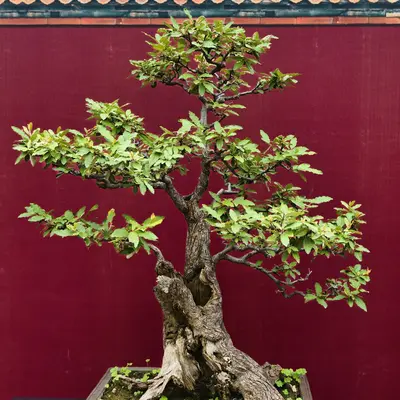
Chinese Elm
A fast-growing, disease-resistant alternative to American Elm that combines rapid growth with exceptional durability and grace. This adaptable tree features small, glossy leaves that create dense shade in summer and often persist late into fall with attractive yellow color. Its distinctive mottled bark adds year-round visual interest, while its proven resistance to Dutch elm disease makes it a reliable choice for elm lovers.
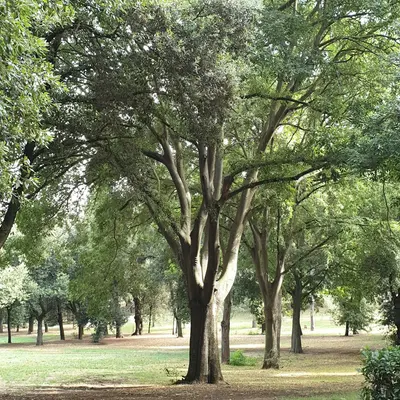
Live Oak
The legendary evergreen oak of the American South, famous for its massive spreading branches draped in Spanish moss and centuries-long lifespan. Live oaks develop incredibly wide, horizontal canopies that can span over 100 feet, creating natural pavilions of dense shade. Their sculptural beauty and extreme longevity make them the ultimate legacy tree for large properties.
Zone 10 Growing Tips
Plant shade trees in Zone 10 between November and February, taking advantage of the cooler months when trees can establish root systems before facing intense summer heat. Even though your last frost averages January 31st, most years see little to no frost damage, making winter planting ideal for root development. Bare-root trees should go in the ground by early February, while container trees can be planted through March with adequate irrigation support.
Summer heat stress is your biggest challenge, so deep, infrequent watering is crucial during establishment. Create a 3-4 inch mulch ring around new plantings to conserve soil moisture and keep roots cool during July and August when temperatures peak. Many Zone 10 gardeners underestimate water needs because of the long growing season – your trees will be actively growing and transpiring for nearly 11 months of the year.
Choose planting sites carefully, considering mature size and afternoon shade protection for heat-sensitive varieties like Sugar Maple or Japanese Maple. Morning sun with some afternoon protection helps these temperate species adapt to your climate. Wind protection is equally important, as your extended growing season means trees keep their leaves longer and are more susceptible to wind damage during storm seasons.
Season Overview
Your Zone 10 growing season runs approximately 320 days from mid-December through late November, with frost risk primarily limited to a six-week window from mid-December through January. This extended season allows for flexible planting timing and means many deciduous trees will hold their leaves well into December, providing shade coverage much longer than in northern zones. However, some varieties requiring significant chill hours may not achieve full dormancy, potentially affecting spring flowering and overall tree health in subsequent years.