Black Gum
Nyssa sylvatica
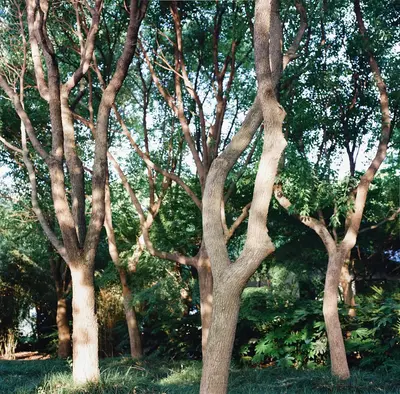
A spectacular native shade tree that delivers the earliest and most brilliant fall color display, with leaves turning intense scarlet, orange, and purple weeks before other trees. This slow-growing, long-lived beauty adapts to various conditions while providing valuable wildlife habitat. An excellent choice for gardeners seeking four-season interest and low maintenance.
Sun
Full sun
Zones
4–9
USDA hardiness
Height
40-70 feet
Planting Timeline
Showing dates for Black Gum in USDA Zone 7
All Zone 7 shade-tree →Zone Map
Click a state to update dates
Black Gum · Zones 4–9
Growing Details
Complete Growing Guide
Light: Full sun (6 or more hours of direct sunlight a day). Soil: Clay, Loam (Silt), Sand. Soil pH: Acid (<6.0), Neutral (6.0-8.0). Drainage: Good Drainage, Moist, Occasional Flooding, Occasionally Dry, Occasionally Wet. Height: 40 ft. 0 in. - 70 ft. 0 in.. Spread: 20 ft. 8 in. - 35 ft. 6 in.. Spacing: 12-24 feet, 24-60 feet. Growth rate: Medium. Maintenance: Low. Propagation: Layering, Seed. Regions: Coastal, Mountains, Piedmont.
Harvesting
Female trees only. From late summer to fall, the tree produces green drupes that ripen to bluish-black, round to oval, 3/8 to 1/2-inch long, and clustered on stalks up to 1 1/2 inches long. Thin, bitter-smelling flesh surrounds the small, ribbed seeds. The fruits are edible but sour. Birds and small mammals enjoy the drupes.
Color: Black, Blue. Type: Drupe. Length: < 1 inch. Width: < 1 inch.
Garden value: Edible
Harvest time: Fall, Summer
Edibility: Fruit can be eaten raw or cooked. Produces a thin sharply acid pulp that is pleasant to roll in the mouth as a masticatory, it is also used in preserves. The honey bees produce from the flowers of this tree is highly prized.
Storage & Preservation
As an ornamental tree, Black Gum requires no post-harvest preservation in the conventional sense. If you've cut branches for fall arrangements, condition them immediately: remove lower leaves, recut stems at a 45-degree angle, and place in cool water (60–65°F) with floral preservative. Branches will hold color for 2–3 weeks in a cool room away from direct heat and ripening fruit. For longer preservation, hang-dry individual branches in a cool, dark, well-ventilated space (60–70°F, low humidity). Dried branches retain color reasonably well for 1–2 months and work well in dried arrangements. Do not attempt to freeze or can foliage—this damages cell structure and aesthetic value. Store any fallen leaves in a cool, dry place if you're collecting them for seasonal décor or crafts; they'll remain vibrant for weeks but will eventually brown and crisp naturally.
History & Origin
Origin: Southern Ontario, Central and Eastern United States, and Mexico
Advantages
- +Attracts: Bees, Frogs, Pollinators, Reptiles, Small Mammals, Songbirds, Specialized Bees
- +Edible: Fruit can be eaten raw or cooked. Produces a thin sharply acid pulp that is pleasant to roll in the mouth as a masticatory, it is also used in preserves. The honey bees produce from the flowers of this tree is highly prized.
- +Low maintenance
Companion Plants
The shade-tolerant natives in this list — Wild Ginger (Asarum canadense), Trillium, and Wild Columbine (Aquilegia canadensis) — work well under Black Gum because they've co-evolved in the same eastern woodland understory. They're adapted to dappled light and the acidic leaf litter (pH 4.5–6.5) that Black Gum produces as it matures. Ferns, Hostas, Astilbe, and Coral Bells fill the same niche if you want something a little more garden-tidy; all of them tolerate moderate to deep shade under a 40–70-foot canopy and won't compete aggressively with the tree's lateral roots. Winterberry Holly (Ilex verticillata) is a particularly good pairing — it shares the same preference for consistently moist, acidic soil, and the two together pull in birds from October through February when other food sources are sparse.
The harmful companions are worth understanding. Grass lawn is the most common mistake people make: turf planted up to the trunk competes directly for moisture, and mowing equipment causes repeated bark wounds that invite wood decay. Keep a mulched bed at minimum 6 feet from the trunk. Walnut trees (Juglans nigra) excrete juglone from their roots — a compound that suppresses a wide range of plants, and Black Gum shows enough sensitivity that you don't want the two sharing close root zones. Roses are simply a poor practical fit: they want full sun, near-neutral soil pH, and a fertilization schedule that has nothing in common with what Black Gum needs.
Plant Together
Wild Ginger
Thrives in similar acidic soil conditions and provides excellent groundcover under the canopy
Ferns
Tolerates deep shade and acidic soil, creates natural woodland understory
Astilbe
Flourishes in partial shade with consistent moisture from tree's canopy protection
Hostas
Benefits from filtered light and moist conditions provided by the tree's shade
Coral Bells
Adapts well to acidic soil and partial shade conditions under the canopy
Wild Columbine
Native woodland plant that thrives in similar acidic, well-draining soil
Trillium
Spring ephemeral that complements the tree's seasonal cycle and soil preferences
Winterberry Holly
Both prefer acidic, moist soil and provide wildlife habitat in different seasons
Keep Apart
Grass Lawn
Competes for water and nutrients, requires different soil pH and light conditions
Walnut Trees
Produces juglone which is toxic to many plants including Black Gum
Roses
Requires full sun and alkaline soil, opposite of Black Gum's acidic shade conditions
Pests & Disease Resistance
Resistance
Excellent disease and pest resistance
Common Pests
Very few pest problems, occasionally scale
Diseases
Generally disease-free, very hardy
Troubleshooting Black Gum
What you'll see, why it happens, and what to do about it.
Leaves turning prematurely red or dropping in midsummer, not in fall
Likely Causes
- Drought stress — Black Gum needs consistent moisture and will drop leaves early if the soil dries out for extended periods
- Transplant shock in young trees planted after June, when root systems haven't established
What to Do
- 1.Deep-water at the drip line once or twice a week during dry stretches — aim for the top 12 inches of soil staying consistently moist, not soggy
- 2.Mulch 3-4 inches deep with wood chips out to the drip line to hold moisture and regulate soil temperature
- 3.If the tree was transplanted this season, hold off on fertilizer and focus entirely on water; let it settle for a full year before expecting normal growth
Sticky residue on leaves or branches, sometimes with a sooty black coating
Likely Causes
- Scale insects (soft scale or armored scale) — the sticky substance is honeydew excreted by feeding scale; sooty mold (Capnodium spp.) grows on top of it
- Scale infestations are more common on stressed or newly transplanted trees
What to Do
- 1.In late winter before bud break, apply horticultural oil spray to the bark and branches — this smothers overwintering scale
- 2.For active infestations during the growing season, spot-treat with insecticidal soap on a cool morning, coating branch undersides thoroughly
- 3.Keep up with watering; healthy Black Gums rarely develop serious scale problems in the first place
Tree failing to establish — little to no new growth two full growing seasons after planting
Likely Causes
- Soil pH too high — Black Gum is strongly acid-preferring (pH 4.5–6.5) and will stall in neutral or alkaline soils where iron and manganese become unavailable
- Root disturbance during transplant — Nyssa sylvatica has a deep taproot and resents having it cut or bent to fit a hole
What to Do
- 1.Test your soil pH before planting; if it's above 6.5, work elemental sulfur into the planting area the season before
- 2.Buy the smallest container-grown or balled-and-burlapped specimen you can find — a 6-foot tree will often outpace a 12-foot tree within 5 years because the root-to-shoot ratio is better
- 3.Dig the planting hole 2–3 times wider than the rootball but no deeper; spread the roots outward rather than letting them circle the hole
Frequently Asked Questions
When does Black Gum change color and how early does it turn compared to other trees?▼
How tall does Black Gum grow and how much space does it need?▼
Can I grow Black Gum from seed, and how long does it take to become a full tree?▼
Is Black Gum good for beginners and low-maintenance landscapes?▼
Why is Black Gum difficult to transplant and when is the best time to move one?▼
What zone is Black Gum hardy in and can it grow in my region?▼
Zone-by-Zone Planting Calendar
Growing Guides from Wind River Greens
Sources & References
External authority sources used in compiling this guide.
- ExtensionNC State Extension
See the Methodology page for how this data is sourced, what's AI-assisted, and known limitations.