Zone 10 Coverage
Planting Timeline — All Varieties
Growing Corn in Zone 10
Zone 10 gardeners have a distinct advantage when growing corn – your nearly year-round growing season means you can succession plant for continuous harvests and experiment with varieties that need extended time to mature. However, the intense summer heat and humidity create their own challenges, making variety selection crucial for success. Look for heat-tolerant varieties with good disease resistance, particularly those that can handle high humidity without developing fungal issues.
The key to thriving corn in Zone 10 is working with your climate rather than against it. Your mild winters allow for fall and winter plantings that avoid the most brutal summer conditions, while spring plantings can be harvested before peak heat stress. Focus on varieties known for consistent performance in hot, humid conditions like Silver Queen and Honey Select, or explore unique options like Glass Gem and Painted Mountain that actually benefit from your extended season. Disease-resistant hybrids tend to outperform heirlooms in your humid climate, though proper spacing and air circulation can help any variety succeed.
Variety Comparison
| Variety ↑ | Days | Difficulty |
|---|---|---|
| Ambrosia | 75-80 | Moderate |
| Ashworth | 60-70 | Easy |
| Avalon | 75-78 | Moderate |
| Bodacious | 75-80 | Easy |
| Butter and Sugar | 78-82 | Easy |
| Country Gentleman | 90-100 | Moderate |
| Early Sunglow | 62-65 | Easy |
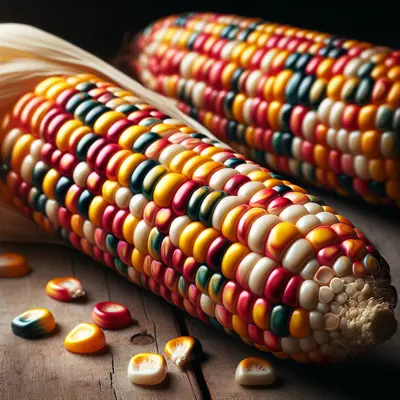
| Glass Gem | 120 | Easy to Moderate |
| Golden Bantam | 75-85 | Easy |
| Honey 'N Pearl | 79-84 | Easy |
| Honey and Cream | 78-82 | Easy |
| Honey Select | 79-82 | Easy to Moderate |
| How Sweet It Is | 87-92 | Moderate |
| Illini Xtra Sweet | 85-90 | Moderate |
| Incredible | 85-90 | Easy |
| Jubilee | 85-90 | Easy |
| Kandy Korn | 84-89 | Easy |
| Luscious | 75-80 | Moderate |
| Mirai | 82-85 | Moderate |
| Mixed Broom Corn | 85-110 | Moderate |
| Painted Mountain | 85 | Easy |
| Peaches and Cream | 75-83 | Easy to moderate |
| Reid's Yellow Dent | 110-120 | Easy |
| Ruby Queen | 100-110 | Easy |
| Silver and Gold | 78-82 | Easy |
Variety Details
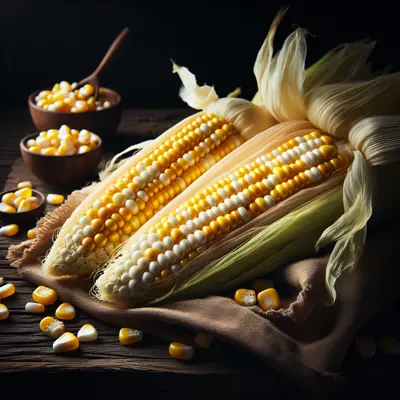
Ambrosia
A supersweet bicolor corn that lives up to its heavenly name with incredibly tender, crisp kernels that burst with sweetness. This variety maintains its sugar content much longer than standard sweet corn, staying sweet for days after harvest when properly stored. The striking yellow and white kernel pattern makes it as visually appealing as it is delicious on the dinner table.
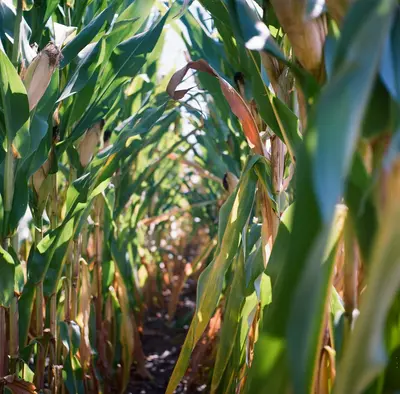
Ashworth
A remarkable cold-tolerant heirloom sweet corn specifically bred for northern gardens and short growing seasons. This hardy variety can germinate in cooler soils and tolerate light frosts, making it possible to grow sweet corn in challenging climates where other varieties fail. The compact plants produce flavorful ears with excellent eating quality despite the shorter season requirements.
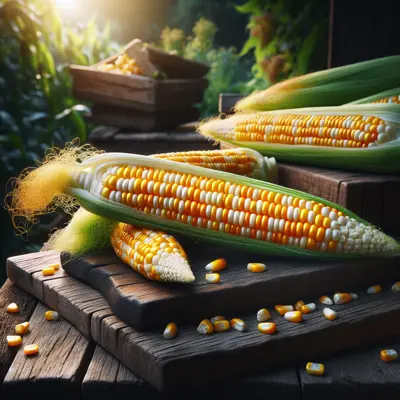
Avalon
A premium bicolor supersweet corn that delivers restaurant-quality flavor and appearance to the home garden. Known for its exceptional sweetness and crisp texture, Avalon produces beautiful ears with excellent kernel retention and superior eating quality. This variety excels in both cool and warm growing conditions, making it reliable across different climates.
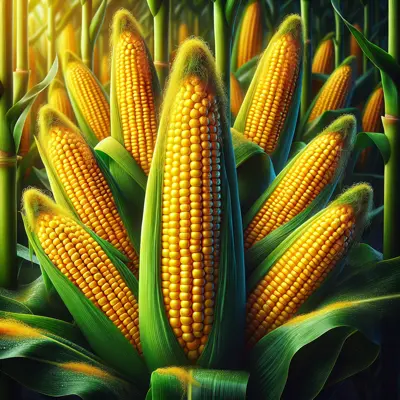
Bodacious
True to its bold name, Bodacious delivers outstanding performance with remarkable heat tolerance and disease resistance that makes it ideal for challenging growing conditions. This reliable hybrid produces consistently sweet, yellow ears even when temperatures soar, making it a favorite among Southern gardeners and anyone dealing with hot summers. Its robust nature and dependable yields prove that great corn can thrive even in tough conditions.
Butter and Sugar
This beloved bicolor variety creates a stunning visual display with alternating yellow and white kernels on each ear. Known for its exceptional sweetness and tender texture, Butter and Sugar combines the best qualities of both yellow and white corn varieties. Perfect for gardeners who want both beauty and flavor in their sweet corn harvest.
Country Gentleman
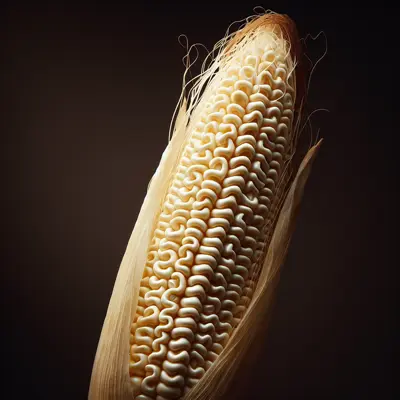
This unique heirloom variety produces ears with an irregular 'shoe peg' kernel arrangement rather than traditional rows, creating maximum sweetness in every bite. Dating back to the 1890s, Country Gentleman offers old-fashioned corn flavor with tender, cream-colored kernels that are perfect for cutting off the cob. A conversation starter that delivers both novelty and exceptional taste.
Early Sunglow
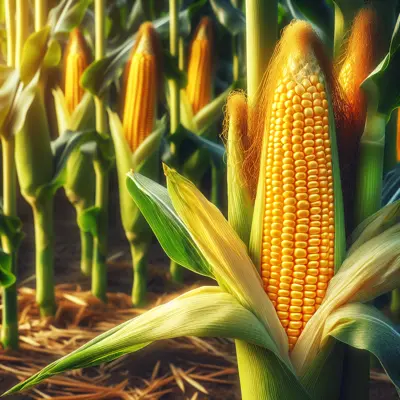
A reliable early-season sweet corn that delivers impressive flavor despite its quick maturity. This variety produces tender, golden kernels with excellent sweetness that holds well after harvest. Perfect for northern gardeners with shorter seasons or anyone wanting fresh corn on the table quickly.
Glass Gem
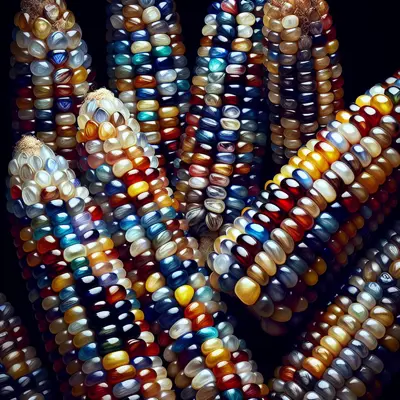
A distinctive presentation in fall displays, the glassy-looking kernels are unique to this variety. Kernels can be popped, but results may vary. Sturdy plants can reach 10' tall. Avg. ear size 6-8". Requires a fairly long growing season for favorable yields. Bred by the late Carl Barnes, an Oklahoma Cherokee who dedicated his career to reclaiming and preserving seed of traditional Native American corns.
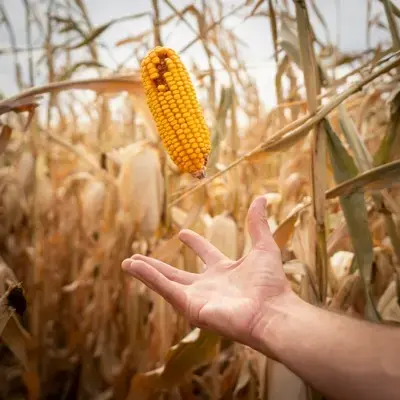
Golden Bantam
A true heirloom classic that's been delighting gardeners since 1902, Golden Bantam is the corn variety that set the standard for sweet corn flavor. This compact variety produces tender, golden kernels with an intense, old-fashioned corn taste that modern hybrids try to emulate. Perfect for small gardens and those who want to grow a piece of American agricultural history.
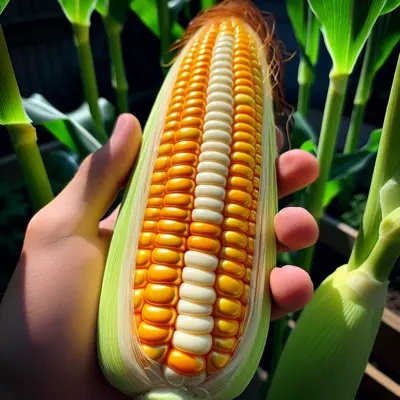
Honey 'N Pearl
A premium triplesweet hybrid that delivers extraordinary sweetness and crisp texture that holds for days after harvest. This bicolor variety produces consistently large ears with tender kernels that convert sugars slowly, maintaining their incredible taste longer than standard varieties. The perfect choice for gardeners who want restaurant-quality corn from their backyard.
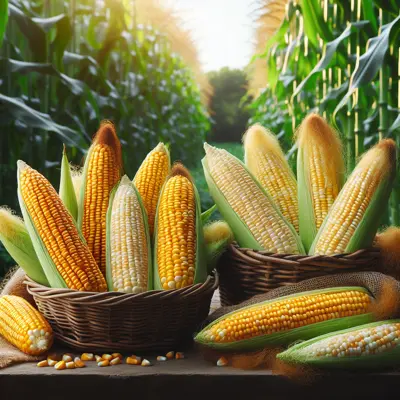
Honey and Cream
A stunning bicolor sweet corn that delivers the best of both worlds with its mix of golden yellow and creamy white kernels. This reliable hybrid produces consistently sweet, tender ears that maintain their quality longer than many varieties. Perfect for gardeners who want impressive visual appeal without sacrificing flavor.
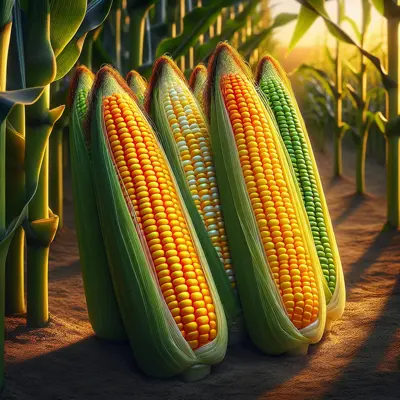
Honey Select
This award-winning hybrid delivers the ultimate sweet corn experience with its incredible sugar content and extended harvest window. Honey Select produces beautiful bicolor ears that stay sweet and tender longer than most varieties, giving you more time to enjoy the perfect harvest. The combination of exceptional sweetness, crisp texture, and reliable performance makes this a top choice for serious corn lovers.
How Sweet It Is
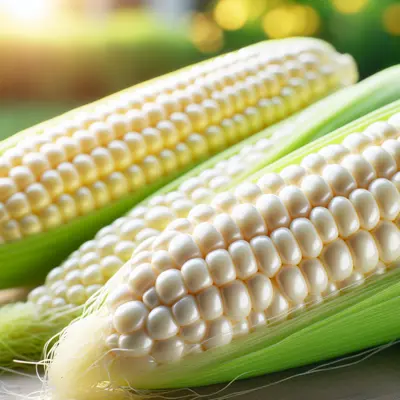
This pure white supersweet corn lives up to its name with incredibly tender kernels that practically melt in your mouth and sweetness that stays fresh for days after harvest. The compact 6-foot plants are perfect for smaller gardens while still producing full-sized ears with excellent tip fill and uniformity. How Sweet It Is has become a favorite among home gardeners who want maximum sweetness in a manageable plant size that's easy to grow and harvest.

Illini Xtra Sweet
A beloved yellow supersweet corn that has earned its reputation as one of the sweetest varieties available to home gardeners. This reliable performer produces ears packed with incredibly tender kernels that burst with concentrated sweetness and maintain their quality longer than standard sweet corn. A must-grow for corn lovers who want maximum sweetness and eating pleasure.
Incredible
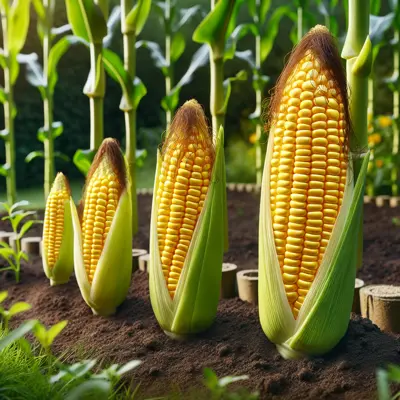
Living up to its name, Incredible is a supersweet hybrid that produces consistently large ears packed with exceptionally sweet, tender kernels. This reliable performer offers excellent disease resistance and strong stalks that resist lodging, making it perfect for areas with challenging weather. The sugar content remains high even days after harvest, giving home gardeners more flexibility in their harvest timing.
Jubilee
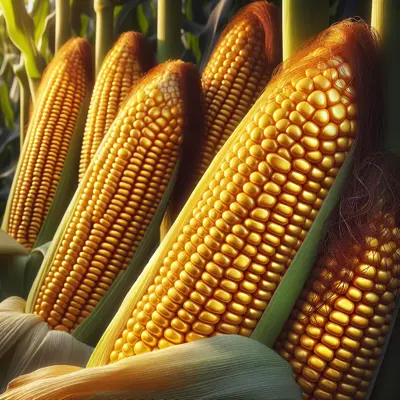
A time-tested yellow sweet corn that has been a garden favorite since the 1960s for its reliable performance and excellent flavor. This variety produces large, well-filled ears with tender, sweet kernels that have just the right balance of sweetness and corn taste. Jubilee is known for its consistent germination and strong disease resistance, making it perfect for both beginners and experienced gardeners.

Kandy Korn
An exceptionally sweet yellow corn that lives up to its candy-like name with superb sugar content and tender kernels. This early-maturing variety produces beautiful golden ears with excellent kernel fill and remarkable sweetness that holds well after harvest. Perfect for gardeners who want reliable, kid-friendly sweet corn that performs well in shorter growing seasons.
Luscious
A premium white sweet corn variety that delivers exceptional tenderness and sweetness in every bite. This high-performing hybrid produces consistently large ears with pristine white kernels that maintain their quality longer than most varieties. Garden-to-table perfection for those who prefer the clean, sweet taste of white corn with superior eating quality.
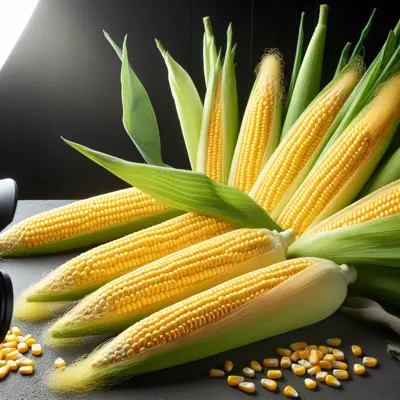
Mirai
A revolutionary yellow sweet corn hybrid that represents the cutting edge of corn breeding, combining incredible tenderness with sweetness that intensifies rather than diminishes after harvest. Mirai produces beautiful golden ears with exceptional kernel quality and extended harvest window, staying tender and sweet longer than traditional varieties. This Japanese-developed variety has quickly gained popularity among discerning gardeners who want the absolute best in sweet corn technology and flavor.
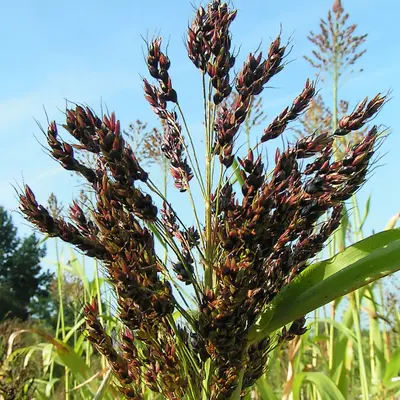
Mixed Broom Corn
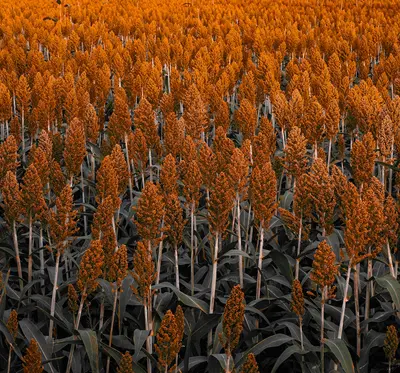
An appealing mix of brightly colored seed heads for an attractive fall display. Approx. 10 stems/plant. Plant every two weeks for a continuous harvest. Drought tolerant. Plants avg. 8-9' tall.

Painted Mountain
Developed for its hardiness, earliness, drought tolerance, and nutritional density in the mountains of Montana. Avg. 6-7" multicolor ears for roasting or grinding into high-nutrition flour or hominy grits. Bred by Dave Christensen of Big Timber, MT from multiple Native American heirlooms. Avg. 4' plants.
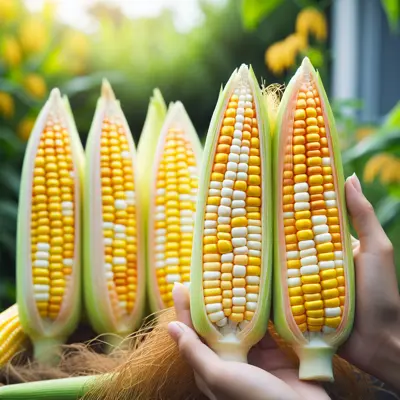
Peaches and Cream
This stunning bicolor variety produces ears with a beautiful mix of white and yellow kernels that look like peaches and cream. Known for its exceptional sweetness and tender texture, this hybrid variety stays sweet longer than many other corns after picking. The reliable production and gorgeous appearance make it a favorite for both home gardens and farmers markets.
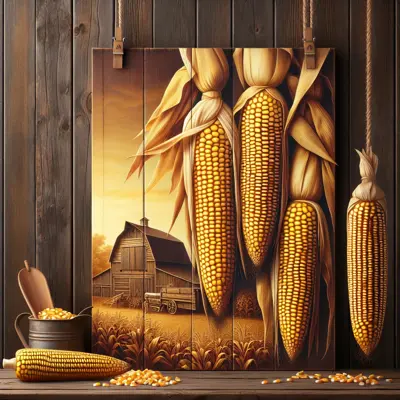
Reid's Yellow Dent
A legendary heirloom dent corn with over 150 years of American agricultural history, originally developed in Illinois in the 1840s. This variety became the foundation for modern corn breeding and remains popular among heritage gardeners for its reliability and multi-purpose uses. Perfect for those interested in preserving agricultural history while producing versatile corn for grinding, livestock feed, or ornamental use.
Ruby Queen
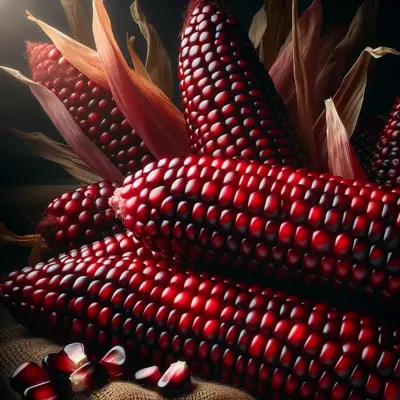
This stunning ornamental and culinary corn produces ears with deep ruby-red kernels that look like precious gems. While primarily grown for decoration and grinding into colorful cornmeal, the young ears can also be eaten fresh when harvested early. Ruby Queen adds dramatic color to fall displays while providing a unique ingredient for adventurous home cooks and bakers.
Silver and Gold
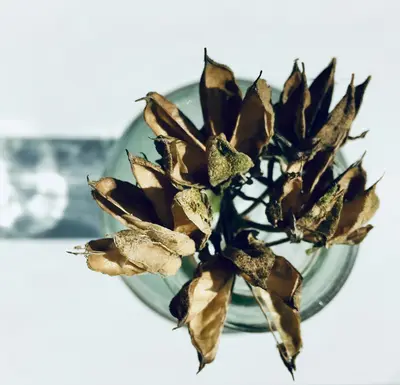
A stunning bicolor sweet corn that delivers the best of both worlds with alternating white and yellow kernels on each ear. This reliable variety produces consistently sweet, tender kernels with excellent eating quality that makes it a favorite for fresh eating and freezing. The attractive appearance and dependable performance make it perfect for home gardeners who want both beauty and flavor in their corn patch.
Silver Choice
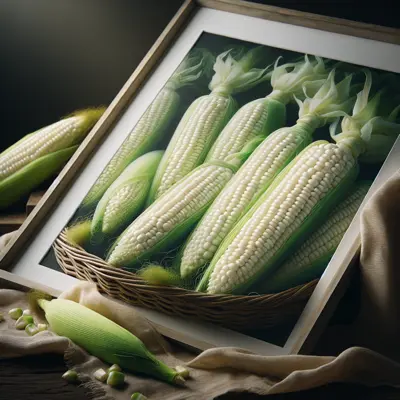
An exceptional white sweet corn hybrid that sets the standard for tenderness and sweetness in its class. The bright white kernels are incredibly tender and hold their sugar content well after harvest, making it ideal for both immediate eating and storage. This variety consistently produces uniform, well-filled ears that gardeners can count on.
Silver King
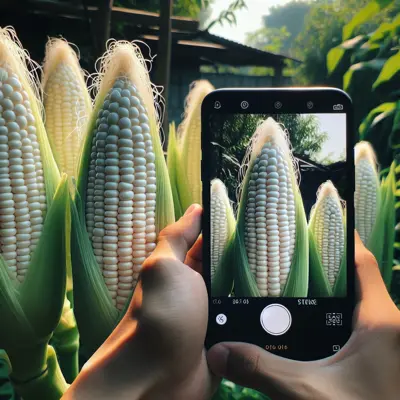
A stunning white sweet corn that produces large, tender ears filled with plump, milky-white kernels bursting with classic corn sweetness. This reliable heirloom variety has been a garden favorite since the 1950s, delivering consistent harvests of beautiful ears that are perfect for fresh eating, freezing, or canning. Silver King's vigorous stalks and excellent ear fill make it an ideal choice for gardeners wanting dependable white corn with old-fashioned flavor.
Silver Queen
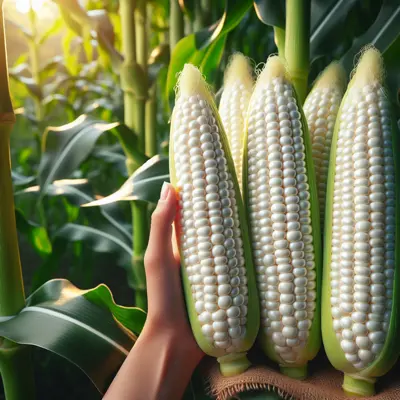
The gold standard of white sweet corn varieties, Silver Queen has been the benchmark for sweetness and tenderness since 1958. This reliable heirloom produces large ears packed with creamy white kernels that deliver exceptional flavor and crisp texture. A true classic that continues to dominate home gardens and farmers markets across America.
Stowell's Evergreen
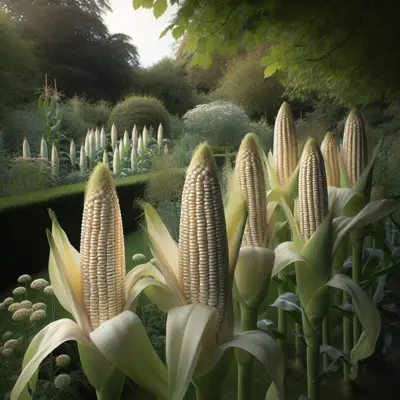
Dating back to 1848, Stowell's Evergreen earned its name for staying tender and sweet longer than other varieties, remaining in perfect eating condition for weeks. This tall, vigorous heirloom produces large ears with deep white kernels and is considered one of the finest varieties for canning and preserving. Its reliable performance and extended harvest window make it invaluable for serious corn growers.
Sugar Dots
A unique and eye-catching bicolor corn that produces stunning ears with purple and white kernels creating a polka-dotted appearance. This synergistic variety combines the visual appeal of ornamental corn with genuine sweet corn eating quality, making it perfect for gardeners who want something truly special. The purple kernels add antioxidants while maintaining excellent flavor and tenderness.
Sugar Enhanced (SE) Butter and Sugar
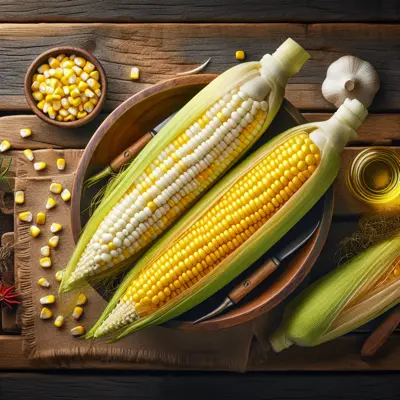
A beloved bicolor sweet corn that combines the best of yellow and white kernels on the same ear. This sugar-enhanced variety offers excellent flavor that's sweeter than standard corn but not as intense as supersweets, with kernels that stay tender longer after harvest. The attractive yellow and white pattern makes it as beautiful as it is delicious.
Trinity
A premium tricolor sweet corn that creates stunning ears with white, yellow, and red kernels in beautiful random patterns, making each ear a unique work of art. Beyond its striking appearance, Trinity delivers exceptional sweetness and tender texture that rivals the best hybrid varieties. This newer variety combines the visual appeal of ornamental corn with the eating quality that sweet corn lovers demand, perfect for gardeners who want both beauty and flavor.
Zone 10 Growing Tips
In Zone 10, timing is everything with corn. Your best planting windows are September through November for winter harvest, and February through April for spring harvest. Avoid planting during the intense heat of June through August unless you can provide consistent irrigation and some afternoon shade. Direct sowing works well year-round, but soil temperature should be at least 60°F for good germination – rarely an issue except during your brief 'winter' months.
Manage your plantings to work around your rainy season, which varies by location but often peaks in summer. Ensure excellent drainage and avoid overwatering during humid periods to prevent root rot and fungal diseases. Space plants generously to promote air circulation – this is more critical in your humid climate than in drier zones. Consider succession planting every 2-3 weeks during your optimal windows to extend harvest periods and make the most of your 320-day growing season.
Season Overview
With your last frost averaging January 31st and first frost not until December 15th, you enjoy a remarkable 320-day growing season that opens up possibilities unavailable to most gardeners. This extended season means you can grow long-season varieties like Stowell's Evergreen and Glass Gem that need 100+ days to maturity, or plant multiple succession crops of faster varieties. Plan your main plantings for late February through March for spring harvest, and September through October for fall/winter harvest, avoiding the summer heat and humidity that can stress even heat-tolerant varieties.