Trinity
Zea mays 'Trinity'
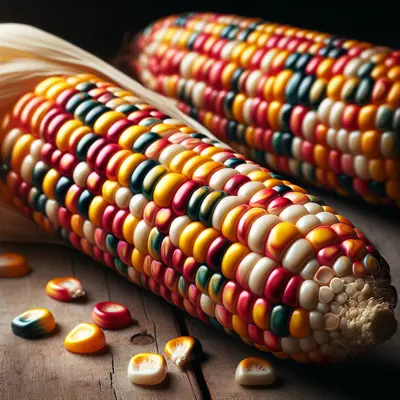
A premium tricolor sweet corn that creates stunning ears with white, yellow, and red kernels in beautiful random patterns, making each ear a unique work of art. Beyond its striking appearance, Trinity delivers exceptional sweetness and tender texture that rivals the best hybrid varieties. This newer variety combines the visual appeal of ornamental corn with the eating quality that sweet corn lovers demand, perfect for gardeners who want both beauty and flavor.
Harvest
75-80d
Days to harvest
Sun
Full sun
Zones
2–11
USDA hardiness
Height
5-8 feet
Planting Timeline
Showing dates for Trinity in USDA Zone 7
All Zone 7 corn →Zone Map
Click a state to update dates
Trinity · Zones 2–11
Growing Details
Succession Planting
Direct sow Trinity starting around April 1 in zone 7, once soil temps reach at least 60°F — germination stalls below that, and you'll just rot seed. Make follow-up sowings every 14–21 days through early June; UGA's Vegetable Garden Calendar explicitly calls out a third corn sowing in May. Stop new plantings by around June 10. A late-June sow puts silking in the peak August heat, which tanks wind pollination and hands corn earworm a longer window on the silks.
Each sowing block needs at least 4 rows wide for pollination to work reliably. Stagger your blocks by 2–3 weeks rather than planting one long continuous row — a single row almost never sets full ears.
Complete Growing Guide
Trinity's tricolor genetics make it slightly slower to germinate than standard sweet corn varieties, so direct seed only after soil reaches 65°F and provide consistent moisture for the first two weeks. This cultivar thrives in full sun with rich, well-draining soil amended with compost, as the dual demand for ornamental kernel development and sugar production requires sustained fertility. Watch for corn earworm damage, which is particularly visible on the colorful kernels—scout ears weekly starting at silk emergence and consider protective netting if pest pressure is high. Trinity tends toward moderate stretch in competitive growing conditions, so adequate spacing (8-10 inches between plants) and timely nitrogen feeding at the V6 growth stage prevent lodging and ensure robust ear fill. Harvest when kernels are plump and milky, typically 20 days after silking, as overmaturity can dull the vibrant color contrast that makes this variety special.
Light: Full sun (6 or more hours of direct sunlight a day). Soil: Clay, High Organic Matter, Loam (Silt). Soil pH: Acid (<6.0), Neutral (6.0-8.0). Drainage: Good Drainage. Height: 5 ft. 0 in. - 8 ft. 0 in.. Spread: 1 ft. 0 in. - 2 ft. 0 in.. Spacing: 12 inches-3 feet. Growth rate: Rapid. Maintenance: Medium. Propagation: Seed. Regions: Coastal, Mountains, Piedmont.
Harvesting
Harvest Trinity when the silk turns brown and dry, typically 20-22 days after pollination, and gently press a kernel to confirm it releases a milky juice rather than watery or starchy liquid. The husks should feel full and tight around the ear, and the kernels will appear plump with color fully developed across all three hues. Since Trinity produces ears in succession rather than all at once, plan for continuous picking over 2-3 weeks by checking plants every 2-3 days during peak season. A crucial timing tip: harvest in early morning when kernels are fully hydrated and sweetness is at its peak, as sugar content drops as the day warms and the plant diverts energy upward.
Color: Gold/Yellow. Type: Caryopsis. Length: > 3 inches. Width: 1-3 inches.
Garden value: Edible, Showy
Harvest time: Fall
Edibility: Edibile
Storage & Preservation
Fresh Trinity corn maintains peak sweetness for only 24-48 hours after harvest when stored properly. Keep unhusked ears in the refrigerator at 32-35°F with high humidity—wrap in damp paper towels and place in perforated plastic bags. The natural husks help preserve moisture and sugar content better than pre-husked storage.
For freezing, blanch husked ears in boiling water for 4 minutes (small ears) to 6 minutes (large ears), then immediately plunge into ice water. Once cooled, cut kernels from cobs or freeze whole ears wrapped in freezer paper. Trinity's tender kernels freeze exceptionally well and maintain their sweet flavor for 10-12 months.
Dehydrating works beautifully for Trinity's colorful kernels—blanch briefly, cut from cobs, and dry at 125°F until brittle. The preserved tricolor kernels make stunning additions to soups, stews, and decorative corn bread. Avoid canning Trinity corn as the high sugar content can interfere with safe processing.
History & Origin
Trinity sweet corn emerges from modern ornamental and sweet corn breeding programs that gained momentum in the early 2000s, though specific breeder attribution and introduction year remain undocumented in widely available sources. The variety likely descends from heritage tricolor corn lines combined with contemporary sweet corn germplasm, representing a deliberate effort to bridge ornamental appeal with eating quality. This breeding approach reflects broader industry trends toward novelty vegetables that satisfy both aesthetic and culinary demands. Without confirmed documentation of its exact origin institution or seed company developer, Trinity's lineage appears rooted in the broader movement toward specialty and multicolored corn varieties marketed to home gardeners seeking distinctive produce.
Origin: Mexico
Advantages
- +Stunning tricolor kernel pattern makes each ear visually unique and ornamental
- +Exceptional sweetness and tender texture rivals premium hybrid sweet corn varieties
- +Moderate difficulty level makes Trinity accessible to most home gardeners
- +Ready to harvest in just 75-80 days for relatively quick gratification
Considerations
- -Vulnerable to multiple serious diseases including northern corn leaf blight and Stewart's wilt
- -Susceptible to three major corn pests requiring vigilant monitoring and pest management
- -Attractive to raccoons, necessitating robust fencing or other wildlife protection measures
Companion Plants
Beans fix atmospheric nitrogen that feeds corn's heavy appetite, and squash leaves shade the soil, suppressing weeds without competing at root depth — those two earn their place on practical grounds, not folklore. Marigolds (Tagetes spp.) and nasturtiums on the block's perimeter add some pest disruption. Keep brassicas at least 3–4 feet away; they're heavy feeders pulling the same nutrients from soil in the pH 6.2–6.8 range corn prefers, and their root exudates can slow germination. Tomatoes are a bad neighbor because they share corn earworm — which the UGA Vegetable Garden Calendar lists as a "most wanted" culprit on both crops — so planting them adjacent just concentrates the problem.
Plant Together
Beans
Fixes nitrogen in soil that corn needs, part of traditional Three Sisters planting
Squash
Large leaves shade soil and suppress weeds, completes Three Sisters guild
Marigolds
Repel corn earworms, aphids, and other harmful insects
Nasturtiums
Act as trap crop for aphids and cucumber beetles
Sunflowers
Provide windbreak protection and attract beneficial insects
Dill
Attracts beneficial insects like ladybugs and parasitic wasps
Sweet Alyssum
Attracts beneficial insects and provides ground cover
Lettuce
Grows well in corn's partial shade and maximizes space usage
Keep Apart
Black Walnut
Produces juglone which is toxic to corn and inhibits growth
Tomatoes
Both are heavy feeders competing for nutrients, corn attracts tomato fruitworm
Brassicas
Corn can stunt growth of cabbage family plants through allelopathy
Nutrition Facts
Per 100g serving. % Daily Value based on 2,000 calorie diet. Source: USDA FoodData Central (FDC #168538)
Pests & Disease Resistance
Resistance
Good general disease resistance, tolerant to common rust
Common Pests
Corn earworm, European corn borer, corn rootworm, raccoons
Diseases
Northern corn leaf blight, Stewart's wilt, common smut
Troubleshooting Trinity
What you'll see, why it happens, and what to do about it.
Silks and ear tips show brown frass or chewed kernels at harvest, often with a fat caterpillar burrowed in
Likely Causes
- Corn earworm (Helicoverpa zea) — moths lay eggs directly on fresh silks, larvae feed downward into the ear
- European corn borer (Ostrinia nubilalis) — can also tunnel into ears and stalks around the same window
What to Do
- 1.Apply a few drops of mineral oil to the tip of each ear right after silks brown and dry — this suffocates newly hatched larvae before they tunnel deep
- 2.Follow the UGA Pest Management Handbook spray schedule for corn earworm if pressure is heavy; Bt (Bacillus thuringiensis) is effective if timed to silk emergence
- 3.Plant in a tight block at least 4 rows wide so pollination is dense and ears fill quickly — a faster fill gives larvae less time to do damage
A large, gray-black swollen gall — marble to softball size — erupting from the ear, stalk, or tassel
Likely Causes
- Common smut (Ustilago maydis) — a soil- and air-borne fungus that infects through wounds or natural openings, especially after hail, insect feeding, or mechanical damage
- Hot, dry stress during pollination followed by wet weather, which opens infection windows in the plant tissue
What to Do
- 1.Cut the galls off and bag them before they rupture and release spores — once spores hit the soil, the inoculum can persist for several years
- 2.Trash or burn infected tissue; don't compost it
- 3.Rotate corn out of that bed for at least 3 years per NC State Extension's organic disease management guidance; smut spores are long-lived in soil
Frequently Asked Questions
How long does Trinity corn take to grow from seed to harvest?▼
Can you grow Trinity corn in containers or pots?▼
What does Trinity corn taste like compared to regular sweet corn?▼
Do I need to isolate Trinity corn from other corn varieties?▼
Is Trinity corn good for beginners to grow?▼
When should I plant Trinity corn in my garden?▼
Zone-by-Zone Planting Calendar
| Zone | Indoor Start | Transplant | Direct Sow | Harvest |
|---|---|---|---|---|
| Zone 3 | — | — | June – July | September – October |
| Zone 4 | — | — | June – July | September – October |
| Zone 5 | — | — | May – June | September – October |
| Zone 6 | — | — | May – June | August – October |
| Zone 7 | — | — | April – June | August – September |
| Zone 8 | — | — | April – May | July – September |
| Zone 9 | — | — | March – April | June – August |
| Zone 10 | — | — | February – April | June – July |
| Zone 1 | — | — | July – August | October – August |
| Zone 2 | — | — | June – August | October – September |
| Zone 11 | — | — | January – March | May – June |
| Zone 12 | — | — | January – March | May – June |
| Zone 13 | — | — | January – March | May – June |
Growing Guides from Wind River Greens
Sources & References
External authority sources used in compiling this guide.
See the Methodology page for how this data is sourced, what's AI-assisted, and known limitations.