Silver and Gold
Zea mays 'Silver and Gold'
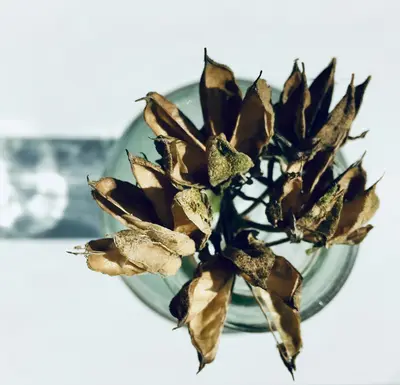
A stunning bicolor sweet corn that delivers the best of both worlds with alternating white and yellow kernels on each ear. This reliable variety produces consistently sweet, tender kernels with excellent eating quality that makes it a favorite for fresh eating and freezing. The attractive appearance and dependable performance make it perfect for home gardeners who want both beauty and flavor in their corn patch.
Harvest
78-82d
Days to harvest
Sun
Full sun
Zones
2–11
USDA hardiness
Height
5-8 feet
Planting Timeline
Showing dates for Silver and Gold in USDA Zone 7
All Zone 7 corn →Zone Map
Click a state to update dates
Silver and Gold · Zones 2–11
Growing Details
Succession Planting
Direct sow Silver and Gold every 14 days from your last frost date through early June. A single planting produces a tight 78-82 day window where everything comes ripe at once — fine for a freezing day or a big cookout, but a lot to deal with fresh. Three plantings two weeks apart stretches the harvest across roughly six weeks without any single week turning into a crisis.
Stop succession sowing once daytime highs are running consistently above 90°F at germination time. Corn germinates well in warm soil (65°F minimum), but pollination drops sharply during extreme heat and you'll get incomplete kernel fill on ears that tassel during the worst of August. NC State Extension also notes that bicolor supersweet types like Silver and Gold need at least 250 feet of isolation from other corn varieties — or a stagger of 14 or more days — to prevent cross-pollination that wipes out the sugar content entirely.
Complete Growing Guide
This bicolor variety requires consistent soil moisture and warmth to develop its signature kernel contrast, so wait until soil reaches 60°F before planting and maintain even irrigation throughout the growing season to prevent the white kernels from developing a starchy texture. Silver and Gold matures in the 78–82 day window, making it ideal for mid-summer plantings in most regions—direct sow after the final frost date for a mid-to-late season harvest that avoids peak corn earworm pressure. The plants grow 5–8 feet tall and benefit from full sun and fertile, well-draining soil amended with compost. This variety shows moderate susceptibility to corn smut and is attractive to standard corn pests like aphids and cutworms, so monitor closely and use row covers on young plants if needed. One practical advantage: stagger plantings every two weeks to extend your harvest window, since the kernels quickly lose their peak sweetness after silking.
Light: Full sun (6 or more hours of direct sunlight a day). Soil: Clay, High Organic Matter, Loam (Silt). Soil pH: Acid (<6.0), Neutral (6.0-8.0). Drainage: Good Drainage. Height: 5 ft. 0 in. - 8 ft. 0 in.. Spread: 1 ft. 0 in. - 2 ft. 0 in.. Spacing: 12 inches-3 feet. Growth rate: Rapid. Maintenance: Medium. Propagation: Seed. Regions: Coastal, Mountains, Piedmont.
Harvesting
Harvest Silver and Gold when the husks turn pale green and the silk browns at the tips, indicating peak maturity for both kernel colors. Gently squeeze the ear to feel for fully rounded kernels from tip to base, as this bicolor variety achieves optimal sweetness when both white and yellow sections reach full size simultaneously. Pick ears in the early morning when sugar content is highest, cutting or twisting the ear cleanly from the stalk. This variety produces ears in succession rather than all at once, so plan on multiple harvests throughout the season by checking plants every two to three days during peak season. The window between peak sweetness and starch conversion is relatively brief, typically just five to seven days, making timely harvesting essential for enjoying this variety at its finest flavor.
Color: Gold/Yellow. Type: Caryopsis. Length: > 3 inches. Width: 1-3 inches.
Garden value: Edible, Showy
Harvest time: Fall
Edibility: Edibile
Storage & Preservation
Fresh Silver and Gold corn maintains best quality when stored unhusked in the refrigerator immediately after harvest. Keep husks on and store in perforated plastic bags for up to 3-4 days, though quality declines daily as sugars convert to starch.
For freezing, blanch husked ears in boiling water for 4 minutes (small ears) to 6 minutes (large ears), then plunge into ice water. Cut kernels from cob or freeze whole ears in freezer bags for up to 12 months. This bicolor variety freezes exceptionally well, retaining its sweet flavor and attractive appearance.
Dehydrating works well for Silver and Gold - blanch briefly, cut kernels from cob, and dry at 125°F until crisp. The contrasting colors make beautiful additions to soups and stews through winter months.
History & Origin
The origins of 'Silver and Gold' are not extensively documented in academic literature, but the variety represents a product of twentieth-century corn breeding programs focused on creating visually distinctive bicolor sweet corn. Bicolor varieties emerged as a market-driven innovation during the mid-1900s when seed companies recognized consumer appeal in kernels combining white and yellow colors on a single ear. 'Silver and Gold' likely descends from crosses between white and yellow sweet corn inbreds developed through conventional breeding methods, though specific breeder attribution and introduction year remain unclear. The variety's emphasis on consistent kernel quality and aesthetic appeal reflects breeding priorities common to commercial seed companies serving home gardeners during the latter half of the twentieth century.
Origin: Mexico
Advantages
- +Bicolor kernels create stunning visual appeal in gardens and on dinner tables
- +Excellent sugar content delivers consistently sweet, tender kernels perfect for fresh eating
- +78-82 day maturity allows reliable harvests in most growing regions
- +Easy cultivation makes it ideal for beginning gardeners without special skills
- +Outstanding freezing quality preserves flavor and texture for long-term storage
Considerations
- -Susceptible to multiple corn borers and earworms requiring regular pest monitoring
- -Vulnerable to northern corn leaf blight and southern corn rust infections
- -Common smut fungus can affect ear quality and reduce harvestable yield
- -Bicolor appearance may attract more wildlife attention than solid-colored varieties
Companion Plants
The Three Sisters combination — corn with beans and squash — works because each plant fills a gap the others leave open. Beans fix atmospheric nitrogen, which Silver and Gold pulls heavily from the soil across its 78-82 day run. Squash sprawls at ground level and shades out weeds, and the prickly texture of the leaves and stems discourages raccoons from wading in to raid the ears. The corn stalk gives pole beans a structure to climb without any hardware. Get the sequencing right: wait until corn is 6 inches tall before sowing beans at the base, then set out squash transplants about a week after that so they don't shade the corn seedlings during their fastest growth phase.
Marigolds (French types like 'Petite Gold') and nasturtiums along the perimeter pull their weight. Marigolds deter aphids and thrips, both of which target corn silk and can carry bacterial wilt. Nasturtiums function as a trap crop — aphids colonize them preferentially, which concentrates the population somewhere you can actually deal with it via a hard water spray or insecticidal soap. Sunflowers on the north edge of the planting won't shade the corn and draw in predatory wasps that parasitize European corn borer larvae.
Two plants to keep well away: tomatoes and black walnut. Tomatoes aren't toxic to corn, but they pull the same pest pressure — armyworms and stink bugs, specifically — and massing those two crops together is an invitation for both to get hit harder. Black walnut is a different problem entirely: the allelopathic compound juglone leaches through the soil across the full spread of the root zone, which often runs past the canopy drip line, and corn planted within that radius will stunt or collapse regardless of how well you've managed everything else.
Plant Together
Beans
Fix nitrogen in soil that corn can utilize, classic Three Sisters companion
Squash
Large leaves provide ground cover to retain moisture and suppress weeds
Marigolds
Repel corn earworms, aphids, and other harmful insects
Nasturtiums
Act as trap crop for aphids and cucumber beetles, repel corn borers
Sunflowers
Attract beneficial insects and can serve as natural trellis support
Dill
Attracts beneficial predatory insects that control corn pests
Cucumber
Benefits from corn's wind protection while providing ground cover
Radishes
Help break up compacted soil and deter corn borers when planted nearby
Keep Apart
Tomatoes
Both are heavy nitrogen feeders creating competition, corn can shade tomatoes
Black Walnut
Produces juglone which is toxic to corn and inhibits growth
Brassicas
Heavy nitrogen feeders that compete with corn for nutrients
Nutrition Facts
Per 100g serving. % Daily Value based on 2,000 calorie diet. Source: USDA FoodData Central (FDC #168538)
Pests & Disease Resistance
Resistance
Good resistance to northern corn leaf blight and smut
Common Pests
Corn earworm, European corn borer, corn rootworm, armyworms
Diseases
Northern corn leaf blight, southern corn rust, common smut, bacterial wilt
Troubleshooting Silver and Gold
What you'll see, why it happens, and what to do about it.
Silks and ear tips chewed, with dark frass visible inside the husk around day 75-80
Likely Causes
- Corn earworm (Helicoverpa zea) — moth lays eggs directly on fresh silks, larvae tunnel into the ear
- European corn borer (Ostrinia nubilalis) — secondary tunneling into shanks and ears
What to Do
- 1.Apply a few drops of mineral oil to each ear's silk channel 3-5 days after silks appear — this suffocates early instar larvae before they reach the kernels
- 2.Scout silks every 2-3 days during tasseling and apply Bt (Bacillus thuringiensis) spray directly to silks at first sign of egg masses
- 3.Harvest ears promptly at 78-82 days — the longer they hang, the deeper the damage
Large, pale gray-green galls erupting on ears, tassels, or stalks, swelling to 5 inches or more
Likely Causes
- Common smut (Ustilago maydis) — fungal spores enter through wounds or via insect feeding sites, especially after hail or mechanical damage
- Hot, dry conditions followed by rain stress the plant and increase susceptibility
What to Do
- 1.Remove and bag the galls before they turn black and burst — once they rupture, spores spread to the surrounding soil for several years
- 2.Don't compost infected material; put it in the trash
- 3.Rotate corn out of that bed for at least 2 seasons; as NC State's Plant Disease and Insect Clinic notes, smut inoculum persists in soil
Long, tan-to-brown cigar-shaped lesions running parallel to leaf veins, appearing from the middle of the plant upward after stalks hit 3-4 feet
Likely Causes
- Northern corn leaf blight (Exserohilum turcicum) — airborne fungal pathogen that spreads fastest in cool, humid weather with nights in the 65-80°F range
- Dense planting below 8-inch spacing that locks moisture between stalks and cuts airflow
What to Do
- 1.Space plants at the full 12-inch minimum and arrange rows so prevailing winds can move through — a 30-inch row gap is not overkill
- 2.Strip off the worst-affected lower leaves once more than 50% of the leaf surface is blighted, and discard them away from the garden
- 3.Rotate corn to a new bed each year; NC State Extension's disease guidance recommends a minimum 3-year rotation away from the same crop family to reduce soil-borne inoculum
Frequently Asked Questions
How long does Silver and Gold corn take to grow?▼
Can you grow Silver and Gold corn in containers?▼
Is Silver and Gold corn good for beginners?▼
What does Silver and Gold corn taste like?▼
When should I plant Silver and Gold corn?▼
How do you know when Silver and Gold corn is ready to pick?▼
Zone-by-Zone Planting Calendar
| Zone | Indoor Start | Transplant | Direct Sow | Harvest |
|---|---|---|---|---|
| Zone 3 | — | — | June – July | September – October |
| Zone 4 | — | — | June – July | September – October |
| Zone 5 | — | — | May – June | September – October |
| Zone 6 | — | — | May – June | August – October |
| Zone 7 | — | — | April – June | August – September |
| Zone 8 | — | — | April – May | July – September |
| Zone 9 | — | — | March – April | June – August |
| Zone 10 | — | — | February – April | June – July |
| Zone 1 | — | — | July – August | October – August |
| Zone 2 | — | — | June – August | October – September |
| Zone 11 | — | — | January – March | May – June |
| Zone 12 | — | — | January – March | May – June |
| Zone 13 | — | — | January – March | May – June |
Growing Guides from Wind River Greens
Sources & References
External authority sources used in compiling this guide.
See the Methodology page for how this data is sourced, what's AI-assisted, and known limitations.