Golden Bantam
Zea mays var. saccharata 'Golden Bantam'
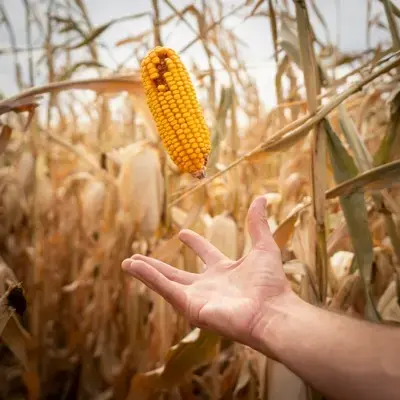
A true heirloom classic that's been delighting gardeners since 1902, Golden Bantam is the corn variety that set the standard for sweet corn flavor. This compact variety produces tender, golden kernels with an intense, old-fashioned corn taste that modern hybrids try to emulate. Perfect for small gardens and those who want to grow a piece of American agricultural history.
Harvest
75-85d
Days to harvest
Sun
Full sun
Zones
2–11
USDA hardiness
Height
5-8 feet
Planting Timeline
Showing dates for Golden Bantam in USDA Zone 7
All Zone 7 corn →Zone Map
Click a state to update dates
Golden Bantam · Zones 2–11
Growing Details
Succession Planting
Direct sow Golden Bantam after your last frost date and make a second sowing 14-21 days later to stagger your harvest window. The UGA Vegetable Garden Calendar recommends a third planting in May to keep ears coming through late summer. Stop sowing by mid-June — at 75-85 days to maturity, anything put in the ground later risks the ears not filling before fall temperatures drop, and germination falls off sharply once soil temps push above 95°F. Each sowing should be block-planted in at least 4 short rows rather than one long row; corn is wind-pollinated, and a single-file planting will give you poorly filled ears no matter how healthy the plants look.
Complete Growing Guide
Golden Bantam's shorter stature and compact growth habit make it ideal for succession planting in tight spaces—sow every two weeks from late spring through early summer for continuous harvests rather than planting all at once. This variety thrives in full sun with well-draining soil rich in organic matter and prefers consistent moisture, especially during silking and ear development. While generally hardy, Golden Bantam shows particular susceptibility to corn earworm and Japanese beetles, so monitor closely and use row covers when young plants emerge. The kernels are smaller than modern hybrids and don't stay sweet as long after picking, so harvest at full milk stage when kernels release a milky liquid when punctured, and plan to cook within hours for peak flavor. Space plants 8–12 inches apart in rows 30 inches wide to maximize your compact garden space.
Light: Full sun (6 or more hours of direct sunlight a day). Soil: Clay, High Organic Matter, Loam (Silt). Soil pH: Acid (<6.0), Neutral (6.0-8.0). Drainage: Good Drainage. Height: 5 ft. 0 in. - 8 ft. 0 in.. Spread: 1 ft. 0 in. - 2 ft. 0 in.. Spacing: 12 inches-3 feet. Growth rate: Rapid. Maintenance: Medium. Propagation: Seed. Regions: Coastal, Mountains, Piedmont.
Harvesting
Golden Bantam ears reach peak harvest readiness when the husks turn from green to pale brown and the silk darkens to chocolate brown, typically 20 days after the silk first emerges. Gently squeeze the ear through the husk to confirm the kernels feel plump and full, and peel back a small section to verify the kernels are bright golden yellow rather than pale. This variety produces ears in succession over several weeks rather than all at once, so plan for multiple harvests by checking plants every two to three days once silking begins. For maximum sweetness, harvest in early morning after the night cools the stalks, as sugar content peaks before daytime heat converts sugars to starch.
Color: Gold/Yellow. Type: Caryopsis. Length: > 3 inches. Width: 1-3 inches.
Garden value: Edible, Showy
Harvest time: Fall
Edibility: Edibile
Storage & Preservation
Fresh Golden Bantam is best consumed within 24 hours of harvest for optimal sweetness. Store unhusked ears in the refrigerator at 32-35°F with high humidity—wrap in damp paper towels and place in perforated plastic bags. Husked ears deteriorate rapidly and should be used within hours.
For freezing, blanch whole kernels or cob segments in boiling water for 4 minutes, cool immediately in ice water, then package in freezer bags. Frozen Golden Bantam maintains quality for 10-12 months. You can also cut kernels from raw cobs and freeze directly for use in soups and stews.
Canning Golden Bantam requires pressure canning due to its low acidity—follow USDA guidelines for safe processing times and pressures. The variety's intense flavor makes it excellent for creamed corn and corn relish preparations that preserve well in jars.
History & Origin
Golden Bantam sweet corn was introduced by W. Atlee Burpee Company in 1902, marking a significant shift in American corn breeding toward smaller, sweeter varieties suited to home gardens. The variety emerged from early-twentieth-century selection work focused on enhancing sugar content and kernel tenderness in corn, departing from the larger field corn varieties that had dominated American agriculture. While documentation of the specific breeder and parentage is limited, Golden Bantam's introduction by this major seed company established it as a commercial standard that influenced subsequent sweet corn development. Its success spawned numerous improved strains and remains a touchstone heirloom variety, though precise details about its genetic origins and breeding lineage have become obscured by time.
Origin: Mexico
Advantages
- +Heirloom variety with legendary flavor that modern hybrids still struggle to match
- +Compact plants ideal for small spaces and container gardening
- +Classic sweet corn taste with tender kernels that define the standard
- +Relatively quick maturity at 75-85 days for most growing regions
- +Easy to grow for beginners despite some pest susceptibility
Considerations
- -Highly vulnerable to common smut and multiple leaf blight diseases
- -Attracts multiple major pests including corn borers and raccoons
- -Lower yields compared to modern hybrid varieties
- -Requires succession planting for continuous harvests throughout season
Companion Plants
Bush beans and pole beans fix nitrogen at the root zone, and Golden Bantam burns through nitrogen fast — planting them together in a block is practical, not decorative. Add winter squash and you've got the Three Sisters configuration: squash leaves shade the soil at 12-18 inches off the ground, cutting moisture loss and suppressing weeds without you doing much. Marigolds and nasturtiums on the border can disorient some of the pests the UGA Pest Management Calendar flags for corn season, corn earworm among them. Keep tomatoes out — they host several of the same insects and diseases, and planting them adjacent just doubles your exposure in one spot. Black walnut is a harder problem: juglone from its root zone moves outward and can stunt corn without any visible cause you'd easily trace back to the tree.
Plant Together
Bush Beans
Fix nitrogen in soil that corn can utilize, classic Three Sisters combination
Winter Squash
Large leaves suppress weeds and retain moisture, completes Three Sisters planting
Marigolds
Repel corn earworms, aphids, and other harmful insects
Nasturtiums
Act as trap crop for aphids and cucumber beetles, repel squash bugs
Sunflowers
Attract beneficial insects and can serve as natural corn supports
Dill
Attracts beneficial wasps that prey on corn borers and other pests
Sweet Alyssum
Attracts hoverflies and other beneficial insects that control aphids
Pole Beans
Use corn stalks as natural support while fixing nitrogen
Keep Apart
Tomatoes
Both are heavy feeders competing for nutrients, attract similar pests like hornworms
Black Walnut
Releases juglone toxin that inhibits corn growth and development
Brassicas
Compete heavily for nutrients and may stunt corn growth through root competition
Nutrition Facts
Per 100g serving. % Daily Value based on 2,000 calorie diet. Source: USDA FoodData Central (FDC #168538)
Pests & Disease Resistance
Resistance
Limited disease resistance, susceptible to common corn smut and bacterial wilt
Common Pests
Corn earworm, European corn borer, corn rootworm, raccoons, birds
Diseases
Common smut, bacterial wilt, northern corn leaf blight, rust
Troubleshooting Golden Bantam
What you'll see, why it happens, and what to do about it.
Silks and ear tips eaten, with visible frass (dark, grainy pellets) packed into the husk around day 75-80
Likely Causes
- Corn earworm (Helicoverpa zea) — moths lay eggs on fresh silks, larvae feed down into the ear
- European corn borer (Ostrinia nubilalis) — can also tunnel into ears and stalks late in the season
What to Do
- 1.Apply a few drops of mineral oil to the silks 3-5 days after they first emerge — this suffocates early larvae before they reach the ear
- 2.The UGA Pest Management Handbook recommends timed insecticide applications to silks; follow that schedule if pressure is heavy
- 3.Cut off and trash affected ear tips at harvest — the rest of the ear is usually fine to eat
A large, swollen gray-to-black gall — anywhere from marble-sized to fist-sized — erupting on the ear, stalk, or tassel
Likely Causes
- Common smut (Ustilago maydis) — a soil-borne fungus that enters through wounds or young tissue, favored by hot dry spells followed by wet weather
- Mechanical damage from cultivation, hail, or insect feeding that gives spores an entry point
What to Do
- 1.Cut galls off before they turn black and rupture — once they burst, spores spread through the bed and persist in soil for 5-7 years
- 2.Bag each gall in plastic before pulling it off the plant, then trash it; do not compost
- 3.Rotate corn out of that bed for at least 2 seasons; NC State notes smut spores are persistent, so a longer break is warranted after repeated infections
Elongated tan lesions with wavy, dark brown margins running parallel to leaf veins, appearing first on lower leaves
Likely Causes
- Northern corn leaf blight (Exserohilum turcicum) — airborne fungal spores, spreads fastest in cool nights (60-70°F) combined with humid or wet days
- Dense planting under 8-inch spacing that holds moisture and blocks airflow
What to Do
- 1.Strip and trash severely infected lower leaves to slow spread up the plant
- 2.Space plants at least 8-12 inches apart and orient rows to catch prevailing airflow
- 3.Pull corn from this bed next season — NC State Extension's cultural disease management guidance lists crop rotation as the primary control for foliar fungal diseases, and Exserohilum turcicum overwinters on crop debris
Frequently Asked Questions
How long does Golden Bantam corn take to grow?▼
Is Golden Bantam good for beginners?▼
Can you grow Golden Bantam corn in containers?▼
What does Golden Bantam taste like compared to store-bought corn?▼
When should I plant Golden Bantam corn?▼
Golden Bantam vs modern hybrid corn - what's the difference?▼
Zone-by-Zone Planting Calendar
| Zone | Indoor Start | Transplant | Direct Sow | Harvest |
|---|---|---|---|---|
| Zone 1 | — | — | July – August | October – August |
| Zone 2 | — | — | June – August | October – September |
| Zone 11 | — | — | January – March | May – June |
| Zone 12 | — | — | January – March | May – June |
| Zone 13 | — | — | January – March | May – June |
| Zone 3 | — | — | June – July | September – October |
| Zone 4 | — | — | June – July | September – October |
| Zone 5 | — | — | May – June | September – October |
| Zone 6 | — | — | May – June | August – October |
| Zone 7 | — | — | April – June | August – September |
| Zone 8 | — | — | April – May | July – September |
| Zone 9 | — | — | March – April | June – August |
| Zone 10 | — | — | February – April | June – July |
Growing Guides from Wind River Greens
Sources & References
External authority sources used in compiling this guide.
See the Methodology page for how this data is sourced, what's AI-assisted, and known limitations.