Silver Choice
Zea mays 'Silver Choice'
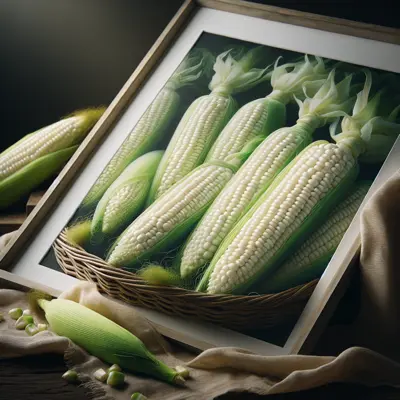
An exceptional white sweet corn hybrid that sets the standard for tenderness and sweetness in its class. The bright white kernels are incredibly tender and hold their sugar content well after harvest, making it ideal for both immediate eating and storage. This variety consistently produces uniform, well-filled ears that gardeners can count on.
Harvest
75-80d
Days to harvest
Sun
Full sun
Zones
2–11
USDA hardiness
Height
5-8 feet
Planting Timeline
Showing dates for Silver Choice in USDA Zone 7
All Zone 7 corn →Zone Map
Click a state to update dates
Silver Choice · Zones 2–11
Growing Details
Succession Planting
In zone 7, direct sow Silver Choice every 14-18 days starting around April 15 — once soil temps reach 60°F — through late June. Two or three successions is about all you can fit: Silver Choice runs 75-80 days to harvest, so a June 25 sowing finishes by mid-September ahead of first frost. The UGA Vegetable Garden Calendar lists a third corn planting in May as standard practice, which fits that cadence neatly.
Don't push past late June. Ears pollinating in August drought stress will have poor kernel fill, and earworm pressure peaks in late summer — a July sowing stacks both problems at once. Two well-timed blocks beat three stressed ones.
Complete Growing Guide
Plant Silver Choice in full sun with consistently moist, well-draining soil rich in organic matter, as this hybrid's exceptional sweetness demands steady nutrient availability. Sow after soil reaches 60°F, timing succession plantings two weeks apart through mid-summer to ensure continuous harvest during its relatively short 75-80 day window. This variety shows moderate vigor but benefits from sturdy staking in windy sites, as plants reaching 5-8 feet can topple under stress. Watch for common corn pests like European corn borers and spider mites, which can damage kernels before harvest. A critical practical tip: harvest ears in the early morning when sugar content peaks, and use them within a day or two since this cultivar's exceptional tenderness means kernels lose their prime texture faster than starchy varieties—immediate refrigeration preserves quality significantly longer than leaving ears at room temperature.
Light: Full sun (6 or more hours of direct sunlight a day). Soil: Clay, High Organic Matter, Loam (Silt). Soil pH: Acid (<6.0), Neutral (6.0-8.0). Drainage: Good Drainage. Height: 5 ft. 0 in. - 8 ft. 0 in.. Spread: 1 ft. 0 in. - 2 ft. 0 in.. Spacing: 12 inches-3 feet. Growth rate: Rapid. Maintenance: Medium. Propagation: Seed. Regions: Coastal, Mountains, Piedmont.
Harvesting
Harvest Silver Choice when silks turn brown and dry while kernels remain plump and milky, typically 20-22 days after pollination when ears feel full and kernels resist gentle pressure without splitting. Peak sweetness occurs in early morning after the plant has cooled overnight, so plan harvesting before heat builds. This variety produces ears in succession rather than all at once, making multiple harvests over 2-3 weeks possible; check plants every 2-3 days to catch ears at their tender peak and encourage continued production. Twist ears downward sharply to detach cleanly, and refrigerate immediately to preserve the exceptional sugar content that makes Silver Choice distinctive.
Color: Gold/Yellow. Type: Caryopsis. Length: > 3 inches. Width: 1-3 inches.
Garden value: Edible, Showy
Harvest time: Fall
Edibility: Edibile
Storage & Preservation
Fresh Silver Choice corn should be used within 24 hours for peak sweetness, though its superior sugar retention means it stays sweet longer than many varieties. Store unhusked ears in the refrigerator at 32-35°F with high humidity—wrap in damp paper towels and place in perforated plastic bags.
For freezing, blanch whole kernels for 4 minutes or whole ears for 6-8 minutes, then plunge in ice water. Silver Choice's tender kernels freeze exceptionally well and maintain their texture. Cut kernels from cobs after blanching for easier storage.
This variety excels for cream-style corn due to its tender kernels and sweet milk. Can using a pressure canner following USDA guidelines. Silver Choice also dehydrates well—blanch first, then dry at 125°F until brittle. The variety's low starch content makes it less suitable for traditional hominy preparation but perfect for fresh salsas and relishes.
History & Origin
Silver Choice emerged from commercial breeding programs focused on improving white sweet corn hybrids during the late 20th century, though specific breeder attribution and introduction year remain unclear in readily available documentation. The variety reflects decades of selective breeding work by major seed companies to enhance tenderness and sugar retention in white corn types. Its development likely drew from established white sweet corn germplasm and hybrid vigor techniques common in the corn seed industry. The variety's emphasis on uniform ear fill and post-harvest sugar stability suggests intentional selection for home garden and fresh market appeal rather than processing applications, positioning it within the premium sweet corn segment that emerged as consumer demand for quality table corn increased.
Origin: Mexico
Advantages
- +Exceptional tenderness and sweetness make Silver Choice superior to many competitors
- +Kernels retain sugar content remarkably well after harvest for extended freshness
- +Uniform ear production ensures consistent, reliable yields throughout the growing season
- +Medium maturity at 75-80 days allows flexible planting and succession cropping
- +Easy to moderate difficulty makes Silver Choice accessible to most gardeners
Considerations
- -Susceptible to multiple serious pests including corn earworm, borers, and beetles
- -Vulnerable to Stewart's bacterial wilt disease which can devastate entire plantings
- -Requires consistent pest management and disease monitoring for successful harvests
Companion Plants
Beans fix atmospheric nitrogen that Silver Choice pulls hard from the soil, and squash leaves shade the ground enough to slow weed germination and hold soil moisture around shallow corn roots — those two earn their spots. Marigolds (Tagetes patula specifically) add some deterrence against soil pests and don't compete much at corn's 8-12 inch spacing. Tomatoes are the one to keep out of the block entirely: they share corn earworm (Helicoverpa zea) as a host, and planting them adjacent concentrates pest pressure on both crops at once. Brassicas just get shaded out once Silver Choice clears 5 feet, so both crops end up worse off.
Plant Together
Beans
Fix nitrogen in soil that corn needs, part of the Three Sisters planting method
Squash
Large leaves suppress weeds and retain soil moisture, completes Three Sisters companion system
Marigolds
Repel corn earworms, aphids, and other harmful insects through natural compounds
Nasturtiums
Act as trap crop for aphids and cucumber beetles, edible flowers add color
Sunflowers
Provide natural trellis support for climbing beans and attract beneficial pollinators
Dill
Attracts beneficial insects like ladybugs and parasitic wasps that control corn pests
Cucumbers
Benefit from corn's wind protection while using different soil nutrients
Radishes
Break up compacted soil around corn roots and deter corn borers
Keep Apart
Black Walnut
Produces juglone toxin that severely stunts corn growth and can kill plants
Tomatoes
Both are heavy nitrogen feeders competing for same nutrients, attract similar pests
Brassicas
Cabbage family plants can stunt corn growth through allelopathic compounds
Nutrition Facts
Per 100g serving. % Daily Value based on 2,000 calorie diet. Source: USDA FoodData Central (FDC #168538)
Pests & Disease Resistance
Resistance
Moderate resistance to northern corn leaf blight and common rust
Common Pests
Corn earworm, armyworm, corn borer, Japanese beetles
Diseases
Stewart's bacterial wilt, anthracnose, crazy top
Troubleshooting Silver Choice
What you'll see, why it happens, and what to do about it.
Silks and ear tips are chewed or worm-eaten at harvest, often with frass packed inside the husk
Likely Causes
- Corn earworm (Helicoverpa zea) — moths lay eggs directly on fresh silks; larvae tunnel down into the ear
- European corn borer (Ostrinia nubilalis) — secondary entry through the shank or stalk
What to Do
- 1.Apply a few drops of mineral oil to the tip of each ear right after silks brown — around day 65 — to suffocate larvae before they burrow deep
- 2.Follow the corn earworm spray schedule in the Georgia Pest Management Handbook if pressure is heavy; timing to silk emergence is everything
- 3.Harvest promptly at 75-80 days; ears left on the stalk past peak give larvae more time to work
Plants wilt suddenly and die in the first 3-4 weeks after germination, often in a scattered pattern across the block
Likely Causes
- Stewart's bacterial wilt (Pantoea stewartii) — transmitted by corn flea beetles that overwinter in mild winters
- Fall armyworm (Spodoptera frugiperda) feeding at the soil line, cutting seedlings off
What to Do
- 1.Pull and discard wilted plants immediately — Stewart's wilt spreads via flea beetle feeding, so reducing infected tissue matters
- 2.Check the base of cut seedlings for armyworm frass and caterpillars in the top inch of soil; hand-pick or apply Bt (Bacillus thuringiensis) as a drench at label rates
- 3.Silver Choice carries no rated resistance to Stewart's wilt — if flea beetle pressure was high last season, delay planting until soil temps hold above 60°F so seedlings establish faster and spend less time vulnerable
Frequently Asked Questions
How long does Silver Choice corn take to grow from seed to harvest?▼
Can you grow Silver Choice corn in containers?▼
What does Silver Choice corn taste like compared to yellow corn?▼
When should I plant Silver Choice corn for best results?▼
Is Silver Choice good for beginning gardeners?▼
How do you know when Silver Choice corn is ready to pick?▼
Zone-by-Zone Planting Calendar
| Zone | Indoor Start | Transplant | Direct Sow | Harvest |
|---|---|---|---|---|
| Zone 1 | — | — | July – August | October – August |
| Zone 2 | — | — | June – August | October – September |
| Zone 11 | — | — | January – March | May – June |
| Zone 12 | — | — | January – March | May – June |
| Zone 13 | — | — | January – March | May – June |
| Zone 3 | — | — | June – July | September – October |
| Zone 4 | — | — | June – July | September – October |
| Zone 5 | — | — | May – June | September – October |
| Zone 6 | — | — | May – June | August – October |
| Zone 7 | — | — | April – June | August – September |
| Zone 8 | — | — | April – May | July – September |
| Zone 9 | — | — | March – April | June – August |
| Zone 10 | — | — | February – April | June – July |
Growing Guides from Wind River Greens
Sources & References
External authority sources used in compiling this guide.
See the Methodology page for how this data is sourced, what's AI-assisted, and known limitations.