Luscious
Zea mays 'Luscious'
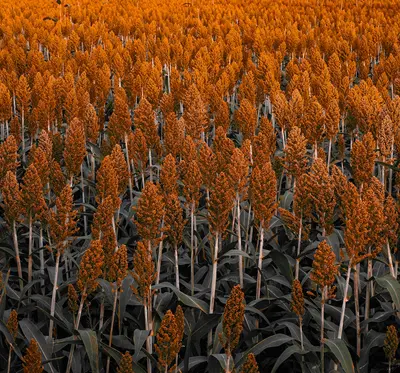
A premium white sweet corn variety that delivers exceptional tenderness and sweetness in every bite. This high-performing hybrid produces consistently large ears with pristine white kernels that maintain their quality longer than most varieties. Garden-to-table perfection for those who prefer the clean, sweet taste of white corn with superior eating quality.
Harvest
75-80d
Days to harvest
Sun
Full sun
Zones
2–11
USDA hardiness
Height
5-8 feet
Planting Timeline
Showing dates for Luscious in USDA Zone 7
All Zone 7 corn →Zone Map
Click a state to update dates
Luscious · Zones 2–11
Growing Details
Succession Planting
In zone 7, direct sow Luscious every 14–18 days starting around April 15 — once soil temps hold at 60°F or above — through late June. Each sowing shifts your harvest window by about two weeks: an April 15 planting comes in around early July, a May 1 sowing hits mid-July, and a June 1 sowing pushes into late August. The UGA Vegetable Garden Calendar specifically backs a third planting in May, and that cadence lines up well with the variety's 75–80 day maturity.
Don't push sowings past June 15 in Georgia. Ears pollinating in September with erratic late-season moisture fill poorly, and you lose the eating quality that makes Luscious worth the bed space. Each succession also needs to be sown in a block — minimum 4 rows wide — not a single line. Corn is wind-pollinated, and a single row will give you gaps in kernel fill no matter how good your timing is.
Complete Growing Guide
This premium hybrid demands consistent moisture and warmth to express its exceptional sweetness, so hold off planting until soil reaches 60°F and maintain even watering throughout the season—irregular moisture will compromise the tender texture it's prized for. Unlike hardier yellow varieties, Luscious is moderately susceptible to corn earworm and Stewart's wilt in humid climates, making crop rotation and resistant plantings essential preventive measures. The 75–80 day maturity window is reliable, but watch for premature bolting in stressed conditions with temperature fluctuations above 85°F; mulching helps stabilize soil temperature. At your 5–8 foot height, provide sturdy wind protection or stake taller plants, as the heavy ears can snap stems. For maximum quality, harvest when silks brown and kernels exude a milky juice rather than watery sap, as this cultivar's quality degrades rapidly once peak ripeness passes—pick early morning for best flavor retention.
Light: Full sun (6 or more hours of direct sunlight a day). Soil: Clay, High Organic Matter, Loam (Silt). Soil pH: Acid (<6.0), Neutral (6.0-8.0). Drainage: Good Drainage. Height: 5 ft. 0 in. - 8 ft. 0 in.. Spread: 1 ft. 0 in. - 2 ft. 0 in.. Spacing: 12 inches-3 feet. Growth rate: Rapid. Maintenance: Medium. Propagation: Seed. Regions: Coastal, Mountains, Piedmont.
Harvesting
Luscious corn reaches peak harvest readiness when the silks turn dark brown and dry, the husks feel slightly papery yet still green, and ears feel full and firm to gentle pressure. The kernels should be plump and milky when a nail pierces the cob, indicating optimal sugar content. This variety supports continuous harvesting over two to three weeks rather than a single picking, as ears mature sequentially up the stalk. Begin harvesting in early morning when kernels are crisp and hydrated, twisting ears downward with a sharp snap to cleanly separate them from the stalk. Regular harvesting encourages the plant to continue producing, extending your fresh supply throughout the season.
Color: Gold/Yellow. Type: Caryopsis. Length: > 3 inches. Width: 1-3 inches.
Garden value: Edible, Showy
Harvest time: Fall
Edibility: Edibile
Storage & Preservation
For peak sweetness, use Luscious corn within 2-3 hours of harvest. If immediate use isn't possible, keep unhusked ears in the refrigerator where they'll maintain good quality for 3-5 days – longer than most sweet corn varieties thanks to this hybrid's superior holding ability.
For freezing, blanch whole kernels in boiling water for 4 minutes, then plunge into ice water. Drain thoroughly and freeze in airtight containers for up to 12 months. Alternatively, freeze whole ears after husking and blanching for 7-9 minutes.
Luscious also pressure cans beautifully – cut kernels from cobs and process in a pressure canner following USDA guidelines for corn. The variety's exceptional tenderness makes it ideal for cream-style canning. For unique preservation, try dehydrating kernels at 135°F for 8-12 hours until crisp, creating a sweet corn 'nut' perfect for snacking or adding to trail mixes.
History & Origin
Documentation on the specific origins of 'Luscious' is limited in publicly available breeding records. Like many modern commercial sweet corn hybrids, 'Luscious' likely emerged from twentieth-century seed company breeding programs focused on white kernel varieties with enhanced sweetness and shelf life. The variety appears to represent the culmination of decades of hybrid corn development that prioritized tenderness and sugar content—traits that became increasingly important as home gardeners and commercial producers demanded superior eating quality. Without confirmed breeder attribution or introduction year in standard horticultural databases, 'Luscious' should be understood as part of the broader lineage of contemporary hybrid sweet corns developed through conventional selection methods.
Origin: Mexico
Advantages
- +Exceptional sweetness and tenderness make Luscious a premium eating experience
- +Large, pristine white ears with extended quality retention after harvest
- +Moderate difficulty makes it accessible for home gardeners with some experience
- +Consistent hybrid performance delivers reliable large ears season after season
- +Clean, refined corn flavor appeals to white corn preference enthusiasts
Considerations
- -Susceptible to multiple serious diseases including rust, leaf spot, and smut
- -Vulnerable to common corn pests like earworms and borers requiring management
- -75-80 day maturity requires extended growing season in shorter climates
- -Premium hybrid seed cost higher than standard sweet corn varieties
Companion Plants
The Three Sisters combination — corn with beans and squash — holds up for practical reasons specific to how corn feeds. Luscious is a heavy nitrogen user, and beans pull atmospheric nitrogen into the root zone, which helps carry the crop through the long 75–80 day window to harvest. Squash fills the understory, shading out weeds that would otherwise compete for the same moisture corn needs during the dry spells we get in zone 7 Georgia summers. Marigolds on the border add real value here too: their root exudates suppress certain soil nematodes, and nasturtiums planted nearby act as a trap crop that pulls aphids off the corn.
Tomatoes are the companion to avoid most firmly — they share Helicoverpa zea with corn (it's the same insect the tomato world calls the fruitworm), and planting them adjacent doubles the pressure on both crops from a pest that's already hard to manage. Black walnut is a non-starter anywhere near the vegetable garden; juglone, the compound its roots release, is broadly toxic to most vegetables, corn included. Brassicas don't produce that kind of chemical interference, but they compete hard for the same soil nutrients and don't return anything useful to a corn planting.
Plant Together
Beans
Fix nitrogen in soil, benefiting corn's heavy nitrogen needs
Squash
Ground cover suppresses weeds, retains soil moisture for corn
Marigolds
Repel corn rootworm, aphids, and other harmful insects
Nasturtiums
Act as trap crop for aphids and cucumber beetles
Dill
Attracts beneficial insects like parasitic wasps that control corn pests
Sunflowers
Provide windbreak protection and attract beneficial pollinators
Lettuce
Benefits from corn's shade during hot weather, maximizes space usage
Parsley
Attracts beneficial insects and may help repel corn borers
Keep Apart
Tomatoes
Both are heavy feeders competing for same nutrients, attract similar pests
Black Walnut
Releases juglone toxin that inhibits corn growth and development
Brassicas
Heavy nitrogen feeders that compete directly with corn's nutrient needs
Nutrition Facts
Per 100g serving. % Daily Value based on 2,000 calorie diet. Source: USDA FoodData Central (FDC #168538)
Pests & Disease Resistance
Resistance
Excellent resistance to northern corn leaf blight and good tolerance to environmental stress
Common Pests
Corn earworm, European corn borer, corn aphids, cutworms
Diseases
Southern corn rust, gray leaf spot, common smut, bacterial leaf streak
Troubleshooting Luscious
What you'll see, why it happens, and what to do about it.
Silks and ear tips showing caterpillar damage, frass visible inside husks at harvest
Likely Causes
- Corn earworm (Helicoverpa zea) — moths lay eggs on fresh silks, larvae feed down into the ear
- European corn borer (Ostrinia nubilalis) — larvae tunnel into stalks and ears
What to Do
- 1.Apply a few drops of mineral oil to the tip of each ear right after silks brown and begin to dry — this suffocates earworm larvae before they get deep
- 2.Scout for European corn borer by checking for small entry holes and sawdust-like frass on stalks; Bt (Bacillus thuringiensis) sprays applied at silk emergence can knock back both pests
- 3.The UGA Pest Management Handbook recommends following a spray schedule timed to silk emergence — don't wait until you see damage at harvest
Orange, powdery pustules spreading across leaf surfaces starting around day 50, moving fast in late summer heat
Likely Causes
- Southern corn rust (Puccinia polysora) — a fungal disease that NC State Extension specifically flags as a high-pressure threat in the Southeast due to warm, humid summers
What to Do
- 1.Catch it early: initial pustules are small, circular, and orange-tan, and they appear on the upper leaf surface first — scout every 5 days once plants are knee-high
- 2.Remove and bag lightly infected leaves; do not compost them
- 3.For heavy outbreaks, apply propiconazole (a fungicide labeled for corn rust) — Luscious carries hybrid disease tolerance but not immunity, so scouting matters more than assuming it'll hold
Swollen, gray-white galls on ears, stalks, or tassels that turn black and powdery
Likely Causes
- Common smut (Ustilago maydis) — a soil-borne fungus that enters through wounds or rapidly dividing tissue; drought stress and mechanical damage both increase susceptibility
What to Do
- 1.Cut galls off before they rupture — once they go black and burst, spores persist in that soil for 5–7 years; bag and trash them immediately
- 2.Rotate corn out of any bed where smut appeared for at least 3 seasons
- 3.NC State's Plant Disease and Insect Clinic notes that some cooks harvest immature white galls as huitlacoche, but if you're not into that, pull them the moment you spot them — they expand fast
Frequently Asked Questions
How long does Luscious corn take to grow?▼
Is Luscious corn good for beginners?▼
Can you grow Luscious corn in containers?▼
What does Luscious corn taste like?▼
When should I plant Luscious corn?▼
Luscious vs Silver Queen corn - what's the difference?▼
Zone-by-Zone Planting Calendar
| Zone | Indoor Start | Transplant | Direct Sow | Harvest |
|---|---|---|---|---|
| Zone 1 | — | — | July – August | October – August |
| Zone 2 | — | — | June – August | October – September |
| Zone 11 | — | — | January – March | May – June |
| Zone 12 | — | — | January – March | May – June |
| Zone 13 | — | — | January – March | May – June |
| Zone 3 | — | — | June – July | September – October |
| Zone 4 | — | — | June – July | September – October |
| Zone 5 | — | — | May – June | September – October |
| Zone 6 | — | — | May – June | August – October |
| Zone 7 | — | — | April – June | August – September |
| Zone 8 | — | — | April – May | July – September |
| Zone 9 | — | — | March – April | June – August |
| Zone 10 | — | — | February – April | June – July |
Growing Guides from Wind River Greens
Sources & References
External authority sources used in compiling this guide.
See the Methodology page for how this data is sourced, what's AI-assisted, and known limitations.