Zone 5 Coverage
Planting Timeline — All Varieties
Growing Ornamental Trees in Zone 5
Zone 5 offers an exceptional sweet spot for ornamental tree cultivation, with winter lows reaching -20°F that provide the necessary chill hours many flowering trees require, while summers remain warm enough for vigorous growth. This climate creates ideal conditions for spectacular spring bloomers like Star Magnolia and Kwanzan Cherry, which need those cold winters to produce their stunning floral displays. The 155-day growing season gives trees ample time to establish strong root systems and develop their ornamental features, from the brilliant fall colors of Sugar Maple and October Glory Red Maple to the interesting bark textures of River Birch Heritage and Paperbark Maple.
When selecting ornamental trees for Zone 5, prioritize varieties that can handle temperature swings and late spring freezes, which can damage tender new growth and flower buds. Look for trees with proven cold hardiness and those that leaf out later in spring, avoiding the disappointment of frost-damaged blooms. The varieties listed here have been selected for their reliability in Zone 5 conditions, offering four-season interest through spring flowers, summer foliage, fall color, and winter structure. Consider your specific microclimate too – a sheltered south-facing location might allow you to push the boundaries with slightly less hardy varieties like Crape Myrtle Natchez, while exposed sites call for bulletproof choices like Norway Spruce or American Elm Princeton.
Variety Comparison
| Variety ↑ | Days | Difficulty |
|---|---|---|
| American Elm Princeton | — | Easy to moderate |
| Bloodgood Japanese Maple | — | Moderate |
| Bradford Pear | — | Easy |
| Cleveland Select Pear | — | Easy |
| Eastern Redbud Forest Pansy | — | Easy |
| Emerald Green Arborvitae | — | Easy |
| Fastigiata European Beech | — | Moderate |
| Flowering Dogwood Cherokee Princess | — | Easy to moderate |
| Flowering Pear Chanticleer | — | Easy |
| Fringe Tree | — | Easy |
| Ginkgo Biloba Autumn Gold | — | Easy |
| Green Giant Arborvitae | — | Easy |
| Honey Locust Sunburst | — | Easy |
| Japanese Maple Crimson Queen | — | Moderate |
| Japanese Maple Emperor One | — | Moderate |
| Japanese Zelkova Green Vase | — | Easy |
| Kousa Dogwood | — | Moderate |
| Kwanzan Cherry | — | Easy |
| Lavender Twist Weeping Redbud | — | Moderate |
| Magnolia Jane | — | Easy to moderate |
| Norway Spruce | — | Easy |
| October Glory Red Maple | — | Easy |
| Paperbark Maple | — | Moderate |
| Pink Flowering Crabapple | — | Easy |
| Purple Leaf Plum | — | Easy to moderate |
Variety Details
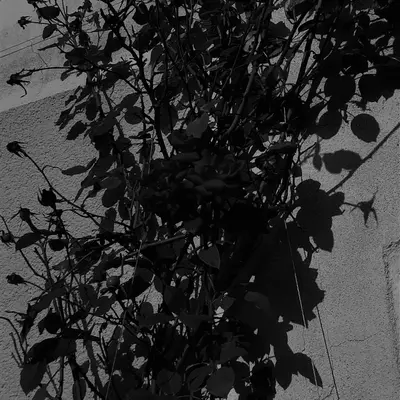
American Elm Princeton
A majestic shade tree that brings back the classic American elm's iconic vase-shaped silhouette with improved disease resistance to Dutch elm disease. Princeton elm combines the stately presence that once lined America's streets with modern disease tolerance, making it perfect for large properties seeking a timeless, elegant canopy tree.
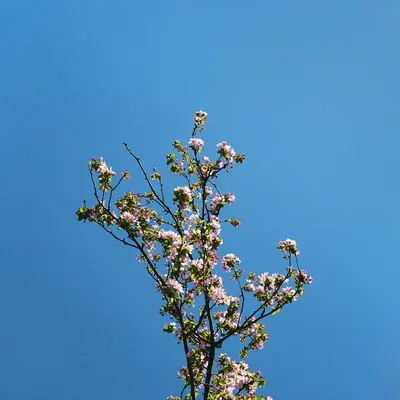
Bloodgood Japanese Maple
The gold standard among red Japanese maples, 'Bloodgood' maintains its deep burgundy-red foliage throughout the growing season without fading. This reliable cultivar offers stunning fall color that transitions to brilliant crimson, making it the most sought-after ornamental tree for adding dramatic color to landscapes.
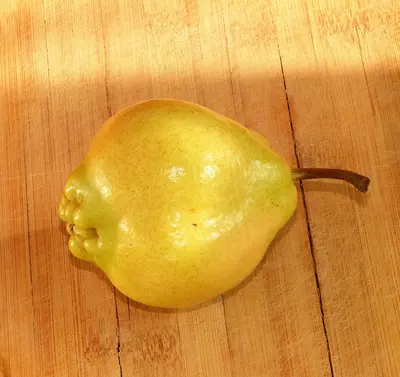
Bradford Pear
Once America's most popular ornamental tree, known for its spectacular white spring blooms and symmetrical pyramid shape. While beautiful, this tree has significant structural weaknesses and invasive tendencies that have led many states to ban its sale. Many gardeners are now choosing better alternatives like serviceberry or flowering cherry for similar spring impact.
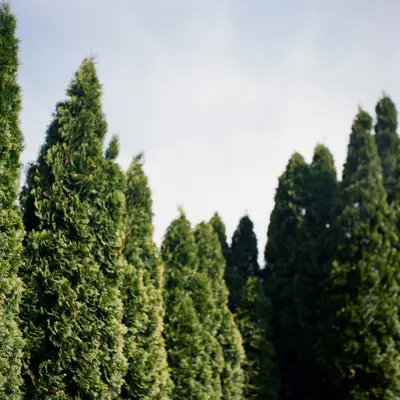
Cleveland Select Pear
A superior ornamental pear with a distinctive narrow, pyramidal shape that fits perfectly in tight spaces and urban environments. Unlike Bradford Pear, this variety has strong branch structure and won't split in storms, while producing masses of white spring flowers and glossy green foliage that turns purple-red in fall. It's an excellent choice for street plantings and formal landscapes.
Eastern Redbud Forest Pansy
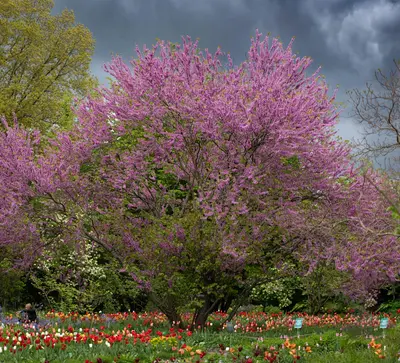
This award-winning cultivar transforms the traditional redbud with stunning heart-shaped leaves that emerge deep burgundy-red and mature to rich purple throughout the season. In early spring, magenta-pink flowers bloom directly from the branches and trunk before the leaves appear, creating a magical display that's enhanced by the colorful foliage that follows. Forest Pansy offers the perfect combination of spectacular spring flowers and unique colored foliage that provides interest all season long.
Emerald Green Arborvitae
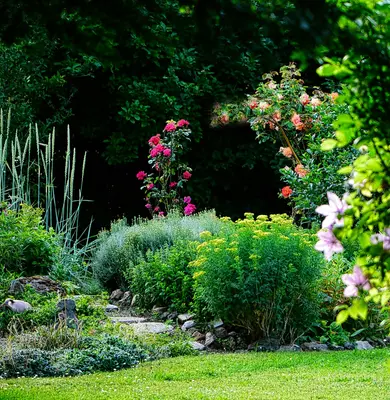
A stunning evergreen with vibrant emerald-green foliage that maintains its rich color year-round, making it the most popular choice for privacy screens and formal hedging. This narrow, pyramidal beauty grows at a moderate pace and requires minimal pruning to maintain its naturally perfect shape. Its dense branching and exceptional cold hardiness make it ideal for creating living walls that look professionally manicured with little effort.
Fastigiata European Beech
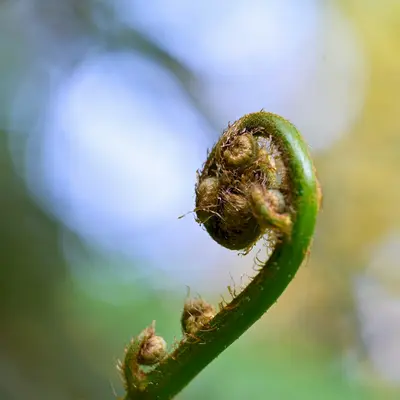
An architectural marvel among ornamental trees, this upright beech forms a distinctive narrow column perfect for formal landscapes and tight spaces. The smooth silvery-gray bark and glossy green leaves that turn golden-bronze in fall create year-round interest, while its unique fastigiate form makes it a stunning focal point. This slow-growing specimen tree becomes more impressive with age.
Flowering Dogwood Cherokee Princess
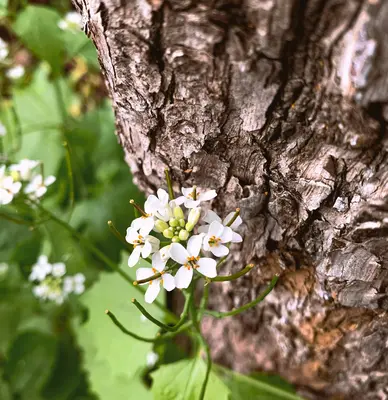
The most celebrated white-flowering dogwood cultivar, Cherokee Princess produces abundant large, pure white bracts that create a stunning spring display lasting 2-3 weeks. This vigorous native tree offers four-season interest with glossy green summer foliage, brilliant red fall color, and attractive winter bark texture. Its reliable blooming and superior disease resistance make it the gold standard for dogwoods in American landscapes.
Flowering Pear Chanticleer
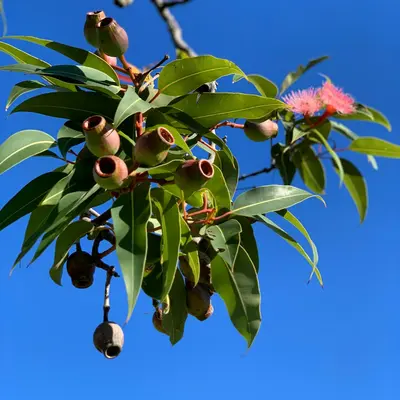
A superior alternative to Bradford Pear with a naturally pyramidal shape and stronger branching structure that resists storm damage. Covered in white spring blooms followed by glossy foliage that turns brilliant red-purple in fall, making it ideal for street trees and formal landscapes.
Fringe Tree
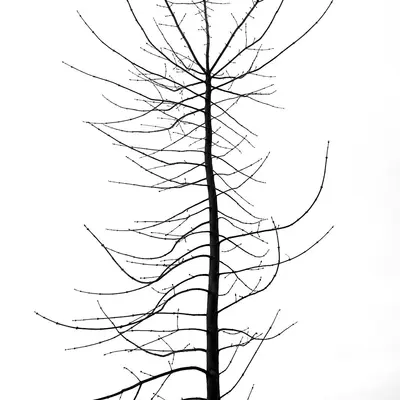
A native treasure that produces clouds of fragrant white flowers resembling fringe in late spring, earning it the nickname 'Old Man's Beard'. This adaptable small tree or large shrub offers multi-season interest with its showy blooms, bright yellow fall color, and dark blue berries on female plants. An excellent choice for naturalistic gardens and wildlife habitat.
Ginkgo Biloba Autumn Gold
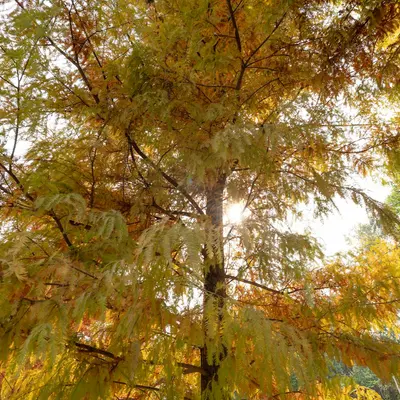
A stunning male cultivar of the ancient Ginkgo tree, prized for its brilliant golden-yellow fall color that creates a spectacular autumn display. This living fossil is incredibly hardy and pollution-tolerant, making it perfect for urban landscapes while bringing prehistoric beauty to modern gardens.
Green Giant Arborvitae
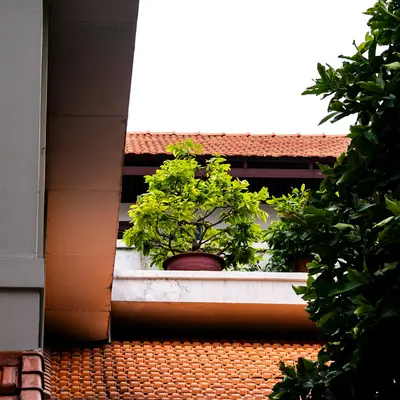
A fast-growing evergreen hybrid that quickly forms dense, pyramidal screens perfect for privacy hedges or windbreaks. With its rapid 3-5 foot annual growth rate and resistance to deer browsing, this low-maintenance conifer is the go-to choice for homeowners seeking quick, year-round screening.
Honey Locust Sunburst
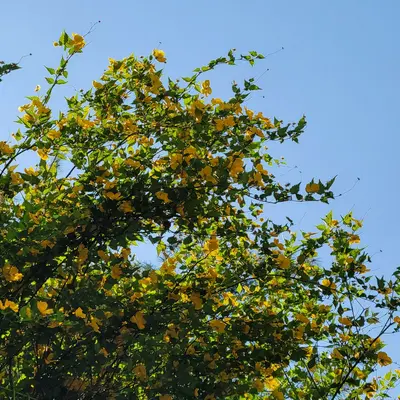
A fast-growing shade tree that emerges each spring with brilliant golden-yellow foliage that gradually transitions to bright green, creating a stunning color display. This thornless and podless variety is perfect for homeowners who want the beauty of honey locust without the cleanup, plus its delicate filtered shade allows grass to grow underneath.
Japanese Maple Crimson Queen
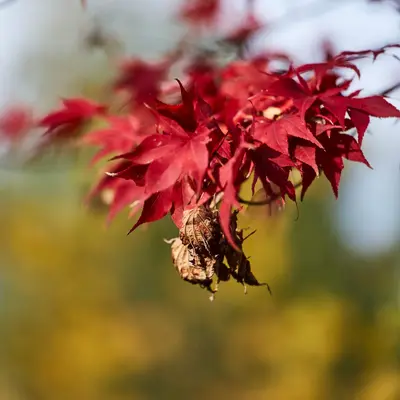
A stunning weeping Japanese maple with cascading branches that create a natural waterfall effect in the landscape. The deeply dissected red-purple foliage maintains its vibrant color throughout the growing season, making it one of the most sought-after ornamental trees for adding dramatic focal points to gardens.
Japanese Maple Emperor One
A stunning dwarf Japanese maple that maintains brilliant red foliage throughout the entire growing season, unlike many varieties that fade to green in summer. This compact cultivar offers year-round interest with its deeply lobed leaves and elegant branching structure, making it perfect for small gardens and containers. The intense crimson color deepens to burgundy-red in fall, creating a spectacular focal point that gardeners treasure.
Japanese Zelkova Green Vase
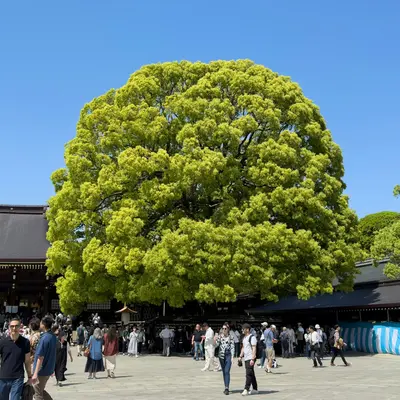
An outstanding elm alternative that combines disease resistance with exceptional form and beauty. This graceful shade tree develops a classic vase shape with arching branches and provides reliable golden-yellow to orange-red fall color. A perfect street or specimen tree that thrives in urban conditions where many other trees struggle.
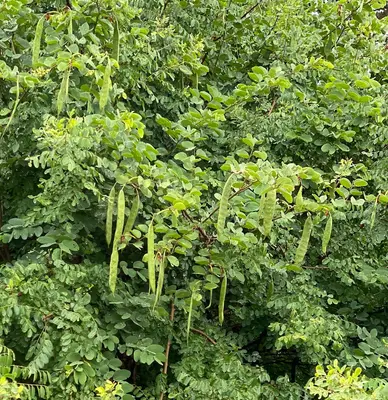
Kousa Dogwood
An Asian beauty that outperforms native dogwoods with superior disease resistance and extended bloom time. The large, pointed white bracts appear after the leaves in early summer, followed by raspberry-like edible fruits and spectacular scarlet fall color. This elegant tree features attractive exfoliating bark that provides winter interest, making it a true four-season showstopper.
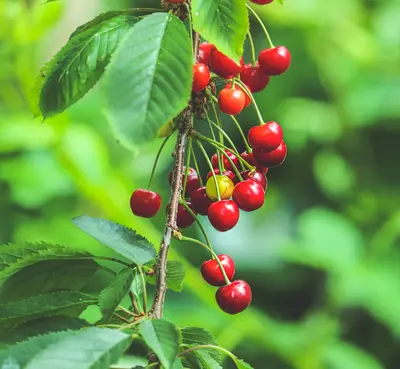
Kwanzan Cherry
The most popular ornamental cherry tree in America, Kwanzan produces an absolutely breathtaking display of double pink flowers that cover every branch in mid-spring. These fluffy, rose-like blossoms are so abundant they often completely obscure the branches, creating a spectacular pink cloud effect that stops traffic. The reliable spring show, combined with attractive bronze-green summer foliage and golden fall color, makes this the ultimate flowering tree for maximum impact.
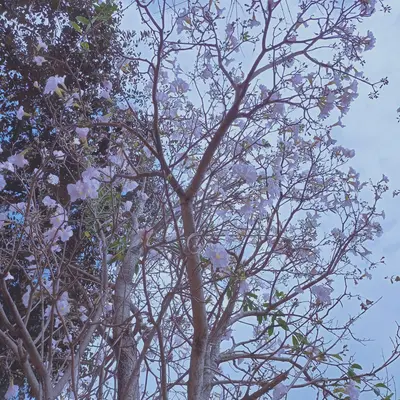
Lavender Twist Weeping Redbud
A remarkable weeping form of redbud that creates a living sculpture in the landscape with its gracefully cascading branches and stunning spring flower display. The twisted, contorted branches are covered with bright pink-purple flowers before the heart-shaped leaves emerge, creating an unforgettable sight. This award-winning tree brings unique character and four-season interest to any garden.
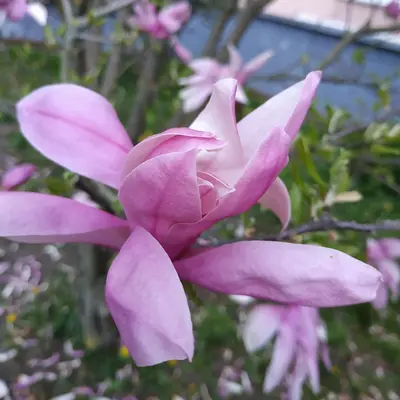
Magnolia Jane
A stunning compact magnolia that produces abundant reddish-purple buds opening to fragrant pink-white flowers in late spring. This Little Girl hybrid blooms later than most magnolias, avoiding frost damage, and often produces a second flush of flowers in summer. Perfect for smaller gardens where you want maximum floral impact without overwhelming size.
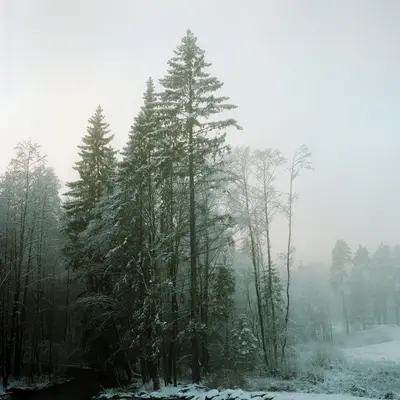
Norway Spruce
A majestic evergreen giant that serves as the classic Christmas tree silhouette, featuring gracefully drooping branches and dense, dark green needles that create dramatic winter interest. This fast-growing conifer develops into an impressive specimen with distinctive pendulous branchlets that sway beautifully in the wind, while producing large decorative cones that add architectural appeal. Its reliability in cold climates and ability to serve as an effective windbreak make it a cornerstone tree for northern landscapes.
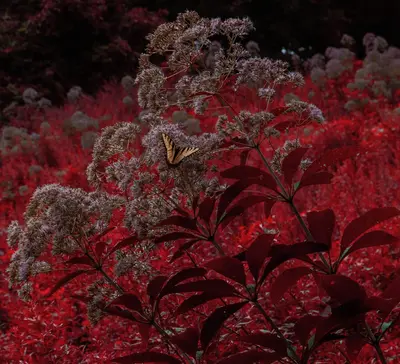
October Glory Red Maple
America's most reliable red maple for spectacular fall color, producing brilliant orange-red to crimson foliage that lasts weeks longer than other maples. This fast-growing native adapts to various soil conditions and consistently delivers the stunning autumn display that makes it a landscape favorite. An excellent choice for creating dramatic seasonal interest in large yards.
Paperbark Maple
An exquisite small tree renowned for its stunning cinnamon-colored bark that peels in papery sheets, providing year-round interest even in winter. The trifoliate leaves turn brilliant orange-red in fall, making this one of the most elegant and sought-after specimen trees for small gardens.
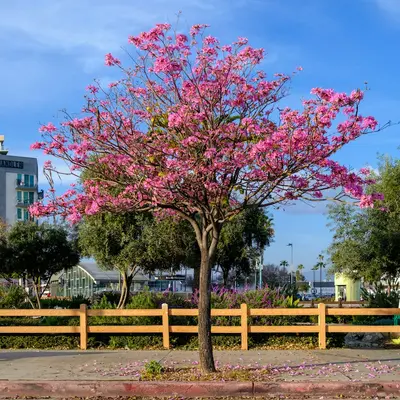
Pink Flowering Crabapple
One of the most disease-resistant crabapples available, 'Prairifire' produces abundant coral-pink buds that open to deep pink flowers, followed by small red fruits that persist into winter for wildlife. This compact tree offers multi-season interest with excellent disease resistance that makes it virtually maintenance-free.
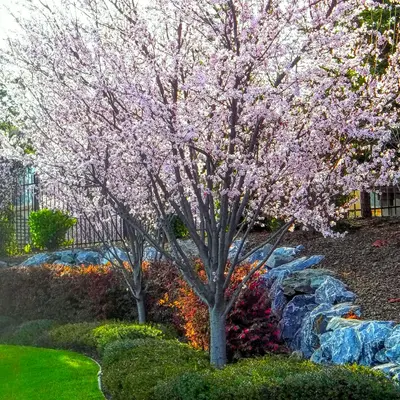
Purple Leaf Plum
A striking small tree that combines beautiful pink spring blossoms with deep purple-red foliage that holds its color all season long. This fast-growing ornamental creates dramatic color contrast in the landscape and works perfectly as a specimen tree or in mixed borders. The early spring flowers appear before the leaves, creating a stunning pink cloud effect.
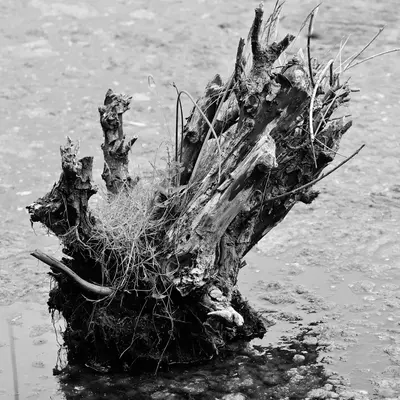
River Birch Heritage
An award-winning native tree celebrated for its stunning exfoliating bark that peels in papery layers of cream, salmon, and cinnamon brown, creating year-round visual interest. This fast-growing beauty thrives in wet soils where other trees struggle, making it perfect for low-lying areas while also tolerating drought once established. Its graceful, slightly weeping habit and resistance to bronze birch borer make it the most reliable birch for home landscapes.
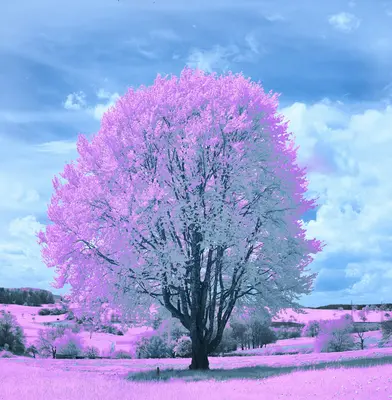
Royal Purple Smoke Tree
This striking ornamental tree captivates with deep purple foliage that intensifies in fall and ethereal, smoke-like flower clusters that give the tree its common name. 'Royal Purple' offers year-round interest and serves as a dramatic focal point that few other small trees can match.
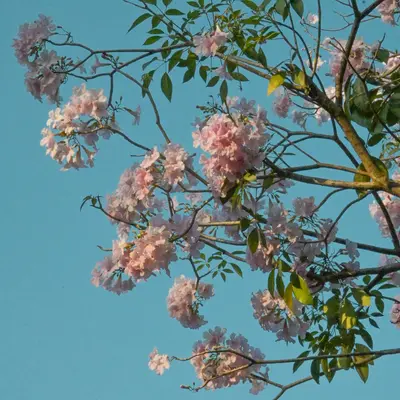
Saucer Magnolia
A breathtaking early spring bloomer that produces large, tulip-shaped flowers in shades of pink, purple, and white before the leaves emerge. This classic magnolia hybrid is perfect for creating a stunning focal point in the landscape and signaling the arrival of spring with its magnificent floral display.
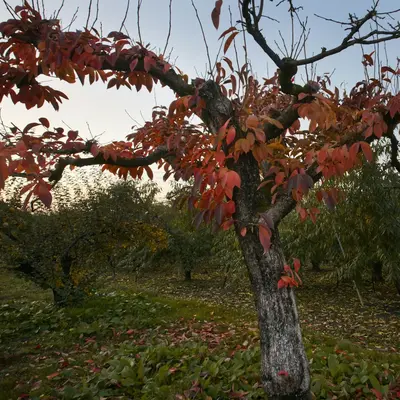
Serviceberry Autumn Brilliance
A superior native tree offering four seasons of beauty with delicate white spring flowers, sweet summer berries loved by birds, and exceptional orange-red fall color. This low-maintenance beauty adapts to various conditions while providing wildlife value and edible fruit for jams and pies. An excellent eco-friendly alternative to invasive ornamental trees.
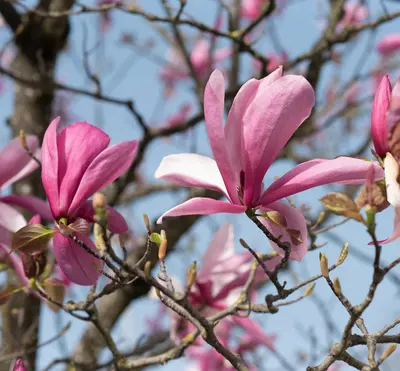
Star Magnolia
An early-blooming magnolia that signals spring's arrival with masses of fragrant, star-shaped white flowers that appear before the leaves emerge. This compact magnolia is perfect for smaller gardens and consistently ranks as one of the most reliable and beautiful spring-flowering trees for home landscapes.
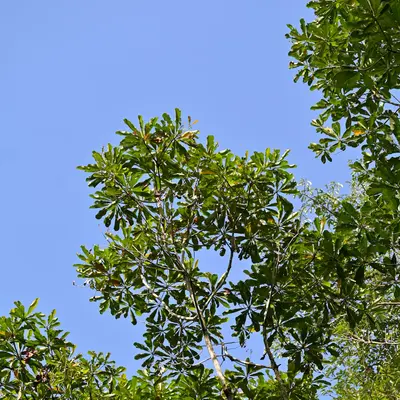
Thornless Cockspur Hawthorn
A superior small ornamental tree that delivers spectacular spring flowers, vibrant orange-red fall color, and persistent red berries without the thorns of typical hawthorns. Its dense, horizontal branching creates an architectural silhouette that looks stunning in winter, making it a four-season performer for smaller landscapes. Wildlife love the berries, and gardeners love the manageable size.
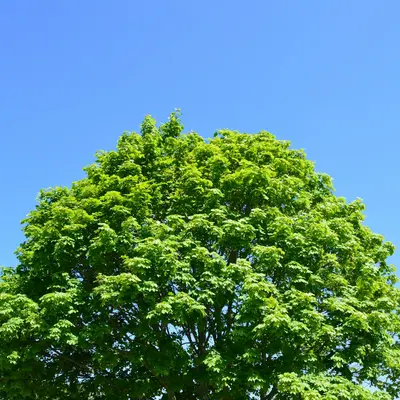
Thornless Honeylocust Skyline
A fast-growing shade tree prized for its graceful, open canopy and delicate compound leaves that cast dappled shade perfect for underplanting. The bright golden-yellow fall color and tolerance to urban conditions make Skyline honeylocust a top choice for street trees and large residential landscapes.
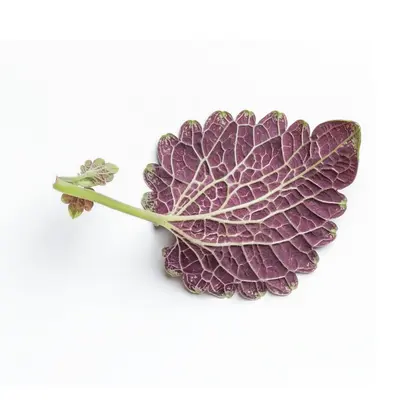
Thundercloud Purple Leaf Plum
A stunning ornamental tree that provides year-round color with deep reddish-purple foliage that darkens throughout the season. In early spring, delicate pink flowers emerge before the leaves, creating a breathtaking display against bare branches. This hardy tree maintains its rich purple color better than most purple-leafed varieties, making it a landscape favorite.
Zone 5 Growing Tips
Plant bare-root trees as soon as soil can be worked in early spring, typically 2-3 weeks before the last frost date around mid-April. Container-grown trees have more flexibility and can be planted from early May through early fall, but avoid planting during the heat of summer unless you can provide consistent irrigation. Spring planting gives trees the entire growing season to establish before facing their first winter, which is crucial for marginally hardy varieties.
Zone 5's clay soils and freeze-thaw cycles present unique challenges that require proper site preparation. Improve drainage by planting slightly high and amending heavy clay with compost, as waterlogged roots combined with freezing temperatures can kill even hardy trees. Apply 3-4 inches of mulch around newly planted trees, but keep it 6 inches from the trunk to prevent rodent damage during winter months. Consider wrapping thin-barked trees like Japanese Maples with burlap for their first 2-3 winters to prevent sun scald and frost cracking.
Season Overview
Zone 5's growing season runs from approximately April 30th to October 5th, giving ornamental trees 155 days to complete their annual growth cycle before dormancy. This timing perfectly accommodates spring bloomers like Eastern Redbud Forest Pansy and Serviceberry Autumn Brilliance, which flower in May after the frost danger passes, then have the full summer to develop next year's flower buds. The reliable first frost in early October triggers spectacular fall displays from Sugar Maple, Ginkgo Biloba Autumn Gold, and the various Red Maple cultivars, while the consistent cold winter ensures proper dormancy for healthy spring growth.