Ginkgo Biloba Autumn Gold
Ginkgo biloba 'Autumn Gold'
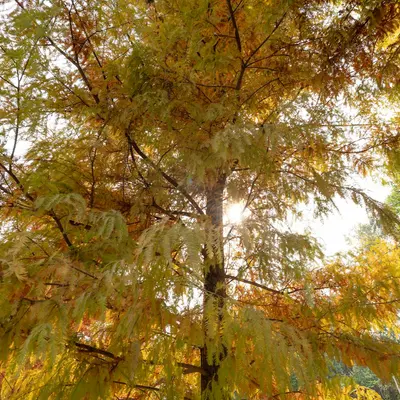
A stunning male cultivar of the ancient Ginkgo tree, prized for its brilliant golden-yellow fall color that creates a spectacular autumn display. This living fossil is incredibly hardy and pollution-tolerant, making it perfect for urban landscapes while bringing prehistoric beauty to modern gardens.
Sun
Full sun
Zones
3–9
USDA hardiness
Height
50-80 feet
Planting Timeline
Showing dates for Ginkgo Biloba Autumn Gold in USDA Zone 7
All Zone 7 ornamental-tree →Zone Map
Click a state to update dates
Ginkgo Biloba Autumn Gold · Zones 3–9
Growing Details
Complete Growing Guide
Plant 'Autumn Gold' in early spring or fall when soil is moist, choosing a location with full sun to develop its signature golden hue—trees in partial shade display duller yellows. This male cultivar is notably pollution-tolerant and thrives in urban settings where other ornamentals struggle, but ensure well-draining soil to prevent root rot during establishment. Unlike many ginkgos, 'Autumn Gold' colors reliably even in warmer climates, though fall display peaks in zones 3-7 with adequate chilling hours. Watch for spider mites during hot, dry summers, which can stress young trees; consistent deep watering prevents this issue more effectively than pesticides. A practical advantage: this cultivar's sterile male genetics eliminate the notoriously foul-smelling fruit of female ginkgos, making it ideal for residential areas. Prune only dead wood in late winter, as ginkgos naturally develop strong branch architecture without extensive training.
Light: Full sun (6 or more hours of direct sunlight a day). Soil: Clay, Loam (Silt), Sand. Soil pH: Acid (<6.0), Alkaline (>8.0), Neutral (6.0-8.0). Drainage: Good Drainage, Moist, Occasionally Dry, Occasionally Wet. Height: 50 ft. 0 in. - 80 ft. 0 in.. Spread: 30 ft. 0 in. - 40 ft. 0 in.. Spacing: 24-60 feet, more than 60 feet. Growth rate: Medium. Maintenance: Medium. Regions: Coastal, Mountains, Piedmont.
Harvesting
This male cultivar requires no harvesting since it produces no fruit, making it an ideal choice for ornamental landscapes without the mess of female ginkgo's notoriously foul-smelling seeds. Instead, appreciate its peak visual readiness by monitoring the foliage transformation from green to brilliant golden-yellow, typically occurring in mid to late autumn depending on your climate zone. The color shift signals the tree's most spectacular display period, usually lasting two to three weeks before leaves drop. For maximum impact in garden design, time your viewing or photography during the first week of peak golden color when foliage density remains full and the yellow pigmentation has fully developed but leaves haven't begun to abscise.
As a gymnosperm, Ginkgo does not produce fruit but its seeds (only on female trees) are plumlike, yellow-orange, the outer, fleshy pulp foul-smelling when ripe, the inner wall hard, smooth, and cream colored. When the seeds fall to the ground they can be quite messy. Most of the ornamental ginkgoes in the United States are male.
Color: Cream/Tan, Gold/Yellow, Orange. Length: < 1 inch. Width: < 1 inch.
Harvest time: Fall
Edibility: The seed, freed of the outer pulp and washed, is boiled or roasted and eaten.
Storage & Preservation
Ginkgo Biloba Autumn Gold is an ornamental tree requiring no food storage. For seeds or cuttings, store in cool, dry conditions (35-45°F) in sealed containers. Fresh seeds can be kept refrigerated in damp sand for 2-3 months. Preservation methods include: (1) Seed stratification in moist sand at cool temperatures for spring germination, (2) Hardwood cuttings stored in dormancy over winter in moist substrate at 35-40°F, and (3) Air-layering branches in late spring to propagate established specimens. Seeds have oily coats that deteriorate quickly; remove fruit flesh immediately if propagating from seed.
History & Origin
The 'Autumn Gold' cultivar represents a deliberate selection from the ancient Ginkgo biloba species rather than a modern hybrid cross. This male clone was introduced by Saratoga Horticultural Foundation in California during the 1950s, specifically selected for its reliable, consistent golden-yellow fall coloration and notably compact, pyramidal form compared to wild-type trees. The selection proved transformative for urban forestry, as male Ginkgos eliminate the notorious foul-smelling fruit produced by female trees. While detailed breeding documentation remains sparse, 'Autumn Gold' exemplifies mid-twentieth-century ornamental horticulture's systematic approach to improving landscape performance through careful clonal selection of superior individuals from established species.
Origin: China South-Central and China Southeast
Advantages
- +Brilliant golden-yellow fall foliage creates a spectacular autumn landscape display
- +Extremely hardy and tolerates urban pollution, making it ideal for cities
- +Male cultivar eliminates foul-smelling fruit common to female ginkgo trees
- +Rarely affected by pests or diseases, requiring minimal maintenance
- +Ancient living fossil adds prehistoric charm and historical significance to gardens
Considerations
- -Slow growth rate means it takes many years to reach full size
- -Columnar form requires adequate space and may not suit smaller yards
- -Requires well-draining soil and struggles in consistently wet conditions
- -Fall color display is brief, lasting only a few weeks annually
Companion Plants
Shade-tolerant perennials are the best use of the ground under 'Autumn Gold.' Hostas, Astilbe, Japanese Painted Fern, and Coral Bells all work well because they're comfortable in the deep shade a mature ginkgo casts at 50-80 feet, and their shallow fibrous roots don't compete seriously with the ginkgo's deep anchoring system. Azaleas and Bleeding Heart fit the same niche — both prefer the slightly acidic end of ginkgo's wide pH tolerance (5.0-6.5) and hold up visually against the tree's distinctive fan-shaped leaves. Caladiums and Impatiens are solid annual options for seasonal color in the same understory.
Keep Black Walnut well away — it produces juglone, a compound that leaches through the soil and suppresses growth in many nearby plants, young trees included. Eucalyptus releases allelopathic terpenes (primarily cineole) with a similar effect. Pine trees are a different kind of problem: their needle drop steadily acidifies the surrounding soil below ginkgo's preferred range and builds a dense duff layer that locks up surface moisture. Sunflowers are heavy feeders with aggressive shallow roots that will pull water and nutrients away from a ginkgo that's still in its slow-establishment phase.
Plant Together
Hostas
Thrive in partial shade created by ginkgo canopy and complement its golden fall color
Astilbe
Enjoys dappled shade under ginkgo and adds spring color with feathery plumes
Japanese Painted Fern
Tolerates shade and provides silvery foliage contrast to ginkgo's fan-shaped leaves
Coral Bells
Shade-tolerant perennial that adds colorful foliage year-round beneath ginkgo
Azaleas
Prefer acidic soil and partial shade, bloom in spring before ginkgo leafs out fully
Bleeding Heart
Spring bloomer that appreciates cool shade and complements ginkgo's ancient garden aesthetic
Caladium
Shade-loving annual with colorful leaves that enhance understory plantings
Impatiens
Shade-tolerant annual that provides continuous color under ginkgo canopy
Keep Apart
Black Walnut
Produces juglone which can inhibit ginkgo root development and overall growth
Eucalyptus
Releases allelopathic compounds that can suppress nearby plant growth including ginkgo
Pine Trees
Acidify soil significantly which ginkgo dislikes, prefer different soil pH conditions
Sunflowers
Allelopathic properties can inhibit growth of nearby trees and compete aggressively for nutrients
Pests & Disease Resistance
Resistance
Excellent - virtually pest and disease free
Common Pests
Rarely affected by pests
Diseases
Rarely affected by diseases
Troubleshooting Ginkgo Biloba Autumn Gold
What you'll see, why it happens, and what to do about it.
Leaves turning yellow and dropping in midsummer — not in fall, well before the expected October color show
Likely Causes
- Drought stress — ginkgo needs consistent moisture in its first 3-5 years while roots establish
- Waterlogged soil causing root suffocation, especially in heavy clay
What to Do
- 1.Check soil moisture 4-6 inches down; if dry, water deeply (1-2 inches) and mulch 3-4 inches around the base, keeping mulch off the trunk
- 2.If soil stays soggy for more than a day after rain, improve drainage before next planting season — ginkgo won't tolerate standing water long-term
- 3.Once established (5+ years), summer leaf drop is rarely drought-related; assess drainage first
Young transplant puts on no visible shoot growth for a full season after planting
Likely Causes
- Normal transplant shock — ginkgo is known for spending years 1-2 almost entirely on root establishment rather than top growth
- Root flare buried at planting, which slows establishment and can cause long-term decline
What to Do
- 1.Confirm the root flare sits at or slightly above grade — dig it up and replant if it was buried more than an inch
- 2.'Autumn Gold' routinely shows minimal shoot extension for 1-2 seasons before accelerating; a tree that leafs out normally but doesn't grow taller is not failing
- 3.Side-dress with a balanced slow-release fertilizer (10-10-10) in early spring and water it in; avoid heavy nitrogen pushes on a root system that's still orienting itself