Zone 3 Coverage
Planting Timeline — All Varieties
Growing Ornamental Trees in Zone 3
Zone 3 gardeners face unique challenges when selecting ornamental trees, but the reward of finding varieties that thrive in this harsh climate is immense. With winter temperatures dropping as low as -40°F and a brief but intense growing season, your ornamental trees need to be exceptionally hardy while still providing the beauty and structure you want in your landscape. The key is choosing trees that can handle extreme cold snaps, late spring frosts, and early fall freezes while making the most of those precious 120 growing days.
When selecting ornamental trees for Zone 3, prioritize native and near-native species that have evolved to handle temperature extremes. Look for trees with strong cold hardiness ratings, good branch structure to resist ice and snow loads, and varieties that leaf out later in spring to avoid frost damage. The trees listed here have proven themselves in Zone 3 conditions, offering everything from spectacular fall color to spring blooms, evergreen structure, and interesting bark textures that shine in winter landscapes.
These carefully selected varieties represent the best balance of hardiness and ornamental value for Zone 3. From the brilliant autumn display of Sugar Maple and October Glory Red Maple to the early spring flowers of Star Magnolia and the year-round structure of Norway Spruce, each tree brings something special to cold-climate gardens while reliably surviving your toughest winters.
Variety Comparison
| Variety ↑ | Days | Difficulty |
|---|---|---|
| American Elm Princeton | — | Easy to moderate |
| Emerald Green Arborvitae | — | Easy |
| Fringe Tree | — | Easy |
| Ginkgo Biloba Autumn Gold | — | Easy |
| Honey Locust Sunburst | — | Easy |
| Norway Spruce | — | Easy |
| October Glory Red Maple | — | Easy |
| Pink Flowering Crabapple | — | Easy |
| Thornless Cockspur Hawthorn | — | Easy |
| Thornless Honeylocust Skyline | — | Easy |
Variety Details
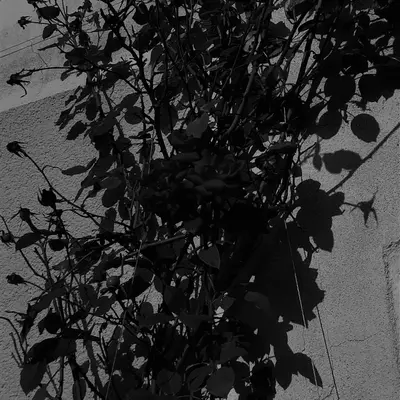
American Elm Princeton
A majestic shade tree that brings back the classic American elm's iconic vase-shaped silhouette with improved disease resistance to Dutch elm disease. Princeton elm combines the stately presence that once lined America's streets with modern disease tolerance, making it perfect for large properties seeking a timeless, elegant canopy tree.
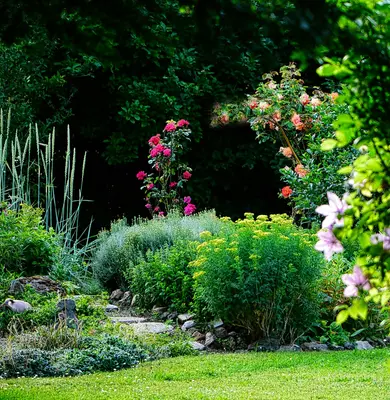
Emerald Green Arborvitae
A stunning evergreen with vibrant emerald-green foliage that maintains its rich color year-round, making it the most popular choice for privacy screens and formal hedging. This narrow, pyramidal beauty grows at a moderate pace and requires minimal pruning to maintain its naturally perfect shape. Its dense branching and exceptional cold hardiness make it ideal for creating living walls that look professionally manicured with little effort.
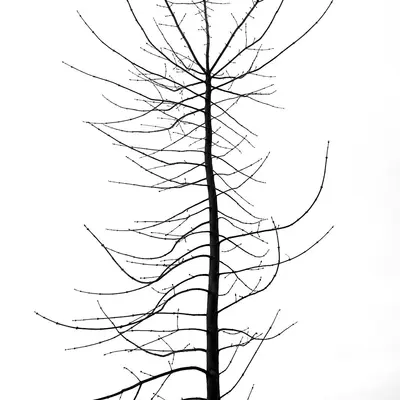
Fringe Tree
A native treasure that produces clouds of fragrant white flowers resembling fringe in late spring, earning it the nickname 'Old Man's Beard'. This adaptable small tree or large shrub offers multi-season interest with its showy blooms, bright yellow fall color, and dark blue berries on female plants. An excellent choice for naturalistic gardens and wildlife habitat.
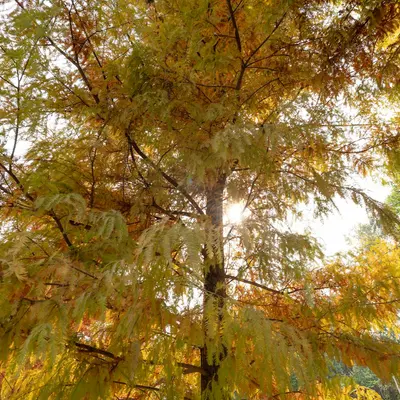
Ginkgo Biloba Autumn Gold
A stunning male cultivar of the ancient Ginkgo tree, prized for its brilliant golden-yellow fall color that creates a spectacular autumn display. This living fossil is incredibly hardy and pollution-tolerant, making it perfect for urban landscapes while bringing prehistoric beauty to modern gardens.
Honey Locust Sunburst
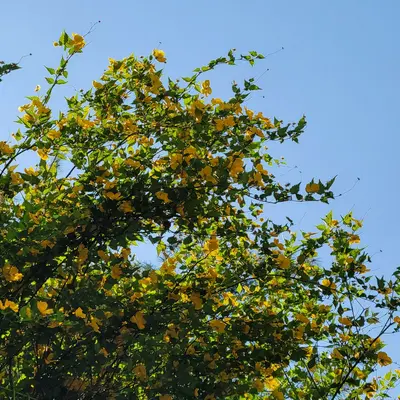
A fast-growing shade tree that emerges each spring with brilliant golden-yellow foliage that gradually transitions to bright green, creating a stunning color display. This thornless and podless variety is perfect for homeowners who want the beauty of honey locust without the cleanup, plus its delicate filtered shade allows grass to grow underneath.
Norway Spruce
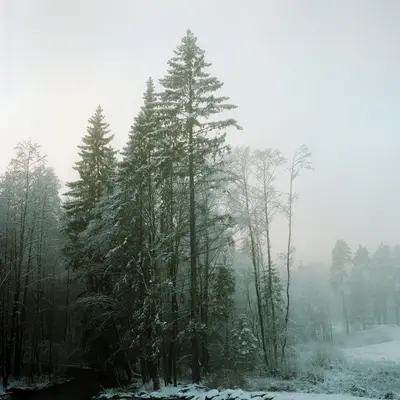
A majestic evergreen giant that serves as the classic Christmas tree silhouette, featuring gracefully drooping branches and dense, dark green needles that create dramatic winter interest. This fast-growing conifer develops into an impressive specimen with distinctive pendulous branchlets that sway beautifully in the wind, while producing large decorative cones that add architectural appeal. Its reliability in cold climates and ability to serve as an effective windbreak make it a cornerstone tree for northern landscapes.
October Glory Red Maple
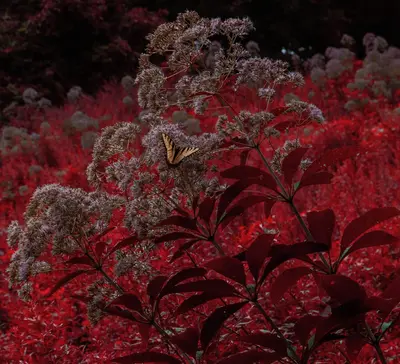
America's most reliable red maple for spectacular fall color, producing brilliant orange-red to crimson foliage that lasts weeks longer than other maples. This fast-growing native adapts to various soil conditions and consistently delivers the stunning autumn display that makes it a landscape favorite. An excellent choice for creating dramatic seasonal interest in large yards.
Pink Flowering Crabapple
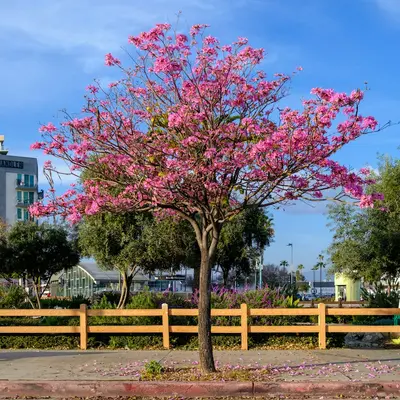
One of the most disease-resistant crabapples available, 'Prairifire' produces abundant coral-pink buds that open to deep pink flowers, followed by small red fruits that persist into winter for wildlife. This compact tree offers multi-season interest with excellent disease resistance that makes it virtually maintenance-free.
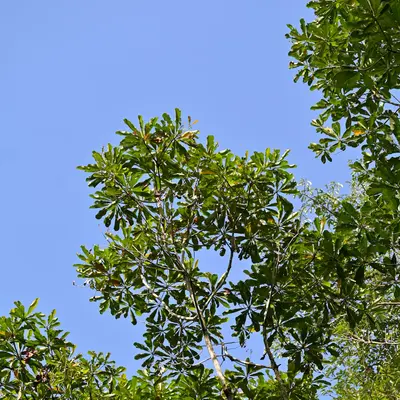
Thornless Cockspur Hawthorn
A superior small ornamental tree that delivers spectacular spring flowers, vibrant orange-red fall color, and persistent red berries without the thorns of typical hawthorns. Its dense, horizontal branching creates an architectural silhouette that looks stunning in winter, making it a four-season performer for smaller landscapes. Wildlife love the berries, and gardeners love the manageable size.
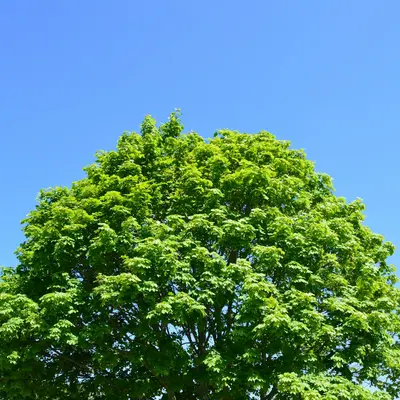
Thornless Honeylocust Skyline
A fast-growing shade tree prized for its graceful, open canopy and delicate compound leaves that cast dappled shade perfect for underplanting. The bright golden-yellow fall color and tolerance to urban conditions make Skyline honeylocust a top choice for street trees and large residential landscapes.
Zone 3 Growing Tips
Plant ornamental trees in Zone 3 during late spring after soil has thawed and dried enough to work, typically from mid-May through early June. This timing allows trees to establish strong root systems before winter, which is crucial for survival in extreme cold. Bare root trees should go in the ground immediately after your last frost date around May 15th, while container trees can be planted through early summer. Always plant at least 12 weeks before your first expected frost in mid-September to ensure adequate establishment time.
Protect newly planted trees from Zone 3's harsh conditions by mulching heavily around the base to insulate roots, but keep mulch away from the trunk to prevent rodent damage. Wrap thin-barked trees like Japanese Maples and young Sugar Maples with tree wrap for their first few winters to prevent sunscald and frost cracking. Water deeply but infrequently during the growing season, and stop fertilizing by mid-July to allow trees to properly harden off before winter. Consider planting on the north or east side of your property where trees will be protected from harsh winter winds and late spring sun that can cause premature budbreak.
Choose your planting location carefully in Zone 3, as microclimates can mean the difference between success and failure. Avoid low-lying areas where cold air settles, and provide wind protection for more tender varieties. Spring-flowering trees like Star Magnolia and Serviceberry should be placed where they'll get morning sun but afternoon shade to help blooms last longer during warm spells. Remember that in Zone 3, it's better to plant a smaller, healthy tree that will establish quickly rather than a large specimen that may struggle to adapt.
Season Overview
Zone 3's short but intense growing season runs from mid-May to mid-September, giving ornamental trees just 120 days to leaf out, grow, bloom, and prepare for winter. Your average last frost around May 15th means that early-blooming trees like Star Magnolia and Eastern Redbud may occasionally suffer frost damage to their flowers, so choose locations with good air drainage and consider later-blooming varieties like Kousa Dogwood. The flip side of this challenging timeline is that Zone 3 trees often produce spectacular fall color due to the dramatic temperature swings and early September frost date, making varieties like Sugar Maple, October Glory Red Maple, and Ginkgo absolutely stunning in autumn landscapes.