Bloodgood Japanese Maple
Acer palmatum 'Bloodgood'
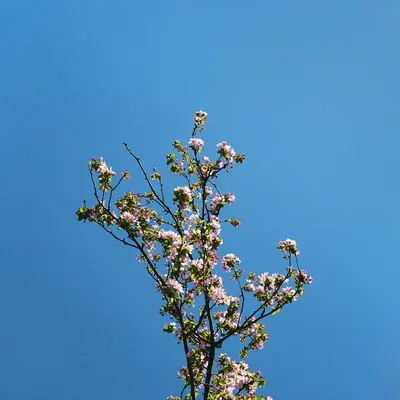
The gold standard among red Japanese maples, 'Bloodgood' maintains its deep burgundy-red foliage throughout the growing season without fading. This reliable cultivar offers stunning fall color that transitions to brilliant crimson, making it the most sought-after ornamental tree for adding dramatic color to landscapes.
Sun
Dappled Sunlight
Zones
5–8
USDA hardiness
Height
15-25 feet
Planting Timeline
Showing dates for Bloodgood Japanese Maple in USDA Zone 7
All Zone 7 ornamental-tree →Zone Map
Click a state to update dates
Bloodgood Japanese Maple · Zones 5–8
Growing Details
Complete Growing Guide
Plant Bloodgood in spring or early fall in a location receiving dappled afternoon shade, as full sun can scorch its delicate foliage in hot climates while deep shade diminishes color intensity. This cultivar prefers consistently moist, well-draining soil rich in organic matter and slightly acidic conditions. Unlike many Japanese maples, Bloodgood demonstrates strong resistance to leaf burn and maintains color stability across diverse growing zones, though it remains susceptible to spider mites during drought stress and anthracnose in overly wet springs. Prune only in late winter while dormant to avoid bleeding sap and encourage a naturally graceful branching structure. A practical strategy is to apply 2-3 inches of mulch in spring to regulate soil moisture and temperature fluctuations, which directly supports consistent deep pigmentation throughout the growing season.
Light: Dappled Sunlight (Shade through upper canopy all day). Soil: High Organic Matter. Drainage: Good Drainage, Moist. Height: 15 ft. 0 in. - 25 ft. 0 in.. Spread: 10 ft. 0 in. - 25 ft. 0 in.. Growth rate: Slow. Maintenance: High. Propagation: Grafting.
Harvesting
Harvesting foliage from 'Bloodgood' Japanese Maple is best timed when leaves reach their deepest burgundy-red color, typically mid-summer through early fall, and feel firm yet supple to the touch rather than papery or brittle. Select branches showing the most intense crimson coloration, as these contain the highest concentration of anthocyanins that make this cultivar prized for arrangements. Employ continuous harvesting by removing individual stems throughout the season rather than stripping entire branches, which maintains tree health and encourages fuller regrowth. A critical timing tip: harvest in early morning after dew has dried but before afternoon heat, as this preserves moisture in the delicate foliage and extends vase life significantly. Never harvest more than one-third of the canopy in a single season to avoid stress.
A schizocarp of two samaras, wings incurved forming an arch, becoming reddish.
Color: Brown/Copper, Red/Burgundy. Type: Samara, Schizocarp.
Harvest time: Fall
Storage & Preservation
Bloodgood Japanese Maple is an ornamental tree, not a harvested crop, so traditional storage doesn't apply. However, if you've pruned branches for arrangements, keep them in cool water (50-65°F) in a shaded location; they last 1-2 weeks. For long-term tree preservation, focus on proper growing conditions: store seeds (if collected) in cool, dry conditions (35-45°F, low humidity). To preserve the tree itself, practice seasonal care: mulch in fall to protect roots, prune dead/diseased wood in winter, and apply dormant oil spray in early spring to prevent pest damage and maintain tree health.
History & Origin
The 'Bloodgood' Japanese maple emerged in Japan during the mid-20th century as a selected cultivar of Acer palmatum, though precise documentation of its breeder and introduction date remains unclear in Western horticultural records. The variety represents part of a broader Japanese ornamental breeding tradition dating back centuries, where maple cultivars were carefully selected for superior foliage color retention. 'Bloodgood' became commercially established in North America and Europe by the 1960s-1970s, where it gained prominence among nurseries and landscape designers seeking reliable red maples that maintained color throughout summer rather than fading to green. Its consistent performance and dramatic coloring quickly established it as the preferred standard for red Japanese maple cultivation in Western gardens.
Origin: Asia: Japan, China, Korea, eastern Mongolia, southeastern Russia
Advantages
- +Maintains deep burgundy-red foliage reliably throughout the entire growing season
- +Transitions to brilliant crimson in fall, providing exceptional seasonal color
- +Considered the gold standard cultivar among red Japanese maples
- +Moderate difficulty makes it accessible for most gardeners
Considerations
- -Susceptible to verticillium wilt and anthracnose fungal diseases
- -Develops leaf scorch and color fading in hot climates
- -Vulnerable to aphids, scale insects, and Japanese beetle damage
Companion Plants
In our zone 7 Georgia gardens, the best companions for Bloodgood Japanese Maple are shade-tolerant understory plants that won't muscle in on water — Hosta, Astilbe, Japanese Painted Fern, and Coral Bells all stay shallow-rooted and fill the ground plane without crowding the maple's root zone, and they share the same preference for acidic soil around pH 5.5–6.5. Keep Black Walnut at least 50 feet off; it produces juglone, a compound that disrupts root respiration in many woody ornamentals and has been documented killing Acer palmatum outright. Large conifers are a different problem — less about chemistry, more about scale: a mature Eastern white pine or similar species will shade out a 15-foot maple and pull the surrounding soil dry within a decade.
Plant Together
Hosta
Thrives in partial shade beneath maple canopy, complementary foliage textures
Astilbe
Enjoys similar moisture conditions and partial shade, adds spring color
Ferns
Natural woodland companions that thrive in filtered light and acidic soil
Coral Bells
Shade tolerant perennial with colorful foliage that echoes maple's red tones
Azalea
Shares preference for acidic, well-draining soil and partial shade
Caladium
Colorful shade-loving annual that complements maple's ornamental qualities
Japanese Painted Fern
Asian garden companion with silvery foliage that contrasts beautifully
Impatiens
Shade-tolerant annual that provides continuous color under maple canopy
Keep Apart
Black Walnut
Produces juglone toxin that can damage maple roots and overall health
Large Conifers
Compete for water and nutrients, can create too much shade and acidify soil
Eucalyptus
Allelopathic properties inhibit growth of nearby plants including maples
Pests & Disease Resistance
Resistance
Good resistance to common maple diseases when properly sited
Common Pests
Aphids, scale insects, Japanese beetles
Diseases
Verticillium wilt, anthracnose, leaf scorch in hot climates
Troubleshooting Bloodgood Japanese Maple
What you'll see, why it happens, and what to do about it.
Leaf margins turning brown and crispy by midsummer, even with regular watering
Likely Causes
- Leaf scorch — hot afternoon sun combined with low humidity stressing the leaf tissue
- Inconsistent soil moisture, especially during stretches above 90°F
What to Do
- 1.Relocate young trees (if still moveable) to a spot that gets shade from roughly 1 p.m. onward
- 2.Mulch the root zone 3–4 inches deep with shredded hardwood to hold soil moisture and lower ground temperature
- 3.Water deeply twice a week rather than lightly every day — you want moisture 6–8 inches down, not just surface damp
Branches wilting and dying back one at a time, wood showing olive-green or brown streaking when you cut into it
Likely Causes
- Verticillium wilt (Verticillium dahliae) — a soil-borne fungus that colonizes the vascular tissue and blocks water movement
- Planting in a bed that previously grew susceptible crops like tomatoes, strawberries, or eggplant
What to Do
- 1.Prune out affected branches at least 6 inches below where the streaking stops; sterilize your pruners with 70% isopropyl alcohol between cuts
- 2.There's no cure once the tree is infected — focus on keeping it otherwise healthy (consistent water, no fertilizer spikes) to slow progression
- 3.Don't replant another Acer or susceptible ornamental in that same soil without amending heavily or waiting several years
Sticky residue on leaves and branches, tiny soft-bodied clusters visible on new growth tips in spring
Likely Causes
- Aphid infestation (commonly Periphyllus lyropictus, the Norway maple aphid, or related species on Acer palmatum)
- Ants farming the aphid colonies and actively protecting them from natural predators like lacewings and ladybeetles
What to Do
- 1.Knock aphids off with a firm stream of water from the hose — do this in the morning so foliage dries before evening
- 2.For heavy infestations, apply insecticidal soap at label rate (usually 2–3 tablespoons per gallon) directly to the colonies; repeat every 5–7 days for 2–3 applications
- 3.Check for ant trails up the trunk — wrapping it with a tanglefoot-coated band breaks the ant-aphid cycle and lets predators do their job