Zone 5 Coverage
Planting Timeline — All Varieties
Growing Grasses & Bamboo in Zone 5
Zone 5's moderate climate creates excellent conditions for both cool-season and select warm-season grasses, though winter hardiness is your primary consideration. With winter lows reaching -10 to -20°F, you'll want to focus on varieties that can handle serious cold while still providing the aesthetic appeal or lawn function you're after. The good news is that Zone 5's relatively long growing season gives you flexibility in timing, and the consistent moisture patterns in most Zone 5 regions support healthy grass establishment.
When selecting grasses for Zone 5, prioritize cold hardiness first, then consider your specific needs—whether that's a low-maintenance lawn, erosion control, or ornamental interest. Cool-season grasses like Fine Fescue and Kentucky Bluegrass are your reliable workhorses, while hardy ornamentals like Little Bluestem and Northern Sea Oats add texture and winter interest. Some warm-season varieties can work in protected locations or as annuals, but your backbone plantings should be tried-and-true cold-hardy selections that will return reliably each spring.
Variety Comparison
| Variety ↑ | Days | Difficulty |
|---|---|---|
| Annual Ryegrass | 50-70 | Very easy |
| Black Tip Wheat | 75-80 | Moderate |
| Blue Fescue | — | Easy |
| Eco-Lawn Mix | — | Easy |
| Feathertop | 100-120 | Moderate |
| Fine Fescue | — | Easy |
| Fountain Grass | — | Easy |
| Frosted Explosion | 84-112 | Moderate |
| Greater Quaking Grass | 90-110 | Moderate |
| Green Drops | 65-75 | Moderate |
| Hare's Tail Grass | 90-110 | Moderate |
| Highlander | 60-70 | Moderate |
| Japanese Forest Grass | — | Moderate |
| Japanese Sedge | — | Easy |
| Kentucky Bluegrass | — | Moderate |
| Lime Light Spray Millet | 70-80 | Moderate |
| Little Bluestem | — | Easy |
| Lowlander | 60-70 | Moderate |
| Maiden Grass | — | Easy |
| Monkey Grass | — | Very easy |
| Northern Sea Oats | — | Easy |
| Ornamental Blue Oat Grass | — | Easy |
| Perennial Ryegrass | — | Easy |
| Purple Majesty | 120 | Moderate |
| Purple Top Timothy | 60-90 | Easy |
Variety Details
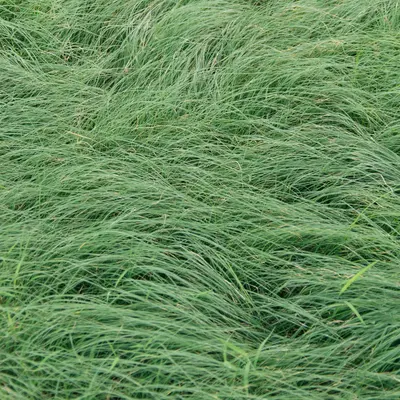
Annual Ryegrass
Ryegrass is a great nitrogen scavenger and can assimilate as much as 200 lb./acre/year of nitrogen. Most of that nitrogen then becomes available to subsequent crops, thus saving on fertilizer input. Annual ryegrass is a very competitive winter annual, with good seedling vigor, fast germination (with adequate moisture) and rapid establishment. Annual ryegrass is a bunch grass, yellowish-green at the base, with long glossy green leaves up to 12" each. It will overwinter in certain years. When used as a cover crop, annual ryegrass is killed in the spring before it reaches seed formation stage. Sow from early spring through late summer. As winter cover, ryegrass will winter kill, but still help protect the soil. Sow, then rake to lightly cover.
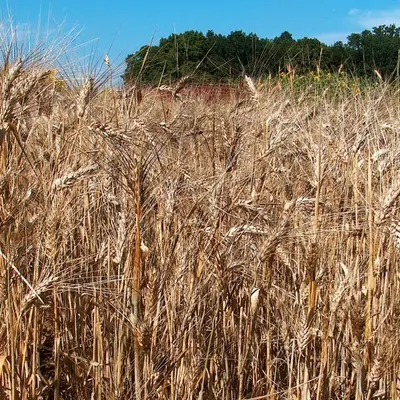
Black Tip Wheat
Very fancy white glumes (kernels) offset by long black awns. Easy textural element for fresh and dried bouquets. Also known as durum wheat.
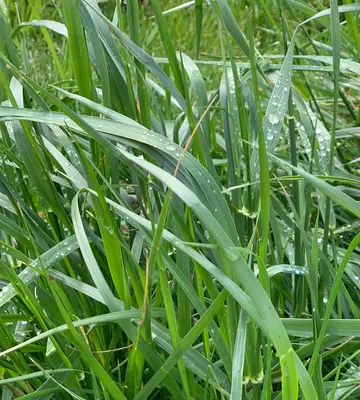
Blue Fescue
A compact ornamental grass that forms perfect blue-silver tufts, adding cool-toned color and fine texture to rock gardens, borders, and contemporary landscapes. This drought-tolerant Mediterranean native maintains its striking blue color year-round and produces delicate flower spikes that add movement and interest to the garden.

Eco-Lawn Mix
A revolutionary low-maintenance grass blend designed for eco-conscious homeowners who want a beautiful lawn with minimal inputs. This specially selected fine fescue mix requires little to no watering once established, grows slowly to reduce mowing frequency, and naturally resists weeds and diseases. Perfect for sustainable landscaping and areas where traditional lawn care is impractical or undesirable.
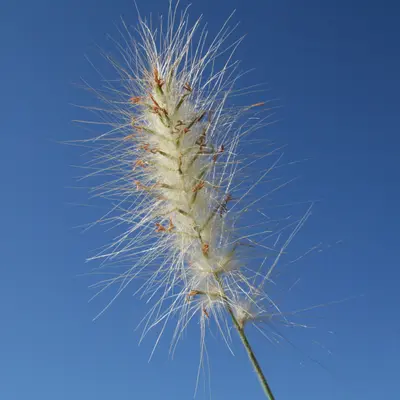
Feathertop
Masses of white, woolly, nodding, 6" plumes on graceful plants forming 12" clumps. Showy accent in any landscape. Tender perennial in Zones 9-10, but grow as hardy annual.
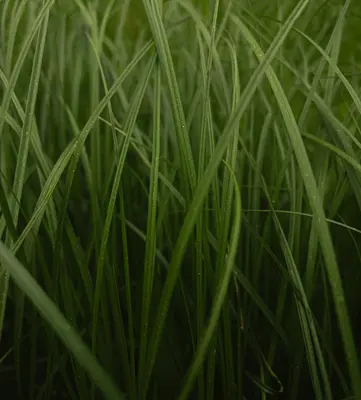
Fine Fescue
The shade champion among cool-season grasses, offering delicate, needle-like blades that create an elegant, low-maintenance lawn in challenging conditions where other grasses struggle. This drought-tolerant grass naturally resists most diseases and requires minimal fertilization, making it perfect for naturalized areas and eco-friendly landscapes. Its soft texture and ability to thrive in poor soils make it an excellent choice for low-input, sustainable lawns.
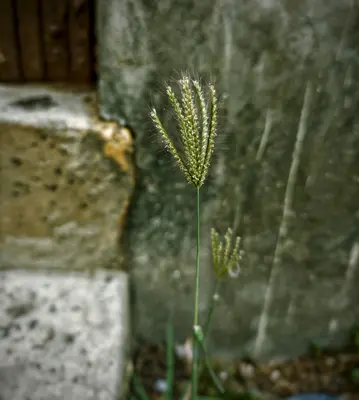
Fountain Grass
A stunning ornamental grass that creates dramatic focal points with its arching foliage and distinctive bottlebrush plumes that dance in the breeze. This low-maintenance perennial grass offers four seasons of interest, turning golden-tan in fall and providing winter structure before fresh green growth emerges in spring.
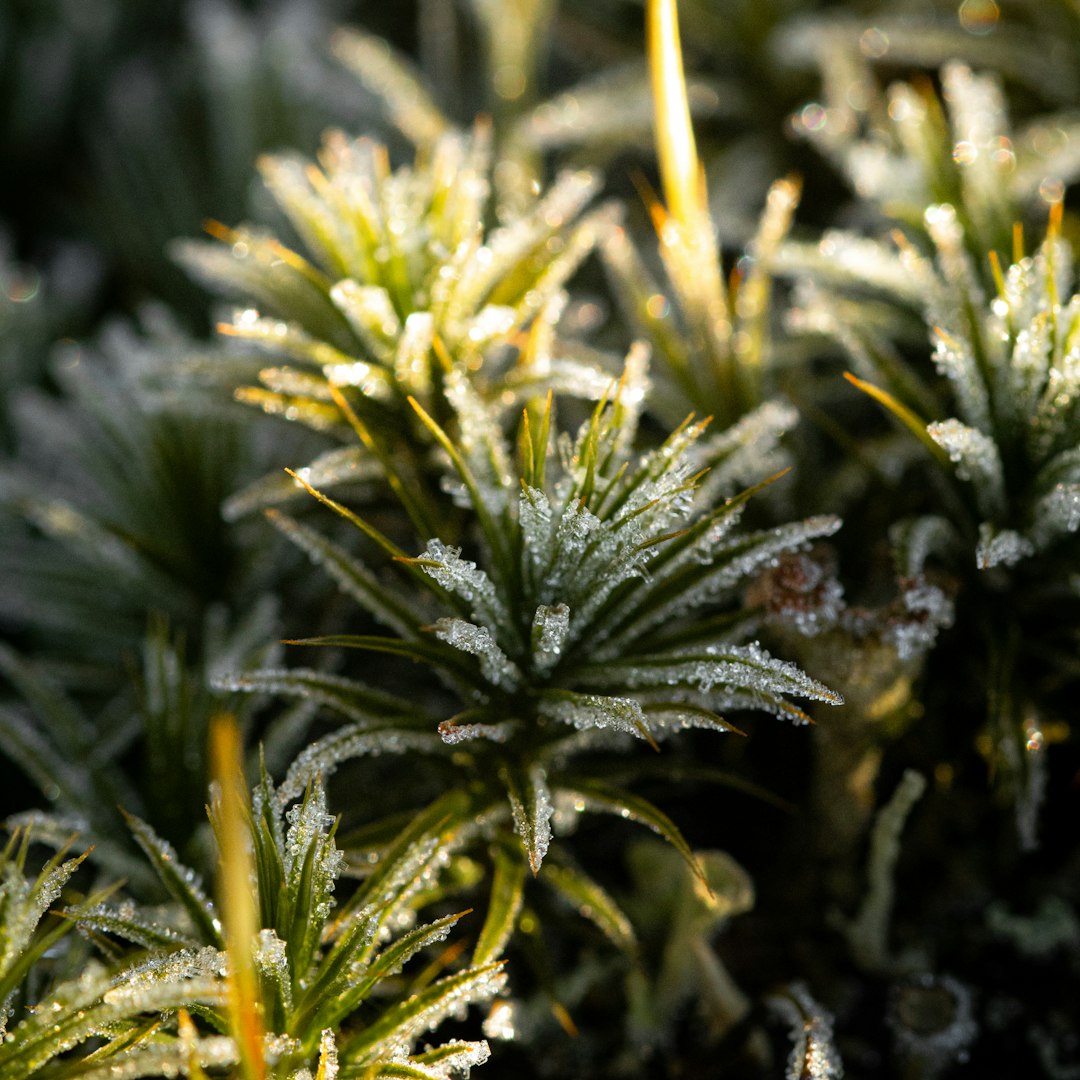
Frosted Explosion
The airy flower plumes add sparkle to bouquets and landscapes. A productive filler for bouquets, and a carefree bedding plant. For cut-flower production, keep harvested for second and subsequent flushes of stems.
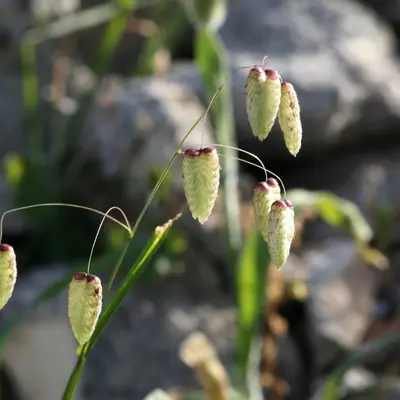
Greater Quaking Grass
1/2-1" long seedheads turn from light green to a beautiful, golden straw color when dried or left on the plants. Stems of these nodding, dancing beauties are a must-have for adding bits of sparkle and detail to design work. Productive plants produce abundant 12-20" long stems useful for fresh or dried cut flowers. The thin stems of this clump-forming grass are best suited for design work and not recommended for when something sturdy is needed. Beautiful addition to containers or garden beds. Might self-sow if seedheads are left on the plants. Tolerant to dry growing conditions once established. Also commonly known as big quaking grass, rattlesnake grass, and large quaking grass.
Green Drops
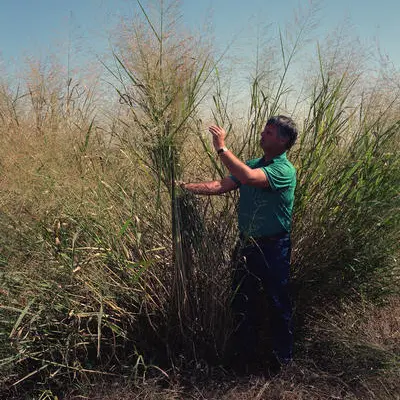
Stems can be harvested early when bead-like tassels are sparkling bright green. Or for a more autumnal look, harvest a bit later when seed heads have developed hues of purple and gold, and a deeper, graceful arch. Uniform plants can be used fresh or dried. Plumes are approx. 4-7" long, depending on stage of harvest. Similar in appearance to broom corn, but the plants are faster growing, and the plant height and habit are much more manageable.
Hare's Tail Grass
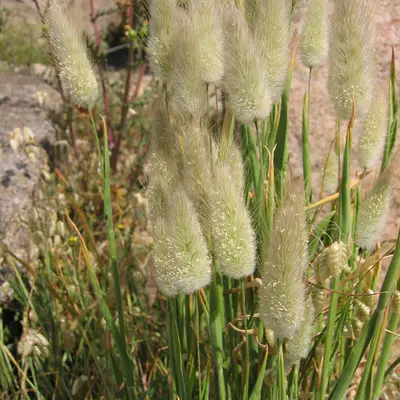
Charming, annual ornamental grass grown for its fuzzy, "bunny tail" blooms. 1 1/2-2" long oval, woolly blooms resemble a rabbit's tail. Flowers sit well above a clump of compact, light green grass. Very easy to dry. Holds well when dried; accepts dye readily. Developing flower heads are light green, maturing creamy white to soft wheat in color. Also known as bunny tail grass and rabbit tail grass.
Highlander
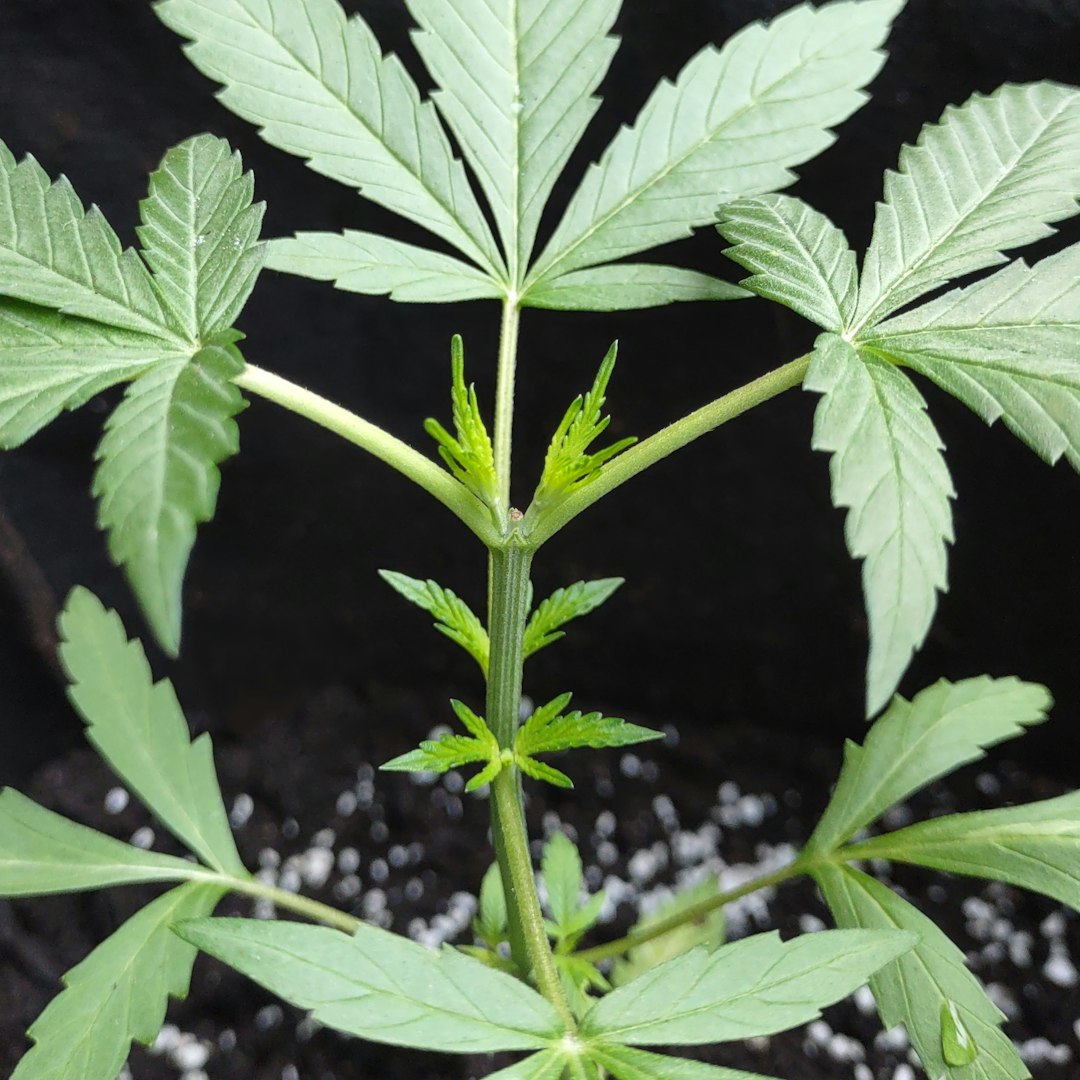
3-6" pendulous heads give tapestry-like effect to arrangements.
Japanese Forest Grass
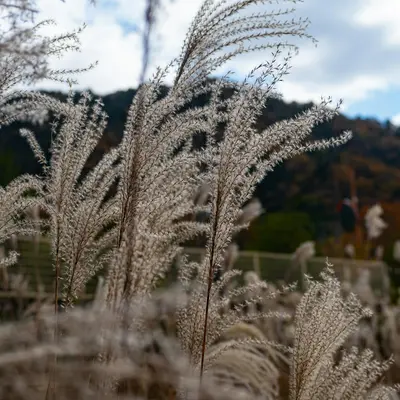
An exquisite shade-loving ornamental grass with cascading golden-yellow leaves striped with green that brings luminous color to dark garden corners. This graceful Japanese native moves beautifully in the slightest breeze and turns bronze-pink in fall, making it one of the most sought-after ornamental grasses for shade gardens.
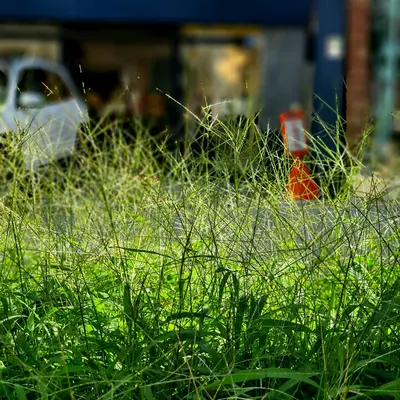
Japanese Sedge
An elegant evergreen sedge with distinctive cream-edged leaves that brightens shady areas year-round. This low-maintenance groundcover forms neat clumps and tolerates both wet and dry conditions, making it incredibly versatile for problem areas.
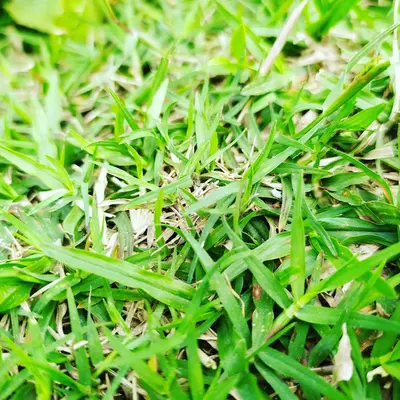
Kentucky Bluegrass
The quintessential cool-season lawn grass that creates the classic American lawn with its rich blue-green color and soft, dense texture. Self-repairing through underground rhizomes, it forms a luxurious carpet that feels wonderful underfoot and maintains its beauty through spring and fall. This premium grass is the gold standard for northern lawns where its cold tolerance and lush appearance make it unmatched.
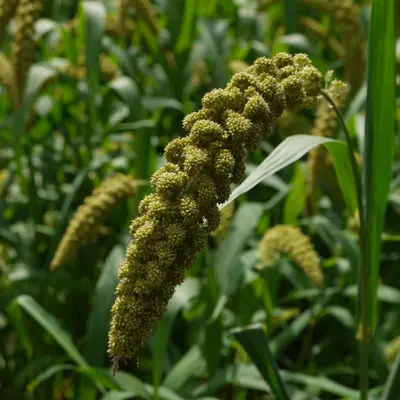
Lime Light Spray Millet
The vibrant lime color is enough to make this variety a keeper but it is also fantastically uniform in height, bloom size and bloom time. The stand is lush and self-supporting, remaining upright.

Little Bluestem
A native prairie grass that transforms from blue-green summer foliage to brilliant orange-red fall color. This adaptable bunch grass is perfect for naturalized areas and provides four-season interest with fluffy white seed heads that persist through winter.
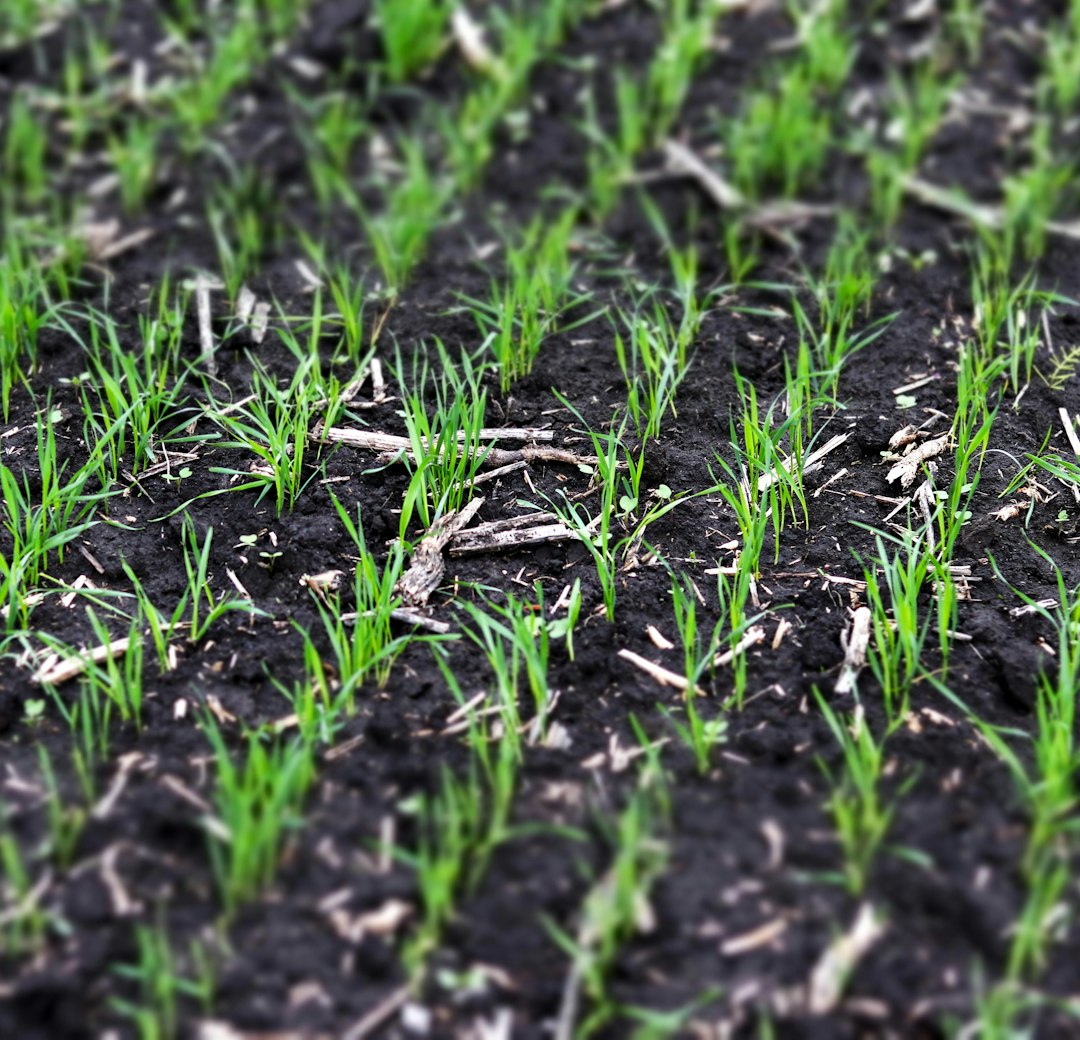
Lowlander
Easy cut-flower grass that is useful both fresh and dried. Soft, 3-6" pendulous heads.
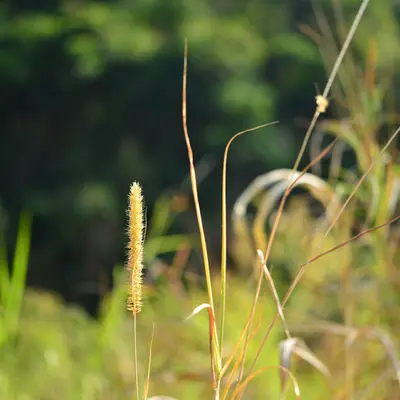
Maiden Grass
An elegant ornamental grass that creates stunning focal points with its graceful, fountain-like form and silvery plumes that catch the light beautifully. This refined cultivar features narrow, arching leaves with a distinctive white midrib that adds year-round interest to the landscape. Maiden grass provides four-season beauty, from fresh spring growth to gorgeous fall color and winter structure.
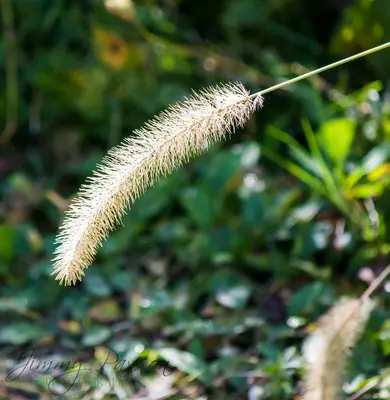
Monkey Grass
A versatile evergreen perennial that forms neat clumps of arching, grass-like foliage topped with spikes of purple or white flowers. Despite its common name, this isn't a true grass but provides similar landscaping benefits with superior drought tolerance and shade performance. Monkey grass is the go-to choice for low-maintenance borders, groundcover, and problem areas where other plants struggle.
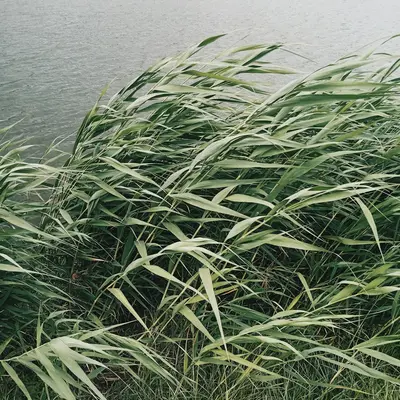
Northern Sea Oats
A graceful native grass prized for its distinctive flat, oat-like seed heads that rustle beautifully in the wind. Excellent for naturalizing and providing movement in the garden, this adaptable grass thrives in both sun and shade with stunning fall color.
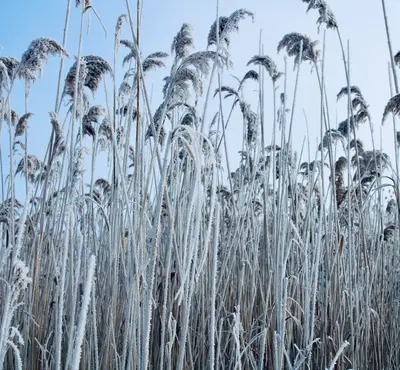
Ornamental Blue Oat Grass
A stunning ornamental grass that forms perfect blue-gray clumps with graceful arching foliage. This drought-tolerant perennial produces delicate oat-like seed heads that dance in the breeze, making it a favorite for modern landscape design and xeriscaping.
Perennial Ryegrass
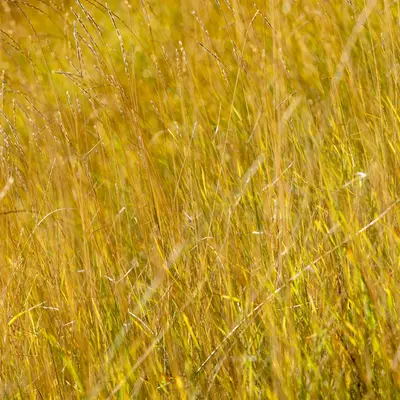
A fast-establishing, cool-season grass that's perfect for high-traffic areas and quick lawn repairs. Known for its rapid germination and excellent wear tolerance, making it ideal for sports fields and family lawns. Its fine texture and bright green color provide an attractive lawn that can handle kids and pets.
Purple Majesty
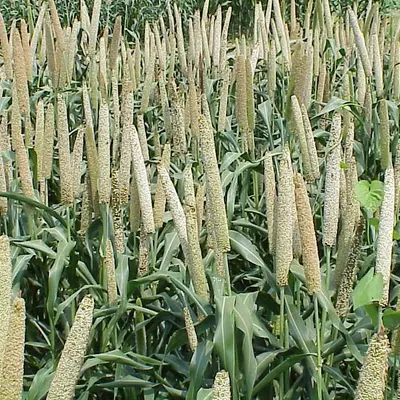
Add architecture and color to floral arrangements or containers. Deep purple foliage, stems, and cattail-like spikes. 1-3 main stems and 12-14" secondary plumes. Suited to 4" pots up to gallon containers. Also known as pearl millet. FleuroSelect Gold Award Winner. AAS Winner.
Purple Top Timothy
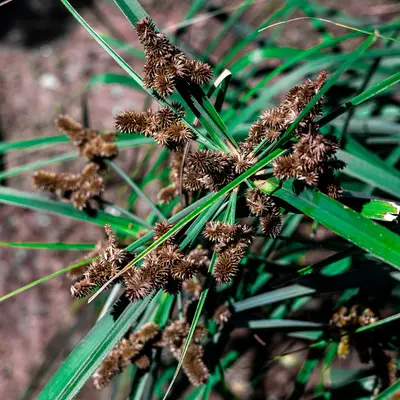
A premium cool-season grass variety prized for its distinctive purple-tinged seed heads and excellent performance in northern climates. This hardy perennial forms dense, uniform stands that provide excellent ground cover and erosion control. Timothy grass is beloved by wildlife and creates a naturalistic meadow appearance that's perfect for eco-friendly landscaping.
Savannah Grass
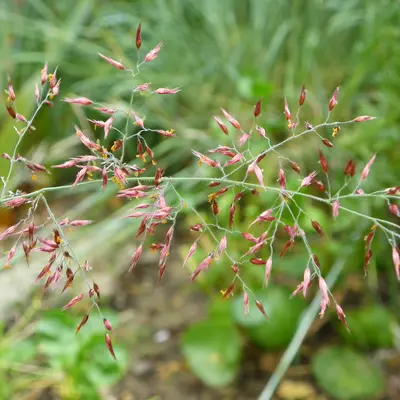
This late-season grass is the perfect color for late summer and fall arrangements, containers, and garden beds. 3-6" long, gracefully arched, rose gold to dusty rose plumes can be used as fresh or dried cut flowers. Panicles lighten in color when dried but maintain a rosy hue. 18-24" stems float above the compact, mounded grass clumps, making them easy to pluck from the plants. The thin stems are best suited for design work and are not recommended for when something sturdy is needed. Very attractive in the garden or in containers with sage-green, compact plants and rosy, sparkling plumes that dance in the light. Tender perennial in Zones 9-10, but typically grown as an annual. Also known as ruby grass, pink bubble grass, mountain red top, bristle-leaved red top.
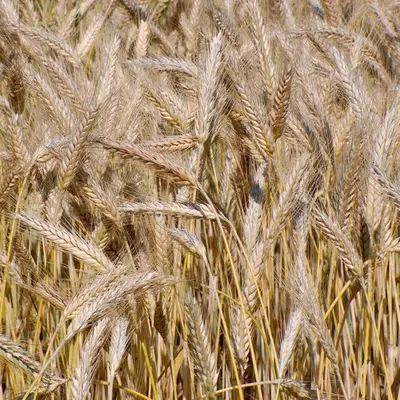
Silver Tip
Green-to-white glumes and awns. 4" heads (not counting the awns). Easy textural element for fresh and dried bouquets. Vigorous wheat/rye cross.
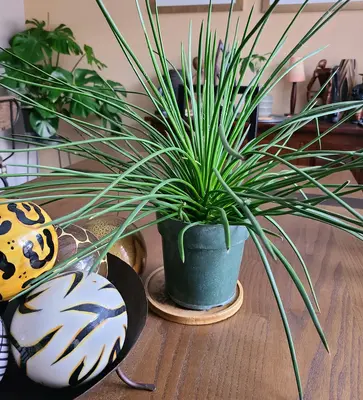
Zebra Grass
A show-stopping ornamental grass famous for its distinctive horizontal yellow bands that create a striking zebra-like pattern across the green foliage. This eye-catching variety forms large, dramatic clumps that serve as living sculptures in the landscape, topped with feathery copper-colored plumes in fall. Zebra grass is perfect for gardeners who want to make a bold statement while enjoying easy-care, drought-tolerant beauty.
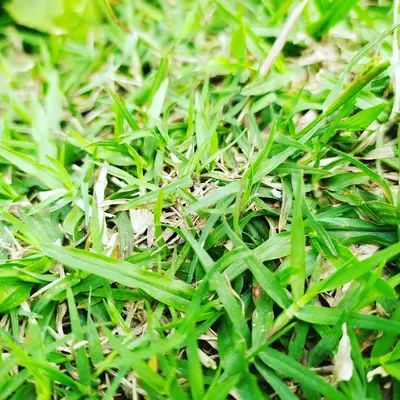
Zoysia Grass
An elegant warm-season grass that creates one of the most beautiful and low-maintenance lawns possible, with a dense, carpet-like texture that crowds out weeds naturally. Once established, this slow-growing grass requires minimal watering and fertilizing while providing excellent heat and drought tolerance. Its fine texture and rich green color make it a premium choice for homeowners wanting a gorgeous lawn with less work.
Zone 5 Growing Tips
For cool-season grasses in Zone 5, early fall planting (late August through mid-September) gives the best establishment before winter, allowing 6-8 weeks of root development before your first frost around October 5th. Spring planting is your second choice—get cool-season varieties in the ground by mid-April, well before your last frost date of April 30th, so they can establish before summer heat stress hits. Warm-season grasses need soil temperatures consistently above 60°F, so wait until mid to late May for planting.
Zone 5's clay-heavy soils in many regions can be both blessing and curse for grass growing. While they retain moisture well during dry spells, they can become waterlogged during spring thaw and fall rains. Improve drainage by working in compost before seeding, and consider raised planting areas for ornamental grasses that prefer better drainage. Your 155-day growing season gives you time to overseed thin areas in both spring and fall, but fall seeding generally produces better results with fewer weeds competing for space.
Season Overview
Your growing season from early May through early October provides ample time for grass establishment, but plan around the shoulder seasons when growth slows. Cool-season grasses will have their strongest growth periods in May-June and September-October when temperatures are moderate, while struggling during July-August heat. This makes September the ideal month for major lawn renovations or new ornamental grass plantings, giving them maximum establishment time before winter dormancy sets in around mid to late October.