Lowlander
Setaria italica
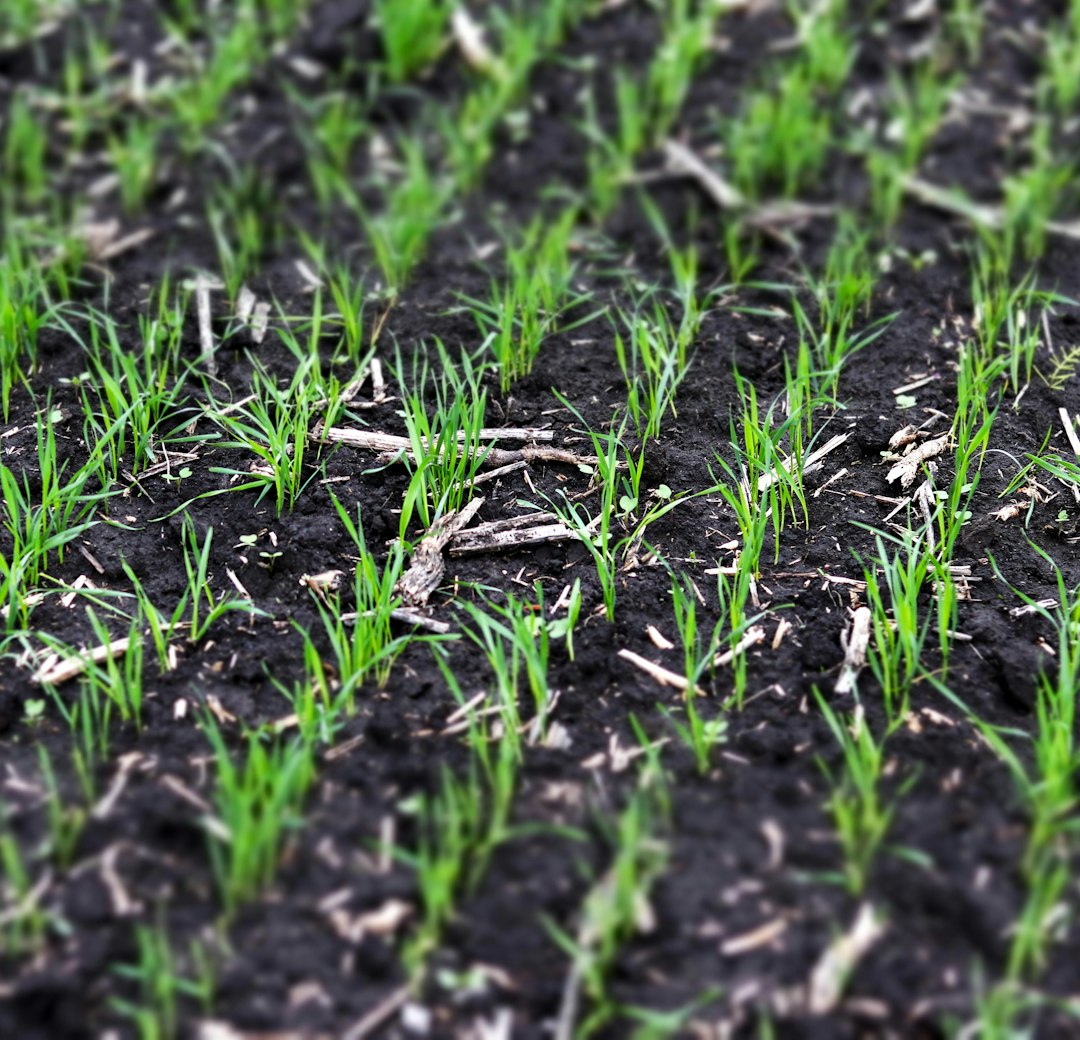
Easy cut-flower grass that is useful both fresh and dried. Soft, 3-6" pendulous heads.
Harvest
60-70d
Days to harvest
Sun
Full sun
Zones
11–11
USDA hardiness
Height
5 feet
Planting Timeline
Showing dates for Lowlander in USDA Zone 7
All Zone 7 grass →Zone Map
Click a state to update dates
Lowlander · Zones 11–11
Growing Details
Succession Planting
Lowlander is a warm-season annual grain that produces one seed head per stalk — once you harvest at 60–70 days, that plant is done. Succession planting makes sense if you want a spread-out harvest window or want to ensure at least one sowing hits ideal conditions. Direct sow every 3 weeks from when soil reaches 60°F through early June; stop there or you risk grain fill landing in peak heat above 90°F, which tanks seed set.
In zone 7, that gives you roughly two to three sowing rounds — a March or April start, a second in May, and a possible third in early June if your summers run late. Don't push past that. A sowing that germinates in June will spend its grain-fill weeks in August, and you'll get thin, disappointing heads for the effort.
Complete Growing Guide
Growing Lowlander (Setaria italica) grass. Light: Full sun. Hardy in USDA zones 1 to 11. Days to maturity: 60. Difficulty: Moderate.
Harvesting
Lowlander reaches harvest at 60 - 70 days from sowing per Johnny's Selected Seeds. Expect 3-6" at peak. As an annual, harvest continues until frost ends the season.
This is an ornamental variety — not grown for harvest. Enjoy in the garden landscape.
Storage & Preservation
Fresh-cut Lowlander stems last longest in a cool location (60-65°F) away from ripening fruit and direct heat sources. Condition stems by recutting at a 45-degree angle and standing them in room-temperature water with floral preservative for 2-3 hours before arranging. Change water every 2-3 days and remove any foliage below the waterline to prevent bacterial growth. Properly maintained arrangements last 7-10 days.
For drying, hang-dry bundles in a warm (70-75°F), dark, well-ventilated space like an attic, garage, or dedicated drying closet. Adequate air circulation prevents mold. Allow 2-3 weeks for complete drying. Once fully cured, store bundles upright or flat in cardboard boxes lined with acid-free tissue paper in a dry, dark location. Protect from humidity and pests. Properly dried Lowlander plumes remain beautiful and usable for 2-3 years or longer when protected from moisture.
History & Origin
Lowlander is open-pollinated, meaning seed saved from healthy plants will produce true-to-type offspring. Listed in the Johnny's Selected Seeds catalog.
Foxtail millet, scientific name Setaria italica, is an annual grass grown for human food. It is the second-most widely planted species of millet and the most grown millet species in Asia. The oldest evidence of foxtail millet cultivation was found along the ancient course of the Yellow River in Cishan, China, carbon dated to be from around 8,000 years before present.
Advantages
- +Soft pendulous heads create elegant, delicate arrangements for florists
- +Versatile for both fresh and dried flower arrangements
- +Moderate 60-70 day growing cycle allows multiple successions
- +Low maintenance crop requires minimal pest or disease management
Considerations
- -Moderate difficulty rating suggests inconsistent germination or establishment challenges
- -Pendulous heads prone to shattering during harvest or handling
- -Limited commercial demand compared to other specialty cut flowers
Companion Plants
White clover, chamomile, and yarrow earn their spots around Lowlander primarily as ground-level support: they fix or accumulate nutrients, attract parasitic wasps and other predatory insects, and keep bare soil covered without competing at the root depth a 5-foot grain grass needs. Dandelion and plantain do similar work through a different mechanism — deep taproots that pull up minerals and deposit them at the surface when the plants die back, which helps a crop that can exhaust lighter soils by day 50 or so. Wild strawberry and thyme fill the edges and pull in pollinators during flowering, which matters more for Setaria seed set than most growers expect.
Black walnut is the serious problem. Juglone — the allelopathic compound released by walnut roots, hulls, and leaf litter — suppresses grasses reliably, and an established black walnut can make a 50-foot radius genuinely difficult for Lowlander to perform in. Wild garlic competes hard for moisture at exactly the shallow-to-mid soil depth where Lowlander's fibrous roots are doing most of their work, and that moisture competition lands at the worst possible time: grain fill, when the plant can't afford to share.
Plant Together
White Clover
Fixes nitrogen in soil, creating natural fertilizer for grass growth
Chamomile
Improves soil health and may enhance grass root development
Yarrow
Deep roots bring nutrients to surface, benefiting shallow grass roots
Dandelion
Aerates compacted soil with taproot, improves drainage for grass
Plantain
Tolerates foot traffic well, complements grass in high-use areas
Red Fescue
Compatible grass species that creates diverse, resilient lawn mixture
Wild Strawberry
Low-growing groundcover that doesn't compete with grass height
Thyme
Drought-tolerant herb that can fill gaps without overwhelming grass
Keep Apart
Black Walnut
Releases juglone toxin that inhibits grass growth and causes yellowing
Allegheny Spurge
Aggressive spreader that outcompetes grass for space and nutrients
Wild Garlic
Bulbs multiply rapidly and create patchy areas that crowd out grass
Pests & Disease Resistance
Diseases
Fungal issues (powdery mildew, rust) in humid, poorly ventilated conditions
Troubleshooting Lowlander
What you'll see, why it happens, and what to do about it.
White powdery coating on leaves and stems, usually appearing mid-season when plants are dense
Likely Causes
- Powdery mildew (Blumeria graminis or related species) — thrives in humid air with poor circulation
- Crowded spacing under 12 inches that traps moisture between stalks
What to Do
- 1.Thin plants to at least 12 inches apart so air can move through
- 2.Remove and trash (don't compost) the worst-affected leaves
- 3.Apply a dilute baking soda spray (1 tablespoon per gallon of water) as a low-cost suppression measure — it won't cure an advanced case, but it slows spread
Orange or reddish-brown pustules on leaf undersides, often appearing in streaks along the blade
Likely Causes
- Crown rust or stem rust (Puccinia species) — common on Setaria in warm, wet stretches
- Overhead irrigation that keeps foliage wet for more than a few hours at a time
What to Do
- 1.Switch to drip or base-level watering to keep leaves dry
- 2.Pull and destroy infected plants — rust spreads fast and doesn't respond well to home remedies once established
- 3.Rotate the bed out of grasses for at least one full season before replanting
Seedlings emerging spindly and pale, then collapsing at the soil line within the first 14 days
Likely Causes
- Damping-off (Pythium or Rhizoctonia species) — triggered by soil that is too wet and too cold at germination
- Direct sowing into soil below 60°F, which stretches germination past the 14-day window and invites pathogen pressure
What to Do
- 1.Wait until soil temperature is at least 60°F — ideally 65°F — before sowing
- 2.Improve drainage in the bed; Lowlander needs consistent moisture but not standing water
- 3.Thin to 12–18 inches early; packed seedlings create the humid microclimate damping-off needs to take hold
Plants reach 3–4 feet but produce sparse, poorly filled seed heads at harvest
Likely Causes
- Inconsistent watering during the 2–3 weeks of pollination and grain fill — Lowlander is a high-water crop at this stage
- Planting too late so grain fill hits sustained heat above 90°F
- Nitrogen depletion in light soils by mid-season
What to Do
- 1.Water deeply (at least 1 inch per week) once the seed head begins to emerge — don't let the bed go dry at this stage
- 2.Side-dress with finished compost or a light application of 10-10-10 fertilizer around day 35 after germination
- 3.Time your direct sow so the 60–70 day harvest window closes before peak summer heat arrives
Frequently Asked Questions
How long does Lowlander grass take to flower from seed?▼
Can you grow Lowlander grass in containers?▼
Is Lowlander grass good for beginners?▼
When should I plant Lowlander grass?▼
How do you dry Lowlander grass for dried arrangements?▼
What space should I leave between Lowlander plants?▼
Zone-by-Zone Planting Calendar
| Zone | Indoor Start | Transplant | Direct Sow | Harvest |
|---|---|---|---|---|
| Zone 3 | — | June – August | May – July | — |
| Zone 4 | — | June – July | April – June | — |
| Zone 5 | — | May – July | April – June | — |
| Zone 6 | — | May – July | April – June | — |
| Zone 7 | — | May – June | March – May | — |
| Zone 8 | — | April – June | March – May | — |
| Zone 9 | — | March – May | February – April | — |
| Zone 10 | — | March – April | January – March | — |
| Zone 11 | — | February – March | January – February | — |
Growing Guides from Wind River Greens
Sources & References
External authority sources used in compiling this guide.
- BreederJohnny's Selected Seeds
See the Methodology page for how this data is sourced, what's AI-assisted, and known limitations.