Zone 10 Coverage
Planting Timeline — All Varieties
Growing Grasses & Bamboo in Zone 10
Zone 10 is a grass lover's paradise, offering year-round growing conditions that most gardeners can only dream of. With minimal frost risk and temperatures rarely dropping below 30°F, you have the luxury of establishing both warm-season and cool-season grasses, though warm-season varieties will be your workhorses. The challenge isn't cold survival—it's managing intense heat, humidity, and potential salt exposure if you're near the coast, plus dealing with heavy summer rains that can stress some grass types.
The key to success in Zone 10 is choosing varieties that can handle extreme heat while still looking lush during your brief 'winter' months from December through February. Heat-tolerant grasses like Bermuda, St. Augustine, and Zoysia thrive here, while ornamental options like Pampas Grass and Fountain Grass add dramatic texture without the maintenance headaches. Your variety selection should prioritize drought tolerance, heat resistance, and the ability to recover quickly from summer stress, since even the most resilient grasses can struggle during peak summer months when temperatures soar above 90°F for weeks on end.
Variety Comparison
| Variety ↑ | Days | Difficulty |
|---|---|---|
| Bahia Grass | — | Easy |
| Bermuda Grass | — | Easy |
| Black Tip Wheat | 75-80 | Moderate |
| Carpetgrass | — | Easy |
| Centipede Grass | — | Easy |
| Feathertop | 100-120 | Moderate |
| Frosted Explosion | 84-112 | Moderate |
| Greater Quaking Grass | 90-110 | Moderate |
| Green Drops | 65-75 | Moderate |
| Hare's Tail Grass | 90-110 | Moderate |
| Highlander | 60-70 | Moderate |
| Lime Light Spray Millet | 70-80 | Moderate |
| Lowlander | 60-70 | Moderate |
| Monkey Grass | — | Very easy |
| Pampas Grass | — | Easy |
| Purple Fountain Grass | — | Easy |
| Purple Majesty | 120 | Moderate |
| Savannah Grass | 100-120 | Moderate |
| Seashore Paspalum | — | Moderate to difficult |
| Silver Tip | 60-75 | Moderate |
| St. Augustine Grass | — | Easy to moderate |
| Zoysia Grass | — | Easy once established |
Variety Details
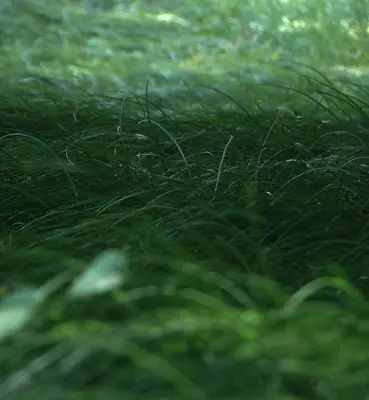
Bahia Grass
A tough, drought-tolerant grass that thrives in sandy soils and hot climates where other grasses struggle. Originally from South America, Bahia grass forms a dense, low-maintenance lawn that can handle heavy foot traffic and extended dry periods. Its deep root system makes it excellent for erosion control and sustainable landscaping in challenging conditions.
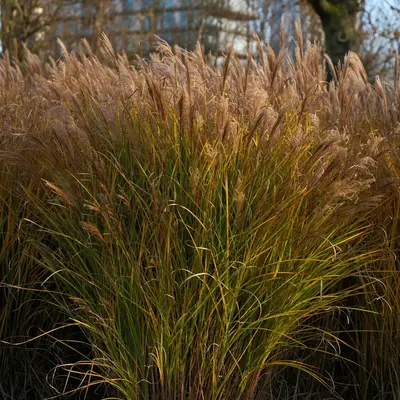
Bermuda Grass
A warm-season perennial grass prized for its exceptional drought tolerance and ability to create a dense, durable lawn that withstands heavy foot traffic. This aggressive spreader quickly fills in bare spots and recovers rapidly from damage, making it ideal for active families and sunny locations. Its fine texture and vibrant green color create an attractive carpet-like appearance when properly maintained.
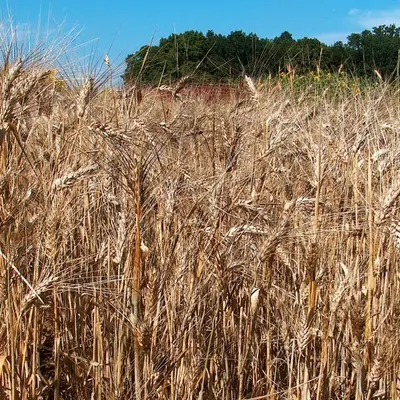
Black Tip Wheat
Very fancy white glumes (kernels) offset by long black awns. Easy textural element for fresh and dried bouquets. Also known as durum wheat.
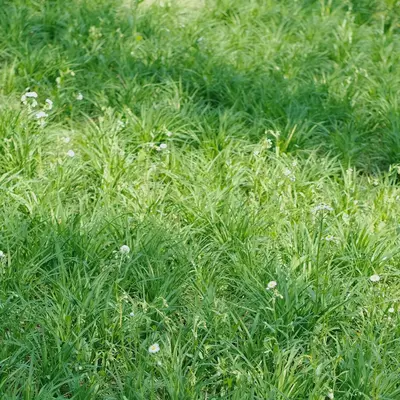
Carpetgrass
A creeping, low-maintenance grass that forms a dense carpet-like lawn in the humid Southeast. Carpetgrass thrives in wet, acidic soils where other grasses fail, making it ideal for low-lying areas and coastal regions. Its aggressive spreading habit quickly fills in bare spots, creating a uniform, soft lawn that's perfect for areas with challenging drainage.
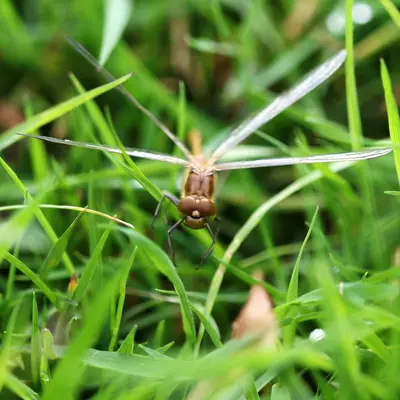
Centipede Grass
Often called the 'lazy man's grass,' this low-maintenance warm-season variety thrives with minimal fertilization and care. Its naturally slow growth means less mowing, while its dense, medium-textured appearance creates an attractive, uniform lawn. Perfect for homeowners who want a beautiful lawn without the high-maintenance requirements of other grass types.
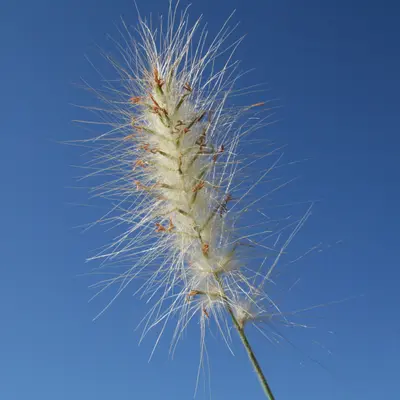
Feathertop
Masses of white, woolly, nodding, 6" plumes on graceful plants forming 12" clumps. Showy accent in any landscape. Tender perennial in Zones 9-10, but grow as hardy annual.
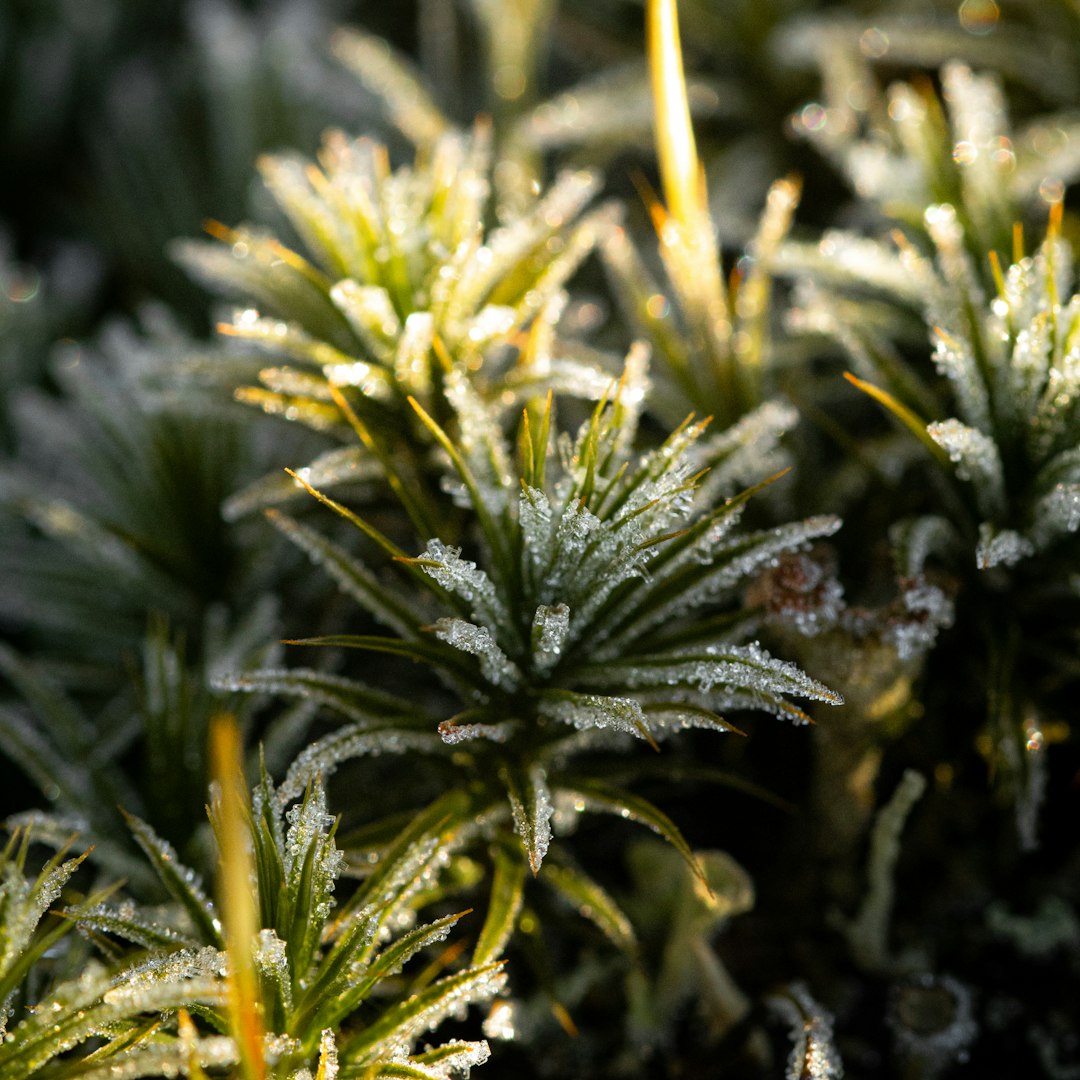
Frosted Explosion
The airy flower plumes add sparkle to bouquets and landscapes. A productive filler for bouquets, and a carefree bedding plant. For cut-flower production, keep harvested for second and subsequent flushes of stems.
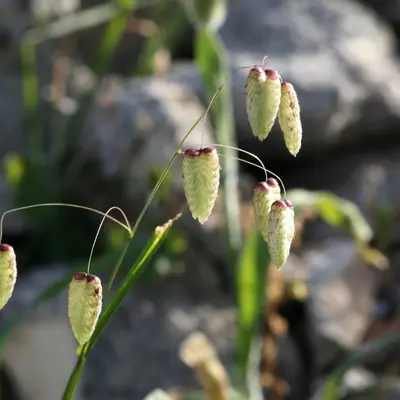
Greater Quaking Grass
1/2-1" long seedheads turn from light green to a beautiful, golden straw color when dried or left on the plants. Stems of these nodding, dancing beauties are a must-have for adding bits of sparkle and detail to design work. Productive plants produce abundant 12-20" long stems useful for fresh or dried cut flowers. The thin stems of this clump-forming grass are best suited for design work and not recommended for when something sturdy is needed. Beautiful addition to containers or garden beds. Might self-sow if seedheads are left on the plants. Tolerant to dry growing conditions once established. Also commonly known as big quaking grass, rattlesnake grass, and large quaking grass.
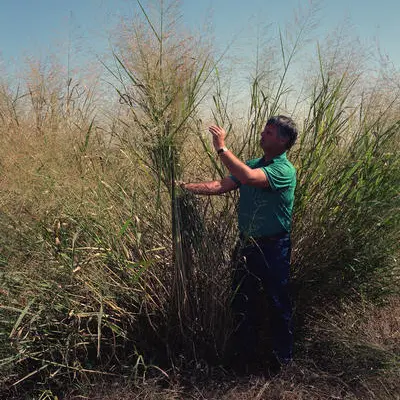
Green Drops
Stems can be harvested early when bead-like tassels are sparkling bright green. Or for a more autumnal look, harvest a bit later when seed heads have developed hues of purple and gold, and a deeper, graceful arch. Uniform plants can be used fresh or dried. Plumes are approx. 4-7" long, depending on stage of harvest. Similar in appearance to broom corn, but the plants are faster growing, and the plant height and habit are much more manageable.
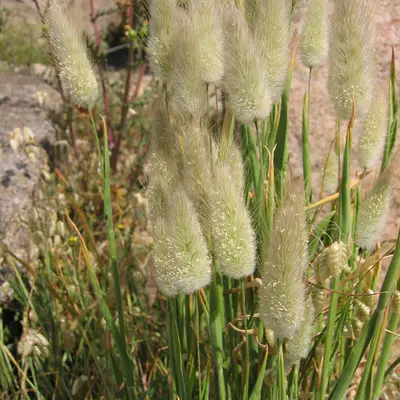
Hare's Tail Grass
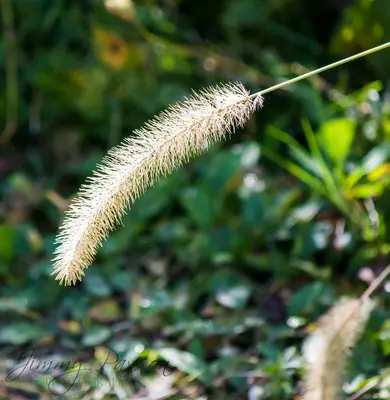
Charming, annual ornamental grass grown for its fuzzy, "bunny tail" blooms. 1 1/2-2" long oval, woolly blooms resemble a rabbit's tail. Flowers sit well above a clump of compact, light green grass. Very easy to dry. Holds well when dried; accepts dye readily. Developing flower heads are light green, maturing creamy white to soft wheat in color. Also known as bunny tail grass and rabbit tail grass.
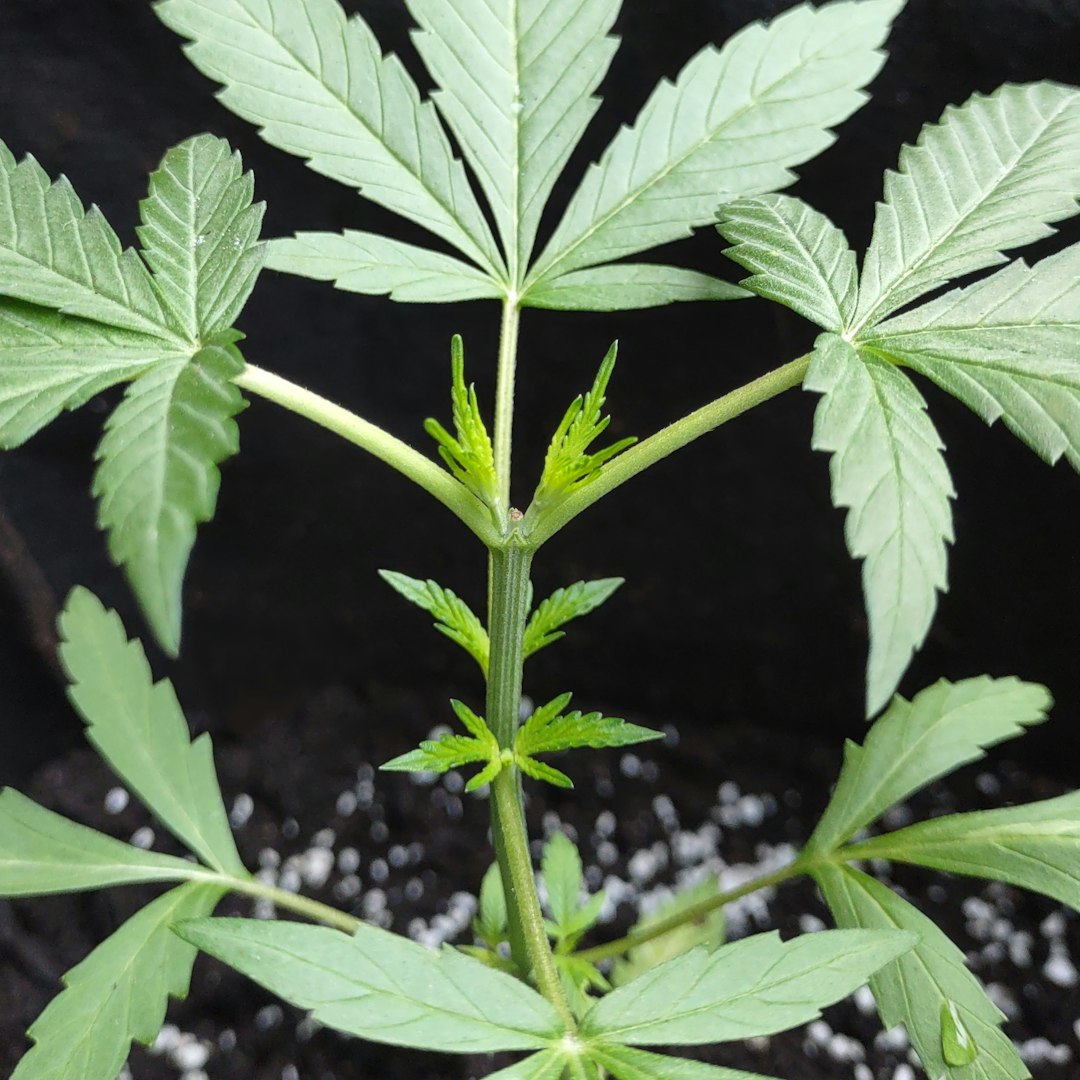
Highlander
3-6" pendulous heads give tapestry-like effect to arrangements.
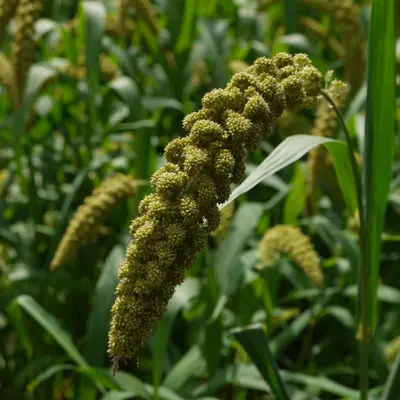
Lime Light Spray Millet
The vibrant lime color is enough to make this variety a keeper but it is also fantastically uniform in height, bloom size and bloom time. The stand is lush and self-supporting, remaining upright.
Lowlander
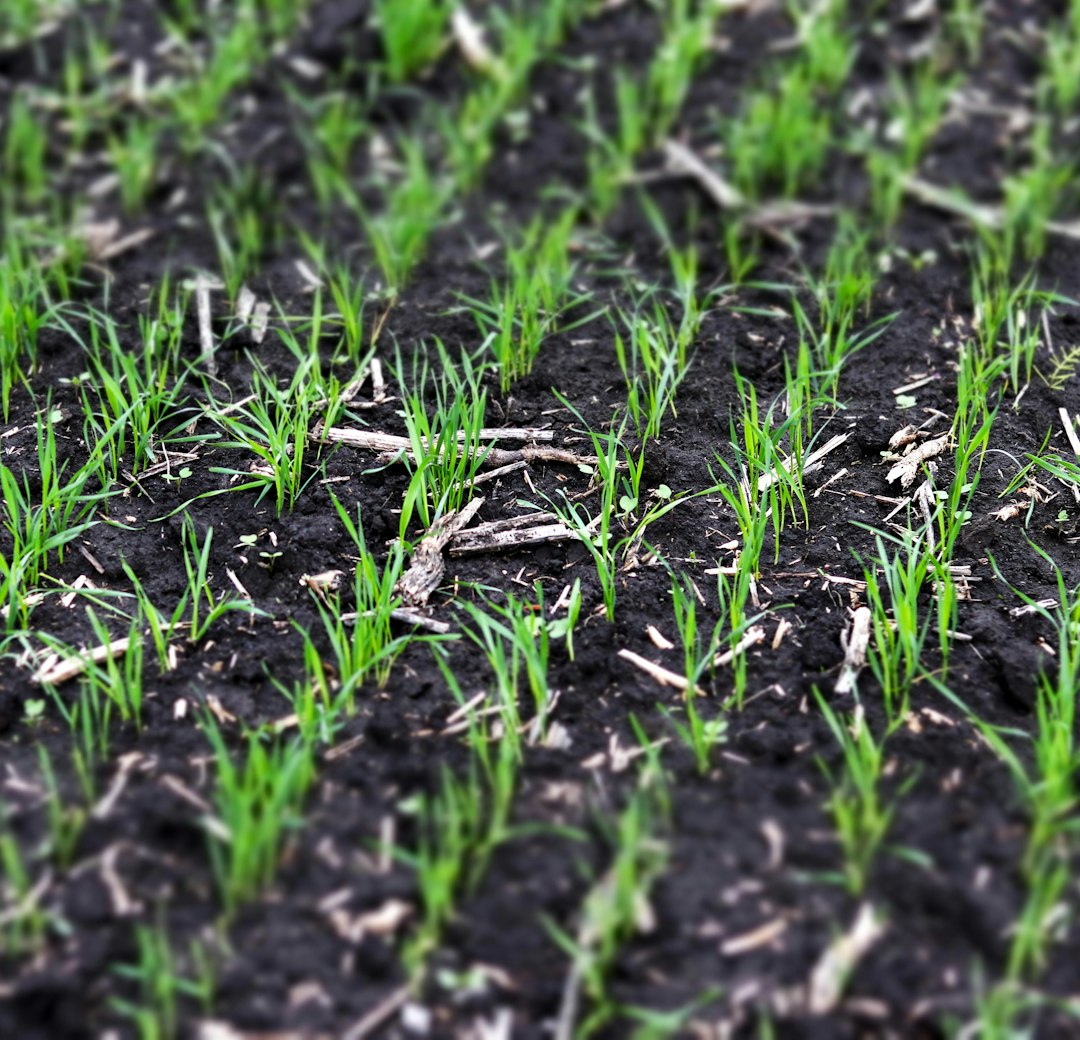
Easy cut-flower grass that is useful both fresh and dried. Soft, 3-6" pendulous heads.
Monkey Grass
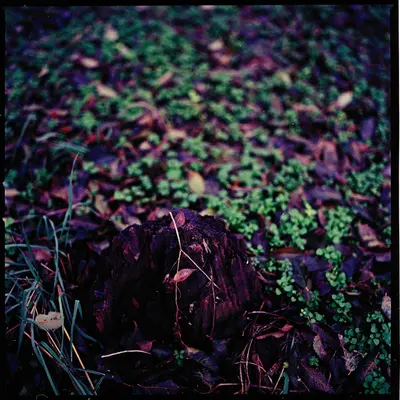
A versatile evergreen perennial that forms neat clumps of arching, grass-like foliage topped with spikes of purple or white flowers. Despite its common name, this isn't a true grass but provides similar landscaping benefits with superior drought tolerance and shade performance. Monkey grass is the go-to choice for low-maintenance borders, groundcover, and problem areas where other plants struggle.

Pampas Grass
A dramatic ornamental grass that creates stunning focal points with its towering plumes of creamy-white to pink feathery flowers. This fast-growing perennial forms impressive clumps that add movement and texture to landscapes while providing excellent privacy screening. The showy plumes are highly prized for dried flower arrangements and last for months when cut.
Purple Fountain Grass
A dramatic ornamental grass with burgundy-purple foliage and showy bottlebrush plumes that add tropical flair to any garden. Fast-growing and heat-loving, this grass creates stunning focal points and combines beautifully with colorful annuals.
Purple Majesty
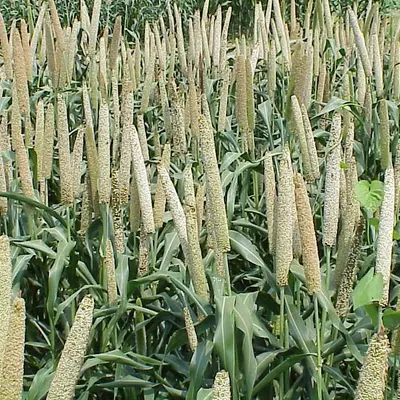
Add architecture and color to floral arrangements or containers. Deep purple foliage, stems, and cattail-like spikes. 1-3 main stems and 12-14" secondary plumes. Suited to 4" pots up to gallon containers. Also known as pearl millet. FleuroSelect Gold Award Winner. AAS Winner.
Savannah Grass
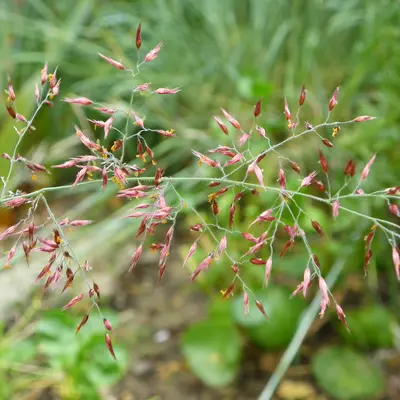
This late-season grass is the perfect color for late summer and fall arrangements, containers, and garden beds. 3-6" long, gracefully arched, rose gold to dusty rose plumes can be used as fresh or dried cut flowers. Panicles lighten in color when dried but maintain a rosy hue. 18-24" stems float above the compact, mounded grass clumps, making them easy to pluck from the plants. The thin stems are best suited for design work and are not recommended for when something sturdy is needed. Very attractive in the garden or in containers with sage-green, compact plants and rosy, sparkling plumes that dance in the light. Tender perennial in Zones 9-10, but typically grown as an annual. Also known as ruby grass, pink bubble grass, mountain red top, bristle-leaved red top.
Seashore Paspalum
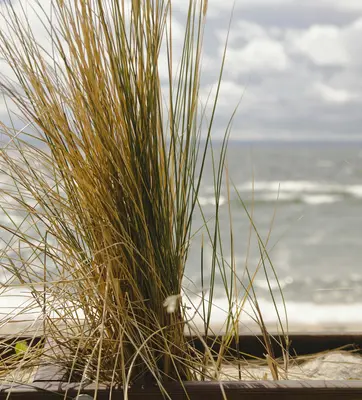
An extremely salt-tolerant warm-season grass that excels in coastal environments and areas with brackish water irrigation. Originally found in tropical and subtropical coastal regions, this premium grass creates a dense, fine-textured lawn that rivals Bermuda grass in quality. Its unique ability to thrive with saltwater irrigation makes it invaluable for waterfront properties and drought-prone areas with recycled water systems.
Silver Tip
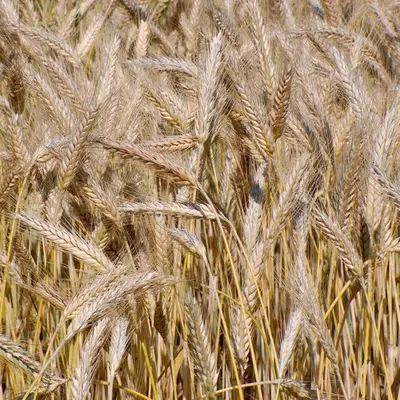
Green-to-white glumes and awns. 4" heads (not counting the awns). Easy textural element for fresh and dried bouquets. Vigorous wheat/rye cross.

St. Augustine Grass
A thick, luxurious warm-season grass that creates a dense, carpet-like lawn perfect for Southern climates. Known for its excellent shade tolerance and aggressive spreading habit, it quickly fills in bare spots to create a lush green lawn. Its broad, flat blades give it a distinctive coarse texture that many homeowners love for its tropical appearance.
Zoysia Grass
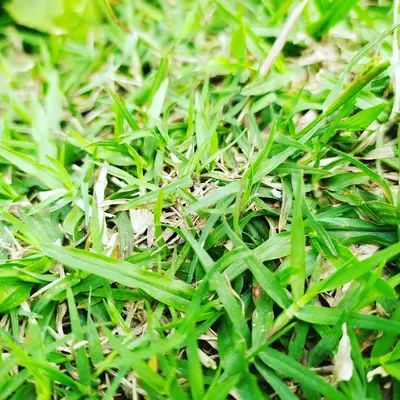
An elegant warm-season grass that creates one of the most beautiful and low-maintenance lawns possible, with a dense, carpet-like texture that crowds out weeds naturally. Once established, this slow-growing grass requires minimal watering and fertilizing while providing excellent heat and drought tolerance. Its fine texture and rich green color make it a premium choice for homeowners wanting a gorgeous lawn with less work.
Zone 10 Growing Tips
Timing is everything in Zone 10, and you have two prime planting windows that align with your mild weather patterns. Fall planting from late September through November takes advantage of cooling temperatures and reduced summer stress, giving grasses time to establish before the next summer heat wave. Spring planting works well from March through early May, but avoid planting during your hottest months (June through August) when even established grasses struggle. Since your last frost averages January 31st, you can safely plant cold-sensitive varieties by early March.
Water management is your biggest challenge—Zone 10's intense summer heat combined with afternoon thunderstorms creates a tricky balance between drought stress and overwatering. Install drainage solutions for areas that tend to flood during rainy season, and consider drip irrigation or soaker hoses to provide consistent moisture without encouraging fungal problems. Most importantly, prepare your soil with plenty of organic matter before planting, as the heat breaks down nutrients quickly and your 320-day growing season means grasses are actively growing and feeding almost year-round.
Season Overview
Your exceptionally long growing season from mid-December through mid-December of the following year means most grasses never truly go dormant, which is both a blessing and a challenge. With an average first frost as late as December 15th and last frost by January 31st, you're essentially looking at a 2-month 'winter' where growth simply slows rather than stops. This extended season allows for multiple plantings per year and gives you flexibility to experiment with cool-season grasses like Fine Fescue or Kentucky Bluegrass during your mild winter months, though these will struggle once temperatures climb back into the 80s and 90s in March and April.