Frosted Explosion
Panicum elegans
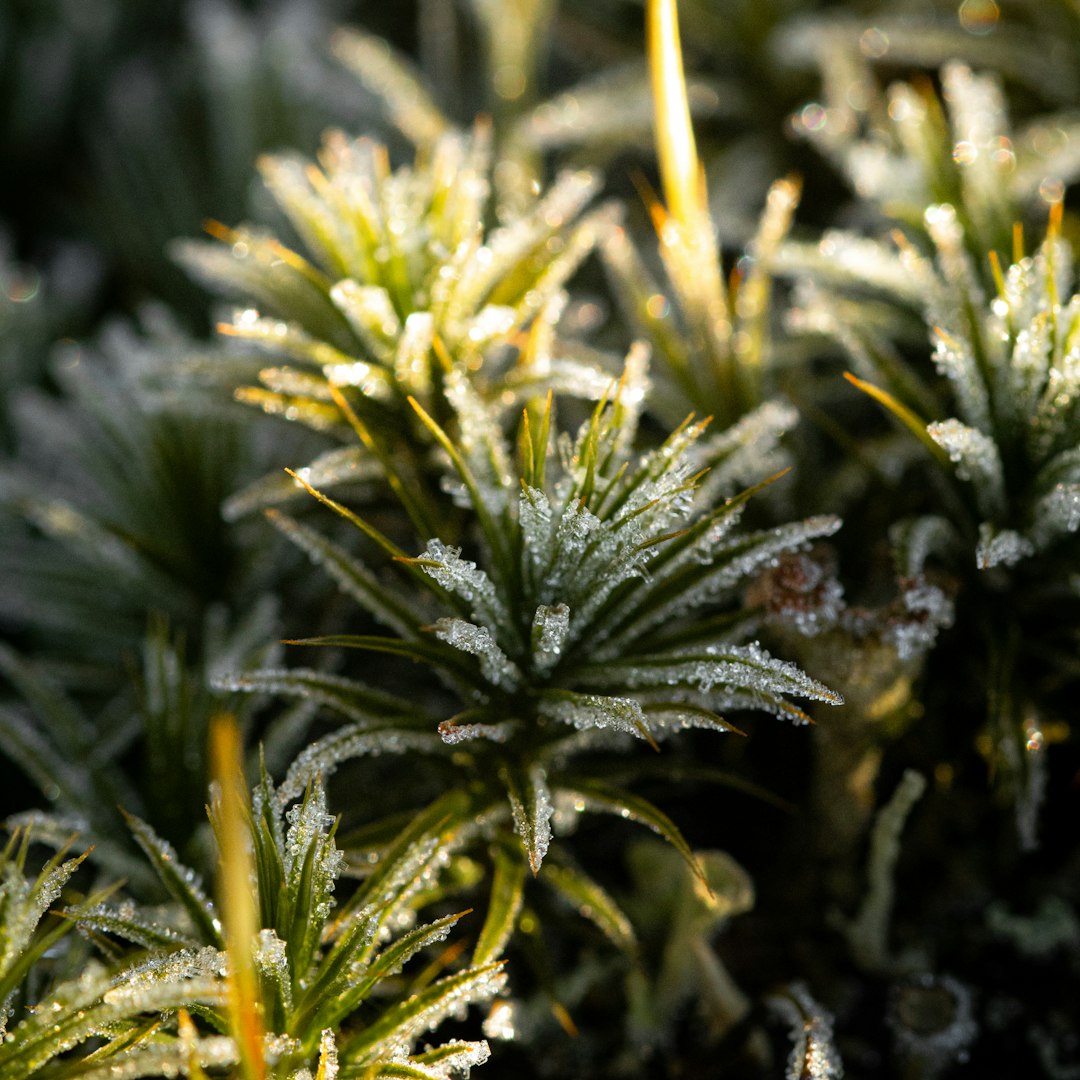
The airy flower plumes add sparkle to bouquets and landscapes. A productive filler for bouquets, and a carefree bedding plant. For cut-flower production, keep harvested for second and subsequent flushes of stems.
Harvest
84-112d
Days to harvest
Sun
Full sun
Zones
1–11
USDA hardiness
Height
3-4 feet
Planting Timeline
Showing dates for Frosted Explosion in USDA Zone 7
All Zone 7 grass →Zone Map
Click a state to update dates
Frosted Explosion · Zones 1–11
Growing Details
Complete Growing Guide
Growing Frosted Explosion (Panicum elegans) grass. Light: Full sun. Hardy in USDA zones 1 to 11. Days to maturity: 84. Difficulty: Moderate.
Harvesting
Frosted Explosion reaches harvest at 84 - 112 days from sowing per Johnny's Selected Seeds. As an annual, harvest continues until frost ends the season.
This is an ornamental variety — not grown for harvest. Enjoy in the garden landscape.
Storage & Preservation
Fresh Frosted Explosion stems last 10-14 days indoors in a clean vase with fresh, cool water. Change water every 2-3 days and remove any lower foliage that would sit below the waterline. For extended enjoyment, condition newly harvested stems in deep, cool water for 4 hours before final arranging—this maximizes vase life.
For preservation, hang-drying is ideal for this variety. Bundle 5-7 stems together, hang upside-down in a warm, dry, well-ventilated space (attic, garage, or garden shed), and allow 2-3 weeks for complete drying. Dried Frosted Explosion plumes retain their sparkle and texture beautifully for 6-12 months and won't shed pollen if fully dried before arranging. Store dried bundles in a cardboard box with acid-free tissue in a cool, dry location away from direct sunlight, which fades color over time.
History & Origin
Acroceras elegans is a species of plant in the grass family. It is found in Madagascar and Réunion.
Advantages
- +Airy plumes add distinctive sparkle and visual interest to floral arrangements
- +Productive filler plant yields multiple flushes when harvested regularly for cut flowers
- +Carefree bedding plant requires minimal maintenance and pest management in landscapes
- +Medium maturity window of 84-112 days allows reasonable turnaround for production
Considerations
- -Moderate difficulty rating suggests learning curve for first-time growers
- -Requires consistent deadheading and harvesting to maximize subsequent stem flushes
Companion Plants
Lavender, catmint, and yarrow are the strongest partners here — all three thrive in lean soil and full sun, and none will compete aggressively for water the way heavy feeders do. Black-eyed Susan fills a similar niche and adds visual contrast without crowding root zones. Avoid planting near black walnut; juglone, the allelopathic compound walnut roots release into the soil, is well-documented to stunt or kill ornamental grasses within its reach. Large maples are a subtler problem — their shallow, wide-spreading roots pull moisture from a broad area, and Frosted Explosion will thin out trying to compete. Keep invasive mint out of the bed entirely; it spreads by runner fast enough to physically overtake plants spaced at the recommended 12–18 inches.
Plant Together
Lavender
Repels pests and attracts beneficial pollinators, complements ornamental grass aesthetics
Echinacea
Attracts beneficial insects and provides structural contrast to grass texture
Sedum
Similar water requirements and provides ground cover while grass provides height
Russian Sage
Drought tolerant companion that repels deer and creates beautiful textural combinations
Black-eyed Susan
Shares similar growing conditions and attracts beneficial insects for ecosystem balance
Catmint
Repels rodents and mosquitoes while requiring similar low-maintenance care
Alliums
Natural pest deterrent that complements grass form with spherical flower heads
Yarrow
Improves soil health and attracts beneficial predatory insects
Keep Apart
Black Walnut
Produces juglone which is toxic to many plants and can inhibit grass growth
Large Maple Trees
Creates dense shade and heavy leaf litter that can smother ornamental grasses
Invasive Mint
Aggressive spreading habit can overwhelm and compete with ornamental grass root systems
Troubleshooting Frosted Explosion
What you'll see, why it happens, and what to do about it.
Seedlings emerge patchy or not at all, 14+ days after sowing
Likely Causes
- Sown too deep — Panicum elegans seed needs light to germinate and shouldn't be buried more than 1/8 inch
- Soil temperature below 65°F, slowing or stalling germination
What to Do
- 1.Press seed onto the surface and barely cover with fine vermiculite or a dusting of soil
- 2.Use a soil thermometer — wait until the top inch reads at least 65°F before sowing
- 3.Re-sow; this seed is cheap enough that a second pass is easier than troubleshooting a failed first one
Stems flopping over or lodging by late summer, especially in beds with rich soil
Likely Causes
- Excess nitrogen causing soft, fast growth that can't support its own weight
- Spacing too tight (under 12 inches) reducing airflow and stem strength
What to Do
- 1.Skip the fertilizer — Frosted Explosion performs better in lean to average soil; high fertility is working against you
- 2.Space plants 15–18 inches apart so each stem can stand on its own
- 3.Insert a few short bamboo stakes as a temporary cage if plants are already down
Leaves developing orange or rust-colored pustules, usually mid to late season
Likely Causes
- Grass rust (Puccinia species) — a fungal disease that moves in on humid nights and crowded plantings
- Overhead irrigation keeping foliage wet for extended periods
What to Do
- 1.Switch to drip irrigation or water at the base early in the morning so foliage dries quickly
- 2.Remove and trash (don't compost) badly infected leaves
- 3.Improve spacing at next sowing — 18 inches between plants cuts down on the humid microclimate rust loves
Seed heads look sparse or fail to develop, plant stays mostly vegetative past day 90
Likely Causes
- Planted too late in the season, leaving insufficient warm days (needs 84–112 days of warm weather)
- Shade from neighboring plants blocking the full sun this grass requires
What to Do
- 1.Direct sow by mid-May at the latest so plants have a full warm season ahead of them
- 2.Cut back or relocate any neighboring plants casting more than a couple hours of shade per day
- 3.Accept the loss and plan an earlier sow date next year — there's no shortcut to forcing seed head development once the season's gone
Frequently Asked Questions
How long does Frosted Explosion grass take to grow from seed to first harvest?▼
Is Frosted Explosion good for beginner gardeners?▼
Can you grow Frosted Explosion in containers?▼
What's the secret to getting Frosted Explosion to produce multiple flushes?▼
How long do Frosted Explosion stems last in a vase?▼
Does Frosted Explosion need full sun, and how much water does it require?▼
Zone-by-Zone Planting Calendar
| Zone | Indoor Start | Transplant | Direct Sow | Harvest |
|---|---|---|---|---|
| Zone 3 | — | June – August | May – July | — |
| Zone 4 | — | June – July | April – June | — |
| Zone 5 | — | May – July | April – June | — |
| Zone 6 | — | May – July | April – June | — |
| Zone 7 | — | May – June | March – May | — |
| Zone 8 | — | April – June | March – May | — |
| Zone 9 | — | March – May | February – April | — |
| Zone 10 | — | March – April | January – March | — |
| Zone 1 | — | July – September | June – August | — |
| Zone 2 | — | July – August | May – July | — |
| Zone 11 | — | February – March | January – February | — |
Growing Guides from Wind River Greens
Sources & References
External authority sources used in compiling this guide.
- BreederJohnny's Selected Seeds
See the Methodology page for how this data is sourced, what's AI-assisted, and known limitations.