Zone 10 Coverage
Planting Timeline — All Varieties
Growing Melons in Zone 10
Zone 10 gardeners hit the jackpot when it comes to growing melons – your 320-day growing season and minimal frost risk create nearly perfect conditions for both quick-maturing varieties and heat-loving heirlooms that struggle in cooler climates. The challenge isn't cold, it's managing the intense heat and humidity that can stress plants and invite fungal diseases. Your success depends on choosing varieties that can handle sustained high temperatures while still producing sweet, flavorful fruit.
The key is selecting melons that either mature quickly before the most brutal summer heat sets in, or varieties bred specifically for hot, humid conditions. Look for disease-resistant cultivars, particularly those with tolerance to downy mildew and fusarium wilt – two common problems in Zone 10's warm, moist environment. Heat-tolerant varieties like Galia, Charentais types, and certain watermelons will actually benefit from your long, warm season, developing more complex flavors than they would in cooler zones.
Your extended growing season also opens up exciting possibilities for succession planting and trying unique varieties that need extra time to develop their full potential. While northern gardeners are limited to their fastest-maturing options, you can experiment with slower varieties like Crenshaw melons and still have time for multiple harvests throughout the year.
Variety Comparison
| Variety ↑ | Days | Difficulty |
|---|---|---|
| Ali Baba Watermelon | 100-110 | Moderate to challenging |
| Ambrosia Cantaloupe | 86-90 | Moderate |
| Banana Melon | 90-100 | Moderate |
| Blacktail Mountain Watermelon | 70-75 | Easy |
| Boule d'Or Charentais | 75-85 | Moderate to challenging |
| Burpee Ambrosia Hybrid Cantaloupe | 86-90 | Easy to moderate |
| Burpee Hybrid Cantaloupe | 80-85 | Moderate |
| Cantaloup Charentais | 80-90 | Moderate to difficult |
| Cantaloupe Athena | 80-85 | Easy to moderate |
| Cantaloupe Burpee Hybrid | 80-90 | Easy |
| Cantaloupe Hales Best | 85-90 | Easy to Moderate |
| Cantaloupe Iroquois | 85-90 | Moderate |
| Cantaloupe Minnesota Midget | 60-70 | Easy |
| Casaba Golden Beauty | 110-120 | Moderate |
| Charentais Cantaloupe | 75 | Challenging |
| Charleston Gray Watermelon | 85-90 | Easy to moderate |
| Collective Farm Woman Melon | 80-90 | Moderate |
| Crenshaw Melon | 110-130 | Difficult |
| Crimson Sweet Watermelon | 85 | Moderate |
| Delicious 51 Cantaloupe | 85-95 | Moderate |
| Early Dew Honeydew | 85-95 | Moderate |
| Galia Melon | 85-100 | Moderate |
| Hale's Best Cantaloupe | 85-90 | Moderate |
| Hearts of Gold Cantaloupe | 70-80 | Easy |
| Honey Rock Cantaloupe | 80-90 | Easy |
Variety Details
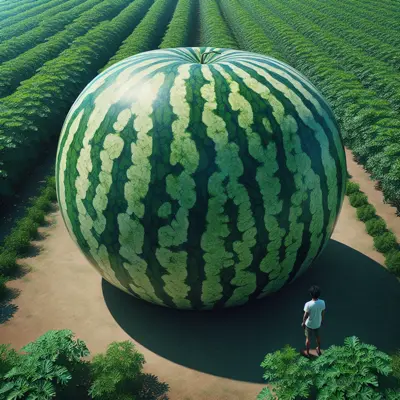
Ali Baba Watermelon
An remarkable Iraqi heirloom watermelon that produces enormous fruits weighing up to 100 pounds with incredibly sweet, crisp flesh that stays fresh for weeks after harvest. Ali Baba features distinctive pale green skin with dark stripes and develops exceptional sweetness while maintaining excellent texture even in its massive size. This conversation-starting variety is perfect for gardeners who want to grow something truly spectacular and have the space for its vigorous vines.
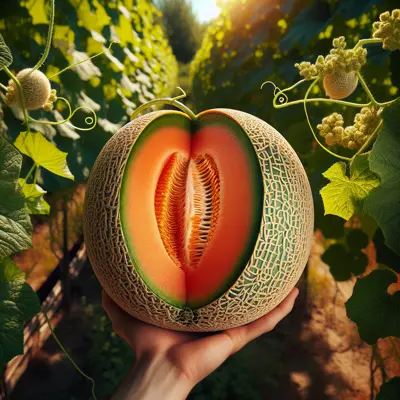
Ambrosia Cantaloupe
A premium hybrid cantaloupe that lives up to its heavenly name with exceptionally sweet, aromatic flesh and reliable production. Known for its thick, salmon-orange flesh and high sugar content, this variety consistently produces perfectly round melons with excellent shelf life. Ambrosia combines the best traits of heirloom flavor with modern hybrid vigor and disease resistance.
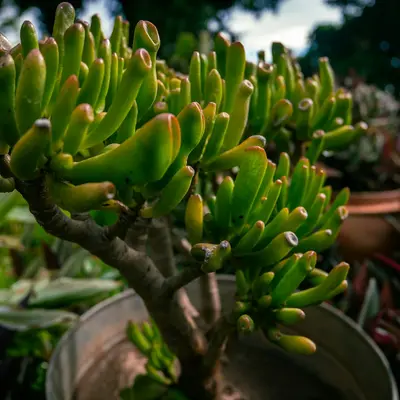
Banana Melon
An unusual heirloom melon that looks exactly like a giant banana with its elongated yellow shape and smooth skin. This conversation-starting variety produces sweet, salmon-pink flesh with a delicate flavor reminiscent of both cantaloupe and honeydew. The novelty appearance combined with excellent taste makes it a hit at farmers markets and a unique addition to any home garden.
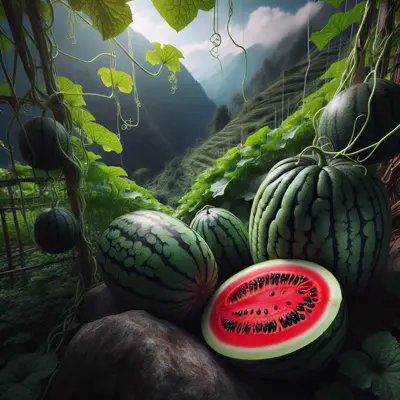
Blacktail Mountain Watermelon
Developed in Idaho for short-season growing, this remarkable heirloom produces full-sized, incredibly sweet watermelons in just 75 days even in cool climates. The round, dark green fruits with subtle stripes contain bright red flesh that rivals any long-season variety for flavor and sweetness. Perfect for northern gardeners who thought they couldn't grow watermelons.
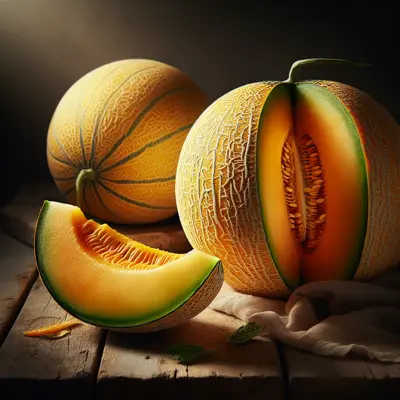
Boule d'Or Charentais
An authentic French Charentais melon that represents the pinnacle of melon flavor with its incredibly aromatic, orange flesh that's intensely sweet and perfumed. Boule d'Or produces small, personal-sized fruits with smooth, pale skin that turns golden when ripe, each one delivering the authentic taste of French summer markets. This heirloom variety requires patience but rewards gardeners with unparalleled flavor that commercial melons simply cannot match.

Burpee Ambrosia Hybrid Cantaloupe
An All-America Selections winner renowned for its exceptional sweetness and disease resistance, making it perfect for home gardeners seeking reliable production. The thick, salmon-orange flesh maintains its quality longer than most varieties, while the heavy netting and consistent size make it as beautiful as it is delicious. This hybrid combines old-fashioned flavor with modern reliability.
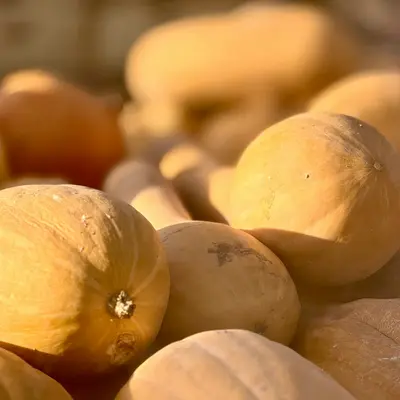
Burpee Hybrid Cantaloupe
A reliable and productive hybrid cantaloupe that consistently delivers sweet, aromatic melons even in challenging growing conditions. This variety was specifically bred for home gardeners, offering excellent disease resistance and uniform fruit production. The thick, sweet orange flesh and classic netted rind make it a standout choice for beginners and experienced growers alike.
Cantaloup Charentais
The original French cantaloupe that inspired countless imitations, prized for its incredibly aromatic orange flesh and perfect balance of sweetness and musky flavor. These small, perfectly portioned melons develop deep suture lines when ripe and fill the garden with their intoxicating fragrance. A true gourmet experience that puts grocery store cantaloupes to shame.
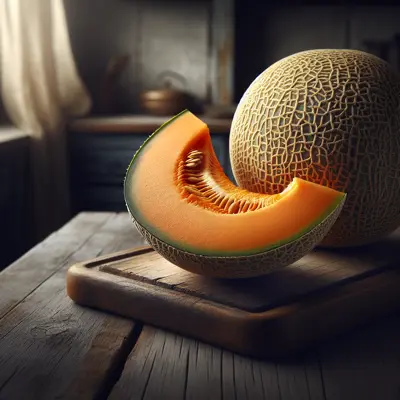
Cantaloupe Athena
A premium hybrid cantaloupe that delivers exceptional disease resistance and consistent, sweet flavor that rivals the best heirlooms. Athena produces perfectly netted, medium-sized fruits with deep orange flesh that's incredibly aromatic and sweet. This reliable variety has become a favorite among home gardeners who want guaranteed success without sacrificing taste.
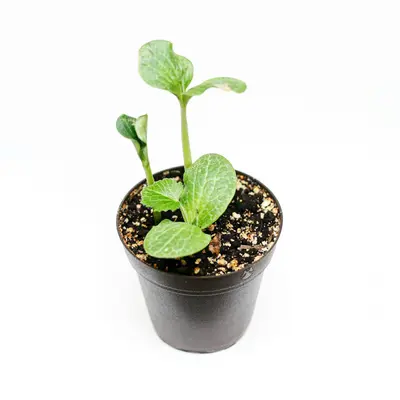
Cantaloupe Burpee Hybrid
A reliable hybrid cantaloupe that delivers consistent, sweet melons with classic orange flesh and excellent disease resistance. This variety produces medium-sized fruits with exceptional flavor and aroma, making it a favorite among home gardeners who want dependable results. The vigorous vines are productive and handle various growing conditions better than many heirloom varieties.
Cantaloupe Hales Best
A time-tested heirloom cantaloupe that has been the benchmark for home garden success since 1924. Developed in California's Imperial Valley, this variety combines excellent disease tolerance with outstanding flavor and reliable production. The thick, sweet, salmon-colored flesh and perfect netting make it the cantaloupe that many gardeners grow year after year.
Cantaloupe Iroquois
An outstanding hybrid cantaloupe developed for superior disease resistance and exceptional flavor in shorter growing seasons. This variety produces medium-sized melons with incredibly sweet, thick orange flesh that rivals the best market varieties. Iroquois is particularly valued by northern gardeners for its reliability and consistent production even in cooler summers.
Cantaloupe Minnesota Midget
A compact cantaloupe perfect for northern gardens and small spaces, developed at the University of Minnesota. This early-maturing variety produces sweet, orange-fleshed fruits on short vines that can even be grown in containers. Despite its small size, the flavor rivals full-sized cantaloupes with excellent sweetness and aroma.
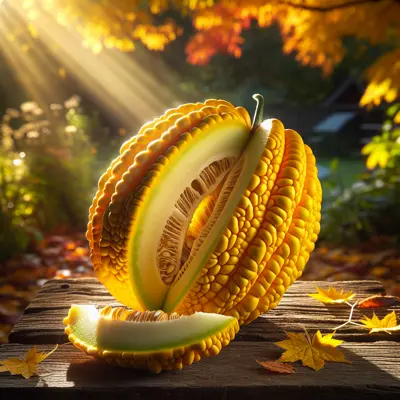
Casaba Golden Beauty
An heirloom winter melon with bright yellow, wrinkled rind and sweet, creamy white flesh that stores exceptionally well. This unique variety ripens late in the season and actually improves in flavor during storage, making it perfect for extending the melon season into fall and winter. The distinctive appearance and honey-sweet flavor make it a conversation starter in any garden.
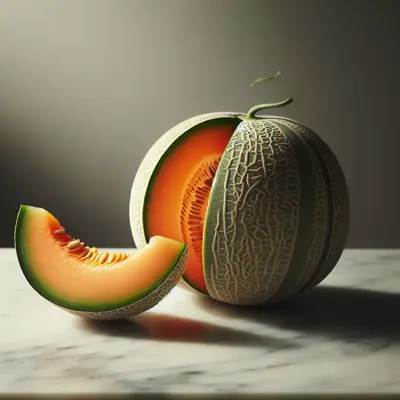
Charentais Cantaloupe
Charentais cantaloupe is a French heirloom melon prized for its distinctive netted, pale golden-orange rind and dense, silky orange flesh. Reaching harvest in approximately 75 days, this hybrid variety produces small to medium-sized fruits (2-3 lbs) with exceptional sugar content and aromatic complexity. The intensely sweet, perfumed flavor features subtle floral notes that distinguish it from conventional cantaloupes, making it a favorite among discerning gardeners and chefs. Requires full sun and excellent drainage to thrive in home gardens.
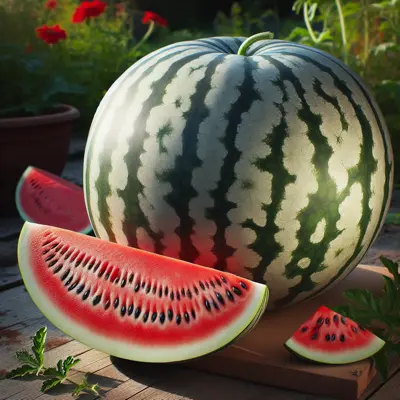
Charleston Gray Watermelon
A classic heirloom watermelon that has been delighting gardeners since the 1950s with its distinctive gray-green skin and exceptional disease resistance. Charleston Gray produces large, oblong fruits with sweet, crisp red flesh that's perfect for summer gatherings and has excellent keeping quality. This vigorous variety consistently delivers reliable harvests even in challenging growing conditions.
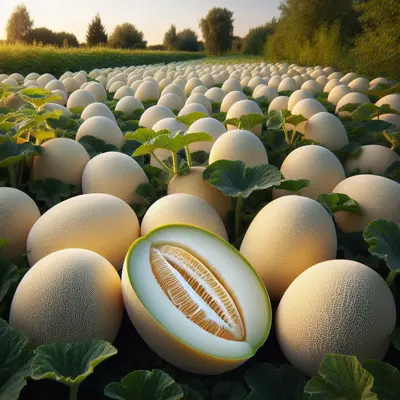
Collective Farm Woman Melon
A treasured Ukrainian heirloom honeydew-type melon with an unforgettable name and exceptional flavor that has won over gardeners worldwide. This reliable variety produces smooth, cream-colored melons with incredibly sweet, white flesh that stores well into winter. Originally grown on Soviet collective farms, it's perfectly adapted to shorter seasons and variable weather conditions.
Crenshaw Melon
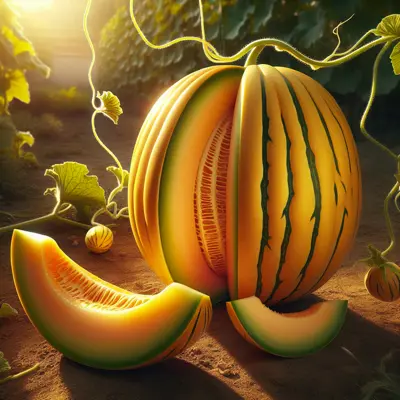
An heirloom treasure that's considered the 'Cadillac of melons' for its incredibly sweet, spicy-floral flavor and smooth, creamy texture. This large, teardrop-shaped melon starts green and ripens to golden-yellow with pink-orange flesh that's almost perfumed in its intensity. Crenshaw melons are prized by gourmet cooks and melon enthusiasts for their unparalleled eating quality.
Crimson Sweet Watermelon
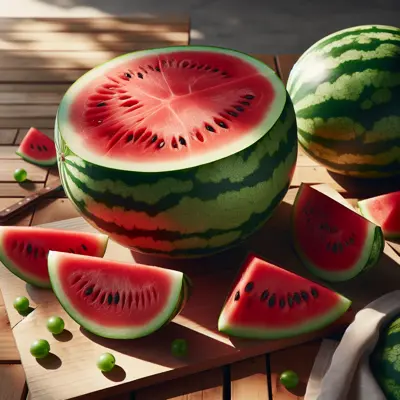
Dark and light yellow-green striped, 10" x 12" blocky oval fruits weigh in at 15-25 lb. Crisp, sweet pink flesh and vigorous vines. Avg. 1-2 fruits/plant.
Delicious 51 Cantaloupe
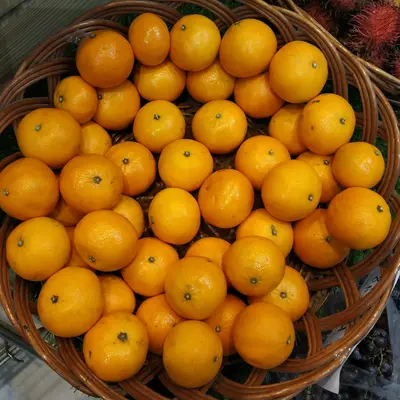
A proven heirloom cantaloupe variety that has been delighting gardeners since the 1950s with its exceptional flavor and reliable production. This open-pollinated variety produces medium-sized melons with intensely sweet, aromatic flesh that embodies everything a perfect cantaloupe should be. Delicious 51 is particularly prized by seed savers and those who want to experience authentic, old-fashioned cantaloupe taste.
Early Dew Honeydew
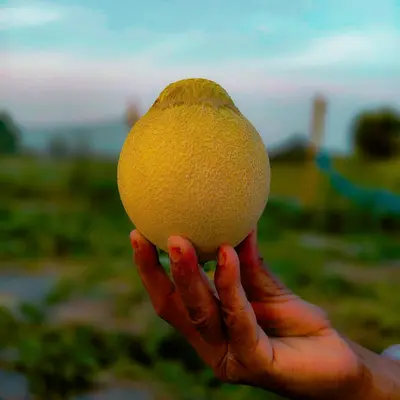
A breakthrough early-season honeydew that brings the classic sweet, mild flavor of honeydew to gardens with shorter growing seasons. This hybrid variety matures significantly faster than traditional honeydews while maintaining the signature smooth texture and refreshing taste. Early Dew is perfect for northern gardeners who previously couldn't reliably grow honeydew melons.
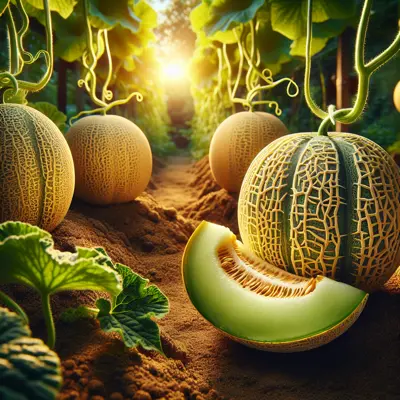
Galia Melon
An Israeli-bred hybrid melon that combines the best traits of cantaloupe and honeydew, featuring aromatic pale green flesh with tropical flavor notes. This netted melon has become increasingly popular with home gardeners for its exceptional sweetness, long storage life, and distinctive spicy-sweet aroma. The cream-colored flesh is incredibly juicy and melts in your mouth.
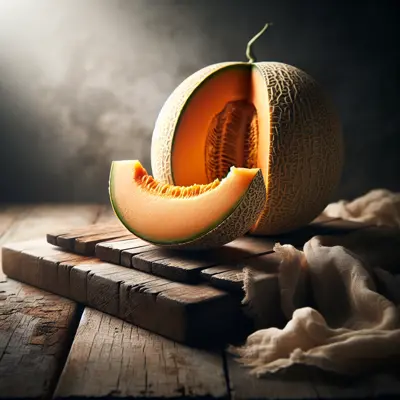
Hale's Best Cantaloupe
A time-tested heirloom cantaloupe that has been America's favorite since the 1920s, prized for its exceptional sweetness and aromatic fragrance. The heavily netted fruits develop deep orange flesh that practically melts in your mouth with perfect melon flavor. This reliable variety thrives in hot climates and consistently produces premium-quality melons that rival anything from the grocery store.

Hearts of Gold Cantaloupe
A treasured heirloom variety from the 1890s that earned its name from the heart-shaped cavity filled with golden-orange flesh of exceptional quality. This compact variety is perfect for smaller gardens and shorter seasons, producing consistently sweet melons with that old-fashioned cantaloupe flavor gardeners remember from childhood. Its reliability and disease resistance have kept it popular for over a century.
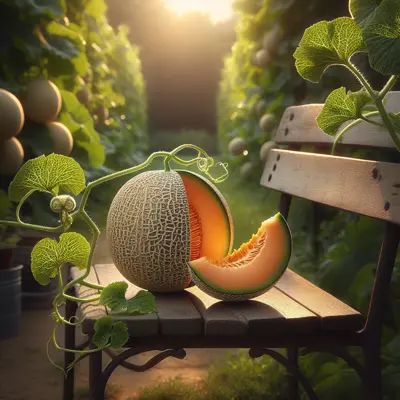
Honey Rock Cantaloupe
An exceptional heirloom cantaloupe from 1933 that earned All-America Selections honors for its outstanding sweetness and reliability. This variety produces perfectly round, heavily netted fruits with thick, orange flesh that's incredibly sweet and aromatic. Honey Rock is treasured by gardeners for its consistent production, excellent storage quality, and flavor that intensifies as the fruit ripens.
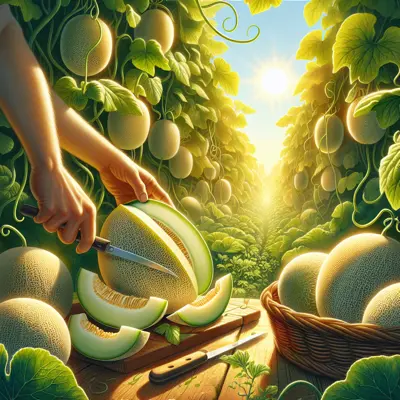
Honeydew Melon
The classic smooth-skinned melon beloved for its pale green, incredibly sweet flesh and refreshing flavor that defines summer. This popular variety produces large, oval fruits with creamy white rinds that develop a slight yellow tinge when perfectly ripe. Honeydew's mild, clean sweetness and crisp texture make it a favorite for fresh eating and a staple in grocery stores worldwide.
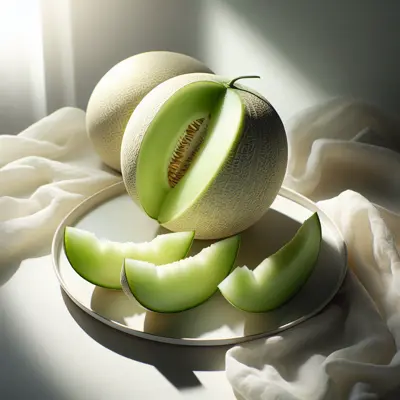
Jade Dew Honeydew
An exceptional honeydew variety that produces consistently sweet, pale green flesh with an incredibly smooth, creamy texture that melts in your mouth. Unlike many honeydews that can be bland, Jade Dew develops remarkable sweetness and a subtle floral aroma when properly ripened. This compact variety is perfect for smaller gardens while still producing full-sized, delicious fruits.
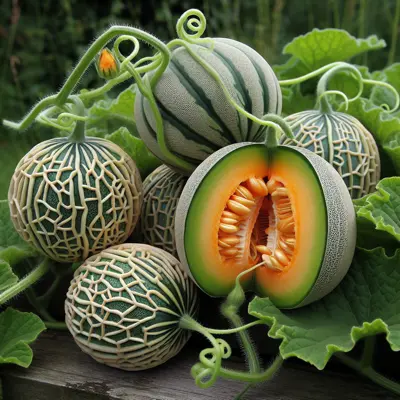
Jenny Lind Melon
A charming 1840s heirloom cantaloupe named after the famous Swedish opera singer, featuring distinctive turban-shaped fruits with a pronounced button end. This early-maturing variety produces small, intensely flavored melons with pale orange flesh and fine netting that were once sold by street vendors in Philadelphia. The compact size and exceptional flavor make it perfect for small gardens and fresh eating.
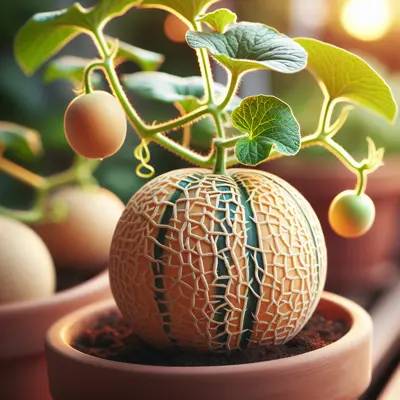
Minnesota Midget Cantaloupe
A compact cantaloupe variety developed by the University of Minnesota for short growing seasons and small spaces. This prolific heirloom produces sweet, orange-fleshed melons weighing just 1-2 pounds each on compact vines perfect for northern gardens. Despite its small size, it delivers full cantaloupe flavor and is ready to harvest in just 70 days.
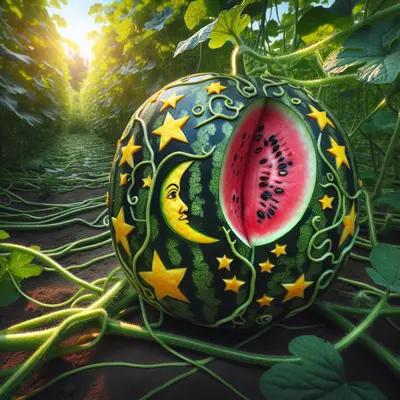
Moon and Stars Watermelon
A spectacular heirloom watermelon famous for its mystical dark green rind decorated with yellow 'stars' and larger yellow 'moons' that make each fruit a work of art. Nearly lost to extinction until the 1980s, this Cherokee heirloom produces large, sweet melons with pink-red flesh and the same celestial markings on its foliage. Moon and Stars is as much a conversation piece as it is a delicious watermelon, perfect for gardeners who love growing living history.
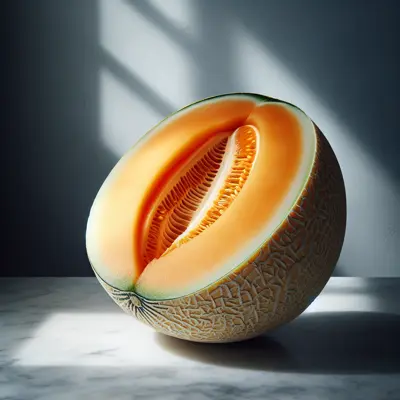
Orange Flesh Honeydew
A unique twist on the classic honeydew melon featuring vibrant orange flesh instead of the traditional green. This variety combines the smooth, creamy texture honeydew lovers expect with a slightly more complex, sweeter flavor profile. The striking orange interior makes it a conversation starter at farmers markets and dinner tables alike.
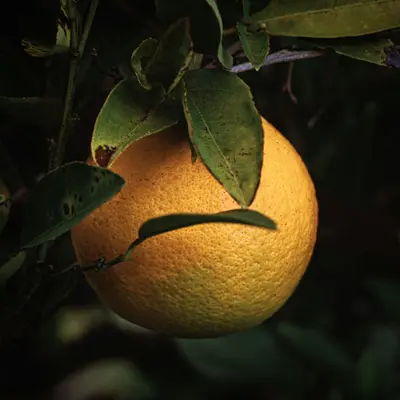
Orange Honeydew Melon
A stunning variation of the classic honeydew that combines the smooth, sweet texture you love with gorgeous salmon-orange flesh that's rich in beta-carotene. This variety offers the best of both worlds - the mild, refreshing honeydew flavor with the nutritional benefits and visual appeal of orange-fleshed melons. The smooth, cream-colored rind makes it easy to identify when ripe.
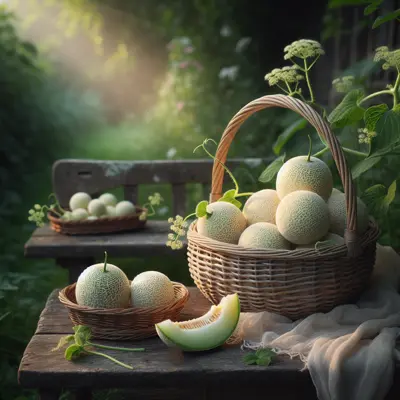
Sprite Melon
A compact, early-maturing melon perfect for northern gardens and small spaces, producing cream-colored fruits about the size of a softball. This Japanese variety offers incredibly sweet, crisp flesh with a unique texture that's almost like a cross between a melon and an Asian pear. The small vines and quick maturity make it ideal for gardeners with short seasons or limited space.
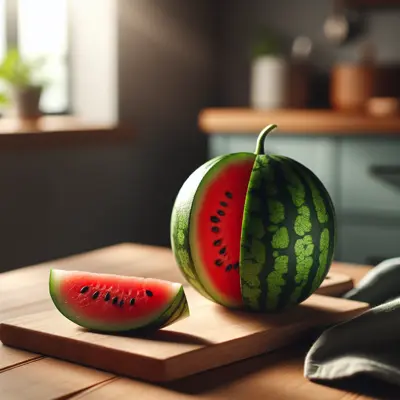
Sugar Baby Watermelon
Round fruits, 6-8" in diameter, averaging 8-10 lb. Ripe melons are almost black. Good flavor. Tough rinds resist cracking. The standard of "icebox" melons for many years. Avg. 1-2 fruits/plant.
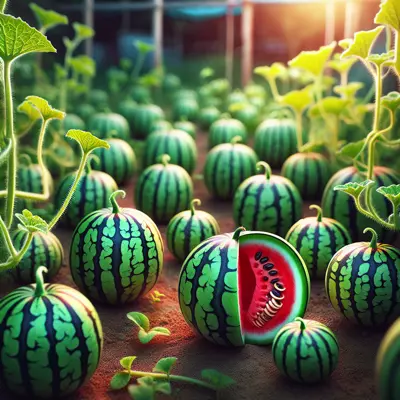
Tiger Baby Watermelon
A delightful personal-sized watermelon perfect for small gardens and container growing, featuring distinctive dark green stripes over a lighter green background. This compact variety produces sweet, crisp red flesh in perfectly portioned individual melons that are ideal for picnics and small families. Tiger Baby combines space-saving growth habits with traditional watermelon flavor in an adorable, manageable package.
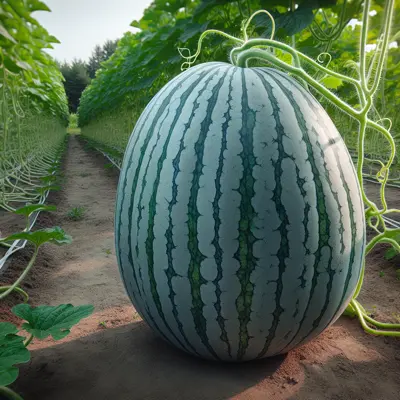
Watermelon Charleston Gray
A legendary heirloom watermelon from 1954 that produces massive, elongated fruits perfect for feeding crowds at summer gatherings. This variety is prized for its exceptional disease resistance, long storage life, and sweet red flesh that stays crisp even in hot weather. Charleston Gray's distinctive gray-green color and reliable 25+ pound fruits make it a favorite for serious watermelon growers.
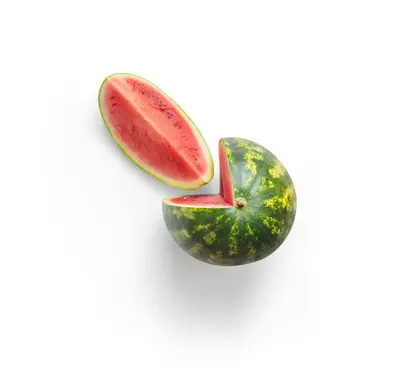
Watermelon Crimson Sweet
The gold standard watermelon that has dominated home gardens for decades with its perfect balance of reliability and flavor. This variety produces large, round fruits with distinctive light and dark green stripes and incredibly sweet, deep red flesh. Crimson Sweet is beloved for its consistent performance, disease resistance, and classic watermelon taste that defines summer.
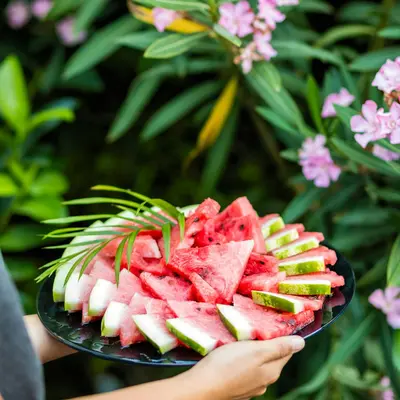
Watermelon Picnic
A classic large watermelon variety that produces the traditional big, round melons perfect for family gatherings and summer picnics. These impressive fruits can reach 15-20 pounds with deep red, sweet flesh and the classic striped green rind that everyone recognizes. The vigorous vines are productive and reliable, delivering that perfect summer watermelon experience.
Zone 10 Growing Tips
Start your melon seeds indoors 3-4 weeks before your average last frost date (early January in Zone 10), giving you transplants ready for the garden by late February or early March. This timing lets plants establish strong root systems before summer's peak heat arrives. Direct seeding works well too – wait until soil temperatures consistently hit 65°F, usually by mid-February. Your warm soil means faster germination than cooler zones experience, often sprouting in just 5-7 days.
Managing heat stress becomes your biggest challenge once temperatures climb above 95°F regularly. Provide afternoon shade during the hottest months using shade cloth (30-40% works well), and focus on deep, consistent watering rather than frequent shallow irrigation. Mulch heavily around plants to keep soil temperatures down and retain moisture. Consider growing melons on trellises to improve air circulation and keep fruits off the hot ground – this works especially well for smaller varieties like Minnesota Midget and Tiger Baby watermelons.
Take advantage of your long season by planning two main plantings: an early spring crop (February-March planting for May-June harvest) and a late summer crop (July-August planting for October-November harvest). This avoids the most stressful midsummer period while maximizing your harvest window. The late season crop often produces better-quality fruit as temperatures moderate and humidity drops.
Season Overview
Your average frost window from February 1st to December 15th gives you an incredible 320-day growing season – nearly three times longer than northern gardeners enjoy. This extended season means you can grow virtually any melon variety, from quick 65-day varieties like Minnesota Midget to longer-season specialties like Crenshaw that need 100+ days to reach peak flavor. Plan your main plantings for February through March and again in July through August, using the shoulder seasons when temperatures are more manageable while still staying well clear of any frost risk.