Orange Honeydew Melon
Cucumis melo var. inodorus 'Orange Honeydew'
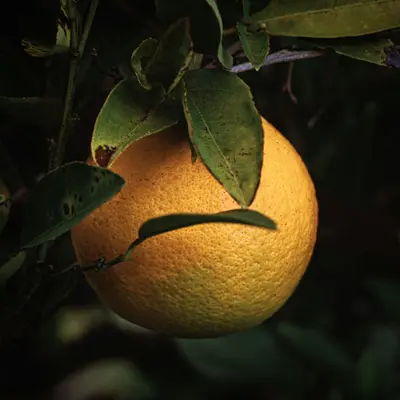
A stunning variation of the classic honeydew that combines the smooth, sweet texture you love with gorgeous salmon-orange flesh that's rich in beta-carotene. This variety offers the best of both worlds - the mild, refreshing honeydew flavor with the nutritional benefits and visual appeal of orange-fleshed melons. The smooth, cream-colored rind makes it easy to identify when ripe.
Harvest
85-95d
Days to harvest
Sun
Full sun
Zones
2–11
USDA hardiness
Height
6-9 feet
Planting Timeline
Showing dates for Orange Honeydew Melon in USDA Zone 7
All Zone 7 melon →Zone Map
Click a state to update dates
Orange Honeydew Melon · Zones 2–11
Growing Details
Complete Growing Guide
Plant Orange Honeydew Melon seeds indirectly 3-4 weeks before your last frost date, as this cultivar requires consistent warmth and germinates poorly below 70°F. Unlike standard honeydew varieties, Orange Honeydew demands full sun (8+ hours daily) and well-draining, slightly alkaline soil to develop its signature beta-carotene-rich coloring; poor soil conditions can result in pale, undersweetened fruit. This variety exhibits moderate susceptibility to powdery mildew, particularly in humid climates, so ensure excellent air circulation between vines spaced 4-6 feet apart. Watch for the cream-colored rind to become slightly netted at maturity—a key ripeness indicator unique to this cultivar. A practical tip: mulch heavily around the base to maintain consistent soil moisture and temperature, which stabilizes sugar development in the orange flesh and reduces splitting during the critical final 2-3 weeks before harvest.
Light: Full sun (6 or more hours of direct sunlight a day). Soil: Clay, High Organic Matter, Loam (Silt). Soil pH: Acid (<6.0), Neutral (6.0-8.0). Drainage: Good Drainage, Moist. Height: 6 ft. 0 in. - 9 ft. 0 in.. Spread: 1 ft. 0 in. - 3 ft. 0 in.. Spacing: 12 inches-3 feet. Growth rate: Medium. Maintenance: Medium. Propagation: Seed. Regions: Coastal, Mountains, Piedmont.
Harvesting
Harvest Orange Honeydew melons when the cream-colored rind develops a slightly waxy feel and the melon yields gently to thumb pressure at the blossom end. Look for a pale yellow or cream undertone on the bottom of the fruit, indicating peak ripeness, and expect melons to reach 5-6 pounds at maturity. These melons produce fruit in waves rather than all at once, so plan for multiple harvests throughout the season by checking vines every 2-3 days once flowering begins. A critical timing tip: harvest in early morning when temperatures are cooler, as this helps the fruit retain maximum sweetness and the delicate orange flesh remains firmer during storage and transport.
Musky-scented, spherical to oblong berry with a rind (pepo), often furrowed with yellow, white or green flesh and many seeds. The rind may be green, yellow, tan, beige or white and the surface may be smooth, rough, warty, scaly, or netted. Seeds white, about 1/2 inch long, narrow. Seeds ripen in August and September.
Color: Gold/Yellow, Green, White. Type: Berry. Length: < 1 inch. Width: < 1 inch.
Garden value: Edible, Showy
Harvest time: Fall
Edibility: Eaten fresh, wrapped in prosciutto, in salads, or as a dessert. Watery, but delicate, flavor. Avoid the seeds as the sprouting seed produces a toxic substance in its embryo.
Storage & Preservation
Store uncut orange honeydew melons at room temperature for 3-5 days to allow the flesh to soften to peak eating quality. Once cut, refrigerate pieces in airtight containers for up to 5 days. The high water content makes whole melons unsuitable for long-term storage.
Freeze cubed melon for smoothies and sorbets – the texture changes but flavor remains excellent for up to 6 months. Dehydrate thin slices at 135°F for 12-16 hours to create chewy melon leather that children love. The orange flesh also makes beautiful frozen pops when pureed with a touch of lime juice.
For peak flavor, bring refrigerated melon to room temperature 30 minutes before serving. The natural sugars become more pronounced at warmer temperatures, enhancing the variety's distinctive sweet, mild honeydew character.
History & Origin
The Orange Honeydew Melon represents a modern cross breeding the classic inodorus honeydew with orange-fleshed melon genetics, likely developed within commercial seed company breeding programs during the late 20th century as consumer interest in nutrient-dense produce increased. While specific breeder attribution and introduction year remain undocumented in readily available sources, this variety emerged from the broader trend of enhancing traditional melon varieties with beta-carotene-rich flesh. The development builds on decades of honeydew refinement and the proven market success of orange melons like cantaloupe, combining both lineages to create a hybrid that preserves honeydew's characteristic mild sweetness while delivering the visual appeal and nutritional profile of orange-fleshed cultivars.
Origin: Africa, Arabian Peninsula, India, Australia
Advantages
- +Rich beta-carotene content makes orange honeydew significantly more nutritious than traditional honeydew.
- +Stunning salmon-orange flesh provides visual appeal and natural color distinction from standard varieties.
- +Cream-colored rind offers reliable ripeness indicator, making harvest timing easier for growers.
- +Sweet, mild flavor combines honeydew refreshment with slightly richer taste profile.
- +Moderate difficulty level makes orange honeydew accessible for intermediate gardeners and home growers.
Considerations
- -Susceptible to multiple fungal diseases including powdery mildew and downy mildew during humid seasons.
- -Requires consistent pest management against aphids, cucumber beetles, spider mites, and melon aphids.
- -Longer growing season of 85-95 days limits cultivation in short-season climates and regions.
Companion Plants
Basil and French marigolds (Tagetes patula) do the most work here. Basil's volatile oils can disorient aphids and melon aphids at close range, and French marigolds have a documented track record of deterring cucumber beetles — the same insects that inject Erwinia tracheiphila, the bacterium behind bacterial wilt. Nasturtiums are worth planting at the bed edge as a trap crop; aphids will colonize them first and leave the melon foliage alone longer. Keep cucumbers out of the same bed entirely — they share powdery mildew, downy mildew, and bacterial wilt susceptibility, and running them together concentrates disease pressure in one spot. Potatoes compete for the same soil depth and can carry pests that move easily onto cucurbits.
Plant Together
Basil
Repels aphids, whiteflies, and thrips while potentially improving melon flavor
Marigold
Deters nematodes, aphids, and cucumber beetles that commonly attack melons
Nasturtium
Acts as trap crop for cucumber beetles and aphids, protecting melon vines
Radish
Breaks up soil for better root development and deters cucumber beetles
Corn
Provides natural windbreak and vertical structure without competing for nutrients
Bean
Fixes nitrogen in soil and provides ground cover without interfering with melon growth
Sunflower
Attracts beneficial pollinators essential for melon fruit development
Oregano
Repels pests like aphids and spider mites while attracting beneficial insects
Keep Apart
Cucumber
Competes for same nutrients and space, shares common diseases like powdery mildew
Potato
Heavy feeder that competes for nutrients and may stunt melon growth
Fennel
Produces allelopathic compounds that inhibit growth of melons and most garden plants
Nutrition Facts
Per 100g serving. % Daily Value based on 2,000 calorie diet. Source: USDA FoodData Central (FDC #2710816)
Pests & Disease Resistance
Resistance
Moderate resistance to powdery mildew and fusarium wilt
Common Pests
Aphids, cucumber beetles, spider mites, melon aphid
Diseases
Powdery mildew, downy mildew, bacterial wilt, alternaria leaf spot
Troubleshooting Orange Honeydew Melon
What you'll see, why it happens, and what to do about it.
Dark, sunken, leathery spot on the blossom end of the fruit as it sizes up
Likely Causes
- Blossom-end rot — calcium not reaching developing fruit, usually triggered by uneven soil moisture
- Overfertilization with high-nitrogen fertilizers, which pushes rapid vegetative growth and disrupts calcium uptake
- Soil pH outside 6.5–6.8 range, locking out calcium even when it's present in the soil
What to Do
- 1.Mulch heavily — 3 to 4 inches of straw — to buffer soil moisture between waterings
- 2.Stop feeding with high-nitrogen fertilizers once vines start running; switch to a balanced 10-10-10 if you fertilize at all
- 3.Pull a soil test; if pH is below 6.5, apply lime per the results — NC State Extension recommends targeting 6.5 to 6.8 for cucurbits
White powdery coating on upper leaf surfaces, starting mid-season after vines fill out
Likely Causes
- Powdery mildew — a fungal disease that thrives in warm, dry days combined with humid nights, common on cucurbits in late summer
- Dense vine canopy with poor airflow trapping moisture around the foliage
What to Do
- 1.Remove and bin the worst-affected leaves; don't compost them
- 2.Apply potassium bicarbonate or a sulfur-based fungicide at first sign — waiting until it's widespread makes treatment much less effective
- 3.Next year, give plants the full 48–60 inches of spacing and train vines to spread outward rather than pile up
Yellow angular patches on the tops of leaves, with a grayish-purple fuzz on the undersides
Likely Causes
- Downy mildew — a water mold (not a true fungus) that moves fast in wet, humid conditions and can travel field to field on wind
- NC State Extension notes downy mildew appears at different times and locations each season, so it can show up even if you've never seen it in that bed before
What to Do
- 1.Flip leaves and scout the undersides every few days once daytime highs stay above 75°F and nights are damp
- 2.Pull and dispose of infected foliage immediately — do not compost it
- 3.If fruit is still weeks from ripe, apply a copper-based fungicide to slow the spread; if harvest is close, prioritize picking over spraying
Young transplants wilting hard during the day and not bouncing back overnight, 2–4 weeks after going in the ground
Likely Causes
- Bacterial wilt (Erwinia tracheiphila), transmitted by cucumber beetles feeding on stems and leaves
- High cucumber beetle pressure at transplant with no protective barrier in place
What to Do
- 1.Cut a wilted stem and press a knife blade to the cut face, then pull it away slowly — fine, thread-like strands stretching between blade and stem confirm bacterial wilt
- 2.Pull and trash infected plants; there's no treatment once the bacterium is inside the vascular tissue
- 3.For next season, NC State Extension's IPM guidance recommends wire or cloth cone protectors over transplants until they're established, plus a foliar insecticide at the cotyledon stage if beetle counts are high
Frequently Asked Questions
How long does orange honeydew melon take to grow from seed?▼
Can you grow orange honeydew melons in containers?▼
What does orange honeydew melon taste like compared to regular honeydew?▼
When should I plant orange honeydew melon seeds?▼
Is orange honeydew melon good for beginning gardeners?▼
Orange honeydew vs cantaloupe - what's the difference?▼
Zone-by-Zone Planting Calendar
| Zone | Indoor Start | Transplant | Direct Sow | Harvest |
|---|---|---|---|---|
| Zone 3 | May – May | June – July | June – August | October – October |
| Zone 4 | April – May | June – June | June – July | September – October |
| Zone 5 | April – April | May – June | May – July | September – October |
| Zone 6 | April – April | May – June | May – July | September – October |
| Zone 7 | March – April | May – May | May – June | August – October |
| Zone 8 | March – March | April – May | April – June | August – September |
| Zone 9 | February – February | March – April | March – May | July – August |
| Zone 10 | January – February | March – March | March – April | June – August |
| Zone 1 | June – June | July – August | July – September | November – August |
| Zone 2 | May – June | July – July | July – August | October – September |
| Zone 11 | January – January | February – February | February – March | May – July |
| Zone 12 | January – January | February – February | February – March | May – July |
| Zone 13 | January – January | February – February | February – March | May – July |
Growing Guides from Wind River Greens
Sources & References
External authority sources used in compiling this guide.
See the Methodology page for how this data is sourced, what's AI-assisted, and known limitations.
More Melons
Charleston Gray Watermelon
Ali Baba Watermelon
Cantaloup Charentais
Watermelon Charleston Gray
Hale's Best Cantaloupe
Cantaloupe Iroquois
Sugar Baby Watermelon
Tiger Baby Watermelon