Watermelon Crimson Sweet
Citrullus lanatus 'Crimson Sweet'
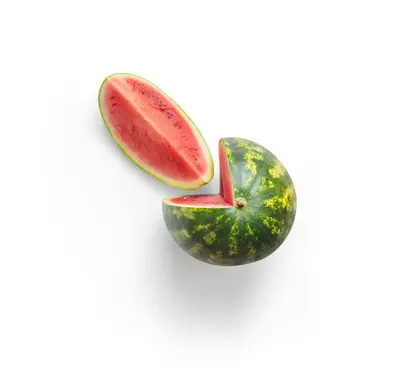
The gold standard watermelon that has dominated home gardens for decades with its perfect balance of reliability and flavor. This variety produces large, round fruits with distinctive light and dark green stripes and incredibly sweet, deep red flesh. Crimson Sweet is beloved for its consistent performance, disease resistance, and classic watermelon taste that defines summer.
Harvest
80-100d
Days to harvest
Sun
Full sun
Zones
4–11
USDA hardiness
Height
4-8 inches
Planting Timeline
Showing dates for Watermelon Crimson Sweet in USDA Zone 7
All Zone 7 melon →Zone Map
Click a state to update dates
Watermelon Crimson Sweet · Zones 4–11
Growing Details
Complete Growing Guide
Crimson Sweet demands full sun and consistently warm soil—wait until nighttime temperatures stay above 60°F before planting, as this cultivar is sensitive to cold soil and will stall or rot if rushed into the ground too early. Plant in rich, well-draining soil amended with compost, spacing vines 3-4 feet apart, since Crimson Sweet's vigorous sprawl requires more room than compact melon varieties. This cultivar shows excellent disease resistance overall, but watch for cucumber beetles and spider mites during hot, dry spells—both can stress the vines and reduce fruit quality. Water deeply and consistently throughout the growing season, aiming for 1-2 inches weekly, as fluctuating moisture causes the flesh to become mealy rather than crisp. A practical tip: thin developing fruit to one melon per 2-3 feet of vine once they reach tennis-ball size; this focuses the plant's energy into fewer, sweeter fruits rather than spreading resources among too many developing melons.
Light: Full sun (6 or more hours of direct sunlight a day). Soil: Loam (Silt). Soil pH: Neutral (6.0-8.0). Drainage: Good Drainage, Moist. Height: 0 ft. 4 in. - 0 ft. 8 in.. Spread: 5 ft. 0 in. - 10 ft. 0 in.. Growth rate: Medium. Maintenance: Medium. Propagation: Seed. Regions: Coastal, Mountains, Piedmont.
Harvesting
Crimson Sweet watermelons reach peak ripeness when the distinctive striping darkens to deep green contrast, the fruit feels heavy for its size, and the bottom spot transitions from pale yellow to creamy gold. Check for a dull, matte surface rather than a shiny finish, and listen for a hollow thump when tapped—a clear indicator of juice-filled flesh ready for harvest. These melons produce a single main fruit per plant rather than continuous yields, so timing matters; harvest when the tendril nearest the fruit stem browns and dries completely, signaling that sugars have fully concentrated. Plan to pick within a 7–10 day window once these signs align, as peak sweetness won't extend much beyond this period.
The plant produces melons which are large modified berries called a pepo. They are rounded to oval mottled green with darker green rind. Black, cream or mottled colored elliptic seeds. Flesh general red or pink but can also be yellowish.
Color: Green. Type: Berry. Length: > 3 inches. Width: > 3 inches.
Garden value: Edible
Harvest time: Summer
Edibility: The fruit can be eaten raw or pickled. The rind is edible after cooking.
Storage & Preservation
Store whole Crimson Sweet watermelons at room temperature (60–70°F) away from direct sunlight for up to three weeks, or refrigerate at 50–55°F for extended storage up to a month. Avoid temperatures below 50°F, which causes chilling injury and flesh deterioration. Place melons on a cushioned surface to prevent bruising. Once cut, wrap pieces tightly in plastic wrap and refrigerate for three to five days.
For preservation, freezing works best: cube the flesh, remove seeds if desired, and freeze in airtight containers or on sheet trays before bagging. Frozen cubes keep up to four months and work well for smoothies and juicing. You can also juice fresh watermelon and freeze the liquid in ice cube trays for convenient summer use. Canning is not recommended due to low acid content and food safety concerns.
Crimson Sweet's exceptional juiciness makes it ideal for freezing juice rather than whole pieces—it concentrates the sweetness and maximizes shelf life compared to other varieties.
History & Origin
Crimson Sweet emerged from the breeding programs of the American seed industry in the 1960s, developed to meet the demands of home gardeners seeking reliable, transportable watermelons with superior flavor. While precise breeder attribution remains unclear in most historical records, the variety represents a refinement of earlier red-fleshed watermelon lines, drawing on decades of selection work within commercial seed companies. The variety's introduction coincided with the postwar gardening boom and quickly became the standard against which other watermelons were measured. Its combination of disease resistance, consistent productivity, and sweet flavor made it the dominant home garden variety by the 1970s, a position it has maintained for nearly fifty years.
Origin: Africa
Advantages
- +Exceptional sweetness and crisp texture make it the gold standard for home gardeners.
- +Distinctive striped appearance and deep red flesh create visually striking, recognizable melons.
- +Reliable performer with strong disease resistance compared to many other watermelon varieties.
- +80-100 day maturity provides reasonable harvest window for most growing seasons.
- +Proven track record spanning decades demonstrates consistent performance across diverse growing conditions.
Considerations
- -Susceptible to multiple fungal diseases including powdery mildew and gummy stem blight.
- -Requires warm soil and full sun; moderate difficulty may challenge beginner gardeners.
- -Vulnerable to cucumber beetles and squash vine borers requiring pest management strategies.
- -Large fruits demand significant garden space and consistent water availability throughout season.
Companion Plants
Nasturtiums and marigolds both pull their weight near watermelons, but for different reasons. Nasturtiums act as a trap crop for aphids — the bugs pile onto them and largely leave the vines alone, which also makes scouting simple since you know where to look. French marigolds are worth planting if the bed has seen cucurbit crops before; NC State Extension recommends solid marigold plantings to knock back root-knot nematode populations before returning susceptible crops like Citrullus lanatus. Radishes tucked at the row edges can deter cucumber beetles, which feed directly on Crimson Sweet and also vector bacterial wilt — two problems for the price of one pest.
Fennel is the clear one to keep out. It releases allelopathic compounds from its roots that suppress growth across most vegetable crops, and watermelons don't get a pass. Potatoes share overlapping fungal disease pressure and compete aggressively for the same soil nutrients, so planting them nearby just loads the dice against you on two fronts simultaneously.
Plant Together
Nasturtiums
Repels cucumber beetles, aphids, and squash bugs that commonly attack melons
Marigolds
Deters nematodes and various insects while attracting beneficial pollinators
Radishes
Helps break up compacted soil and may deter cucumber beetles and squash vine borers
Beans
Fixes nitrogen in soil to benefit heavy-feeding melons without competing for space
Sunflowers
Provides natural trellis support and attracts pollinators and beneficial insects
Oregano
Repels aphids, cucumber beetles, and other pests while attracting beneficial insects
Corn
Provides wind protection and vertical growing space without root competition
Catnip
Strongly repels aphids, ants, and cucumber beetles that damage melon plants
Keep Apart
Potatoes
Compete for similar nutrients and may harbor diseases that affect melon family plants
Fennel
Inhibits growth of most garden plants through allelopathic compounds
Sage
May inhibit melon growth and development through allelopathic effects
Nutrition Facts
Per 100g serving. % Daily Value based on 2,000 calorie diet. Source: USDA FoodData Central (FDC #167765)
Pests & Disease Resistance
Resistance
Resistant to anthracnose and fusarium wilt
Common Pests
Cucumber beetles, aphids, squash vine borers, spider mites
Diseases
Powdery mildew, downy mildew, bacterial fruit blotch, gummy stem blight
Troubleshooting Watermelon Crimson Sweet
What you'll see, why it happens, and what to do about it.
Dark, sunken, leathery spot on the blossom end of the fruit — often with a moldy secondary growth on the rotted patch
Likely Causes
- Blossom-end rot from calcium deficiency in developing fruit, typically triggered by uneven soil moisture
- Overfertilization with high-nitrogen fertilizer, which accelerates vegetative growth and outpaces calcium uptake
- Soil pH outside the 6.5–6.8 range, which limits calcium availability even when calcium is present in the soil
What to Do
- 1.Mulch the entire planting area with straw — Crimson Sweet vines spread 36–60 inches, so mulching just the crown does nothing for moisture consistency where the roots actually are
- 2.Back off nitrogen fertilizers once vines start running; side-dress with compost instead
- 3.Test soil pH and lime to 6.5–6.8 if needed — NC State Extension identifies this as a baseline fix for blossom-end rot on watermelons
Yellow, greasy-looking patches on upper leaf surfaces that turn brown, with grayish-purple fuzzy growth on the undersides — appearing mid-summer as humidity climbs
Likely Causes
- Downy mildew (Pseudoperonospora cubensis) — a water mold that moves through regions each season, appearing at different times each year according to NC State Extension
- Crowded vines with poor airflow, keeping leaf surfaces wet longer after rain or overhead irrigation
What to Do
- 1.Space plants at least 36 inches apart and redirect vines that pile onto each other — airflow matters more than it looks like it should
- 2.Check the Cucurbit Downy Mildew ipmPIPE forecasting tool to know when the pathogen is moving into your area; getting ahead of it by even a few days makes a real difference
- 3.Strip heavily infected leaves and trash them — not the compost — then apply a copper-based fungicide if the infection keeps advancing
Frequently Asked Questions
How long does Crimson Sweet watermelon take to grow?▼
Can you grow Crimson Sweet watermelon in containers?▼
What does Crimson Sweet watermelon taste like?▼
When should I plant Crimson Sweet watermelon seeds?▼
Is Crimson Sweet watermelon good for beginners?▼
How do I know when Crimson Sweet watermelon is ripe?▼
Zone-by-Zone Planting Calendar
| Zone | Indoor Start | Transplant | Direct Sow | Harvest |
|---|---|---|---|---|
| Zone 1 | June – June | July – August | July – September | November – August |
| Zone 2 | May – June | July – July | July – August | October – September |
| Zone 11 | January – January | February – February | February – March | May – July |
| Zone 12 | January – January | February – February | February – March | May – July |
| Zone 13 | January – January | February – February | February – March | May – July |
| Zone 3 | May – May | June – July | June – August | October – October |
| Zone 4 | April – May | June – June | June – July | September – October |
| Zone 5 | April – April | May – June | May – July | September – October |
| Zone 6 | April – April | May – June | May – July | September – October |
| Zone 7 | March – April | May – May | May – June | August – October |
| Zone 8 | March – March | April – May | April – June | August – September |
| Zone 9 | February – February | March – April | March – May | July – August |
| Zone 10 | January – February | March – March | March – April | June – August |
Growing Guides from Wind River Greens
Sources & References
External authority sources used in compiling this guide.
See the Methodology page for how this data is sourced, what's AI-assisted, and known limitations.
More Melons
Charleston Gray Watermelon
Ali Baba Watermelon
Cantaloup Charentais
Watermelon Charleston Gray
Hale's Best Cantaloupe
Cantaloupe Iroquois
Sugar Baby Watermelon
Tiger Baby Watermelon