Delicious 51 Cantaloupe
Cucumis melo var. cantalupensis 'Delicious 51'
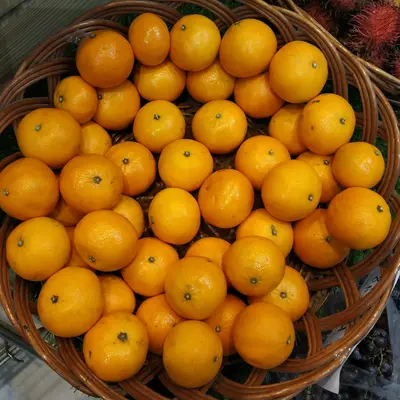
A proven heirloom cantaloupe variety that has been delighting gardeners since the 1950s with its exceptional flavor and reliable production. This open-pollinated variety produces medium-sized melons with intensely sweet, aromatic flesh that embodies everything a perfect cantaloupe should be. Delicious 51 is particularly prized by seed savers and those who want to experience authentic, old-fashioned cantaloupe taste.
Harvest
85-95d
Days to harvest
Sun
Full sun
Zones
2–11
USDA hardiness
Height
6-9 feet
Planting Timeline
Showing dates for Delicious 51 Cantaloupe in USDA Zone 7
All Zone 7 melon →Zone Map
Click a state to update dates
Delicious 51 Cantaloupe · Zones 2–11
Growing Details
Succession Planting
Delicious 51 is a one-time fruit crop — the vine sets melons over a window, you harvest them, and the plant declines. There's no meaningful succession planting the way there is with lettuce or radishes. Start seeds indoors 3–4 weeks before your last frost date, or direct-sow into warm soil in May once soil temps are consistently above 65°F.
A second sowing 2–3 weeks after the first is reasonable if you want to stretch the harvest window a bit, but at 85–95 days to maturity, a late-June direct sow pushes harvest into October and risks getting caught by the first frost before the fruit finishes.
Complete Growing Guide
This heirloom variety demands warm soil and consistent heat to reach peak sweetness, so delay planting until soil temperatures exceed 70°F and all frost danger has passed—rushing transplants often results in undersized, bland fruit. Delicious 51 thrives in full sun with well-draining, fertile soil rich in organic matter, and benefits from regular mulching to maintain even moisture, which prevents the flesh splitting common in this cultivar when watering becomes erratic. While generally pest-resistant, this open-pollinated melon occasionally attracts powdery mildew in humid conditions; improve airflow by spacing vines generously and avoid overhead watering. The variety's moderate vigor means it won't overwhelm smaller gardens like some aggressive melons, but requires consistent fertilization every 2-3 weeks during the growing season to sustain fruit development through its 85-95 day maturation window. For reliable seed saving, isolate plants from other cantaloupe varieties to prevent cross-pollination, ensuring your heirloom genetics remain pure.
Light: Full sun (6 or more hours of direct sunlight a day). Soil: Clay, High Organic Matter, Loam (Silt). Soil pH: Acid (<6.0), Neutral (6.0-8.0). Drainage: Good Drainage, Moist. Height: 6 ft. 0 in. - 9 ft. 0 in.. Spread: 1 ft. 0 in. - 3 ft. 0 in.. Spacing: 12 inches-3 feet. Growth rate: Medium. Maintenance: Medium. Propagation: Seed. Regions: Coastal, Mountains, Piedmont.
Harvesting
Delicious 51 cantaloupes reach peak ripeness when the skin transitions from green to a warm tan-gold with pronounced netting, the blossom end yields slightly to gentle pressure, and the melon detaches easily from the vine with a light twist. The fruits mature continuously throughout the season rather than all at once, allowing multiple harvests from a single planting—pick melons when they slip readily from the stem, as this indicates full sugar development and optimal flavor concentration. For best results, harvest in early morning when temperatures are cool, as this preserves the aromatic quality and extends shelf life compared to afternoon picking.
Musky-scented, spherical to oblong berry with a rind (pepo), often furrowed with yellow, white or green flesh and many seeds. The rind may be green, yellow, tan, beige or white and the surface may be smooth, rough, warty, scaly, or netted. Seeds white, about 1/2 inch long, narrow. Seeds ripen in August and September.
Color: Gold/Yellow, Green, White. Type: Berry. Length: < 1 inch. Width: < 1 inch.
Garden value: Edible, Showy
Harvest time: Fall
Edibility: Eaten fresh, wrapped in prosciutto, in salads, or as a dessert. Watery, but delicate, flavor. Avoid the seeds as the sprouting seed produces a toxic substance in its embryo.
Storage & Preservation
Freshly harvested Delicious 51 melons continue ripening at room temperature for 2-3 days if picked slightly underripe. Once fully ripe, they'll keep on the counter for 3-5 days or in the refrigerator for up to one week. Store whole melons at 36-40°F with moderate humidity to maintain peak flavor and texture.
For preservation, cut ripe melon into chunks and freeze on parchment-lined trays before transferring to freezer bags—frozen cantaloupe works excellently in smoothies and agua fresca for up to 8 months. Dehydrate thin slices at 135°F for 12-16 hours to create intensely flavored cantaloupe leather. The high sugar content of Delicious 51 makes it ideal for small-batch jam or chutney preservation. Pickled cantaloupe rind, prepared like watermelon rind pickles, transforms waste into a unique condiment that keeps for months when properly canned.
History & Origin
The origins of Delicious 51 cantaloupe trace back to mid-twentieth-century American heirloom breeding, though detailed documentation of its specific breeder and introduction year remains limited in widely available horticultural records. The variety emerged during the 1950s as part of the broader wave of open-pollinated melon development that characterized post-war American seed production. Its "Delicious" nomenclature reflects the naming conventions common among commercial seed houses of that era, which often emphasized flavor quality in variety names. While specific parentage records are sparse, Delicious 51 represents the cantaloupe breeding traditions refined through decades of commercial and home garden selection, ultimately establishing itself as a reliable heirloom variety valued by seed savers seeking authentic vintage melon genetics.
Origin: Africa, Arabian Peninsula, India, Australia
Advantages
- +Exceptional flavor and aroma make Delicious 51 worth growing for taste enthusiasts.
- +Open-pollinated heirloom allows gardeners to save seeds for future seasons.
- +Proven variety since 1950s offers reliable production and consistent results.
- +Medium size melons suit home gardens better than larger commercial varieties.
Considerations
- -Susceptible to multiple diseases including fusarium wilt and powdery mildew.
- -Vulnerable to several major pests like cucumber beetles and squash vine borers.
- -Moderate difficulty requires more care than beginner-friendly vegetable varieties.
Companion Plants
Marigolds and nasturtiums pull real weight near melons. French marigolds (Tagetes patula) suppress root-knot nematodes — NC State Extension's IPM notes recommend a solid planting of them in beds with nematode history before returning to cucurbits. Nasturtiums act as a trap crop for aphids, drawing them away from the vines. Basil at the bed edge may deter thrips and aphids as well. Beans fix nitrogen at their roots and stay shallow enough that they don't fight the sprawling melon for water at depth.
Cucumbers are the clearest plant to keep at a distance — they share bacterial wilt vectors and several cucurbit diseases, so growing them nearby concentrates cucumber beetle pressure and accelerates Erwinia tracheiphila spread across both crops. Fennel is allelopathic to most vegetables and will interfere with root development. Sage and rosemary don't do direct chemical harm to melons, but they're adapted to dry, well-drained soil and low water — the opposite of what Delicious 51 wants during fruit development, when it needs a consistent 1–2 inches per week.
Plant Together
Basil
Repels aphids and whiteflies, may improve flavor
Marigolds
Deter cucumber beetles and aphids that commonly attack melons
Nasturtiums
Act as trap crop for cucumber beetles and squash bugs
Radishes
Help deter cucumber beetles and squash vine borers
Sunflowers
Provide beneficial shade and attract pollinators essential for melon fruit set
Lettuce
Good ground cover that conserves soil moisture without competing for nutrients
Corn
Provides natural windbreak and partial shade during hottest part of day
Beans
Fix nitrogen in soil and don't compete heavily for ground space
Keep Apart
Cucumber
Attracts same pests like cucumber beetles and competes for similar nutrients
Fennel
Inhibits growth of most garden plants through allelopathy
Aromatic herbs (sage, rosemary)
Strong oils can inhibit melon germination and growth
Nutrition Facts
Per 100g serving. % Daily Value based on 2,000 calorie diet. Source: USDA FoodData Central (FDC #169092)
Pests & Disease Resistance
Resistance
Some natural resistance but susceptible to common melon diseases
Common Pests
Cucumber beetles, aphids, squash vine borer, flea beetles
Diseases
Fusarium wilt, powdery mildew, bacterial wilt, downy mildew
Troubleshooting Delicious 51 Cantaloupe
What you'll see, why it happens, and what to do about it.
Plants wilting suddenly and collapsing — even after watering — with no recovery overnight
Likely Causes
- Bacterial wilt (Erwinia tracheiphila), spread by cucumber beetles feeding on the stems and leaves
- Fusarium wilt (Fusarium oxysporum f. sp. melonis), a soil-borne fungus that blocks the vascular system
What to Do
- 1.Cut a wilted stem near the base, touch the cut ends together, then slowly pull them apart — if you see stringy bacterial ooze bridging the gap, it's bacterial wilt; pull and bag the plant immediately
- 2.Control cucumber beetles early: NC State Extension's IPM case study on cantaloupe recommends wire or cloth cone protectors over young seedlings, and a foliar insecticide at the cotyledon stage if beetles are abundant — stopping the beetles stops the wilt from spreading
- 3.For Fusarium, rotate cucurbits out of that bed for at least 3 years; there's no in-season fix once a plant is infected
White powdery coating on upper leaf surfaces, usually showing up after fruit set — mid to late summer
Likely Causes
- Powdery mildew (Podosphaera xanthii or Erysiphe cichoracearum), both common on cucurbits in warm, dry-ish conditions with low airflow
- Crowded vines or planting too close to a fence or wall that blocks air movement
What to Do
- 1.Remove the worst-affected leaves and dispose of them in the trash, not the compost pile
- 2.Apply a potassium bicarbonate or neem-based spray every 7 days once you see the first spots; these slow spread but won't erase an established infection
- 3.Space vines at least 36 inches apart and train them to keep the canopy open; downy mildew (Pseudoperonospora cubensis) hits on the same late-summer schedule and gets worse in the same stagnant conditions, so good spacing addresses both at once
Sunken, dark, leathery spot on the blossom end of the fruit while still on the vine
Likely Causes
- Blossom-end rot — calcium deficiency in the developing fruit caused by inconsistent soil moisture, not a lack of calcium in the soil
- Overfertilization with high-nitrogen fertilizers, which drives rapid vegetative growth and pulls calcium away from developing fruit
- Soil pH outside the 6.0–7.0 range, which limits calcium uptake at the roots
What to Do
- 1.Water consistently — 1–2 inches per week — and mulch heavily to buffer soil moisture swings; NC State Extension identifies moisture fluctuation as the primary driver of the problem
- 2.Back off high-nitrogen fertilizers once vines start flowering; switch to a lower-nitrogen, higher-calcium formula
- 3.Test your soil pH and lime to 6.5 if it reads low; also avoid deep cultivation near the root zone, which damages the feeder roots responsible for calcium uptake
Frequently Asked Questions
How long does Delicious 51 cantaloupe take to grow from seed?▼
Is Delicious 51 cantaloupe good for beginners?▼
Can you grow Delicious 51 cantaloupe in containers?▼
What does Delicious 51 cantaloupe taste like compared to store-bought?▼
When should I plant Delicious 51 cantaloupe seeds?▼
How do I know when Delicious 51 cantaloupe is ripe?▼
Zone-by-Zone Planting Calendar
| Zone | Indoor Start | Transplant | Direct Sow | Harvest |
|---|---|---|---|---|
| Zone 1 | June – June | July – August | July – September | November – August |
| Zone 2 | May – June | July – July | July – August | October – September |
| Zone 11 | January – January | February – February | February – March | May – July |
| Zone 12 | January – January | February – February | February – March | May – July |
| Zone 13 | January – January | February – February | February – March | May – July |
| Zone 3 | May – May | June – July | June – August | October – October |
| Zone 4 | April – May | June – June | June – July | September – October |
| Zone 5 | April – April | May – June | May – July | September – October |
| Zone 6 | April – April | May – June | May – July | September – October |
| Zone 7 | March – April | May – May | May – June | August – October |
| Zone 8 | March – March | April – May | April – June | August – September |
| Zone 9 | February – February | March – April | March – May | July – August |
| Zone 10 | January – February | March – March | March – April | June – August |
Growing Guides from Wind River Greens
Sources & References
External authority sources used in compiling this guide.
See the Methodology page for how this data is sourced, what's AI-assisted, and known limitations.
More Melons
Charleston Gray Watermelon
Ali Baba Watermelon
Cantaloup Charentais
Watermelon Charleston Gray
Hale's Best Cantaloupe
Cantaloupe Iroquois
Sugar Baby Watermelon
Tiger Baby Watermelon