Cantaloupe Iroquois
Cucumis melo var. cantalupensis 'Iroquois'
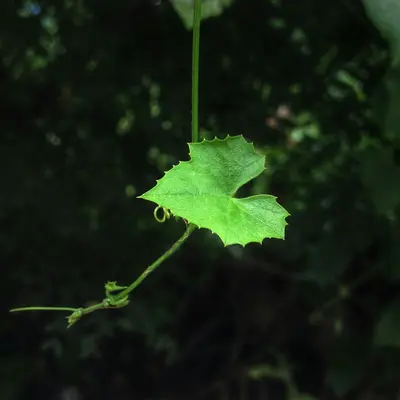
An outstanding hybrid cantaloupe developed for superior disease resistance and exceptional flavor in shorter growing seasons. This variety produces medium-sized melons with incredibly sweet, thick orange flesh that rivals the best market varieties. Iroquois is particularly valued by northern gardeners for its reliability and consistent production even in cooler summers.
Harvest
85-90d
Days to harvest
Sun
Full sun
Zones
2–11
USDA hardiness
Height
6-9 feet
Planting Timeline
Showing dates for Cantaloupe Iroquois in USDA Zone 7
All Zone 7 melon →Zone Map
Click a state to update dates
Cantaloupe Iroquois · Zones 2–11
Growing Details
Succession Planting
Iroquois runs 85–90 days to harvest and sprawls 6–9 feet once it's vining, so succession planting isn't practical the way it is with lettuce or beans — you get one main planting per season. In zone 7, transplant in early May after soil temps reach 65°F, or direct sow in late May; a second sowing in late June risks the fruit hitting cool September nights before it fully ripens. Once you pull the vines, that bed is well-timed for a fall brassica planting.
Complete Growing Guide
Plant Cantaloupe Iroquois seeds directly into warm soil (70°F minimum) 2-3 weeks earlier than traditional varieties since this hybrid matures reliably in 85-90 days, allowing northern gardeners to harvest before fall frost. Unlike standard cantaloupes, Iroquois demonstrates superior resistance to powdery mildew and fusarium wilt, reducing fungal pressure in humid climates, though vigilant watering at soil level remains essential to prevent leaf diseases. Space plants generously as vines sprawl 6-9 feet and benefit from excellent air circulation; the variety tends toward consistent fruit sizing rather than the oversized melons some hybrids produce, which actually aids ripening uniformity in cool seasons. Provide full sun, rich organic soil, and consistent moisture during flowering and fruit development to maximize the exceptional sweetness this cultivar is bred for. A practical tip: plant Iroquois seeds 10-14 days before your last spring frost date indoors under grow lights, then transplant seedlings out once soil truly warms, giving vines maximum growing time without sacrificing quality.
Light: Full sun (6 or more hours of direct sunlight a day). Soil: Clay, High Organic Matter, Loam (Silt). Soil pH: Acid (<6.0), Neutral (6.0-8.0). Drainage: Good Drainage, Moist. Height: 6 ft. 0 in. - 9 ft. 0 in.. Spread: 1 ft. 0 in. - 3 ft. 0 in.. Spacing: 12 inches-3 feet. Growth rate: Medium. Maintenance: Medium. Propagation: Seed. Regions: Coastal, Mountains, Piedmont.
Harvesting
Cantaloupe Iroquois melons reach peak readiness when the netted rind transitions from green to a uniform tan-gold color and the melon develops a pleasantly fragrant aroma at the stem end. The fruit should feel slightly soft when gently pressed at the blossom end, and the stem will slip away from the vine with minimal resistance when fully ripe. Rather than a single harvest, these melons mature progressively over several weeks, so plan to pick ripe fruit every 2–3 days during peak season. A crucial timing tip: harvest in early morning when temperatures are coolest, as this preserves the melon's sweetness and juiciness better than picking during hot afternoon hours.
Musky-scented, spherical to oblong berry with a rind (pepo), often furrowed with yellow, white or green flesh and many seeds. The rind may be green, yellow, tan, beige or white and the surface may be smooth, rough, warty, scaly, or netted. Seeds white, about 1/2 inch long, narrow. Seeds ripen in August and September.
Color: Gold/Yellow, Green, White. Type: Berry. Length: < 1 inch. Width: < 1 inch.
Garden value: Edible, Showy
Harvest time: Fall
Edibility: Eaten fresh, wrapped in prosciutto, in salads, or as a dessert. Watery, but delicate, flavor. Avoid the seeds as the sprouting seed produces a toxic substance in its embryo.
Storage & Preservation
Store freshly harvested Cantaloupe Iroquois at room temperature for 2-3 days to allow full flavor development, then refrigerate for up to one week. Keep whole melons at 36-40°F with high humidity (90-95%) for optimal storage. Once cut, wrap tightly in plastic and use within 3-4 days.
For preservation, freeze cubed Iroquois melon on baking sheets before transferring to freezer bags—frozen melon works excellently in smoothies and sorbets for up to 10 months. Dehydrate thin slices at 135°F for 8-12 hours to create chewy melon leather. The high sugar content and firm flesh of Iroquois also makes it excellent for making cantaloupe preserves or pickled melon rind. Avoid canning fresh melon as the low acid content requires pressure canning and results in mushy texture.
History & Origin
The origins of Cantaloupe Iroquois remain incompletely documented in readily available horticultural records, though its development clearly reflects mid-twentieth-century breeding efforts to adapt cantaloupe cultivation to northern North American growing conditions. The variety name suggests a connection to Iroquois agricultural traditions or regions, and its emphasis on disease resistance and shortened maturity indicates deliberate hybridization work, likely undertaken by a commercial seed company or agricultural institution focused on cold-climate vegetable production. The "Iroquois" designation itself may reference either the geographic region of development or a nod to indigenous agricultural heritage, though specific breeder attribution and introduction date remain unclear without access to comprehensive seed company archives from that era.
Origin: Africa, Arabian Peninsula, India, Australia
Advantages
- +Exceptional sweetness and thick orange flesh rivals premium commercial cantaloupe varieties.
- +Matures in just 85-90 days, ideal for short northern growing seasons.
- +Hybrid vigor provides superior disease resistance compared to traditional cantaloupe varieties.
- +Reliable, consistent production even in cooler summers that challenge other melons.
- +Medium size suits home gardens and small-scale growers well.
Considerations
- -Vulnerable to bacterial wilt spread by striped cucumber beetles without pest management.
- -Susceptible to downy mildew and anthracnose in humid or wet conditions.
- -Requires moderate skill level; improper watering or spacing reduces flavor quality.
- -Striped cucumber beetles and squash vine borers pose significant pest pressure risk.
Companion Plants
Basil and French marigolds are the two worth planting close. Basil's volatile oils may interfere with aphid and thrips host-finding, and French marigolds suppress root-knot nematodes when planted densely for a full season — useful in any bed that has hosted cucurbits before. Nasturtiums attract aphids away from the vines and draw in predatory wasps. Keep cucumbers out of the same bed entirely: they share the same striped cucumber beetle population that spreads bacterial wilt (Erwinia tracheiphila), so putting both crops together just doubles the disease pressure in one place.
Plant Together
Basil
Repels aphids, spider mites, and thrips while potentially improving melon flavor
Marigold
Deters cucumber beetles, aphids, and nematodes that commonly attack melons
Nasturtium
Acts as trap crop for cucumber beetles and aphids, drawing them away from melons
Radish
Repels cucumber beetles and borers while breaking up soil for melon roots
Sunflower
Provides beneficial shade and windbreak, attracts pollinators essential for melon fruit set
Oregano
Repels cucumber beetles and provides ground cover to retain soil moisture
Borage
Attracts pollinators and beneficial insects while reportedly improving melon growth and flavor
Corn
Provides natural trellis support and shade while melons act as living mulch
Keep Apart
Cucumber
Competes for same nutrients and attracts shared pests like cucumber beetles and squash bugs
Potato
May stunt melon growth and both plants compete for similar soil nutrients
Aromatic herbs (strong)
Plants like sage and rosemary can inhibit melon growth through allelopathic compounds
Nutrition Facts
Per 100g serving. % Daily Value based on 2,000 calorie diet. Source: USDA FoodData Central (FDC #169092)
Pests & Disease Resistance
Resistance
Excellent resistance to fusarium wilt races 1 and 2, powdery mildew
Common Pests
Striped cucumber beetle, squash vine borer, aphids, thrips
Diseases
Bacterial wilt, downy mildew, anthracnose, alternaria leaf spot
Troubleshooting Cantaloupe Iroquois
What you'll see, why it happens, and what to do about it.
Plants wilting suddenly and collapsing — even after watering — around 3-4 weeks after transplant
Likely Causes
- Bacterial wilt (Erwinia tracheiphila), transmitted by striped cucumber beetles feeding on leaves
- Heavy beetle pressure at the cotyledon or early true-leaf stage before plants are established
What to Do
- 1.Pull and trash wilted plants immediately — the bacteria persist in the soil and beetles keep feeding on infected tissue
- 2.Cover young transplants with row cover or wire/cloth cone protectors until vines are established and flowering begins, then remove for pollination
- 3.If beetle pressure is high, NC State Extension recommends a foliar insecticide at the cotyledon stage to reduce feeding and slow bacterial wilt spread — consult the NC Agricultural Chemicals Manual for current rates
Sunken, dry, tan-to-brown rot on the blossom end of developing fruit
Likely Causes
- Blossom-end rot from calcium deficiency in the fruit — usually triggered by inconsistent soil moisture rather than a shortage of calcium in the soil itself
- Overfertilization with high-nitrogen fertilizers, which drives rapid vegetative growth and disrupts calcium uptake
- Soil pH outside the 6.0–7.0 range limiting calcium availability
What to Do
- 1.Water consistently — Iroquois needs 1–2 inches per week, and swings between wet and dry are the main trigger; lay down a 3-inch straw mulch layer to buffer soil moisture between rains
- 2.Back off high-nitrogen fertilizer once vines are running; switch to a balanced formula or skip the side-dress entirely
- 3.Test your soil pH and lime to 6.5–6.8 if needed, per NC State Extension's guidance on blossom-end rot prevention
Frequently Asked Questions
How long does Cantaloupe Iroquois take to grow from seed?▼
Can you grow Cantaloupe Iroquois in containers?▼
Is Cantaloupe Iroquois good for beginners?▼
What does Cantaloupe Iroquois taste like compared to store-bought melons?▼
When should I plant Cantaloupe Iroquois in my area?▼
How do I know when Cantaloupe Iroquois is ripe?▼
Zone-by-Zone Planting Calendar
| Zone | Indoor Start | Transplant | Direct Sow | Harvest |
|---|---|---|---|---|
| Zone 3 | May – May | June – July | June – August | September – October |
| Zone 4 | April – May | June – June | June – July | September – October |
| Zone 5 | April – April | May – June | May – July | September – October |
| Zone 6 | April – April | May – June | May – July | August – October |
| Zone 7 | March – April | May – May | May – June | August – September |
| Zone 8 | March – March | April – May | April – June | July – September |
| Zone 9 | February – February | March – April | March – May | June – August |
| Zone 10 | January – February | March – March | March – April | June – July |
| Zone 1 | June – June | July – August | July – September | October – August |
| Zone 2 | May – June | July – July | July – August | October – September |
| Zone 11 | January – January | February – February | February – March | May – June |
| Zone 12 | January – January | February – February | February – March | May – June |
| Zone 13 | January – January | February – February | February – March | May – June |
Growing Guides from Wind River Greens
Sources & References
External authority sources used in compiling this guide.
See the Methodology page for how this data is sourced, what's AI-assisted, and known limitations.
More Melons
Charleston Gray Watermelon
Ali Baba Watermelon
Cantaloup Charentais
Watermelon Charleston Gray
Hale's Best Cantaloupe
Sugar Baby Watermelon
Tiger Baby Watermelon
Early Dew Honeydew