Watermelon Picnic
Citrullus lanatus 'Picnic'
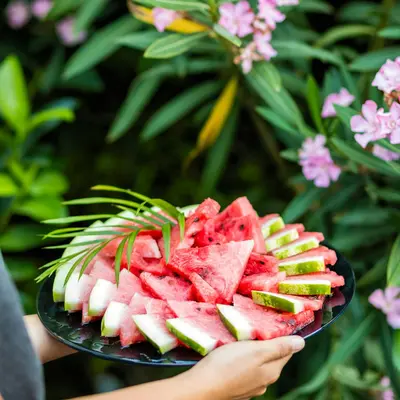
A classic large watermelon variety that produces the traditional big, round melons perfect for family gatherings and summer picnics. These impressive fruits can reach 15-20 pounds with deep red, sweet flesh and the classic striped green rind that everyone recognizes. The vigorous vines are productive and reliable, delivering that perfect summer watermelon experience.
Harvest
85-95d
Days to harvest
Sun
Full sun
Zones
4–11
USDA hardiness
Height
4-8 inches
Planting Timeline
Showing dates for Watermelon Picnic in USDA Zone 7
All Zone 7 melon →Zone Map
Click a state to update dates
Watermelon Picnic · Zones 4–11
Growing Details
Complete Growing Guide
For optimal success with this vigorous cultivar, direct seed "Watermelon Picnic" after soil temperatures consistently reach 70°F, as the 85-95 day maturity requires warm conditions from germination onward. This variety's substantial vine vigor demands generous spacing—allow at least 4-5 feet between plants and 6-8 feet between rows to prevent powdery mildew, which thrives in crowded foliage. While generally reliable, monitor for cucumber beetles early in the season, as they can transmit bacterial wilt and reduce vine productivity. The cultivar's tendency toward heavy fruit production means consistent soil moisture is critical; irregular watering stresses vines and causes mealy flesh or internal cracking in these large 15-20 pound fruits. A practical approach is mulching heavily around plants to regulate soil temperature and moisture, which this heat-loving variety appreciates while simultaneously reducing pest pressure on fruit touching bare soil.
Light: Full sun (6 or more hours of direct sunlight a day). Soil: Loam (Silt). Soil pH: Neutral (6.0-8.0). Drainage: Good Drainage, Moist. Height: 0 ft. 4 in. - 0 ft. 8 in.. Spread: 5 ft. 0 in. - 10 ft. 0 in.. Growth rate: Medium. Maintenance: Medium. Propagation: Seed. Regions: Coastal, Mountains, Piedmont.
Harvesting
Harvest Watermelon Picnic melons when they reach their full 15-20 pound size with a deep cream or yellow spot on the bottom where the melon rests on the soil, indicating maturity. The rind should display vibrant green stripes with a dull finish rather than a shiny one, and the melon should feel heavy for its size with a hollow sound when thumped. These plants produce a continuous harvest rather than all at once, so check vines regularly during the 85-95 day window and pick melons as they mature individually. A helpful timing tip: harvest in early morning when temperatures are coolest, as this preserves the crisp, juicy texture and sweetness that makes this variety ideal for summer gatherings.
The plant produces melons which are large modified berries called a pepo. They are rounded to oval mottled green with darker green rind. Black, cream or mottled colored elliptic seeds. Flesh general red or pink but can also be yellowish.
Color: Green. Type: Berry. Length: > 3 inches. Width: > 3 inches.
Garden value: Edible
Harvest time: Summer
Edibility: The fruit can be eaten raw or pickled. The rind is edible after cooking.
Storage & Preservation
Freshly harvested Picnic melons store best at 50–60°F with 85–90% humidity in a cool, dark place; whole melons keep for 2–3 weeks under these conditions, though room-temperature storage accelerates ripening and shortens shelf life to 1–2 weeks. Once cut, wrap pieces tightly in plastic wrap and refrigerate for up to 5 days. For preservation, freezing works well for juice and fruit salads—cube the flesh, freeze on a sheet tray, then transfer to freezer bags. The high water content makes this variety ideal for agua fresca; blend frozen cubes with lime and water for quick refreshment. Canning the rind as preserves is traditional; the firm rind holds shape well through cooking and processing. Avoid drying, as the flesh becomes too tough for culinary use. Store seeds in a cool, dry location for next season's planting.
History & Origin
The 'Picnic' watermelon represents a classic American heirloom type developed during the mid-20th century when home gardening and backyard entertaining surged in popularity. While specific breeder attribution remains unclear in available horticultural records, this variety emerged from the broader lineage of large, round watermelon types that dominated American seed catalogs from the 1950s onward. 'Picnic' was likely selected from open-pollinated populations for reliable productivity, disease resistance, and the characteristic striped rind and sweet red flesh that made it a market and garden favorite. Major seed companies including Burpee and Ferry Seeds promoted similar picnic-type melons throughout this era, though definitive documentation of 'Picnic's' exact origin point remains elusive in standard breeding literature.
Origin: Africa
Advantages
- +Produces impressive 15-20 pound fruits perfect for feeding large family groups
- +Classic striped rind and deep red flesh deliver authentic, recognizable summer watermelon experience
- +Vigorous, reliable vines consistently produce abundant melons across 85-95 day growing season
- +Sweet, juicy flavor makes this variety ideal for picnics and outdoor gatherings
Considerations
- -Susceptible to multiple fungal diseases including gummy stem blight and powdery mildew
- -Requires moderate growing difficulty with vulnerable susceptibility to cucumber beetles and squash bugs
- -Large fruit size demands significant garden space and fertile soil conditions
Companion Plants
Marigolds — French marigolds specifically — do real work in a cucurbit bed. NC State Extension recommends a solid planting of them in nematode-affected ground before returning cucurbits, and 'Picnic' watermelon, with its 85–95 day run in warm soil, is exactly the kind of long-season crop that suffers when root-knot nematodes are already established. Nasturtiums pull aphids off the vines onto themselves, which is a better outcome than an insecticidal soap application mid-July. Fennel doesn't belong anywhere near this bed — it's allelopathic and stunts most vegetables it grows alongside. Potatoes share several soil pathogens with watermelons, including southern blight (Sclerotium rolfsii), so keep them on opposite ends of the garden.
Plant Together
Basil
Repels aphids, spider mites, and thrips while potentially improving melon flavor
Marigolds
Deters cucumber beetles, aphids, and nematodes that commonly attack melons
Nasturtiums
Acts as trap crop for cucumber beetles and squash bugs, protecting watermelons
Radishes
Breaks up soil for better root penetration and deters cucumber beetles
Beans
Fixes nitrogen in soil to benefit heavy-feeding watermelons
Corn
Provides natural windbreak and shade during hot afternoons
Lettuce
Acts as living mulch, conserving soil moisture that watermelons require
Sunflowers
Attracts beneficial insects and provides afternoon shade for developing melons
Keep Apart
Black Walnut
Releases juglone toxin that inhibits watermelon growth and can kill plants
Fennel
Produces allelopathic compounds that stunt growth of melons and most vegetables
Potatoes
Competes heavily for nutrients and water, potentially harbors similar soil diseases
Nutrition Facts
Per 100g serving. % Daily Value based on 2,000 calorie diet. Source: USDA FoodData Central (FDC #167765)
Pests & Disease Resistance
Resistance
Good resistance to fusarium wilt and anthracnose
Common Pests
Cucumber beetles, aphids, squash bugs, cutworms
Diseases
Bacterial fruit blotch, gummy stem blight, powdery mildew, downy mildew
Troubleshooting Watermelon Picnic
What you'll see, why it happens, and what to do about it.
Dark, sunken spot on the blossom end of the fruit — leathery and dry, sometimes with secondary mold growth
Likely Causes
- Blossom-end rot from calcium deficiency in the developing fruit, triggered by uneven soil moisture
- Overfertilization with high-nitrogen fertilizer, which disrupts calcium uptake
- Soil pH below 6.0, limiting calcium availability
What to Do
- 1.Water consistently — 1 to 2 inches per week — and mulch heavily to buffer moisture swings
- 2.Pull back on high-nitrogen fertilizers; side-dress with compost instead
- 3.Test your soil and lime to bring pH up to 6.5–6.8, as NC State Extension recommends for this exact problem
Yellowing, wilting vines with sticky honeydew on leaves and small soft-bodied insects clustered on new growth
Likely Causes
- Melon aphid (Aphis gossypii) — populations can spike fast in warm weather and coat new growth within days
- Striped or spotted cucumber beetles feeding on foliage and transmitting bacterial wilt as a secondary problem
What to Do
- 1.Knock aphids off with a firm spray of water; for heavy infestations, apply insecticidal soap directly to the affected tissue
- 2.Lay row cover over transplants until flowering begins — this keeps cucumber beetles off during the most vulnerable 3–4 weeks after transplant
- 3.Remove and trash any heavily infested leaves; don't compost them
White powdery coating on upper leaf surfaces, usually appearing after vines reach full spread — mid to late season
Likely Causes
- Powdery mildew (Podosphaera xanthii or Erysiphe cichoracearum) — favored by warm days, cool nights, and still air between dense vines
- Insufficient spacing: vines planted closer than 72 inches never dry out between watering
What to Do
- 1.Give vines the full 72–96 inches they need at planting — no amount of spraying later compensates for crowding
- 2.Apply potassium bicarbonate or a neem-based spray at first sign; once more than 30% of leaf area is coated, you're slowing decline rather than reversing it
- 3.Keep cucurbits out of that bed for at least 2 seasons afterward
Frequently Asked Questions
How long does Watermelon Picnic take to grow from seed?▼
Can you grow Watermelon Picnic in containers?▼
What does Watermelon Picnic taste like compared to store-bought watermelons?▼
When should I plant Watermelon Picnic seeds?▼
How much space does Watermelon Picnic need to grow properly?▼
Is Watermelon Picnic good for beginning gardeners?▼
Zone-by-Zone Planting Calendar
| Zone | Indoor Start | Transplant | Direct Sow | Harvest |
|---|---|---|---|---|
| Zone 1 | June – June | July – August | July – September | November – August |
| Zone 2 | May – June | July – July | July – August | October – September |
| Zone 11 | January – January | February – February | February – March | May – July |
| Zone 12 | January – January | February – February | February – March | May – July |
| Zone 13 | January – January | February – February | February – March | May – July |
| Zone 3 | May – May | June – July | June – August | October – October |
| Zone 4 | April – May | June – June | June – July | September – October |
| Zone 5 | April – April | May – June | May – July | September – October |
| Zone 6 | April – April | May – June | May – July | September – October |
| Zone 7 | March – April | May – May | May – June | August – October |
| Zone 8 | March – March | April – May | April – June | August – September |
| Zone 9 | February – February | March – April | March – May | July – August |
| Zone 10 | January – February | March – March | March – April | June – August |
Growing Guides from Wind River Greens
Sources & References
External authority sources used in compiling this guide.
See the Methodology page for how this data is sourced, what's AI-assisted, and known limitations.
More Melons
Charleston Gray Watermelon
Ali Baba Watermelon
Cantaloup Charentais
Watermelon Charleston Gray
Hale's Best Cantaloupe
Cantaloupe Iroquois
Sugar Baby Watermelon
Tiger Baby Watermelon